Little Rann of Kutch, Gujarat
Little Rann of Kutch is a unique saline marsh ecosystem in Gujarat, India, internationally important as the core of the Indian Wild Ass Sanctuary and as a seasonal wetland that supports large numbers of migratory and resident birds. It also sustains traditional pastoral livelihoods (the Banni grasslands and salt workers) and plays a key role in regional biodiversity conservation and local economies.
Last updated: 23 Oct 2025
Places to visit
- Indian Wild Ass Sanctuary (Little Rann of Kutch)
- Expansive salt pans and saline flats
- Birdwatching hotspots hosting migratory flamingos, pelicans, and waders
- Banni grasslands and traditional pastoral villages
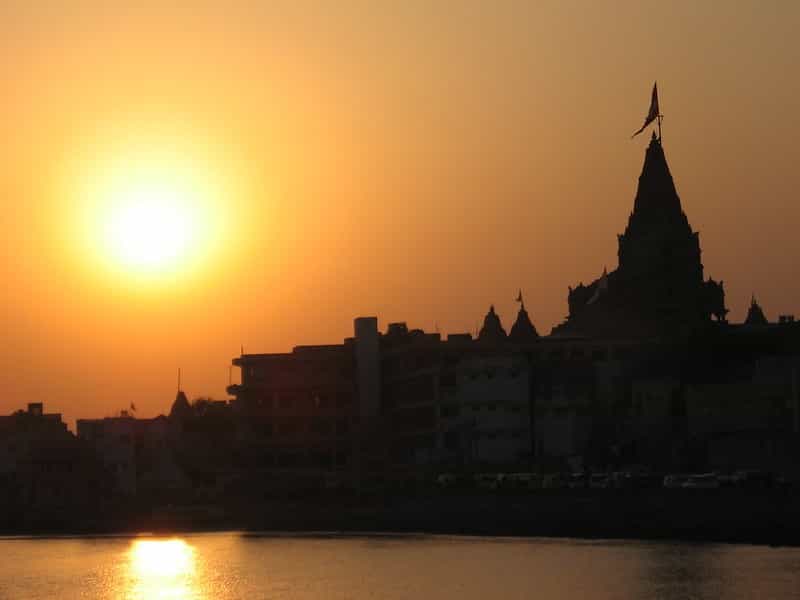
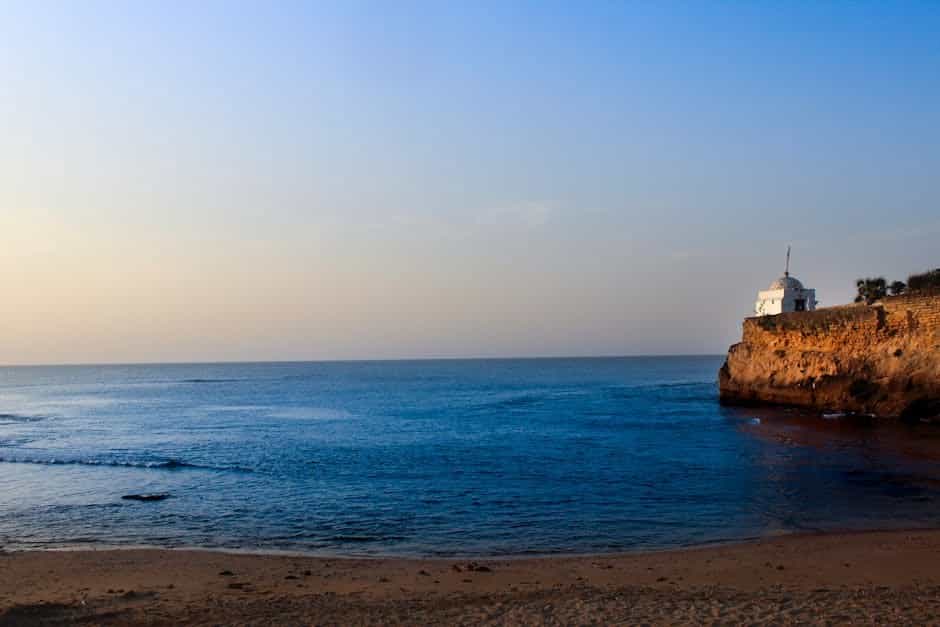
- Scenic sunrise and sunset vistas perfect for landscape photography
Unique Aspects
- Primary habitat of the Indian Wild Ass (Equus hemionus khur)
- Seasonal marshland and saline ecosystem with high bird diversity
- Large, open panoramas providing unique photographic and astro-photography opportunities
- Traditional salt-making activity and pastoral grazing systems (Banni)
- Distinct seasonal shift — flooded in/after monsoon, dry and glittering in winter
Things to do
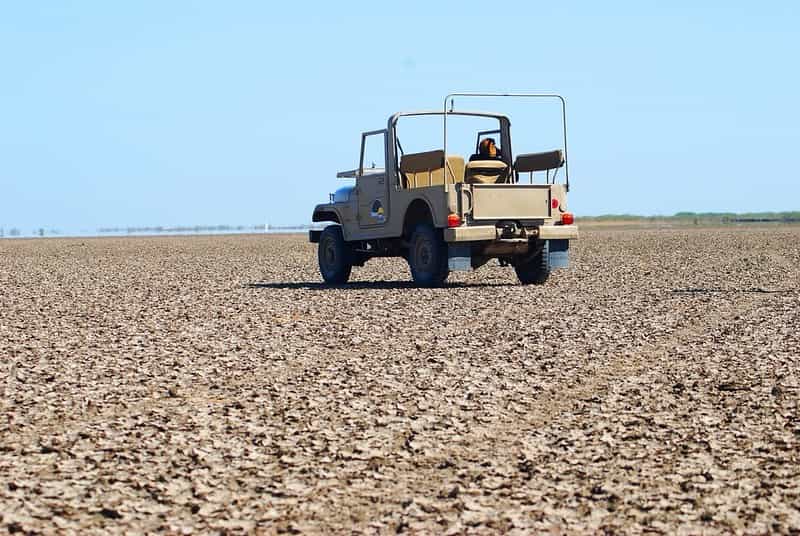
- 4x4 wildlife safaris (authorized operators/forest department)
- Birdwatching and guided nature walks
- Landscape and wildlife photography (sunrise/sunset and night skies)
- Visits to nearby Banni villages for cultural interactions and crafts
- Salt-pan visits and short guided walks on the margins (seasonal)
- Opportunity for eco-education and community-based tourism experiences
Best Time to Visit
Recommended: October to February (post-monsoon and winter) — cooler temperatures, dry salt flats and excellent birdlife. Monsoon (July–September) brings water and many waterbirds but access can be difficult. Avoid April–June due to extreme heat.
Weather Conditions
Arid to semi-arid climate. Summers can exceed 40–45°C (very hot); winters are mild to cool (around 5–25°C); monsoon brings temporary inundation and higher humidity. Nights can be cold in winter; days are bright and sunny.
Accessibility
Nearest airports: Bhuj, Rajkot and Ahmedabad (Ahmedabad ~160–200 km depending on entry point). Nearest major railway stations: Bhuj, Rajkot, Ahmedabad (and smaller stations such as Dhrangadhra). The site is reached by road — many visitors travel by car/jeep from Ahmedabad, Rajkot or Bhuj. Local 4x4 vehicles are recommended inside the sanctuary and salt tracks; seasonal road conditions can be challenging, especially in monsoon.
Recommended Duration
A day trip is possible from nearby cities, but 1–2 days is recommended to explore the sanctuary and birdlife; 2–3 days for dedicated photographers and wildlife enthusiasts.
Clothing & Gear Tips
Light, breathable clothing for daytime; warm layers for early mornings/nights in winter; sturdy closed shoes or boots, sun hat, sunscreen, sunglasses, binoculars, camera with telephoto lens, insect repellent, and a small first-aid kit. In monsoon bring waterproof footwear and rain protection.
Local Food & Souvenirs
Local Gujarati and Kutch cuisine (simple home-style meals, dairy-based dishes, snacks). Souvenirs include Kutch embroidery, bandhani textiles, mirror-work crafts, leather items and other local handicrafts. Buy from local artisans or cooperatives to support the community.