Best Time to Visit Northeast India: Complete Seasonal Guide 2026
Nestled between the mighty Himalayas and the lush plains of Bengal, Northeast India remains one of the country's most enchanting yet underexplored regions. With its pristine landscapes, vibrant tribal cultures, and breathtaking biodiversity, this hidden gem offers travelers an experience unlike anywhere else in India. But here's the million-dollar question: when exactly should you plan your Northeast India adventure?
The answer isn't as straightforward as you might think. This mystical region, comprising eight states known as the "Seven Sisters" plus Sikkim, experiences diverse weather patterns that can make or break your travel experience. Whether you're dreaming of rhododendron blooms in Sikkim, river rafting in Arunachal Pradesh, or exploring the living root bridges of Meghalaya, timing is everything.
Understanding Northeast India's Climate Patterns
Before diving into the best time to visit North-East, it's crucial to understand that Northeast India experiences a subtropical highland climate with distinct seasonal variations. The region receives some of the heaviest rainfall in the world, particularly in areas like Cherrapunji and Mawsynram in Meghalaya.
The climate is primarily influenced by:
- Monsoon winds from the Bay of Bengal
- Himalayan weather systems affecting northern states
- Altitude variations ranging from sea level to over 7,000 meters
- Dense forest cover creating localized microclimates
Peak Season: October to April (The Golden Window)
October to November: Post-Monsoon Bliss
This is arguably the most spectacular time to visit Northeast India. The monsoons have just retreated, leaving behind:
- Crystal-clear skies perfect for mountain views
- Lush green landscapes at their most vibrant
- Pleasant temperatures ranging from 15-25°C
- Excellent road conditions after monsoon repairs
- Festival season with Durga Puja and local celebrations
Pro tip: Book accommodations early as this is peak tourist season, especially in popular destinations like Gangtok and Shillong.
December to February: Winter Wonderland
Winter in Northeast India offers a completely different but equally mesmerizing experience:
Advantages:
- Crisp, clear weather with minimal rainfall
- Snow-capped mountain views from places like Tiger Hill
- Comfortable daytime temperatures (10-20°C)
- Perfect trekking conditions in Sikkim and Arunachal Pradesh
- Rhododendron blooming season begins in late February
Considerations:
- Cold nights especially at higher altitudes (can drop to -5°C)
- Limited daylight hours (sunrise around 6:30 AM, sunset by 5:30 PM)
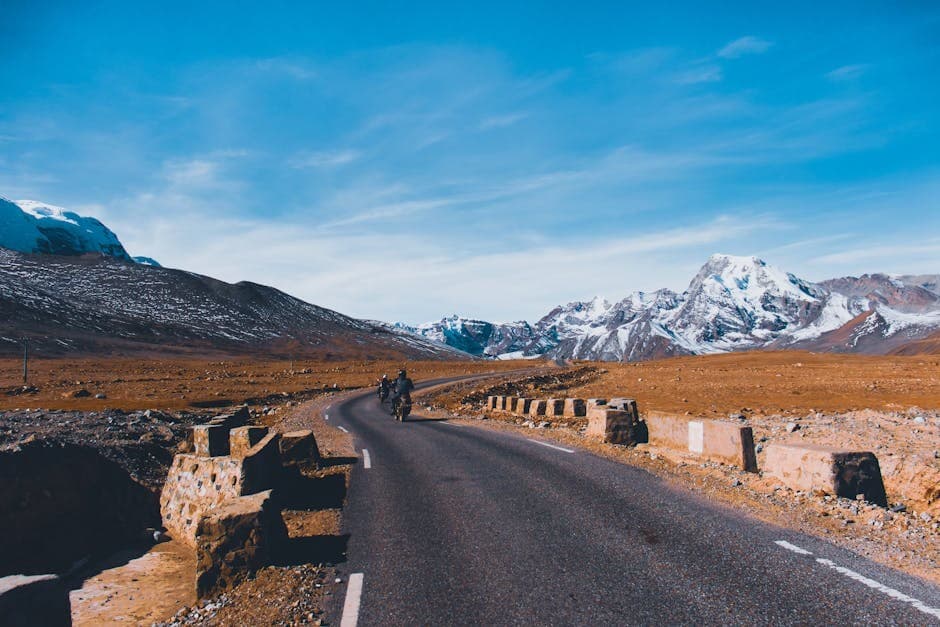
- Some high-altitude passes may be closed due to snow
March to April: Spring Awakening
Spring is when Northeast India truly comes alive:
- Rhododendron forests in full bloom across Sikkim
- Cherry blossoms in Shillong (November to December)
- Ideal temperatures for all outdoor activities
- Clear mountain views before pre-monsoon clouds arrive
- Perfect for photography with blooming flowers and green valleys
Shoulder Season: May to June (Proceed with Caution)
The Pre-Monsoon Period
This period can be tricky but isn't entirely off-limits:
Pros:
- Lower tourist crowds and better accommodation deals
- Still accessible to most destinations
- Good for budget travelers seeking discounts
Cons:
- Rising humidity and occasional heavy showers
- Unpredictable weather patterns
- Increasing cloud cover limiting mountain views
- Temperature rises to 25-30°C in lower altitudes
Insider tip: If you're flexible with dates and don't mind occasional rain, early May can still offer good travel conditions.
Off-Season: July to September (Monsoon Madness)
Why Most Travelers Avoid This Period
The monsoon season in Northeast India is intense and can be challenging:
Challenges:
- Heavy rainfall (some areas receive over 400 inches annually)
- Frequent landslides blocking roads and highways
- Limited visibility due to persistent cloud cover
- High humidity making outdoor activities uncomfortable
- Transportation disruptions including flight cancellations
- Leeches in forest areas during treks
The Silver Lining
However, monsoon season isn't entirely without merit:
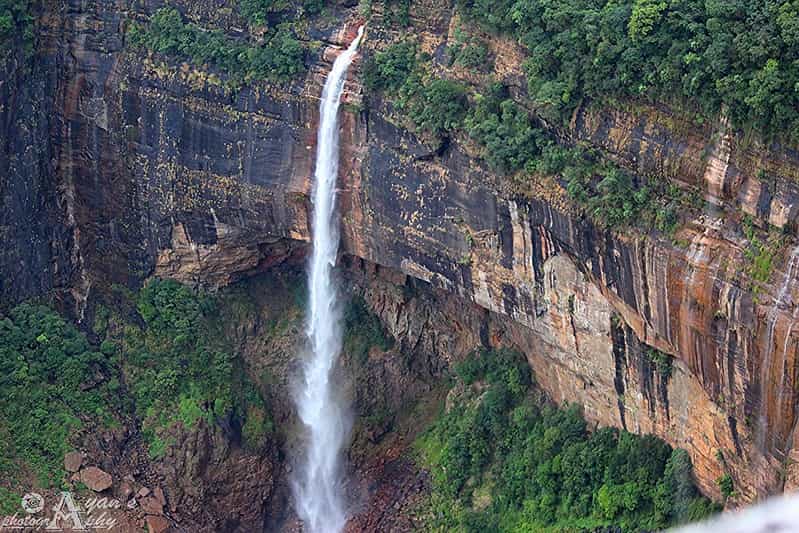
- Dramatic waterfalls at their most powerful
- Incredibly lush landscapes in vibrant greens
- Unique monsoon experiences for adventurous travelers
- Significantly lower costs for accommodation and tours
- Fewer crowds at popular tourist spots
State-by-State Best Time Breakdown
Sikkim
- Best time: October to May
- Rhododendron season: March to May
- Avoid: June to September (heavy monsoons)
Assam
- Best time: October to April
- Wildlife viewing: November to March
- Tea garden visits: October to March
Meghalaya
- Best time: October to May
- Living root bridges: October to February
- Avoid: June to September (wettest region)
Arunachal Pradesh
- Best time: October to April
- Trekking season: October to March
- Permit considerations: Plan 30 days in advance
Nagaland
- Best time: October to March
- Hornbill Festival: First week of December
- Avoid: April to September
Manipur, Mizoram, and Tripura
- Best time: November to March
- Pleasant weather: December to February
- Monsoon season: May to September
Essential Travel Tips by Season
Peak Season Preparation
- Book early: Accommodations fill up quickly
- Pack layers: Temperature variations are significant
- Carry sunscreen: UV rays are strong at high altitudes
- Keep permits ready: Some areas require special permits
Monsoon Season Survival
- Waterproof everything: Invest in quality rain gear
- Stay flexible: Have backup plans for transportation
- Health precautions: Carry anti-malarial medication
- Emergency contacts: Keep local emergency numbers handy
Budget Considerations by Season
Peak Season (October-April):
- Accommodation: ₹2,000-8,000 per night
- Tours: Premium pricing
- Transportation: Higher costs due to demand
Off-Season (July-September):
- Accommodation: 30-50% discounts available
- Tours: Significantly reduced prices
- Transportation: Limited but cheaper options
Final Verdict: When Should You Visit?
For first-time visitors: October to March offers the most reliable weather and accessible attractions.
For budget travelers: Late April to early May or monsoon season if you're adventurous.
For photographers: March to April for blooming flowers and October to November for post-monsoon clarity.
For trekkers: October to March provides the best conditions for high-altitude adventures.
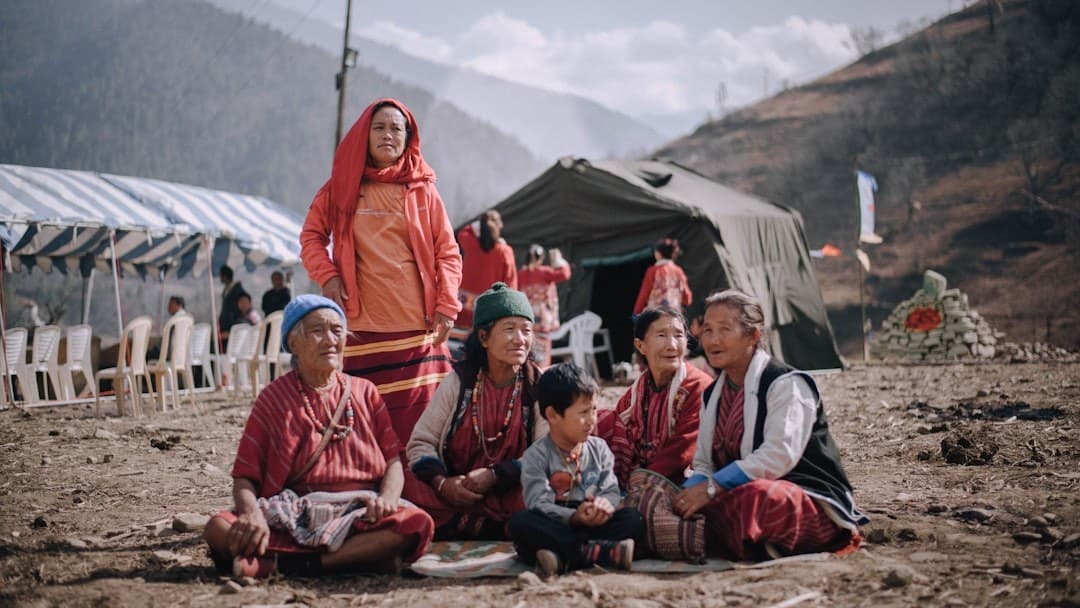
For cultural enthusiasts: November to February coincides with major festivals and celebrations. Understanding Northeast India cultural etiquette before attending these events will significantly enhance your experience.
Conclusion: Plan Your Northeast India Adventure
Northeast India's beauty transcends seasons, but choosing the right time can elevate your experience from good to absolutely extraordinary. The golden window of October to April remains your safest bet for an unforgettable journey through this mystical region.
Remember, weather patterns can be unpredictable, so always check current conditions before traveling and maintain flexibility in your itinerary. Whether you're chasing snow-capped peaks in Sikkim, exploring ancient monasteries in Arunachal Pradesh, or witnessing the cultural tapestry of Nagaland, Northeast India promises memories that will last a lifetime. Before you go, it's also worth checking Northeast India internet & mobile coverage to stay connected throughout your trip.
Ready to explore India's best-kept secret? Start planning your Northeast India adventure today, and prepare to be mesmerized by one of the world's most pristine and culturally rich destinations.
Leave a Comment
Explore North-East
Ready to plan your trip? Check out our complete travel guide and packages.