Essential Bali Safety Tips: Your 2026 Guide to a Worry-Free Trip
Bali — the Island of the Gods — continues to enchant millions of travelers with its emerald rice terraces, world-class surf breaks, and soul-stirring temple ceremonies. And here's the great news: Bali is absolutely worth visiting in 2026. But like any popular destination, a little preparation goes a long way toward ensuring your trip is as magical as the Instagram photos promise.
Whether you're a solo adventurer, a couple on a romantic getaway, or a family chasing tropical sunshine, this guide covers everything you need to know about staying safe in Bali — from dodging common scams to navigating chaotic roads and keeping your stomach happy.
Let's dive in.
Is Bali Safe in 2026? The Big Picture
Let's get this out of the way first: yes, Bali is generally safe for tourists in 2026. The island remains one of Asia's most welcoming destinations, and it was even named the world's best tourist destination at the Tripadvisor Travellers' Choice Awards 2026. The U.S. State Department rates Indonesia at Level 2 — "Exercise Increased Caution" — which is the same level as France, the UK, and Germany.
Violent crime against tourists remains rare. Most safety issues are opportunistic and preventable — think petty theft, scooter accidents, and stomach bugs rather than serious threats. The Balinese people are famously warm and hospitable, and local authorities have strengthened safety measures across major tourist hubs.
That said, Bali isn't a theme park. It's a real place with real risks that deserve your respect and attention.
Road Safety: The Biggest Risk You'll Face
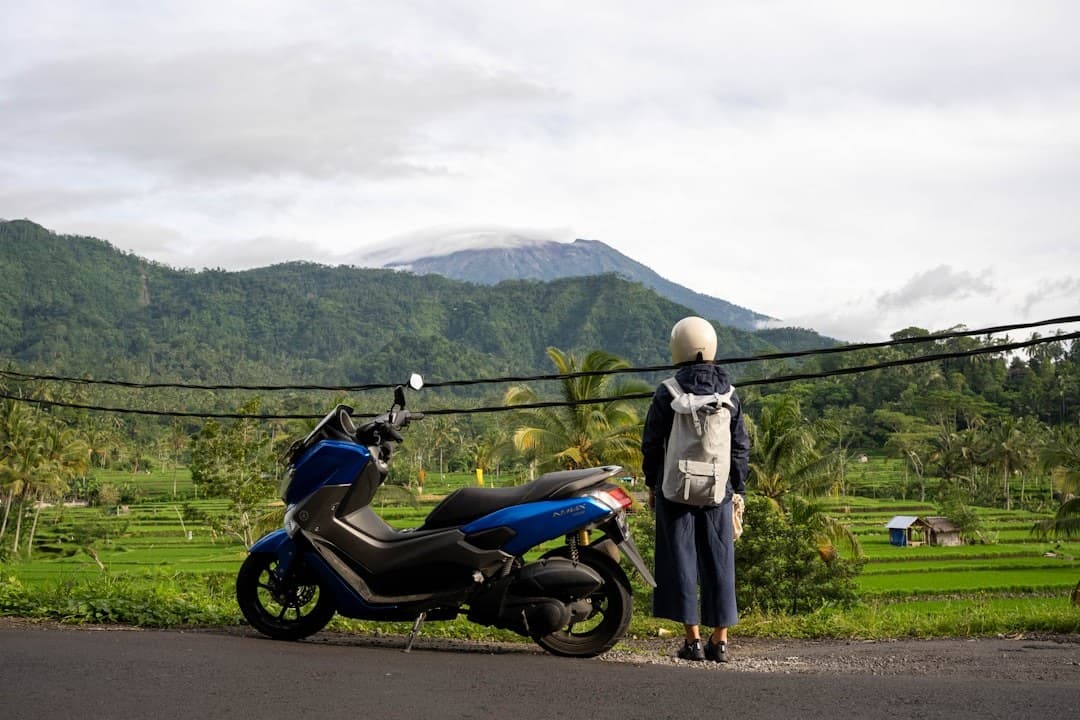
Here's something most travel blogs won't lead with: traffic is the single biggest safety risk for tourists in Bali. Scooter rentals are cheap and tempting, but Bali's roads are steep, narrow, and often chaotic — especially in areas like Canggu and Kuta.
Tips for Staying Safe on Bali's Roads
- Don't learn to ride a scooter in Bali. If you've never ridden before, this is not the place to start.
- Always wear a helmet — no exceptions, even for short trips.
- Avoid riding at night or in the rain, when visibility drops and roads become slippery.
- Use ride-hailing apps like Grab or Gojek for most trips, especially longer distances and nights out. They're affordable, reliable, and far safer than renting a scooter.
- For taxis, stick with Blue Bird — they use meters and have a solid reputation.
- Agree on prices upfront if you go off-app to avoid inflated fares.
- Purchase fuel at official Pertamina stations to avoid roadside vendors who may sell diluted petrol at inflated prices.
Pro tip: The cost of a private driver for a full day in Bali is often less than the cost of one scooter accident. It's a no-brainer.
Protecting Your Health: Beating "Bali Belly" and Beyond
The dreaded Bali Belly — traveler's diarrhea caused by unfamiliar bacteria — is one of the most common travel hiccups on the island. It's not dangerous, but it can absolutely ruin a few days of your vacation.
Food and Water Safety
- Never drink tap water. Bali's tap water is not safe to drink and can contain bacteria that cause stomach illness — even brushing your teeth with it may trigger problems.
- Stick to bottled or filtered water, and carry a refillable bottle to use with hotel water dispensers.
- Be cautious with ice — it's generally fine at reputable restaurants and hotels, but skip it from street vendors or unknown sources.
- Eat at busy restaurants where food turnover is high, and avoid seafood or meat that looks off or has been sitting out.
- Wash or peel fruits before eating, and start with mild dishes if you have a sensitive stomach.
- Pack activated charcoal or basic stomach meds just in case.
Mosquitoes and Other Health Concerns
Travel health advisories note a risk of dengue fever, particularly during and shortly after the rainy season (November–March). Protect yourself by using mosquito repellent, wearing long sleeves in the evenings, and staying in accommodation with screens or air conditioning.
Rabies remains present in parts of Bali. Avoid contact with stray animals — especially dogs and monkeys (yes, even the cute ones at Monkey Forest). If you're bitten or scratched, seek immediate medical care.
Before your trip, check that your routine vaccinations are up to date. The U.S. CDC also recommends Hepatitis A and typhoid vaccinations for travelers to Indonesia.
Travel Insurance: Non-Negotiable
Comprehensive travel insurance that covers medical evacuation is strongly recommended. While Bali has international-standard private hospitals in Denpasar and good clinics in Ubud and Canggu, medical facilities in rural areas may be limited. Don't gamble on this one — a quality policy can be the difference between a minor inconvenience and a financial catastrophe.
Avoiding Scams and Petty Theft
Bali isn't scam-heavy compared to some destinations, but common tourist traps do exist. Here's what to watch for:
Common Scams
- Money exchange tricks: Some unofficial money changers use sleight-of-hand when counting. Only exchange at licensed places marked "Authorized" and registered with Bank Indonesia, and count your cash on the spot.
- Fake villa listings: Scammers copy photos of real properties, take deposits, and disappear. Book through trusted platforms like Booking.com, Agoda, Airbnb, or directly via the resort's website.
- Unofficial visa agents: The 2026 travel advisory specifically warns against using unlicensed visa agents who charge hidden fees or take money and vanish. Rely on official Indonesian immigration channels at imigrasi.go.id.
- ATM skimming: Card skimming can happen at standalone ATMs. Use ATMs inside banks or shopping centers, and withdraw larger amounts fewer times.
Preventing Petty Theft
Petty theft — particularly phone snatching from motorbikes — is the most common crime affecting tourists in Bali. Pickpocketing can also happen in crowded bars, markets, and beach clubs.
- Keep your phone on the inside hand (away from the road) when walking, and use a strap if you have one.
- Use a secure sling bag or anti-theft fanny pack.
- Don't carry all your cash or valuables — leave your passport and extra cards locked in your hotel safe.
- Avoid wearing expensive jewelry in crowded areas.
Natural Disasters: What You Need to Know
Bali sits on Indonesia's Ring of Fire, which means earthquakes and volcanic activity are part of life here. But don't let that scare you — the risk is well-managed and comparable to living in earthquake-prone areas like Japan or California.
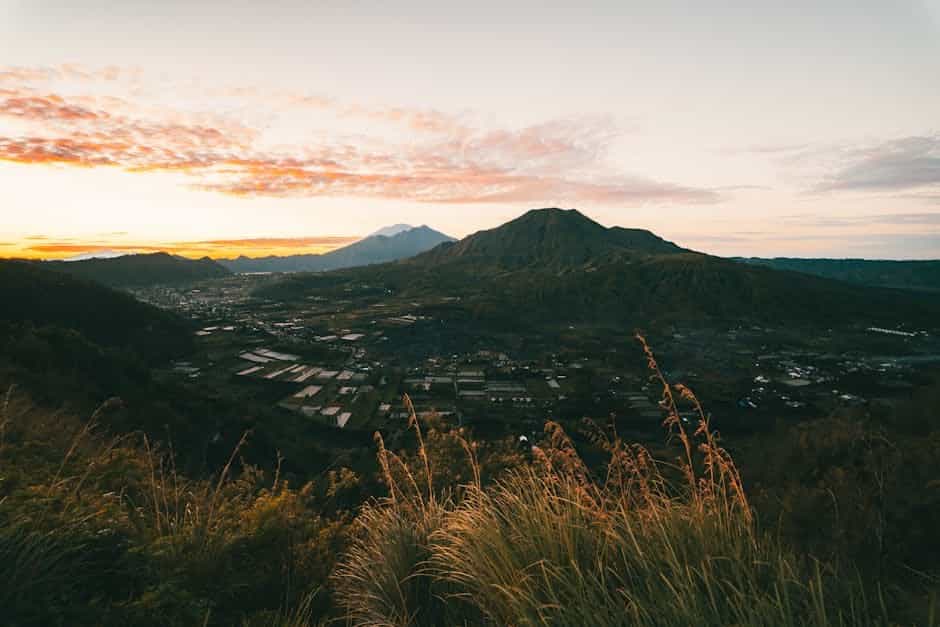
- Mount Agung and Mount Batur are both active volcanoes, though neither is currently at elevated alert levels as of mid-2026.
- Minor earthquakes are common but rarely cause significant damage.
- Indonesia has robust disaster monitoring systems, early warning networks, and established evacuation routes. Hotels and resorts conduct regular safety drills.
- During rainy season (November–March), flooding and landslides can occasionally disrupt road travel. Build flexibility into your itinerary.
Insider tip: Download the MAGMA Indonesia app for real-time volcanic activity updates, and familiarize yourself with your hotel's evacuation procedures on arrival.
Beach and Water Safety
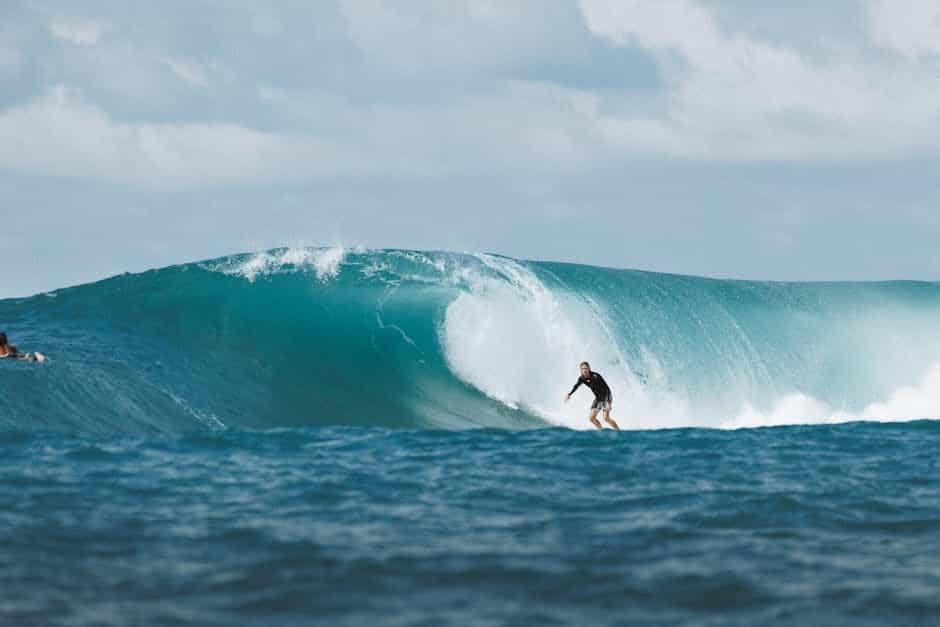
Bali's beaches are stunning, but they're not all created equal when it comes to swimming safety. Strong waves and rip currents catch even confident swimmers off guard.
- Always observe warning flags and lifeguards — red flags mean stay out of the water.
- Swim at lifeguard-patrolled beaches and avoid swimming alone.
- Don't assume every beach is safe for casual swimming — surf beaches can be dangerous for non-swimmers.
- Be cautious with boat travel between islands. Check that any ferry or boat has appropriate safety equipment, GPS, communication equipment, and life jackets before boarding.
Respecting Local Culture and Laws
Bali's culture is deeply spiritual, and showing respect isn't just polite — it keeps you out of trouble and opens doors to richer experiences.
- Dress modestly at temples — sarongs and sashes are typically required (and often available to borrow).
- Follow local laws at all times. Indonesia has strict drug laws — possession of even small amounts of marijuana, cannabis, CBD, or THC products can lead to heavy fines, long prison sentences, or even the death penalty.
- Be aware of Indonesia's revised criminal code, effective January 2026, which includes penalties for cohabitation and sex outside of marriage, though enforcement details remain unclear.
- Avoid demonstrations, which can occur occasionally and may turn unpredictable.
- Don't drink counterfeit alcohol — stick to trusted bars and hotels. Methanol poisoning from bootleg spirits is a real and serious risk.
Safety by Area: Where to Stay
Safety varies slightly by region in Bali:
- Ubud: Quiet, cultural, and very safe. Ideal for families and wellness travelers.
- Seminyak: Well-developed and walkable, with good security infrastructure. Great for first-timers.
- Canggu: Popular with digital nomads. Safe but busy — watch out for traffic.
- Uluwatu: Cliffside and calm. Safe, but limited lighting on small roads at night.
- Kuta: The party center. Higher petty crime and more scams — exercise extra caution at night.
- Sanur: A favorite for families. Calmer beaches, flat walking paths, and a slower pace.
Entry Requirements to Keep in Mind
Safety starts before you even land. For 2026, make sure you:
- Complete the All Indonesia e-Arrival Card before your flight — it's mandatory and replaces all older declaration forms.
- Apply for your e-Visa on Arrival online at imigrasi.go.id to skip the visa queue.
- Pay the Bali Tourism Levy of IDR 150,000 (~$10 USD) via the Love Bali website or app.
- Ensure your passport is valid for at least 6 months from your arrival date with at least two blank pages.
Final Takeaways: Your Bali Safety Checklist
Bali is a dream destination that delivers on its promise — as long as you travel smart. Here's your quick-reference safety checklist:
- ✅ Get comprehensive travel insurance with medical evacuation coverage
- ✅ Use Grab, Gojek, or Blue Bird taxis instead of unlicensed transport
- ✅ Drink only bottled or filtered water and ease into local food
- ✅ Protect against mosquitoes — pack repellent and cover up at dusk
- ✅ Secure your valuables and leave extras in the hotel safe
- ✅ Exchange money only at authorized outlets and count your cash
- ✅ Respect local customs, dress codes, and laws — especially drug laws
- ✅ Swim only at patrolled beaches and heed warning flags
- ✅ Keep copies of important documents and register with your embassy
- ✅ Monitor travel advisories and weather updates throughout your trip
Bali's beauty, culture, and warmth are as captivating as ever in 2026. With a little awareness and these practical precautions, you're set for the trip of a lifetime. Selamat jalan — safe travels! 🌴
Leave a Comment
Explore Bali
Ready to plan your trip? Check out our complete travel guide and packages.