Friendship Peak Expedition: Complete Guide to Himachal's Top Summit
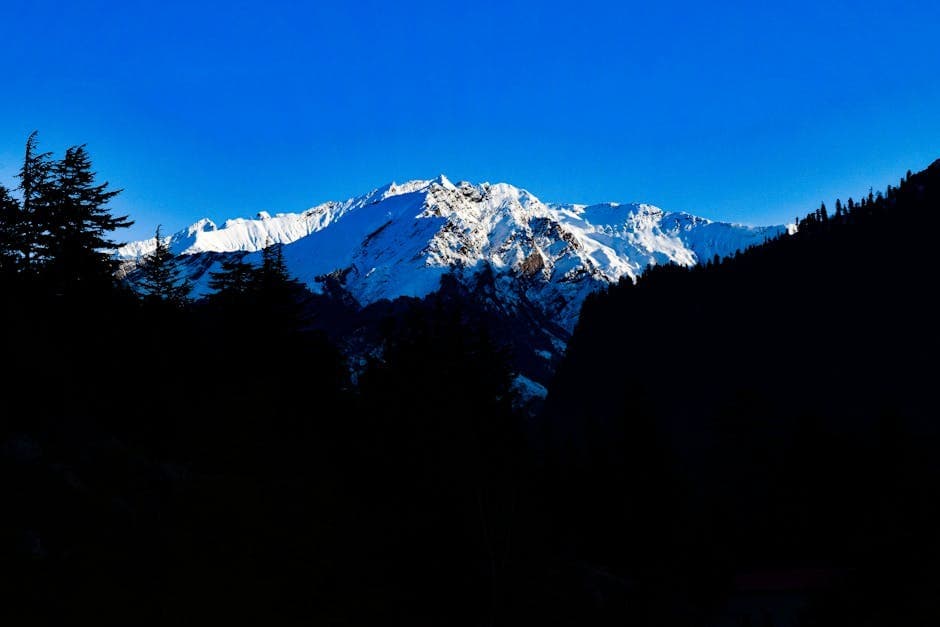
There's a moment on Friendship Peak — somewhere around 4,800 metres, headlamp cutting through pre-dawn darkness, crampons biting into firm snow — when the enormity of what you're doing hits you. Behind you, the lights of Manali twinkle far below. Ahead, the summit ridge glows faintly under a canopy of stars. This is the mountain that turns trekkers into mountaineers, and it sits right in the heart of Himachal Pradesh.
Whether you've been daydreaming about your first Himalayan summit or you're a seasoned trekker ready to level up, the Friendship Peak expedition is one of the most rewarding high-altitude adventures India has to offer. Let's break down everything you need to know.
What Is Friendship Peak and Why Does It Matter?
Friendship Peak stands at 5,289 metres (17,352 ft) in the Pir Panjal Range of Himachal Pradesh's Kullu Valley. It rises dramatically above the famous Solang Valley, just a short drive from Manali. What makes it special isn't just the altitude — it's the position.
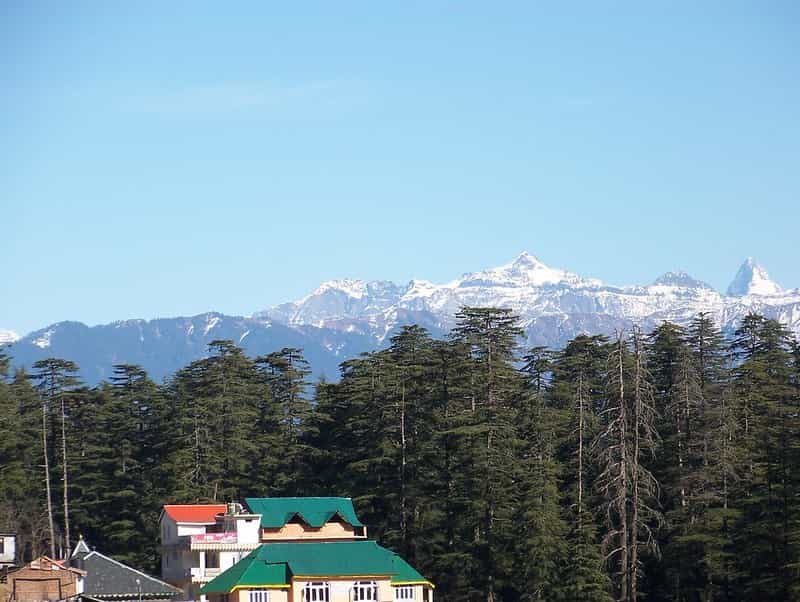
From the summit, you're surrounded by some of the most iconic peaks in the western Himalayas. On a clear day, you can spot Hanuman Tibba, Deo Tibba, Indrasan, Shitidhar, and the Seven Sisters, along with countless unnamed giants of the Dhauladhar range. The panorama stretches from the Greater Himalaya to the north all the way down to the Beas River valley and Manali itself.
But here's what really sets Friendship Peak apart: it has become the definitive bridge between trekking and mountaineering in India. While the Indian Mountaineering Foundation (IMF) classifies it as a "trekking peak," make no mistake — this is a genuine expedition involving glaciers, steep snow slopes, and technical rope work.
The Route: Manali to Summit and Back
The expedition follows a well-established route that typically spans 7–8 days from Manali. Here's how it unfolds:
Day 1: Arrival in Manali (2,050m)
Settle in, explore the town, visit Hadimba Devi Temple or soak in the Vashisht hot springs. Your expedition team will brief you on what lies ahead.
Day 2: Drive to Dhundi (3,150m), Trek to Bakarthach (3,300m)
A scenic one-hour drive through Solang Valley brings you to Dhundi — the last point accessible by vehicle. From here, a gentle 4–5 km trek along the Beas River through pine, walnut, and silver birch forest leads to Bakarthach, a vast alpine meadow that serves as your first camp.
Day 3: Trek to Lady Leg / Base Camp (~3,900–4,300m)
The terrain shifts as you gain altitude — forests give way to moraines and snowfields. You'll catch distant views of Beas Kund and the surrounding glaciers.
Day 4: Acclimatisation & Load Ferry to Summit Camp (~4,200–4,650m)
This crucial day involves carrying gear up to the higher camp and returning to base. You'll practise walking in snow boots and crampons, and learn ice-axe techniques — the "climb high, sleep low" principle that keeps altitude sickness at bay.
Day 5: Move to Summit Camp
A shorter but steeper day. The terrain shifts from rocky moraines to steep snowfields as you establish your final camp before the big push.
Day 6: Summit Day!
The alarm goes off around midnight or 1 AM. You start climbing in freezing darkness, headlamp on, roped up, crampons biting into firm snow. The pre-dawn start is strategic — the snow is hardest and safest before the sun softens it. After 4–5 hours of sustained climbing through 30–40 degree snow slopes, you reach the summit ridge. A final exposed traverse brings you to the top. The entire summit day can take 12–14 hours round-trip.
Day 7–8: Descent to Dhundi, Drive to Manali
Retrace your steps back to civilisation, legs weary but spirit soaring.
Most operators keep a buffer day in case weather forces a postponement of the summit attempt — always build this into your schedule.
Best Time for the Friendship Peak Expedition
Timing is everything on this mountain. The two prime windows are:
- Pre-Monsoon (May–June): Firm snow bridges, longer days, wildflowers below the treeline, and roughly an 80% summit success rate in good conditions. This is the most popular season.
- Post-Monsoon (September–October): Crystal-clear skies, stunning autumn colours, and harder ice that allows for faster ascents. Nights are colder (down to -15°C at the summit), but the views are extraordinary.
Avoid the monsoon months (July–August) due to rockfall risk and unstable conditions, and winter (December–February) when extreme cold and deep powder make the peak accessible only to expert ski-mountaineers.
How Difficult Is It, Really?
Let's be honest: Friendship Peak is not a casual trek. The route involves crossing glaciers, navigating snow slopes of 30–40 degrees, using crampons and ice axes, roping up for exposed sections, and dealing with genuine altitude effects at nearly 5,300 metres.
That said, it's deliberately positioned as an introductory mountaineering expedition. Most guided groups include training days where you learn technical skills on the mountain itself. Around 70% of first-time mountaineers who attempt it with guided groups successfully summit.
Who Should Attempt It?
- Experienced trekkers who've completed high-altitude treks (above 4,000m) like Hampta Pass, Beas Kund trek, or Kedarkantha
- Physically fit individuals who can comfortably walk 6–8 hours on rough terrain
- Anyone looking to transition from trekking to mountaineering
- People training for bigger objectives like Stok Kangri, Kang Yatse II, or 6,000m peaks
Who Should Wait?
Complete beginners with no high-altitude trekking experience, or anyone not in solid cardiovascular shape. Consider a preparatory trek first.
Gear & Equipment Essentials
Most reputable operators provide technical mountaineering gear (snow boots, crampons, ice axes, harnesses, helmets, ropes). You'll typically need to bring:
- Clothing: Thermals, down jacket, fleece layers, windproof shell, insulated gloves, balaclava, UV-protection sunglasses
- Footwear: Sturdy trekking boots for approach days (snow boots provided for summit)
- Accessories: Headlamp with spare batteries, trekking poles, sunscreen (SPF 50+), lip balm, personal first-aid kit
- Backpack: 50–60L rucksack; keep summit-day pack under 8kg
For a full checklist, see our Himachal Pradesh Packing Guide: High-Altitude Trekking vs General Travel.
What Does It Cost?
Expedition costs vary significantly based on operator quality, group size, and inclusions. As of 2026, expect to pay anywhere from ₹25,000 to ₹85,000 per person. Budget operators start around ₹25,000–30,000, while premium outfits with certified guides, better gear, and smaller group ratios charge ₹45,000–85,000.
The price typically covers permits, guides, meals on the trek, camping equipment, and common mountaineering gear. Not usually included: travel to/from Manali, personal gear, travel insurance, and porter charges for personal luggage.
Tip: Don't choose purely on price. Guide-to-client ratio, leader certification, and emergency protocols matter enormously above 5,000 metres.
How to Reach the Starting Point
All roads lead to Manali, which serves as the expedition's base:
- By Air: Fly to Bhuntar Airport (Kullu–Manali), about 50 km from Manali. Alternatively, fly into Chandigarh and drive up.
- By Road: Overnight Volvo buses run regularly from Delhi and Chandigarh. The Delhi–Manali drive is approximately 570 km.
- By Rail: The nearest broad-gauge stations are Chandigarh and Kalka. From there, it's a scenic road journey to Manali.
For detailed options, see our guide on how to reach Himachal Pradesh from major cities in India.
Training & Preparation Tips
Start preparing at least 8–12 weeks before your expedition:
- Cardio base: Run or cycle 45–60 minutes, 4–5 times per week. Aim to complete a 5K run in under 35 minutes.
- Leg & core strength: Squats, lunges, step-ups, and planks — 3 sets of 20, three times weekly.
- Load-bearing hikes: Work up to carrying 12–14 kg on uneven terrain for 5+ hours.
- Altitude prep: If possible, do a high-altitude acclimatisation trek beforehand (Beas Kund or Hampta Pass trek are ideal warm-ups in the same region).
- Flexibility & balance: Yoga helps enormously for snow travel and crampon work.
Permits & Logistics
Friendship Peak requires a mountaineering permit from the Himachal Pradesh government, arranged through the Kullu Division Forest Officer's office. Most expedition operators handle this paperwork for you. Allow 4–6 weeks for processing. Foreign nationals may need additional documentation and IMF clearance.
What to Do Before and After in Himachal
Since you're already in Manali, make the most of your time in Himachal Pradesh:
- Before the expedition: Acclimatise with a day hike to Jogini Waterfall or a drive through Solang Valley
- After the expedition: Relax at Vashisht hot springs, feast on fresh Kullu trout at Café 1947 or Johnson's Bar, and explore Naggar Castle and Nicholas Roerich Art Gallery
- Extended stay: Drive through the Atal Tunnel, Rohtang to explore the moonscapes of Lahaul and Spiti Valley, or head south to the peaceful Tirthan Valley for riverside recovery
Final Thoughts: Is Friendship Peak Worth It?
Absolutely — but go in with your eyes open. This isn't a walk in the park with a flag at the top. It's a genuine mountaineering experience that will teach you rope work, crampon technique, altitude management, and — perhaps most importantly — what you're made of when the air gets thin and the slope gets steep.
The bonds forged on this mountain are real (the name isn't accidental). Strangers who rope up together at midnight tend to come down as friends. And for many, Friendship Peak is just the beginning — a launchpad to bigger, bolder Himalayan dreams. For more inspiration on where to go next, explore the best trekking routes in Himachal: 7 epic Himalayan adventures.
Ready to take the leap? Start training today, book with a reputable operator, and let Himachal Pradesh's most beloved summit show you what the mountains are all about.
Leave a Comment
Explore Himachal
Ready to plan your trip? Check out our complete travel guide and packages.