Hazratbal Shrine: History, Significance & Visitor Guide for Kashmir
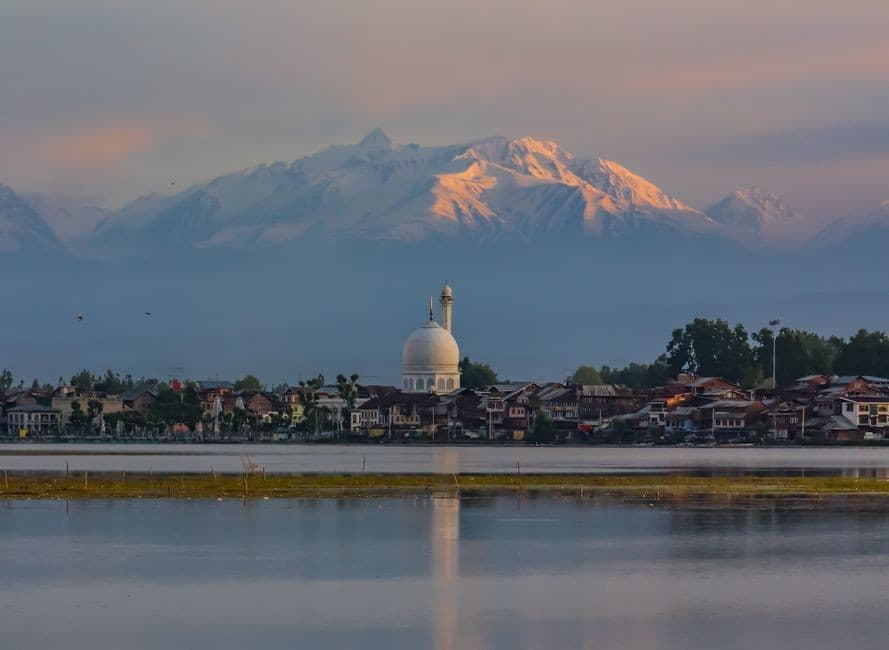
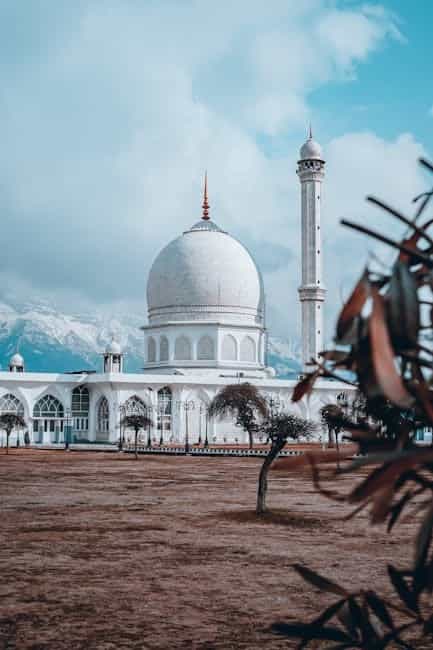
Picture a gleaming white marble dome reflected in the still waters of Dal Lake, framed by the snow-dusted Zabarwan range and the rustle of ancient chinar trees. This is Hazratbal Shrine—Kashmir's most revered Islamic sanctuary and one of Srinagar's most iconic landmarks. Whether you arrive by road through the city's winding lanes or glide in on a shikara across the lake, the first glimpse of this luminous structure is nothing short of breathtaking.
For travelers exploring Kashmir's cultural and spiritual heritage, Hazratbal is far more than a photo opportunity. It is a living place of faith, a repository of centuries-old history, and a window into the soul of the valley. Here's everything you need to know before you visit.
The Meaning Behind the Name
The name Hazratbal carries its significance on its sleeve. It combines the Arabic word Hazrat, meaning "respected" or "holy," with the Kashmiri word bal, meaning "place." Together, they translate simply to "the holy place"—a fitting title for what many consider the holiest Islamic shrine in all of Kashmir. The shrine is also known by other names, including Assar-e-Sharief, Dargah Sharif, and Madinat-us-Sani.
A Journey Through History
From Pleasure Palace to Prayer Hall
The story of Hazratbal begins not with prayer, but with pleasure. In 1623, Sadiq Khan—the Subedar (governor) of Mughal Emperor Shah Jahan—built an elegant structure called Ishrat Mahal (Pleasure House) on the northern shore of Dal Lake, complete with manicured gardens. However, when Shah Jahan himself visited in 1634, he ordered the palace converted into a place of worship, setting the stage for what would become one of Kashmir's most sacred sites.
The Arrival of the Sacred Relic
The shrine's extraordinary spiritual importance stems from a single artifact: the Moi-e-Muqaddas, a relic believed to be a hair strand of the Prophet Muhammad. The relic's journey to Kashmir is a remarkable tale in itself.
It was first brought to India by Syed Abdullah, described as a descendant of the Prophet, who left Medina and settled near Bijapur in southern India around 1635. After his death, the relic passed to his descendants. When the family fell on hard times, a wealthy Kashmiri merchant named Khwaja Nur-ud-Din Eshai acquired it.
Mughal Emperor Aurangzeb, upon learning of the relic's existence, seized it and had it sent to the shrine of Khwaja Moinuddin Chishti in Ajmer, while Eshai was imprisoned in Delhi. According to traditional accounts, Aurangzeb later reversed his decision—some say after a profound dream—and permitted the relic's return to Kashmir. Tragically, Eshai had already died in prison. By around 1700, the relic reached Kashmir along with Eshai's remains, and his daughter, Inayat Begum, became its custodian and established the Hazratbal Shrine.
The 1963 Relic Disappearance
One of the most dramatic chapters in the shrine's history unfolded in December 1963, when the Moi-e-Muqaddas was reported missing. The disappearance triggered massive protests across Jammu and Kashmir. Prime Minister Jawaharlal Nehru addressed the nation, and the CBI was dispatched to investigate. The relic was recovered on 4 January 1964 and authenticated by its caretakers and government investigators. A public viewing was held on 6 February 1964, restoring calm to the valley.
The Modern Structure
The white marble shrine visitors see today is a 20th-century reconstruction. Construction began in 1968 under the supervision of Sheikh Mohammad Abdullah and the Muslim Auqaf Trust, and was completed in 1979 after eleven years of work. It is the only domed mosque in Srinagar, and its gleaming marble facade has since become an inseparable part of the city's skyline.
Architecture: Where Mughal Grandeur Meets Kashmiri Craft
Hazratbal is a visual feast that blends multiple architectural traditions into one harmonious whole. The shrine's white marble exterior with its elegant dome and tall minaret reflects strong Mughal and Persian influences, while the interiors reveal Kashmir's own artistic heritage.
Inside, visitors will find Persian calligraphy and geometric motifs adorning the walls, alongside exquisite khatamband (traditional Kashmiri wood-carved ceilings) featuring intricate floral and geometric patterns. Beautiful chandeliers, rich carpets, and a spacious courtyard complete the picture. The wooden lattice work (jali) on surrounding structures further showcases the valley's celebrated woodcraft traditions.
The overall effect—especially when the marble catches the golden light of a Kashmiri sunrise or sunset—is genuinely unforgettable.
Spiritual Significance and Festivals
For Muslims in Kashmir and beyond, Hazratbal is a place of deep reverence. The Moi-e-Muqaddas is not on permanent public display; instead, it is shown to devotees on special Islamic occasions such as:
- Milad-un-Nabi (the Prophet's birthday)
- Shab-e-Meraj (commemorating the Prophet's night journey)
- Birthdays of the four Rashidun caliphs
During these events, thousands of devotees converge on the shrine from across the valley and beyond, creating an atmosphere of intense devotion and communal prayer. The relic is displayed by the nishandeh—the eldest male heirs of the custodial Banday family, who trace their lineage back to Inayat Begum.
Even on ordinary Fridays, the shrine fills with worshippers for Jumu'ah (congregational prayers), lending it a vibrant, living energy that sets it apart from static heritage sites.
Practical Visitor Information
Location and How to Reach
Hazratbal Shrine sits on the northern shore of Dal Lake in Srinagar, opposite the University of Kashmir campus. It is approximately 10–12 km from Srinagar city center and about 25 km from Srinagar International Airport (SXR).
- By road: Taxis, auto-rickshaws, and local buses connect the shrine to the rest of Srinagar.
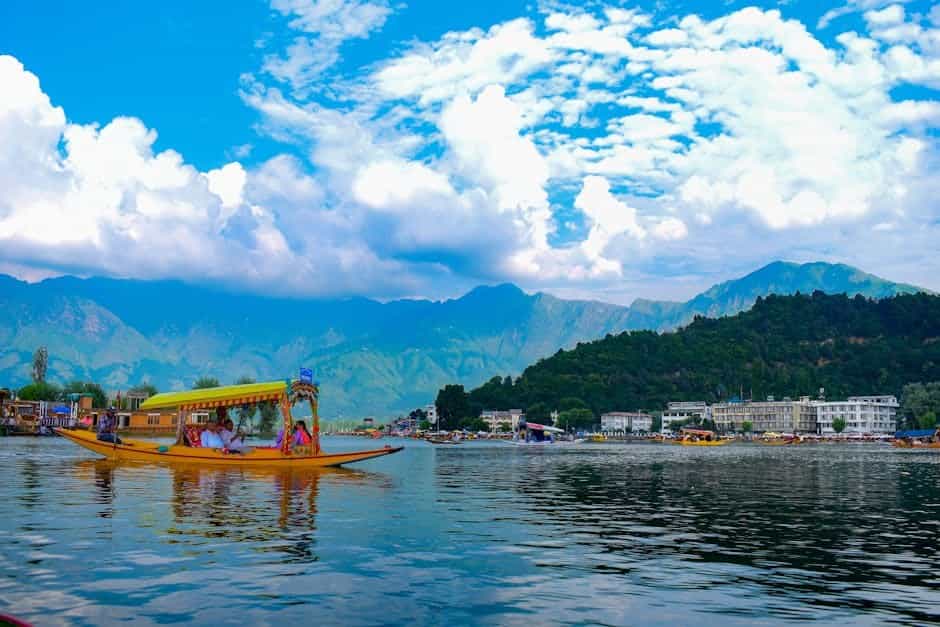
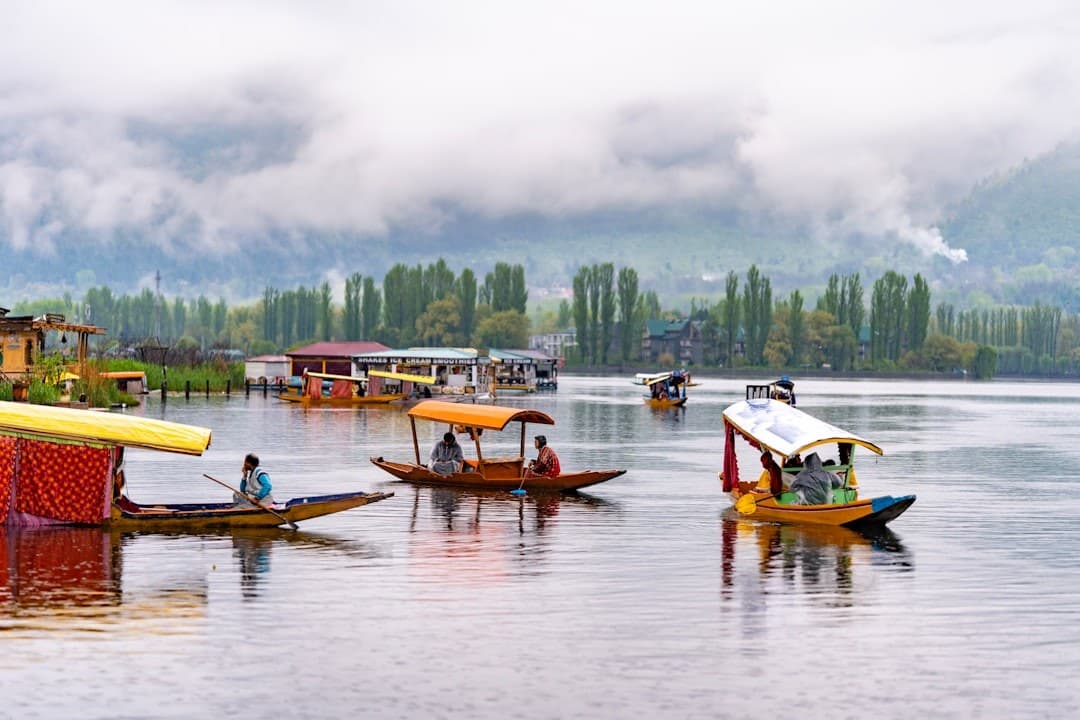
- By shikara: A scenic boat ride across Dal Lake is a memorable way to arrive—and arguably the most beautiful approach.
Timings and Entry
- General visiting hours: The shrine is generally open from early morning (pre-dawn Fajr prayers) through late evening (after Isha). For sightseeing, 9:00 AM–5:00 PM is the most comfortable window.
- Entry fee: There is no entry fee. The shrine is open to all visitors free of charge.
- Non-Muslim visitors: Yes, non-Muslims are welcome. While entry to the inner sanctum may be restricted, the courtyard and exterior areas are accessible to everyone.
Dress Code and Etiquette
- Dress modestly—cover your arms and legs, and women should carry a headscarf.
- Remove your shoes before entering the shrine.
- Photography is permitted in the courtyard but not inside the prayer hall.
- Maintain silence and respectful conduct within the premises.
- Keep the area clean and avoid littering.
Best Time to Visit
The shrine is beautiful year-round, but spring (April–June) and autumn (September–November) offer the most pleasant weather for exploring. If you wish to witness the display of the sacred relic, plan your visit around key Islamic festivals—check local calendars as dates shift annually. For a broader overview of when to plan your trip, see our best time to visit Kashmir guide.
How Long to Spend
Allow 45–60 minutes for a peaceful visit. Linger longer if you wish to sit by the lakefront, soak in the atmosphere, and perhaps sample halwa paratha or saffron kahwa from the small eateries and tea stalls nearby.
Nearby Attractions to Pair with Your Visit
Hazratbal's location makes it easy to combine with other Srinagar highlights:
- Dal Lake: Shikara ride on Dal Lake, floating gardens, and stay overnight on a houseboat—right at the shrine's doorstep.
- Nishat Bagh Mughal Garden & Shalimar Bagh Mughal Garden: Stunning Mughal gardens with terraced lawns and Zabarwan views, a short drive along the lake.
- Shankaracharya Temple (Jyeshteshwara) & Pari Mahal: Hilltop panoramas overlooking the city and lake.
- Old Srinagar: Zaina Kadal bazaars, historic wooden mosques, copperware workshops, and khatamband ceilings.
- Nigeen Lake: A quieter alternative to Dal, with boutique houseboats and serene waters.
Insider Tips for a Memorable Visit
- Arrive mid-morning on a weekday to avoid the crowds that gather during Friday prayers and festivals.
- Take a shikara from Dal Lake for the most photogenic approach—the white dome rising above the water is a sight you'll remember.
- Carry cash for local vendors, tea stalls, and small bakeries near the shrine; UPI works in Srinagar but may not be accepted everywhere.
- Combine with a lakeside walk: The promenade along the northern shore of Dal Lake near Hazratbal is perfect for quiet reflection and photography.
- Check local advisories if visiting during major Islamic festivals, as crowds can be very large and access may be managed.
- Postpaid mobile connections work best across Srinagar; download offline maps before heading out, as data can be patchy.
Final Thoughts
Hazratbal Shrine is one of those rare places where history, spirituality, architecture, and natural beauty converge into a single, deeply moving experience. Whether you're a pilgrim seeking blessings, a history enthusiast tracing Mughal-era Kashmir, or a traveler simply drawn to beautiful, meaningful places, this serene white sanctuary on the shores of Dal Lake deserves a place on your Kashmir itinerary.
Visit with an open heart, respect local customs, and give yourself the time to simply sit, breathe, and absorb. In a valley famous for its dreamlike beauty, Hazratbal is where Kashmir's soul quietly reveals itself.
Leave a Comment
Explore Kashmir
Ready to plan your trip? Check out our complete travel guide and packages.