Himachal Pradesh Buddhist Heritage: Guide to Monasteries & Gompas
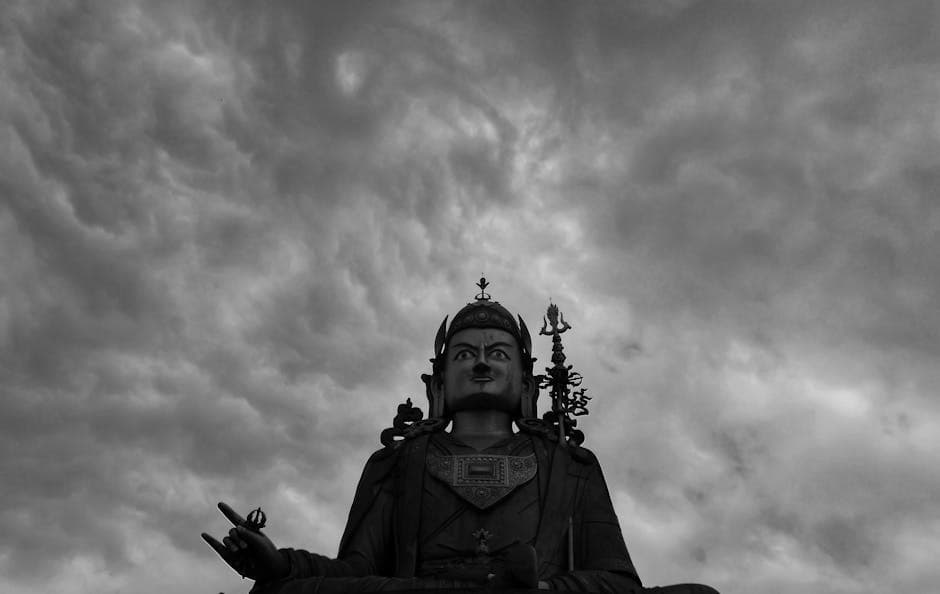
There's a moment—somewhere between the flutter of prayer flags and the low hum of a monk's chant—when Himachal Pradesh stops being just a mountain holiday and becomes something deeper. Cradled by snow-fringed peaks and cedar forests, this Himalayan state guards one of the richest Buddhist heritage corridors in all of Asia. From the high-altitude desert gompas of Spiti Valley to the Tibetan exile community thriving in Dharamshala, Himachal's Buddhist legacy stretches back over a thousand years and is very much alive today.
Whether you're a spiritual seeker, a history buff, or simply a traveller drawn to remote beauty, this guide will walk you through the must-visit monasteries, gompas, and stupas across Himachal Pradesh—plus practical tips to help you plan the journey.
The Roots of Buddhism in Himachal Pradesh
Himachal's Buddhist story begins with Guru Padmasambhava (Guru Rinpoche), the legendary teacher who spread Mahayana Buddhism into Tibet. According to tradition, he meditated at Rewalsar Lake near Mandi before setting out on his mission—making it one of the most sacred Buddhist spots in the state.
Centuries later, the great scholar-translator Rinchen Zangpo (958–1055 CE) revitalised Buddhism across the trans-Himalayan region. Commissioned by the Tibetan King Yeshe-Ö of Guge, Zangpo is credited with building 108 monasteries in Lahaul, Spiti, and Kinnaur—engaging Kashmiri artists who created exquisite wall paintings and sculptures. Only a handful survive today, but those that do—Tabo, Lhalung, Nako—rank among the finest examples of Indo-Tibetan Buddhist art anywhere.
Top Monasteries & Gompas to Visit
1. Tabo Monastery — The "Ajanta of the Himalayas" (Spiti Valley)
Founded in 996 CE by Rinchen Zangpo, Tabo Monastery is the oldest continuously operating Buddhist enclave in India and the Himalayas. Spread over 6,300 square metres, the complex contains nine temples, four stupas, and 23 chortens, plus meditation caves carved into the cliff above the village. Its mud-brick walls shelter millennium-old murals, thangka scroll paintings, and stucco statues so remarkable that the complex is often compared to the Ajanta Caves. The site is protected by the Archaeological Survey of India and has been nominated for UNESCO World Heritage status. The 14th Dalai Lama held Kalachakra ceremonies here in 1983 and 1996.
Insider tip: Photography is prohibited inside the old temples. Carry a torch—the interiors aren't fully lit—and ask a resident monk to guide you through the complex for the full story.
2. Key (Kye) Monastery — Spiti's Fortress in the Sky
Perched at 4,166 metres on a conical hilltop overlooking the Spiti River, Key Monastery (Kye Gompa) is the largest and most iconic gompa in the valley. It belongs to the Gelugpa (Yellow Hat) sect and today houses over 250 monks receiving formal monastic education. What makes Key visually extraordinary is its layered, fortress-like architecture—the result of being attacked, damaged by earthquakes, and rebuilt multiple times over nearly a millennium. Inside, you'll find ancient murals, sacred thangkas, rare manuscripts, and a collection of historic weapons once used to ward off invaders.
Don't miss: The annual Cham Dance Festival (June–July), when monks perform masked ritual dances celebrating the triumph of good over evil. Sunrise here, with the monastery glowing gold against barren peaks, is one of Himachal's most photographed moments.
3. Namgyal Monastery — Little Lhasa's Spiritual Heart (McLeod Ganj)
Often called the "Dalai Lama's Temple," Namgyal Monastery and Tibetan Museum is the personal monastery of the 14th Dalai Lama and the largest Tibetan temple outside Tibet. Originally founded in the 16th century in Lhasa, it was re-established in Dharamshala after 1959. The complex includes the Tsuglagkhang Complex (Dalai Lama Temple), the Tibet Museum, and the Dalai Lama's residence. Around 200 monks study and practise here, and visitors are welcome to observe daily prayers, spin prayer wheels along the peaceful kora (circumambulation path), and—with luck—attend public teachings by His Holiness.
Practical note: There's no entry fee. The monastery is easily accessible from McLeod Ganj's main square. Check the official schedule for teaching dates.
4. Dhankar Monastery — The Endangered Cliff Fortress (Spiti Valley)
Clinging to a crumbling cliff at 3,894 metres above the confluence of the Spiti and Pin rivers, Dhankar Monastery is one of the most dramatically situated monasteries in the world. It was once the capital of the Spiti kingdom and has been listed among the 100 most endangered monuments globally. The old gompa houses centuries-old thangkas, Buddhist murals, and a striking Dhyan Buddha statue. A new monastery has been built nearby to continue the community's spiritual life.
5. Kardang Monastery — Lahaul's Largest Gompa
Situated on the left bank of the Bhaga River above Kardang village, this monastery was originally erected around 900 CE and renovated in 1912 by Lama Norbu. It's the biggest and most popular monastery in Lahaul, housing an enormous prayer drum inscribed with the sacred mantra Om Mani Padme Hum a million times. Every June–July, the monastery comes alive with the spectacular Cham (masked devil dance), drawing visitors from across the region.
6. Kungri Monastery — Pin Valley's Tantric Gem
Spiti's second-oldest monastery, Kungri was built around 1330 CE and belongs to the Nyingma (oldest) sect of Tibetan Buddhism. Located in the stunning Pin Valley National Park, it provides unmistakable evidence of tantric Buddhist practice and has recently undergone renovation with international support.
7. Rewalsar — Where Padmasambhava's Journey Began (Mandi)
Rewalsar Lake, about 20 km from Mandi, is perhaps the most sacred Buddhist spot in Himachal Pradesh. Three monasteries stand on its shores—an ancient Nyingmapa Monastery, the Drigung Kagyu Monastery, and the Tso-Pema Ogyen Heru-kai Nyingmapa Gompa. Legend holds that floating reed islands on the lake carry the spirit of Padmasambhava. The Tsechu fair, commemorating his birthday, draws thousands of pilgrims.
The Buddhist Circuit: A Suggested Route
Himachal Tourism has mapped out an official Buddhist Circuit that connects the state's key spiritual sites. Here's a practical way to follow it:
- Dharamshala & McLeod Ganj — Namgyal Monastery, Tsuglagkhang, Tibetan markets
- Bir Billing — Tibetan settlements with Nyingma, Kagyu, and Sakya monasteries
- Rewalsar (Mandi) — Sacred lake and three monasteries
- Manali → Rohtang Pass/Atal Tunnel, Rohtang → Lahaul — Kardang, Tayul, Shashur, and Guru Ghantal gompas near Keylong
- Kunzum Pass → Spiti Valley — Key, Tabo, Dhankar, Kungri, and the high-altitude villages of Langza, Hikkim, and Komik
- Kinnaur Region — Nako's Lotsaba Monastery, Kalpa, and Sangla Valley (Baspa Valley)
Allow at least 10–14 days for the full circuit. Shorter loops (e.g., Manali–Spiti–Manali or Shimla–Kinnaur–Spiti) work in 7–8 days.
Best Time to Visit
- May–June & September–October are ideal. Roads to Spiti and Lahaul are open, skies are clear, and temperatures are manageable (10–25°C in the valleys).
- July–August works for Spiti (it lies in a rain shadow and stays mostly dry), though lower Kinnaur can see monsoon disruptions.
- Winter (November–April): Most high passes close. Spiti becomes snowbound and accessible only to seasoned winter travellers.
- Festival season: Plan for June–July to catch the Cham dances at Key, Kardang, and Shashur monasteries, or visit during Losar (Tibetan New Year, February) in McLeod Ganj. For a full overview of when to plan your trip, see our Best Time to Visit Himachal Pradesh: Your Complete Seasonal Guide 2026.
Practical Tips for Monastery Visitors
- Dress modestly. Cover shoulders and knees when entering prayer halls.
- Remove shoes before stepping inside temples.
- Walk clockwise around stupas, prayer wheels, and monastery buildings—this follows Buddhist tradition.
- Ask before photographing. Many old temples prohibit photography to protect fragile murals. Respect the rules.
- Carry cash. Remote monasteries don't have card machines. Small donations help maintain these ancient sites.
- Acclimatise. Key, Dhankar, and Tabo sit above 3,000 m. Spend a day in Kaza before pushing higher to avoid altitude sickness.
- Greet locals warmly. A simple "Julley" (hello/thank you in the local dialect) goes a long way in Spiti.
- Inner Line Permits are mandatory for foreign nationals visiting Spiti and Kinnaur. These can be obtained in Shimla, Manali, Reckong Peo, or Kaza.
Getting There
- By Air: Fly into Chandigarh (IXC) or Kullu-Bhuntar (KUU) for Spiti; Kangra-Gaggal (DHM) for Dharamshala.
- By Road: HRTC and private buses connect Delhi and Chandigarh to Shimla, Manali, and Dharamshala. From Manali or Shimla, shared taxis and buses reach Kaza in 10–12 hours (seasonal). For full details, see our guide on how to reach Himachal Pradesh from major cities in India.
- By Rail: Take the Ride the Kalka–Shimla Toy Train (UNESCO Heritage) for a scenic start, then continue by road into the interior valleys.
Final Thoughts
Himachal Pradesh's Buddhist heritage isn't locked behind museum glass—it breathes in the chanting of monks at dawn, in the crumbling murals of a thousand-year-old gompa, in the kindness of a village elder offering butter tea. Whether you spend a contemplative morning at Tabo, watch the sunrise paint Key Monastery gold, or join the kora around Namgyal in McLeod Ganj, you'll find that these sacred spaces offer something increasingly rare: genuine stillness.
Pack your layers, charge your camera (but know when to put it away), and let the prayer flags guide you. Himachal's monasteries have been waiting a millennium—they'll be ready when you arrive.
Leave a Comment
Explore Himachal
Ready to plan your trip? Check out our complete travel guide and packages.