Saga Dawa Festival in Sikkim – The Most Sacred Buddhist Celebration
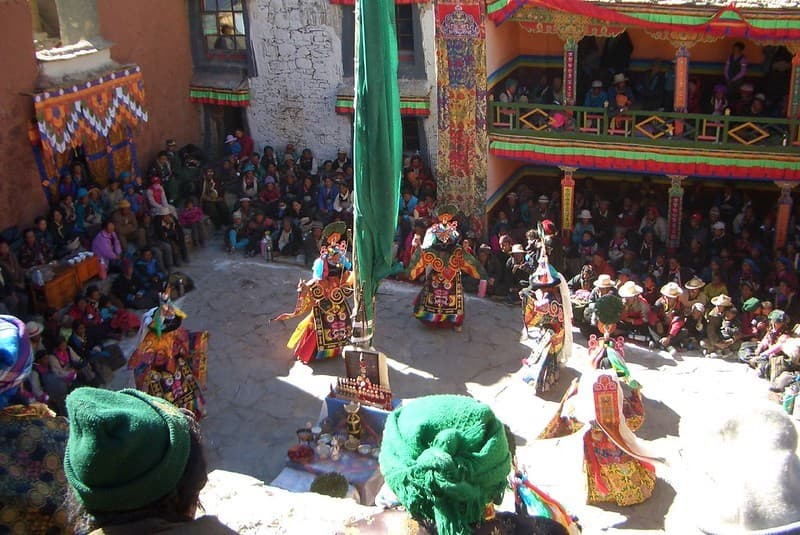
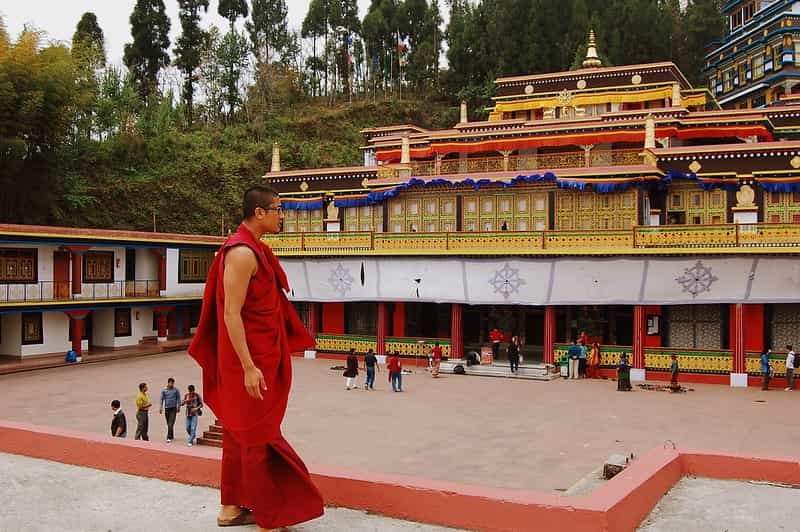
There are moments in travel when you stop being a spectator and become part of something ancient and alive. Saga Dawa in Sikkim is one of those moments. As monks in crimson robes carry sacred scriptures through the misty streets of Gangtok, chanting Om Mani Padme Hum to the low drone of dungchen horns, the entire Himalayan state seems to pause, breathe, and turn inward. If you have ever wanted to witness Buddhism not as a museum exhibit but as a living, breathing practice, this is the festival — and Sikkim is the place.
What Is Saga Dawa?
Saga Dawa is the holiest month in the Tibetan Buddhist calendar. The name itself is a clue: Saga means "fourth" and Dawa means "month" in Tibetan, placing the festival in the fourth lunar month — typically May or June on the Gregorian calendar. It commemorates the three most pivotal events in the life of Gautama Buddha — his birth, his enlightenment under the Bodhi tree, and his parinirvana (passing into final nirvana) — all believed to have occurred on the same full-moon day.
The climactic day of the month-long observance is called Saga Dawa Düchen. In 2026, this principal day falls on Sunday, 31 May, with the full sacred month running from approximately 16 May to 14 June. It is sometimes called the Bumgyur Dawa — the "month of multiplication" — because Buddhists believe any virtuous act performed during this period generates vastly multiplied karmic merit.
Notably, 2026 is also the Year of the Horse in the Tibetan calendar, making it an especially auspicious year for pilgrimages and merit-making.
Why Sikkim Is the Perfect Place to Experience Saga Dawa
Sikkim observes Saga Dawa as a public state holiday, and the celebrations in Gangtok are among the most accessible in India for travellers. Unlike the remote pilgrimages of western Tibet or the restricted monasteries of Lhasa, Sikkim welcomes visitors warmly into its festivities.
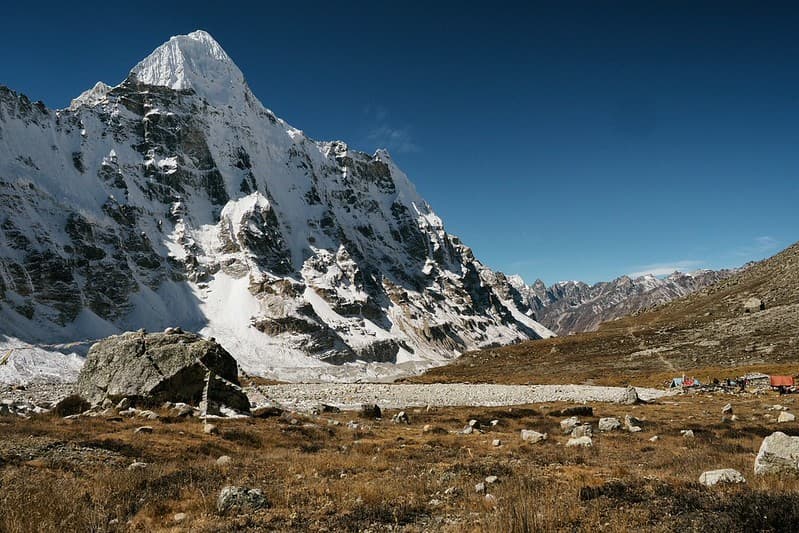
This tiny Himalayan state — cradled by snow peaks and rhododendron forests, with the five-summited massif of Khangchendzonga as its guardian mountain — has been a bastion of Tibetan Buddhism for centuries. Its monasteries are not just architectural marvels; they are living centres of learning and spiritual practice. During Saga Dawa, that spiritual pulse beats louder than at any other time of year.
The Grand Procession Through Gangtok
The undisputed highlight of Saga Dawa in Sikkim is the grand procession through the streets of Gangtok on Düchen day. The pageant begins at the Tsuklakhang Monastery — the Royal Chapel inside the former palace complex near the Ridge — where hundreds of monks gather before dawn.
Monks carry the Kangyur, the 108-volume collection of Buddha's direct teachings, along with thangka scroll paintings, portraits, and statues of Lord Buddha through the city streets. The procession features traditional Sikkimese music, the resonant blast of long dungchen horns, and the rhythmic chanting of hymns. Devotees follow, spinning prayer wheels, carrying butter lamps and incense, and reciting prayers.
People line the streets to touch their heads to the holy scriptures as they pass — a gesture of receiving blessings. It is, as many visitors describe it, a soul-stirring spectacle that feels both grand and deeply intimate.
Key Rituals and How to Participate
Saga Dawa is a participatory festival, not a performative one. If you visit a monastery in Gangtok during the celebrations, locals will gently invite you to join the kora (circumambulation), accept tea, and add a butter lamp to the shrine. Here are the core rituals you can witness and join:
Kora (Circumambulation)
Pilgrims walk clockwise around stupas, monasteries, and sacred sites while reciting mantras. In Gangtok, devotees circle the Tsuklakhang Monastery and the Do-drul Chorten, where you will see hundreds of people spinning prayer wheels and whispering mantras.
Insider tip: Join the dawn kora between 5:30 AM and 7:00 AM for the most meditative experience before the crowds arrive.
Butter-Lamp Offerings
Lighting butter lamps (chöme) is one of the most cherished rituals — each flickering flame symbolises the dispelling of ignorance with the light of wisdom. Monasteries glow with thousands of lamps, especially around Rumtek Monastery's Golden Stupa.
Tsethar (Releasing Captive Animals)
Communities buy and release captive birds and fish as a symbolic act of compassion — a practice called Tsethar that embodies the Buddhist commitment to non-violence toward all sentient beings.
Alms-Giving and Charity
Locals offer food, money, clothes, and essential items to monks and the needy. The spirit of generosity is so central that Saga Dawa is sometimes called "Poor Man's Day" in Sikkim.
Sacred Dances (Cham)
Lamas perform the traditional Cham dance in vibrant costumes, enacting episodes from Buddha's life. These masked dances are mesmerising windows into Vajrayana Buddhist storytelling.
Where to Witness Saga Dawa in Sikkim
While the festival is observed statewide, these are the key venues:
- Tsuklakhang Palace Monastery, Gangtok — The principal venue and starting point of the grand procession. Entry is free (donations welcomed), and the monastery opens around 7:00 AM on Düchen day.
- Rumtek Monastery — Sikkim's largest monastery and an important seat of the Karma Kagyu lineage. It organises grand processions and lights thousands of butter lamps around its Golden Stupa.
- Pemayangtse Monastery, Pelling — One of Sikkim's oldest monasteries, with elaborate prayer ceremonies during the sacred month.
- Tashiding Monastery, West Sikkim — A revered hilltop monastery where monks perform pujas, chanting, and Gur Bum readings (100,000 prayers).
- Enchey Monastery, Gangtok — A smaller but atmospheric venue for witnessing intimate rituals.
Practical Tips for Visitors
When to Go
Saga Dawa Düchen 2026 falls on 31 May. Arrive a day or two early to soak in the build-up — monasteries begin rituals and scripture readings well before the main day. The sacred month extends roughly from 16 May to 14 June, so even if you miss Düchen, you will find heightened spiritual activity throughout.
What to Wear
- Dress modestly: Cover your shoulders and knees when visiting monasteries. Avoid shorts, sleeveless tops, and revealing outfits.
- Comfortable shoes are essential — you will walk a lot during circumambulations and processions.
- Layers: Gangtok in late May averages 15–22°C, but mornings can be cool, especially at dawn kora.
Getting There
Gangtok is the central hub. Fly into Bagdogra Airport (IXB) in Siliguri, West Bengal, and drive approximately 4–5 hours to Gangtok. The nearest major railhead is New Jalpaiguri (NJP), about 120 km from Gangtok. Shared jeeps and taxis are the workhorses of Sikkim travel and connect all major towns.
Etiquette
- Ask before photographing sensitive rituals. Avoid flash photography inside monasteries.
- Walk clockwise around stupas and prayer wheels — always follow the flow.
- Try going vegetarian for the day. Many locals adopt vegetarian diets during the entire month. Sample local veg dishes like thukpa, gyathuk, and gundruk soup.
- Participate respectfully: Spin a prayer wheel, light a butter lamp, or offer a small donation. Locals genuinely appreciate visitors who engage with the spirit of the festival.
Where to Stay
Book accommodation well in advance — Saga Dawa attracts pilgrims and visitors from across the Buddhist world. Gangtok offers options ranging from heritage hotels like The Elgin Nor-Khill and luxury properties like MAYFAIR Spa Resort & Casino to cosy guesthouses near MG Marg. For a monastery-adjacent experience, consider staying near Rumtek.
Combine Saga Dawa with a Wider Sikkim Itinerary
Since Saga Dawa falls in late May — squarely in Sikkim's prime season — it is the perfect anchor for a broader trip. Pair the festival with:
- A visit to Tsomgo (Changu) Lake, the turquoise glacial lake at 3,753 m, just 40 km from Gangtok.
- The Chenrezig Skywalk and Rabdentse ruins loop in Pelling.
- A trek to Goecha La for that legendary golden sunrise over Khangchendzonga.
- Tea tasting at Temi Tea Garden, Sikkim's only estate, where organic leaves grow on emerald slopes.
- An evening stroll along MG Marg, Gangtok's pedestrian-only boulevard, for local cafés, handicrafts, and mountain views.
Final Thoughts
Saga Dawa is not a festival you merely watch — it is one you feel. The scent of juniper incense, the low hum of a thousand mantras, the warm glow of butter lamps against ancient monastery walls, the quiet generosity of strangers offering tea and blessings — these are experiences that stay with you long after you leave Sikkim's misty ridges.
Whether you are a spiritual seeker, a culture enthusiast, or simply a curious traveller looking for something deeper, timing your Sikkim visit to coincide with Saga Dawa will transform an already extraordinary destination into something truly transcendent. Start planning now — book your stays early, arrange your permits, and prepare to witness one of Buddhism's most sacred celebrations in one of India's most beautiful states.
Leave a Comment
Explore Sikkim
Ready to plan your trip? Check out our complete travel guide and packages.