Visa & Entry Requirements for International Tourists Visiting Kashmir
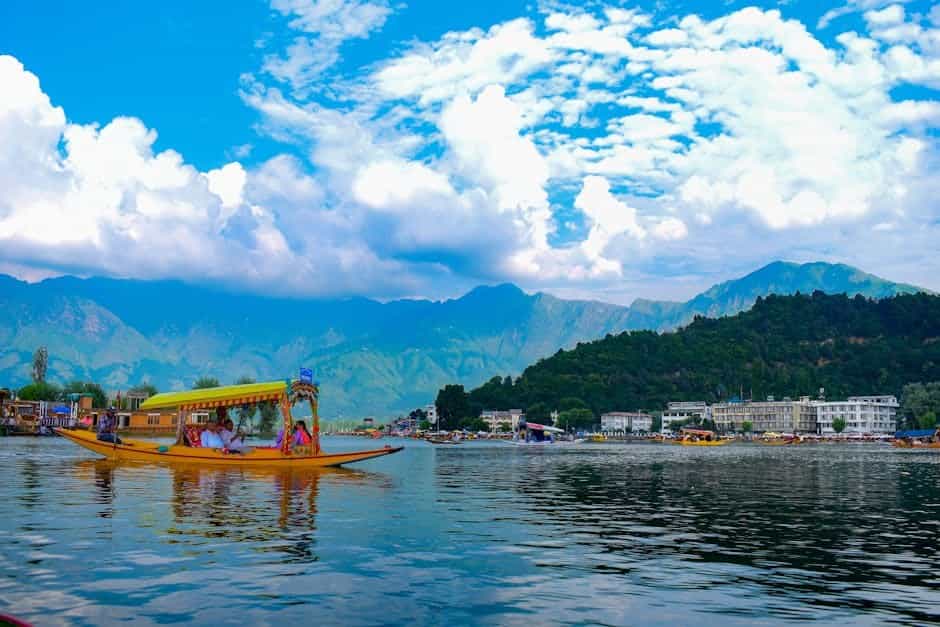
Picture this: you're gliding across Dal Lake on a shikara at sunrise, the Zabarwan hills glowing amber behind a canopy of chinar trees. Kashmir—India's fabled "Paradise on Earth"—is calling, and the good news is that getting there as an international tourist is more straightforward than you might think. But there are some important visa, entry, and registration rules you need to nail down before you book that flight.
This guide covers everything a foreign visitor needs to know about entering Kashmir in 2026—from visa types and entry points to local registration, restricted-area permits, and practical on-the-ground tips.
Do You Need a Visa to Visit Kashmir?
Yes. Kashmir is part of India, and all foreign nationals entering India are required to possess a valid international travel document in the form of a national passport with a valid visa from an Indian Mission/Post or an eVisa from the Bureau of Immigration, Ministry of Home Affairs.
There is no separate Kashmir visa. There are no special restrictions for domestic travelers visiting major destinations, and foreign tourists can travel freely with valid documentation. Your standard Indian tourist visa covers your entire Kashmir itinerary—Srinagar, Gulmarg, Pahalgam, Sonamarg, and beyond.
Indian e-Tourist Visa: The Easiest Route
For most nationalities, the e-Tourist Visa (e-TV) is the fastest and most convenient option. The India e-Tourist Visa lets travellers from 166 eligible nationalities visit India for tourism, visiting family, short yoga courses, or medical treatment without ever setting foot in an embassy.
e-Tourist Visa Options at a Glance
| Type | Validity | Entries | Fee (approx.) |
|---|---|---|---|
| 30-day e-TV | 30 days from arrival | Double entry | $10 (Apr–Jun) / $25 (Jul–Mar) |
| 1-year e-TV | 365 days from ETA grant | Multiple entry | $40 |
| 5-year e-TV | 5 years from ETA grant | Multiple entry | $80 |
Note: Bank transaction charges of 3% will be charged additionally on applicable e-Visa fees. Fees vary by nationality—check the official portal for your country's rate.
Key Stay Limits
Travelers from the United States, the UK, Canada, and Japan can stay up to 180 days continuously per visit on the 1-year and 5-year visas, while many other nationalities are limited to 90 days continuously per visit. India caps total tourist presence across e-Tourist and paper tourist visas at 180 days per calendar year.
How to Apply
- Visit the official portal at indianvisaonline.gov.in
- Fill in the e-Visa application form, upload required documents including a recent front-facing photograph and a scanned PDF of your passport's photo page, and pay the visa fee online
- Your passport will need to be valid for at least 6 months from the date of arrival in India, and there should be at least 2 blank pages for stamping
- Processing typically takes up to 72 hours, though some travellers report longer waits during peak periods
- Print your approved ETA and carry it when you travel
Pro tip: You should apply at least 4 days before travel. The 1-year and 5-year tourist visas can be applied for up to 120 days in advance, while the 30-day tourist visa can be applied for up to 30 days in advance.
The New e-Arrival Card (Mandatory from April 2026)
Here's something many travelers miss: the Indian government has introduced a new system called the India E-Arrival Card, which is mandatory from April 1, 2026 for foreign visitors. This replaces the old paper disembarkation form.
Foreigners and OCI Card holders can complete and submit the e-Arrival card online within 72 hours before their arrival in India at boi.gov.in or indianvisaonline.gov.in, or via the official Indian Visa Su-Swagatam mobile app. You will need your passport details, flight details, purpose of visit, address in India, contact number, and email.
Getting to Kashmir: Entry Points That Matter
This is a crucial detail that catches many first-time visitors off guard. Srinagar International Airport (SXR) is not a designated e-Visa entry point for India. Persons holding e-Visa will be allowed to enter into India only through designated international airports—the list of 33 airports includes Delhi, Mumbai, Bengaluru, Amritsar, and Chandigarh, but not Srinagar.
So how do you get to Kashmir?
- Fly into Delhi (DEL) or another designated airport → clear immigration there → catch a domestic flight to Srinagar (~90 minutes from Delhi)
- Your port of entry will be Delhi; all entry formalities at Delhi; Delhi to Srinagar would be a domestic flight
- If you hold a regular paper visa (obtained from an Indian embassy), you may have more flexibility, but the practical route remains the same for most travelers
Good to know: Srinagar is listed as an authorized exit point, so you can depart India from SXR even if you entered elsewhere.
Registration & Documentation in Kashmir
Foreigners Registration at Srinagar Airport
Upon arriving at SXR Airport, all foreigners, including Non-Resident Indians (NRIs), are required to report to the Foreigners Registration Unit and complete a mandatory registration process, including filling in Form "C" and declaring their place of stay and contact numbers.
Hotel Registration
If you are staying in a hotel, guest house, or any registered accommodation, the hotel keeper must record your details in their register and report them to the FRO. This is routine—your hotel handles most of it—but always carry your passport and visa.
FRRO Registration for Longer Stays
Persons holding multiple entry visas are required to register with the FRO/FRRO within 14 days of first arrival if they intend to stay continuously for more than 180 days. For typical tourist visits of a few weeks, this won't apply to you.
Permits for Restricted & Off-Beat Areas
No special permits are required for major tourist areas in Kashmir. Indian nationals do not need special permits to visit Kashmir, and foreign nationals are allowed in most tourist areas. Srinagar, Gulmarg, Pahalgam, and Sonamarg are all freely accessible with your passport and valid visa.
However, things change when you venture off the beaten path:
Gurez Valley
Once a restricted zone near the LoC, Gurez Valley officially opened its doors to foreign tourists in 2025. Foreign tourists can now visit without needing army permits—permissions are issued by the Deputy Commissioner of Bandipora. That said, access is not guaranteed. These permits are not guaranteed and may get denied, so it is crucial to have a few buffer days if you plan to visit Gurez as a foreign national.
Areas Near the Line of Control (LoC)
The Indian government does not allow foreign tourists to visit certain areas along the LOC. Certain states or parts of states require foreign travelers to obtain Restricted Area Permits from the Government of India Bureau of Immigration, including portions of J&K near the Line of Control.
Protected Area Permits (PAP)
Foreign nationals planning to visit certain Restricted or Protected Areas in India require a Restricted Area Permit (RAP) or Protected Area Permit (PAP) which can be obtained through the e-FRRO portal. Currently, protected areas are located in several states including Jammu & Kashmir. Foreigners must apply for PAP/RAP at least 15 days in advance if already residing in India and ensure necessary approvals are obtained at least 30 days in advance.
For a detailed breakdown of which zones require documentation and how to obtain it, see our guide to permits required to visit restricted areas in Kashmir.
Fishing Permits
Planning to cast a line in those legendary trout streams? A fishing license is mandatory for all anglers. Permits can be applied for online at the Directorate of Fisheries website, with fees charged per day per rod at different rates for local and foreign anglers.
Practical Tips for International Visitors
- Always carry your original passport and visa while traveling within Kashmir. Security checkpoints in Kashmir typically want to see original documents.
- Expect security checkpoints, especially on highways and near border areas. These are routine and tourist-friendly—just have your documents ready.
- Photography restrictions apply around security installations and military areas. When in doubt, ask before clicking.
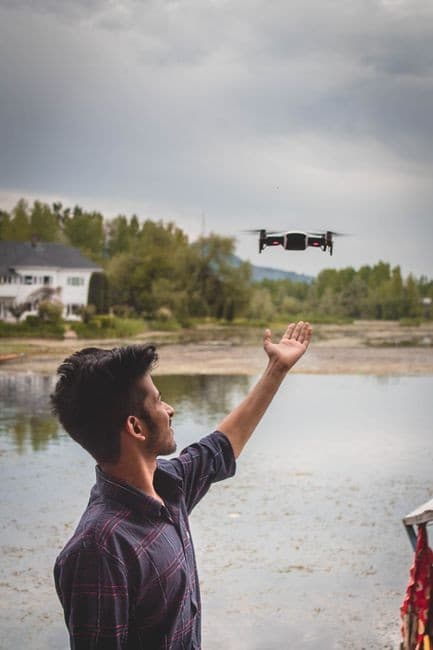
- No drones are allowed within the 25 km belt along India's international borders, including the LoC.
- Mobile connectivity: Postpaid Indian SIM cards work best across J&K. Prepaid connections may face restrictions. Download offline maps before heading to remote valleys.
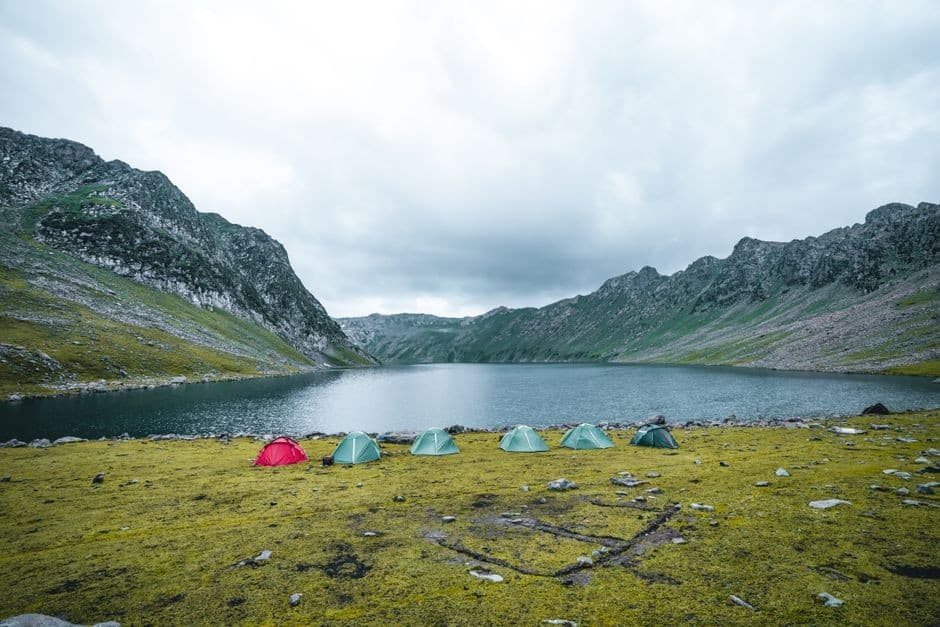
- Travel insurance: Consider adventure travel insurance that covers trekking, skiing, and high-altitude activities—especially if you're heading to Gulmarg's slopes or the Kashmir Great Lakes trek.
- Currency: UPI digital payments are widely accepted in towns. Carry cash for remote areas, village shops, and shikara rides.
- Work with a registered local travel agent for border-area visits—they can navigate the permit process far more efficiently.
Quick-Reference Checklist Before You Fly
- Valid passport (6+ months validity, 2+ blank pages)
- Approved Indian e-Tourist Visa or regular tourist visa
- Printed copy of your ETA (Electronic Travel Authorization)
- e-Arrival Card completed online (within 72 hours of arrival)
- Travel insurance documents
- Photocopies and digital backups of all documents
- Restricted Area Permit (only if visiting border zones like Gurez)
- Fishing license (if angling is on your itinerary)
Final Thoughts
Kashmir in 2026 is more accessible to international travelers than ever before. Tourism in Kashmir has seen a steady rise since 2022, with 2024 and 2025 recording some of the highest tourist footfall numbers in the region's history. Infrastructure development, improved law enforcement presence, and strict security monitoring have contributed to greater stability.
The visa process is straightforward: apply for your Indian e-Tourist Visa online, complete the new e-Arrival Card before your flight, enter India through a designated airport like Delhi, and hop on a domestic flight to Srinagar. Once you're in the valley, your passport and valid visa are all you need for the major tourist circuits.
So go ahead—book that houseboat on Dal Lake, plan your Gulmarg ski trip, or map out the Kashmir Great Lakes trek. The paperwork is simpler than you think, and the reward is one of the most breathtaking destinations on Earth.
Disclaimer: Visa rules and permit requirements can change. Always verify the latest information on the official Indian government portal (indianvisaonline.gov.in) and check your country's travel advisory before departure.
Leave a Comment
Explore Kashmir
Ready to plan your trip? Check out our complete travel guide and packages.