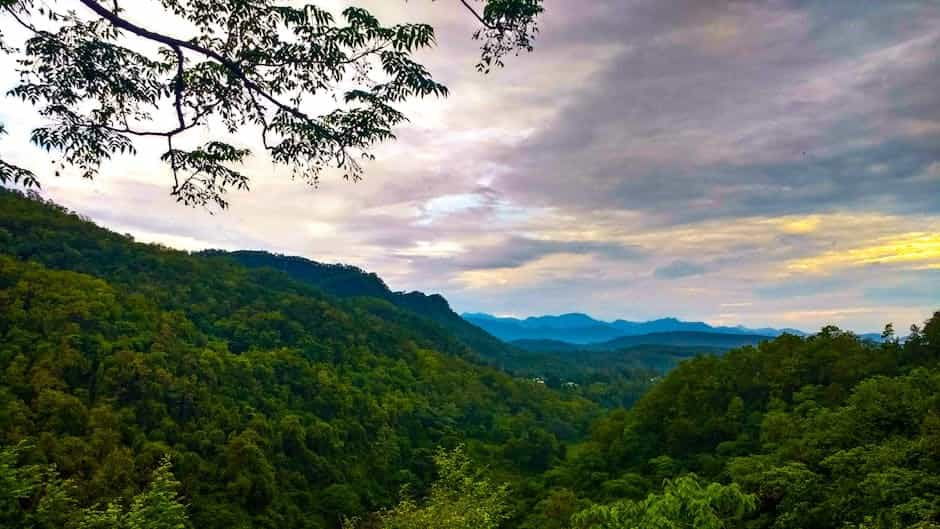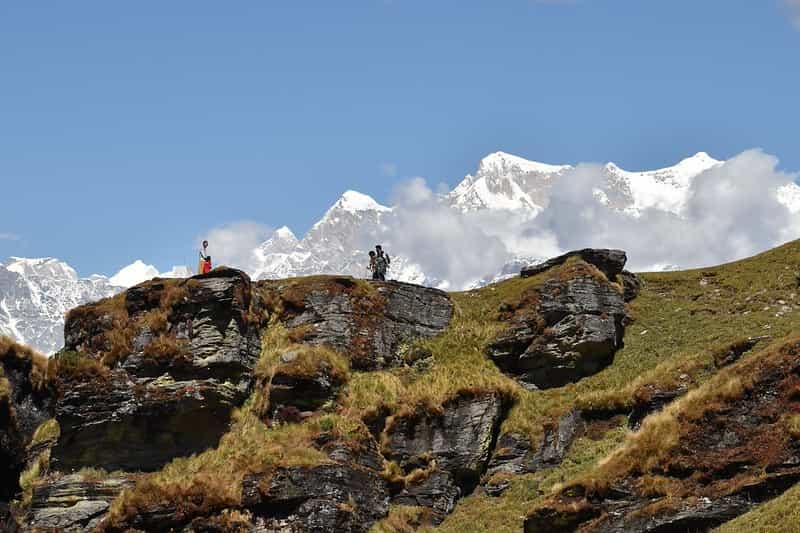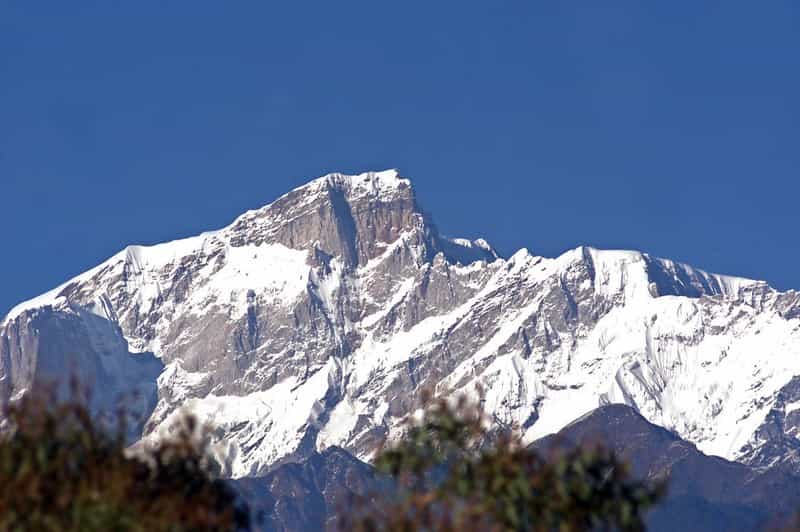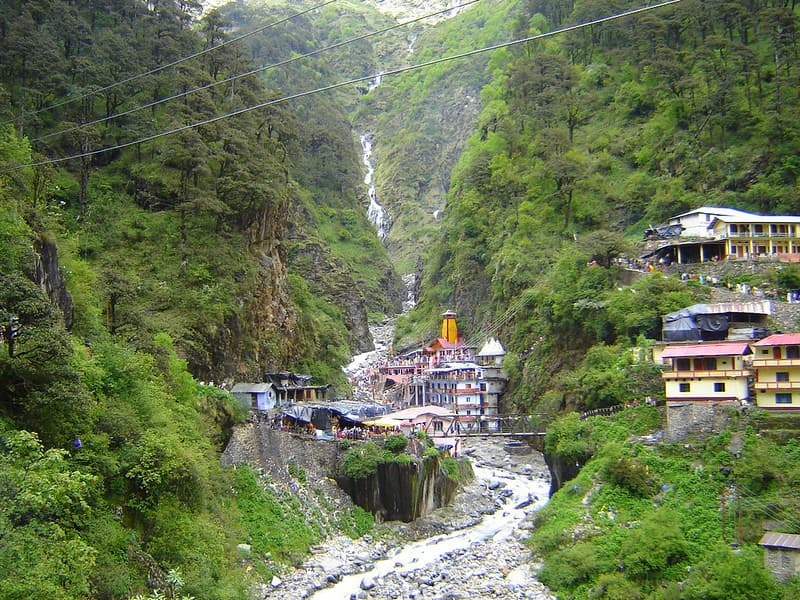
There is a moment on the Yamunotri trek — somewhere past the mossy bridges and pine-scented forests — when the roar of the Yamuna drowns out every thought you carried from the plains. The trail steepens, the air thins, and then the temple appears: small, ancient, framed by snow-dusted peaks and veiled in hot-spring mist. This is where India's Char Dham Yatra begins.
Yamunotri is the westernmost and first shrine in Uttarakhand's sacred Char Dham circuit, a pilgrimage that continues east through Gangotri Temple, Kedarnath Temple, and Badrinath Temple. Perched at 3,293 metres in the Garhwal Himalayas, the temple marks the spiritual source of the Yamuna River — India's second most sacred river — and draws hundreds of thousands of devotees each season. Whether you are a first-time pilgrim or a Himalayan trekker, this guide covers everything you need to plan your 2026 journey.
The Mythology and History Behind Yamunotri
Yamunotri's spiritual roots run deep into Hindu scripture. According to mythology, Goddess Yamuna is the daughter of Surya (the Sun God) and the twin sister of Yama, the God of Death. Legend holds that Yamuna granted her brother a boon: anyone who bathes in her sacred waters will be cleansed of sin and spared the fear of untimely death. This belief has drawn pilgrims to these Himalayan headwaters for millennia.
The site is also linked to Sage Asit Muni, who is said to have lived on the banks of the Yamuna. In his old age, when he could no longer travel to the Ganges for his daily rituals, a stream of the Ganga miraculously appeared beside the Yamuna for him — a testament to his devotion.
The present temple was built in 1839 by Tehri King Sudarshan Shah and later rebuilt by the Maharani of Jaipur after earthquake damage. Its architecture is simple yet striking — a conical shikhara in typical North Indian style, housing a black marble idol of Goddess Yamuna in the sanctum. A white stone idol of Goddess Ganga stands beside her, symbolising the eternal sisterhood of India's two holiest rivers.
2026 Temple Opening and Closing Dates
Yamunotri Temple opens only for about six months each year. In 2026, the sacred portals opened on 19 April (Akshaya Tritiya) and are expected to close on 11 November (Bhai Dooj). The opening and closing dates are determined by the Char Dham Temple Committee in consultation with priests, based on the Hindu Panchang (calendar) and astrological considerations.
When the temple closes for winter, the idol of Goddess Yamuna is ceremonially moved to Kharsali village (about 5 km away), where she is worshipped by the local priests through the snow-bound months.
Darshan timings: 6:30 AM – 8:00 PM daily during the season.
The Yamunotri Trek: What to Expect
The trek to Yamunotri is one of the most scenic short pilgrim treks in the Himalayas. Here's the breakdown:
- Starting point: Janki Chatti — the last motorable point, at roughly 2,650 m
- Distance: Approximately 6 km one way
- Altitude gain: Around 800 metres
- Time: 3–4 hours uphill; 1.5–2 hours downhill
- Difficulty: Moderate, with the final 0.5 km being the steepest
Stage-by-Stage Route
- Janki Chatti → Phool Chatti (2 km): A gentle start on a cemented trail with railings. Tea stalls appear every 500 metres — a good stretch to find your rhythm.
- Phool Chatti → Hanuman Chatti (4 km mark): The trail passes through forests of oak, pine, and deodar. Hanuman Chatti sits at the confluence of the Hanuman Ganga and Yamuna rivers — a popular rest stop with dhabas and benches.
- Hanuman Chatti → Steel Bridge (5.5 km): A steel bridge crosses a Yamuna tributary, followed by a trail bifurcation — one path via Markandeya Tirtha, the other via Kharsali village. Both rejoin ahead.
- Steel Bridge → Yamunotri Temple (6 km): The final 500 metres is a steep stone-step ascent directly to the temple — the most demanding stretch, but the sight of the shrine makes every step worthwhile.
Can't trek? Ponies (from ₹1,200 one way) and palkis/palanquins (from ₹4,000 one way) are available at Janki Chatti. Rates are government-regulated but confirm before hiring.
Sacred Sites at Yamunotri
Yamunotri Temple
The main shrine enshrines the black marble idol of Maa Yamuna. It is the spiritual heart of the Char Dham circuit's first stop. The evening aarti here, with chanting echoing against the mountain walls, is an experience that stays with you.
Surya Kund
Just beside the temple lies Surya Kund, a natural thermal spring with water temperatures reaching approximately 88°C — hot enough to cook food. Pilgrims traditionally wrap rice and potatoes in muslin cloth and dip them into the boiling spring to prepare prasad (sacred offering). This unique culinary ritual is one of Yamunotri's most memorable traditions.
Divya Shila
Near Surya Kund stands the Divya Shila — literally, the "divine stone." It is customary for all pilgrims to worship at this sacred rock pillar before entering the temple. The stone is believed to radiate the divine energy of Goddess Yamuna and represents the very first point of reverence in the entire Char Dham journey.
Saptarishi Kund
For serious trekkers, the Saptarishi Kund — a glacial lake at 4,421 metres fed by the Champasar Glacier — is the actual geographic source of the Yamuna River. The trek beyond the temple is arduous but rewards hikers with views of an emerald-blue lake surrounded by frozen glaciers. The rare Brahma Kamal flower blooms here in July–August.
Best Time to Visit Yamunotri
- May–June: Peak season. All services are running, weather is pleasant (10–20°C daytime), but trails get crowded by mid-morning. Book accommodation 2–3 weeks ahead.
- September–October: The connoisseur's window. Post-monsoon greenery is lush, waterfalls are at full force, mountain views are crystal clear, and crowds thin out significantly.
- July–August (Monsoon): Best avoided. Heavy rainfall makes the trail slippery, and active landslides can close the route without warning.
How to Reach Yamunotri
By Air
The nearest airport is Jolly Grant Airport, Dehradun, approximately 200 km from Janki Chatti. From the airport, hire a taxi or take a bus toward Barkot and onward.
By Rail
The nearest major railway stations are Dehradun, Rishikesh, and Haridwar — all well-connected to Delhi, Mumbai, and Kolkata. From any of these, continue by road to Janki Chatti (6–8 hours).
By Road
The typical route from Delhi: Delhi → Dehradun → Mussoorie → Barkot → Janki Chatti (approximately 430–450 km, 12–14 hours). Most travellers wisely split this into two days, halting overnight in Barkot — the closest proper town, about 45 km before the trek start.
By Helicopter
Helicopter services operate from Dehradun (Sahastradhara Helipad) to Kharsali Helipad near Yamunotri during the yatra season. The same-day round trip typically includes palki/pony service to the temple and VIP darshan — an excellent option for elderly pilgrims or those with mobility concerns.
Where to Stay
- GMVN Yamunotri Cottages / Dharamshalas — near the temple; basic but clean
- Janki Chatti Tourist Rest House — best for trekkers; hot water, parking, and food available
- Yamunotri Cottages (near Kharsali Helipad) — cozy rooms with mountain views
- Hotels in Barkot — the recommended overnight halt before the trek; wider range of comfort levels and price points
Pro tip: Book at least 2–3 weeks ahead during May–June. September–October usually has better availability.
Essential Tips for Your Yamunotri Yatra
- Registration is compulsory. For the 2026 Char Dham Yatra, all pilgrims must register online or at offline counters. No darshan is allowed without registration. Register at the official Uttarakhand portal or via the Tourist Care Uttarakhand app.
- Carry cash. ATMs are extremely scarce on the route — withdraw enough in Barkot or Rishikesh before setting out.
- Start early. Begin the trek at dawn to avoid mule traffic, midday heat, and the pilgrim rush.
- Pack smart. Sturdy trekking shoes, layered clothing (weather changes fast at altitude), rain gear, a walking stick, a basic medical kit, energy snacks, and a water bottle are essentials.
- Mobile signal is weak. Only 2G is available at Janki Chatti (BSNL only at Yamunotri). Print your registration confirmation before you leave.
- Allow buffer days. Mountain roads are unpredictable, especially during monsoon fringes. Keep at least one extra day in your itinerary.
Combining Yamunotri with the Full Char Dham Circuit
The traditional Char Dham Yatra proceeds west to east in a clockwise direction: Yamunotri → Gangotri → Kedarnath → Badrinath. Most pilgrims base themselves in Haridwar or Rishikesh and take 10–12 days for the full circuit. Starting at Yamunotri sets a contemplative tone for the journey — it is the quietest and most intimate of the four shrines, with none of the overwhelming crowds of Kedarnath.
Final Thoughts
Yamunotri is more than a temple at the end of a trek. It is a place where geology and devotion merge — where boiling springs cook your prasad, glacial rivers wash your weariness, and the Himalayas remind you how small and how blessed you are. Whether you come seeking Goddess Yamuna's blessings or simply the silence of the high mountains, this first Char Dham will not disappoint.
Plan early, pack light, trek mindfully — and let the Yamuna lead the way.
Leave a Comment
Explore Uttarakhand
Ready to plan your trip? Check out our complete travel guide and packages.