Frequently Asked Questions about North-East
Find answers to the most frequently asked questions about North-East. From travel tips and safety information to must-know details, our FAQ section helps you plan a smooth and hassle-free trip.
What is the best time to visit Northeast India?
The ideal time to visit Northeast India is October to April when the weather is pleasant and dry. October-November offers post-monsoon freshness with clear skies, perfect for sightseeing and outdoor activities. December-February brings cool, crisp weather ideal for exploring hill stations like Gangtok, Shillong, and Tawang. March-April features blooming rhododendrons and comfortable temperatures. Avoid June-September monsoon season as heavy rainfall can disrupt travel plans, cause landslides, and make roads inaccessible. However, if you're interested in experiencing lush green landscapes and don't mind occasional showers, post-monsoon September can be beautiful. For specific festivals like Hornbill Festival in Nagaland (December) or cherry blossoms in Shillong (November), plan accordingly. Winter temperatures range from 5-20°C in hills and 10-25°C in plains.
How can I reach Northeast India from major Indian cities?
Air travel is the most convenient option with Guwahati (Assam) serving as the main gateway, connected to Delhi, Mumbai, Kolkata, and Bangalore. Other airports include Bagdogra (for Sikkim), Imphal, Agartala, Dibrugarh, and Dimapur. From Guwahati, you can reach other states by road or connecting flights. Train connectivity exists to Guwahati, New Jalpaiguri (for Sikkim), and Agartala via broad gauge lines. The Rajdhani Express connects Guwahati to Delhi. Road access is possible via NH27 through West Bengal and NH37. For Sikkim, fly to Bagdogra then drive 4 hours to Gangtok. Many tourists prefer flying to Guwahati and then taking domestic flights or hiring vehicles for interstate travel. Book flights in advance as options are limited and prices can be higher than other destinations.
Do I need special permits to visit Northeast states?
Permit requirements vary by state and visitor nationality. Indian citizens need Inner Line Permits (ILP) for Arunachal Pradesh, Mizoram, and Nagaland, obtainable online or at checkpoints. Manipur requires ILP for certain areas. No permits needed for Assam, Meghalaya, Tripura, and Sikkim for Indians. Foreign nationals need Protected Area Permits (PAP) for Arunachal Pradesh, obtained through registered tour operators with 30-day advance application. Sikkim requires permits for certain areas like Nathula Pass and North Sikkim. For group travel, tour operators usually handle permit procedures. Apply online through official state websites or at designated counters in Delhi, Kolkata, and Guwahati. Carry multiple passport-size photos and ID proofs. Permits are usually processed within 2-7 days. Some border areas may have additional restrictions, so check current regulations before travel.
What are the local transportation options within Northeast states?
Shared taxis and sumos are the most common intercity transport, especially in hilly regions like Sikkim and Meghalaya. State transport buses connect major towns but can be crowded and slow. Private buses offer better comfort for longer routes. In cities, auto-rickshaws, cycle-rickshaws, and local taxis are available. App-based cabs operate in Guwahati, Shillong, and Gangtok. For sightseeing, hiring a private car with driver is recommended, costing ₹2,500-4,000 per day depending on the vehicle and distance. Motorcycle rentals are popular in Sikkim and Meghalaya among adventure travelers. River transport exists in Assam via ferries across Brahmaputra. Helicopter services operate in Sikkim for scenic tours. Book vehicles in advance during peak season. Mountain roads can be challenging, so experienced local drivers are advisable. Fuel stations may be sparse in remote areas.
What types of accommodation are available and where should I stay?
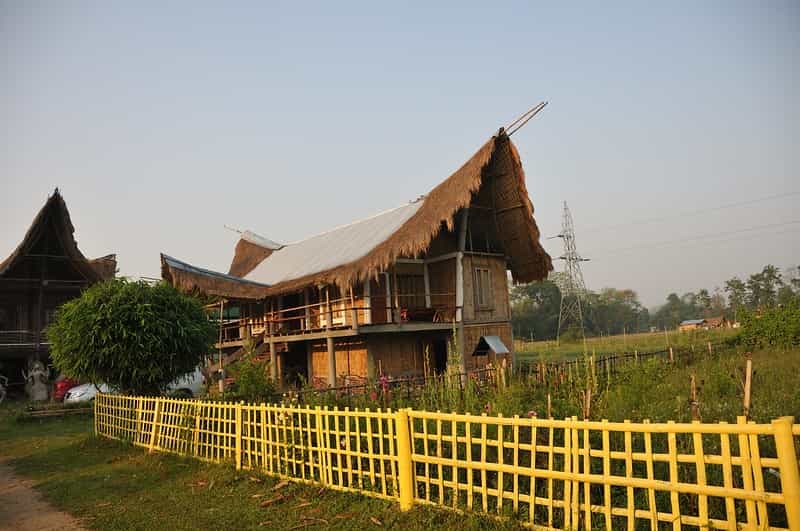
Northeast India offers diverse accommodation from luxury resorts to budget homestays. Government tourism properties provide good value with basic amenities. Luxury options include Taj Tashi (Thimphu), Mayfair Hotels (Gangtok, Shillong), and heritage properties. Mid-range hotels are abundant in major towns. Homestays are popular, especially in Sikkim, Meghalaya, and Arunachal Pradesh, offering authentic cultural experiences at ₹1,000-3,000 per night. Stay in Gangtok for Sikkim exploration, Shillong for Meghalaya, Guwahati for Assam, Itanagar for Arunachal Pradesh. In remote areas, government guest houses and forest rest houses are available but require advance booking. Eco-lodges near national parks offer nature experiences. During festivals, book well in advance as accommodation fills quickly. Many properties offer package deals including meals and local sightseeing. Check for hot water availability in hill stations during winter months.
What are the must-visit attractions in Northeast India?
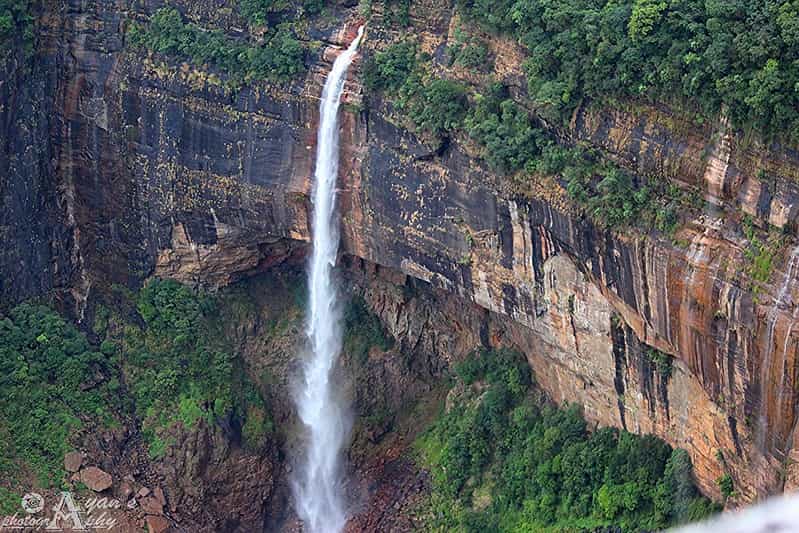
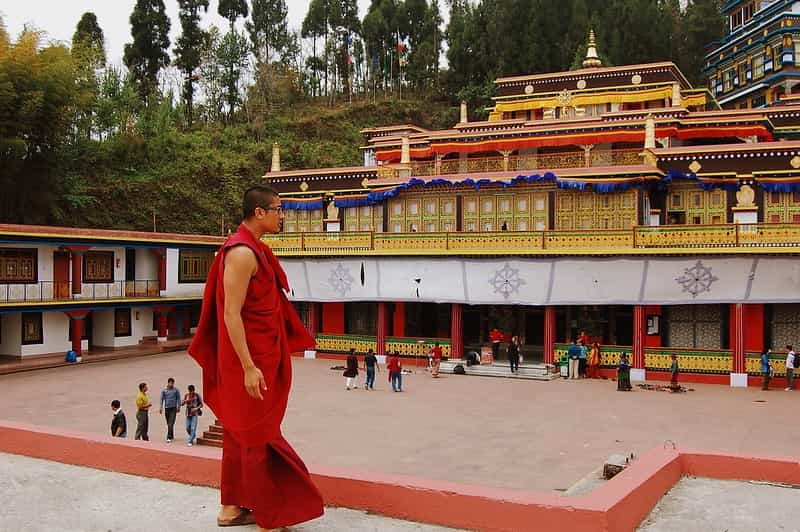
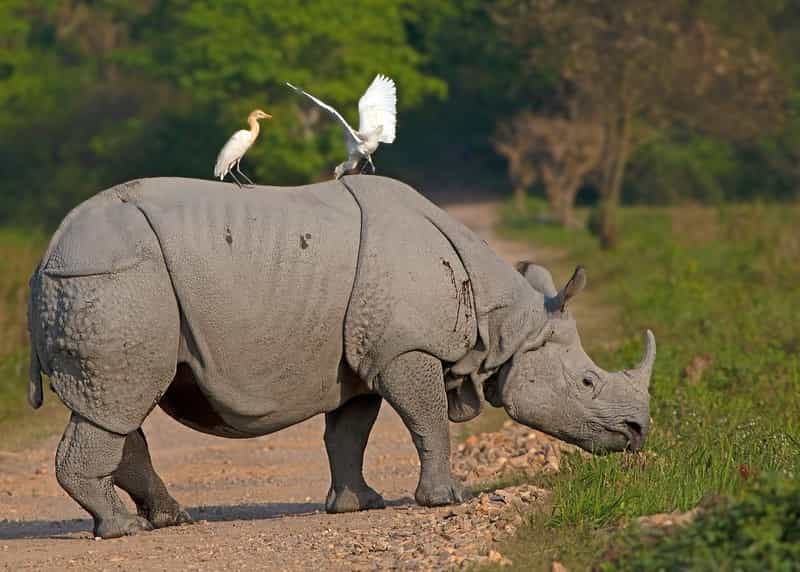
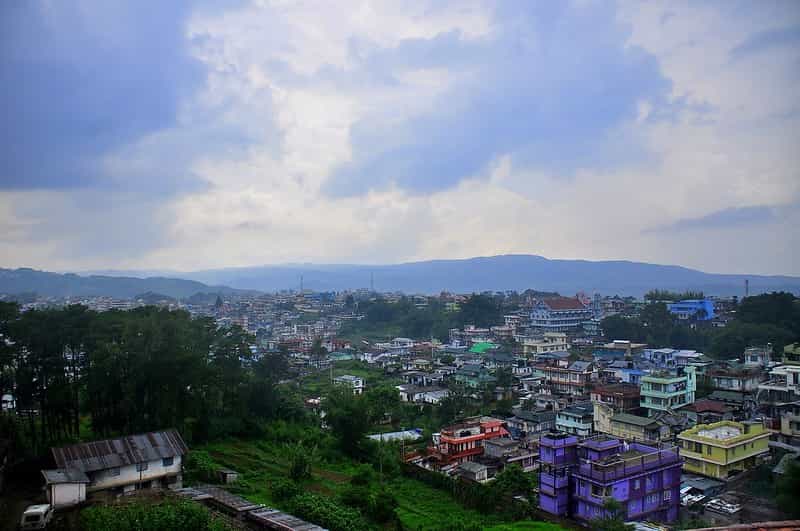
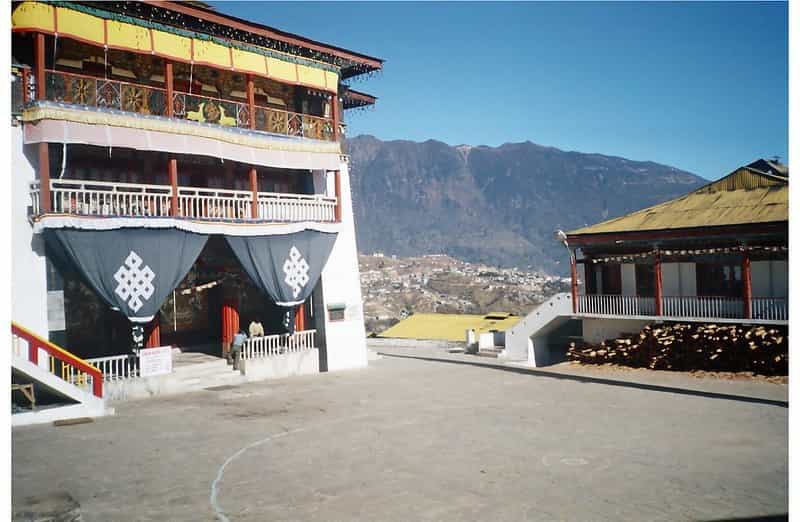
Top attractions include Kaziranga National Park (Assam) for one-horned rhinos, Tawang Monastery (Arunachal Pradesh) - India's largest monastery, and Nathula Pass (Sikkim) on the Indo-China border. Shillong, the 'Scotland of East,' offers colonial charm and living root bridges in Cherrapunji. Majuli Island (Assam) is the world's largest river island with unique culture. Hornbill Festival (Nagaland) showcases tribal heritage. Loktak Lake (Manipur) features floating islands. Unakoti (Tripura) has ancient rock carvings. Adventure seekers enjoy river rafting in Arunachal Pradesh, trekking in Sikkim's Goecha La, and caving in Meghalaya's Mawsmai Caves. Tea gardens in Assam and Sikkim offer scenic beauty. Sikkim's Rumtek Monastery and Gangtok's MG Marg are cultural highlights. Each state offers unique experiences - from wildlife safaris to monastery visits and tribal village interactions.
What local foods and cuisines should I try in Northeast India?
Northeast cuisine is unique, featuring rice as staple with minimal spices and extensive use of herbs, bamboo shoots, and fermented ingredients. Must-try dishes include Assam's fish curry with khar (alkaline preparation), Sikkim's momos and thukpa, Nagaland's smoked pork with black sesame, and Manipur's Eromba (vegetable curry). Meghalaya's Jadoh (rice with meat) and Mizoram's Bai (vegetable stew) are local favorites. Fermented fish, bamboo shoot pickles, and bhut jolokia (ghost pepper) add distinctive flavors. Sikkimese cuisine shows Tibetan influence with gundruk (fermented leafy greens) and chhurpi (yak cheese). Try local rice beer, particularly Sikkim's chang and Assam's rice wine. Street food includes Assam's pitha (rice cakes) and various tribal preparations. Many dishes might be unfamiliar to outsiders, so start with milder options. Vegetarian options are available but limited in tribal areas. Local restaurants and homestays offer authentic experiences.
What budget should I plan for a Northeast India trip?
Budget varies significantly based on travel style and destinations. For budget travelers, expect ₹1,500-2,500 per day covering basic accommodation (₹800-1,500), meals (₹400-600), and local transport. Mid-range travelers should budget ₹3,000-5,000 daily for comfortable hotels (₹2,000-3,500), restaurant meals, and private transport. Luxury travelers may spend ₹8,000-15,000 daily. Transportation costs are higher due to limited connectivity - domestic flights cost ₹3,000-8,000, while hired cars range ₹2,500-4,000 per day. Permits and entry fees add ₹500-1,000. Activities like river rafting (₹1,500-3,000) and monastery visits (₹50-200) vary. Food is generally affordable at local eateries (₹100-300 per meal) but expensive at hotels. Shopping for handicrafts and souvenirs requires ₹2,000-5,000 budget. Book accommodations and transport in advance to avoid premium pricing during peak season.
What safety precautions should I take while visiting Northeast India?
Northeast India is generally safe for tourists, but take standard precautions. Register with local police in sensitive border areas and carry permit documents always. Avoid traveling alone in remote areas, especially after dark. Hire reputable local guides and drivers through registered operators. Mountain roads can be dangerous during monsoons due to landslides, so check weather conditions. Carry emergency contacts and inform someone about your itinerary. Respect local customs and avoid photographing military installations or tribal people without permission. Keep copies of important documents separately. Medical facilities are limited in remote areas, so carry a first-aid kit and necessary medications. Altitude sickness can affect visitors to high-altitude areas like Tawang and North Sikkim - ascend gradually and stay hydrated. Avoid political discussions and demonstrations. Use bottled water and eat at clean establishments. Mobile connectivity may be poor in remote areas, so inform family about communication gaps.
What cultural etiquette should I follow in Northeast India?
Northeast India has diverse tribal cultures requiring respectful behavior. Always ask permission before photographing people, especially in tribal areas. Remove shoes before entering monasteries, homes, and sacred places. Dress modestly, covering shoulders and knees, particularly in religious sites. Don't touch prayer wheels or religious artifacts without permission. In tribal villages, respect local customs and traditions - some areas may be off-limits to outsiders. Avoid pointing feet toward people or religious objects. When offered local food or drinks, accept graciously as refusal may offend. Learn basic greetings in local languages. Don't compare different tribes or states negatively. Respect elders and women in traditional societies. Avoid public displays of affection. Don't litter or damage natural environments. In Sikkimese Buddhist culture, walk clockwise around monasteries and chortens. Tipping is appreciated but not mandatory. Be patient with different time concepts - 'Indian Standard Time' is more relaxed here.
How many days should I plan for a comprehensive Northeast India tour?
A comprehensive Northeast tour requires 15-21 days to cover major highlights across all eight states. Minimum 3-4 days per state allows basic exploration. Sample itinerary: Assam (4 days) - Guwahati, Kaziranga; Meghalaya (4 days) - Shillong, Cherrapunji; Sikkim (4 days) - Gangtok, North Sikkim; Arunachal Pradesh (4 days) - Tawang, Bomdila; Nagaland (2 days) - Kohima, Dimapur; Manipur (2 days) - Imphal, Loktak Lake; Mizoram (2 days) - Aizawl; Tripura (2 days) - Agartala, Unakoti. For 2-3 states, 10-12 days suffice. First-time visitors often choose Assam-Meghalaya-Sikkim circuit (10-12 days). Adventure enthusiasts might focus on Sikkim-Arunachal Pradesh (8-10 days). Festival-focused trips during Hornbill Festival require 5-7 days. Consider travel time between states - some routes take full days. Weather and road conditions can extend duration. Plan buffer days for permits and unexpected delays.
What should I pack for a Northeast India trip?
Pack according to season and destinations. Essential items include comfortable walking shoes, rain jacket (mandatory during monsoons), warm clothing for hill stations, and light cotton clothes for plains. Carry layers as temperatures vary significantly. Pack waterproof bag covers and plastic bags for electronics. Sunglasses, sunscreen, and hat are essential for high altitudes. First-aid kit with altitude sickness medication, personal medicines, and stomach remedies. Power bank and universal adapters as electricity can be unreliable. Torch/flashlight for areas with power cuts. Insect repellent for mosquitoes and leeches. Quick-dry towels and toiletries as local brands may differ. Camera with extra batteries and memory cards. Copies of permits, ID proofs, and passport photos. Cash in small denominations as ATMs are limited. Reusable water bottle and water purification tablets. Comfortable backpack for day trips. Warm sleeping bag if staying in basic accommodations during winter.
What languages are spoken and how can I communicate effectively?
Northeast India has incredible linguistic diversity with over 200 languages. Hindi and English are widely understood in urban areas and tourist places. State-wise major languages include Assamese (Assam), Khasi/Garo (Meghalaya), Sikkimese/Nepali (Sikkim), and various tribal languages in other states. English works well in hotels, restaurants, and with educated locals. Hindi is understood by many, especially in Assam and Tripura. Learning basic greetings in local languages is appreciated - 'Namaskar' works universally. Young people generally speak English better than older generations. In remote tribal areas, local guides become essential for communication. Download translation apps like Google Translate with offline capabilities. Carry a phrasebook or language cards. Non-verbal communication and gestures often help. Tourist information centers and hotels can assist with language barriers. Many locals are patient and helpful with tourists struggling with language. Written addresses in local scripts help with navigation.
What are the unique shopping opportunities and souvenirs in Northeast India?
Northeast India offers unique handicrafts and textiles. Assam is famous for silk - Muga, Pat, and Eri varieties, available at government emporiums and local markets. Sikkim offers Tibetan handicrafts, carpets, thangka paintings, and traditional jewelry from MG Marg and Lal Bazaar. Meghalaya's cane and bamboo products, tribal textiles, and honey are popular. Nagaland offers tribal shawls, wood carvings, and traditional ornaments. Manipur is known for handloom textiles and Manipuri dolls. Mizoram's bamboo handicrafts and traditional bags are unique. Arunachal Pradesh offers tribal masks, traditional weapons replicas, and Buddhist artifacts. Tripura's handloom products and bamboo items are noteworthy. Shop at government emporiums for authentic products with fixed prices. Local markets offer better variety but require bargaining. Avoid animal products that might be illegal. Tea from Assam and Sikkim makes excellent gifts. Check customs regulations for restricted items. Support local artisans by buying directly from cooperatives.
Are there any health precautions or vaccinations needed for Northeast India?
No specific vaccinations are mandatory for Northeast India, but basic immunizations like Hepatitis A/B, Typhoid, and Japanese Encephalitis are recommended. Malaria prophylaxis may be advised for certain areas, especially during monsoons - consult your doctor. Carry mosquito repellent and use bed nets in rural areas. Water-borne diseases are common, so drink only bottled or properly boiled water. Avoid raw vegetables, street food, and ice in remote areas. Altitude sickness can affect visitors to high-altitude regions like Tawang (10,000+ feet) and North Sikkim - ascend gradually, stay hydrated, and avoid alcohol. Carry medications for common ailments like stomach upset, headaches, and cold. Medical facilities are limited in remote areas, so bring a comprehensive first-aid kit. Ensure travel insurance covers medical evacuation. Pregnant women and those with heart conditions should consult doctors before high-altitude travel. Carry prescription medications in original packaging with doctor's certificates.
What adventure activities are available in Northeast India?
Northeast India offers diverse adventure activities. Trekking opportunities include Sikkim's Goecha La, Dzongri, and Sandakphu trails, plus Arunachal Pradesh's Tawang region. River rafting is excellent on Brahmaputra (Assam), Teesta (Sikkim), and Siang (Arunachal Pradesh) with grades II-IV rapids. Rock climbing and rappelling are popular in Meghalaya's limestone cliffs. Cave exploration in Meghalaya includes Mawsmai, Krem Liat Prah, and Siju caves. Mountain biking trails exist in Sikkim and Meghalaya. Paragliding operates from Gangtok and Shillong (seasonal). Angling for mahseer and trout in pristine rivers of Arunachal Pradesh and Sikkim. Wildlife photography safaris in Kaziranga, Manas, and Namdapha National Parks. Hot air ballooning over tea gardens (limited operators). Skiing in Sikkim during winter months. Most activities require advance booking through certified operators. Weather conditions significantly affect availability. Carry appropriate gear and follow safety guidelines. Some activities may require additional permits.
How is the internet connectivity and mobile network coverage in Northeast India?
Mobile network coverage varies significantly across Northeast India. Urban areas like Guwahati, Gangtok, Shillong, and Imphal have good 4G coverage from major operators (Airtel, Jio, BSNL). BSNL often has the best coverage in remote areas. Border regions and high-altitude areas may have poor or no connectivity. Internet speeds are generally slower than metropolitan cities. WiFi is available in hotels, cafes, and restaurants in tourist areas but may be unreliable. Download offline maps, translation apps, and entertainment before traveling to remote areas. Carry power banks as network searching drains batteries quickly. Roaming charges apply for visitors from other countries. Consider buying local SIM cards for extended stays - requires address proof and photos. Satellite phones may be necessary for serious trekking expeditions. Internet cafes exist in major towns but are becoming rare. Video calls and heavy data usage may be challenging in remote locations. Inform family about potential communication gaps during your itinerary.
What festivals and cultural events should I plan my visit around?
Northeast India hosts vibrant festivals year-round. Hornbill Festival (Nagaland, December 1-10) is the region's most famous, showcasing Naga tribal culture with traditional dances, crafts, and food. Bihu (Assam, April) celebrates New Year with folk dances and music. Losar (Sikkim, February/March) marks Tibetan New Year with monastery celebrations. Wangala (Meghalaya, November) is the Garo harvest festival. Kang Chingba (Manipur, November) features traditional boat races. Christmas celebrations in Christian-majority states like Nagaland and Mizoram are spectacular. Durga Puja (October) is celebrated grandly in Assam and Tripura. Saga Dawa (Sikkim, May/June) commemorates Buddha's enlightenment. Cherry Blossom Festival (Shillong, November) celebrates autumn blooms. Ziro Music Festival (Arunachal Pradesh, September) attracts music lovers. Book accommodations well in advance during festivals as prices increase and availability decreases. Festival dates vary based on lunar calendar. Local tourism offices provide exact dates and programs.
Is Northeast India suitable for solo female travelers?
Northeast India is generally considered safe for solo female travelers, often safer than many other Indian regions due to matriarchal societies and respect for women in tribal cultures. However, standard precautions apply. Stay in reputable accommodations, avoid isolated areas after dark, and inform someone about your itinerary. Dress modestly, especially in conservative areas and religious sites. Use registered tour operators and guides. Public transport is generally safe, but private transport is recommended for comfort and safety. Local women are often helpful and friendly. Homestays with families provide safe, authentic experiences. Carry emergency contacts and register with local police in sensitive areas. Mobile connectivity can be poor, so inform family about communication gaps. Some remote areas may require male guides due to local customs. Join group tours for remote destinations. The region's crime rate against tourists is low, but petty theft can occur. Trust your instincts and don't hesitate to seek help from locals or authorities if uncomfortable.
What wildlife can I expect to see in Northeast India?
Northeast India boasts incredible biodiversity. Kaziranga National Park (Assam) is famous for one-horned rhinoceros, tigers, elephants, and water buffalo. Manas National Park hosts tigers, elephants, golden langurs, and rare hispid hare. Namdapha National Park (Arunachal Pradesh) is India's only park with four big cats - tiger, leopard, snow leopard, and clouded leopard. Keibul Lamjao (Manipur) protects endangered Sangai deer. Bird watching is exceptional with over 800 species including hornbills, pheasants, and migratory birds. Sikkim offers red pandas, snow leopards (rare sightings), and Himalayan black bears. River dolphins can be spotted in Brahmaputra. Hoolock gibbons swing through Assam's forests. Best wildlife viewing is October-April during dry season. Early morning and evening safaris increase sighting chances. Carry binoculars and cameras with telephoto lenses. Respect park rules and maintain distance from animals. Some parks require advance booking. Local guides enhance wildlife spotting and provide valuable insights about animal behavior and habitat.
How do I plan a photography tour of Northeast India?
Northeast India offers diverse photography opportunities from landscapes to wildlife and cultural subjects. Plan during October-April for clear skies and good lighting. Essential locations include Kaziranga for wildlife, Tawang for monasteries and landscapes, Cherrapunji for waterfalls and living root bridges, and Hornbill Festival for cultural photography. Carry multiple camera bodies, wide-angle and telephoto lenses, tripod, and extra batteries (charging can be unreliable). Weather-proof your equipment with rain covers and silica gel packets. Sunrise/sunset shots are spectacular from Gangtok's viewpoints, Meghalaya's hills, and Assam's tea gardens. Obtain permits for restricted areas and respect photography rules in monasteries. Always ask permission before photographing tribal people - some may expect payment. Wildlife photography requires patience and early morning starts. Drone photography needs special permits and is restricted near borders. Local guides help access best viewpoints and cultural subjects. Backup your images regularly as dust and humidity can damage equipment. Consider hiring local assistants for carrying equipment during treks.
What are the transportation challenges and how to overcome them?
Transportation in Northeast India faces several challenges. Limited flight connectivity makes air travel expensive with few daily options - book well in advance. Mountain roads are narrow, winding, and prone to landslides during monsoons, causing delays and cancellations. Fuel stations are sparse in remote areas, so ensure vehicles are refueled regularly. Public transport can be overcrowded and uncomfortable for long journeys. Border checkpoints cause delays due to permit verification. To overcome these challenges: hire experienced local drivers familiar with terrain and regulations; carry extra food, water, and warm clothing for unexpected delays; maintain flexible itineraries allowing buffer time; use reliable tour operators with backup vehicle arrangements; check road conditions and weather forecasts before traveling; carry cash as card acceptance is limited; book accommodations with confirmed reservations; consider helicopter services in Sikkim for time-critical travel; use satellite communication devices for remote area emergencies. Travel during dry season (October-April) minimizes weather-related disruptions. Always inform someone about your travel plans and expected arrival times.