Ajmer Sharif Dargah qawwali & ziyarat
Ajmer Sharif Dargah Qawwali & Ziyarat is a spiritual and cultural experience centered on the shrine of Khwaja Moinuddin Chishti in Ajmer, Rajasthan. Visitors participate in ziyarat (visitation) to the mazar (tomb) and can attend moving qawwali (Sufi devotional music) sessions that create a devotional atmosphere. The activity blends history, devotion, music and community service (langar).
Location
Khwaja Moinuddin Chishti Dargah (Ajmer Sharif), Ajmer, India
Duration
Typical visit: 1.5–3 hours. Qawwali sessions: 1–2 hours (often in the evening). Full participation during Urs may require a full-day commitment.
Best Time to Visit
October to March for pleasant weather. For devotional music and larger gatherings, visit on Thursday evenings or during the annual Urs (dates vary according to the Islamic calendar) — check local notices for exact timings.
Pricing
Free entry; donations (chanda) appreciated. Optional guided ziyarat or cultural tours typically cost INR 300–800 per person. Purchasing a chadar (offering cloth) ranges from INR 200 to INR 2,000 depending on quality. Special events (Urs) may have higher on-site costs for prasad/arrangements.
Activity Type
Coordinates
Highlights
Soul-stirring live qawwali (Sufi devotional singing) and sama (musical assembly)
Ziyarat: paying respects at the mazar of Khwaja Moinuddin Chishti
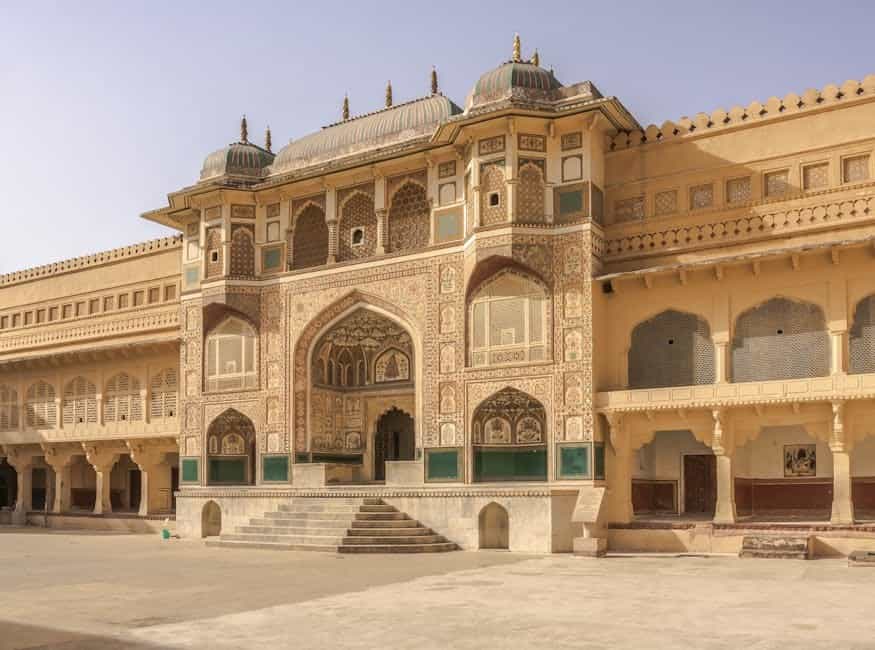
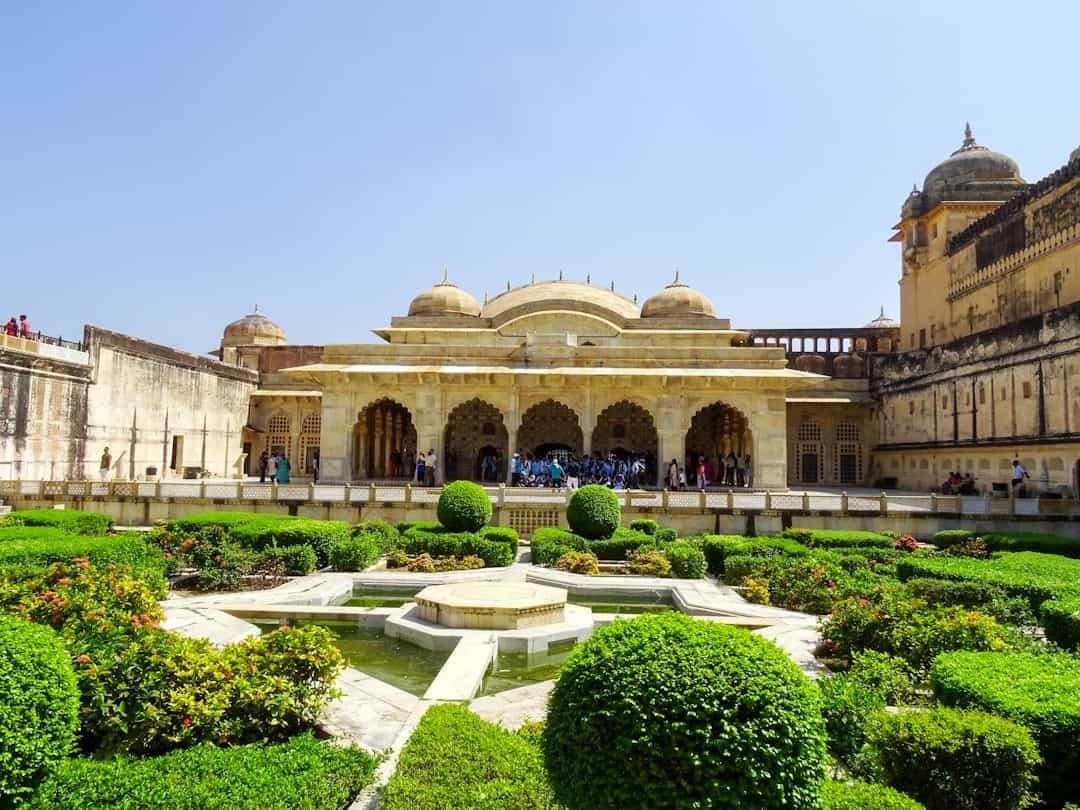
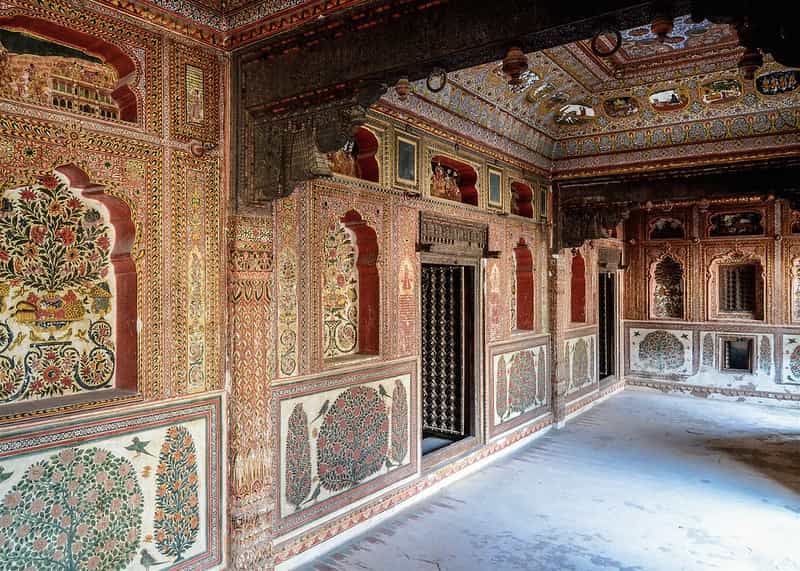
Historic architecture: marble domes, courtyards and ornate interiors
Langar (community kitchen) serving free meals to visitors
Opportunity to offer a chadar and floral tributes at the tomb
Bustling bazaars nearby selling chadars, prayer beads, sweets and souvenirs
Itinerary
Enter the dargah complex and complete security checks. Remove footwear and leave at the shoe counter.
Men and women should dress modestly. Keep a scarf or head covering handy.
Walk through the courtyards; observe architecture and smaller tombs around the main mazar.
Quiet photography is usually allowed in outer courtyards; avoid photographing people without permission and areas where photography is restricted.
Attend the qawwali/sama near the main prayer area. Listen to devotional songs led by qawwals.
Sessions can be emotionally intense and crowded—stand or sit respectfully and follow instructions from caretakers. Timings vary; Thursdays are commonly active.
Approach the main mazar to offer prayers, present chadar or flowers, and make personal supplications.
Follow the queue and the local customs for touching or approaching the tomb. Donations are offered quietly; avoid pushing in crowds.
Partake in langar (free community meal) if offered; a central part of the dargah experience.
Langar timings vary—volunteers manage distribution. Participate respectfully and queue patiently.
Collect footwear, browse nearby markets for chadars or souvenirs, or visit nearby attractions in Ajmer.
Keep belongings secure; negotiate prices politely in bazaars.
Safety Requirements
Dress modestly; women should cover their heads with a scarf and men are advised to carry a head covering.
Remove shoes before entering the inner sanctum and use designated shoe counters.
Follow security and crowd-control instructions—large gatherings (especially during Urs) can be densely crowded.
Avoid carrying large or flashy valuables; keep wallets and phones secure to prevent pickpocketing.
Be mindful of heat and hydration in summer months; carry water and avoid peak midday sun.
Tips
Arrive early to avoid crowds and secure a good spot for qawwali or darshan.
Check local timings: qawwali/sama schedules and Urs dates change—verify with the dargah office or a trusted local guide.
Carry small denomination cash for donations, chadar purchases and langar contributions.
Respect rituals and queues—follow instructions from dargah staff and caretakers.
Photography: use discretion. Do not photograph inside the inner sanctum or of worshippers without permission.
Consider hiring a licensed local guide (INR 300–800) if you want historical context and to navigate customs smoothly.
If visiting during Urs, plan accommodation and transport well in advance due to heavy influx of pilgrims.