Chittorgarh Fort exploration
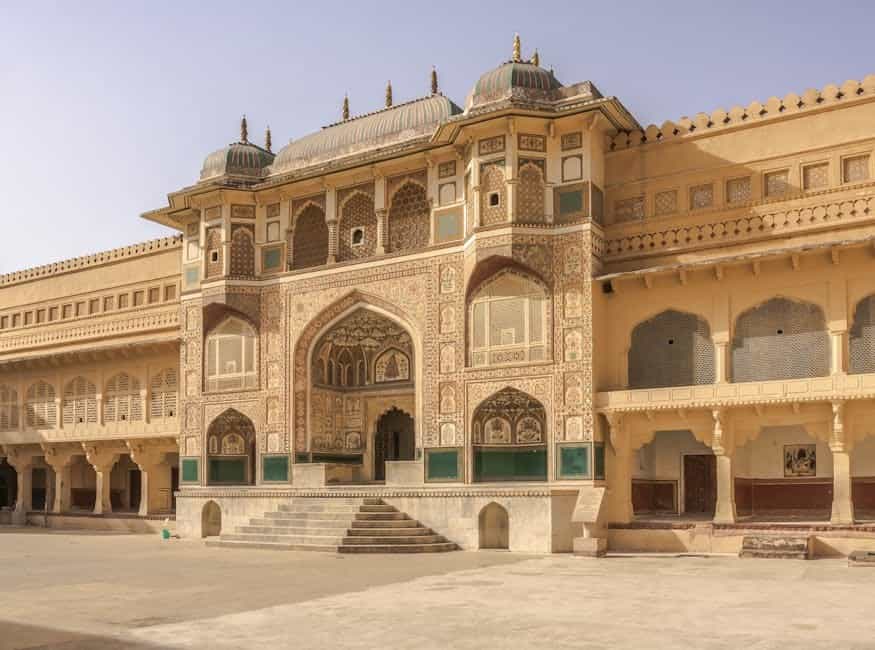
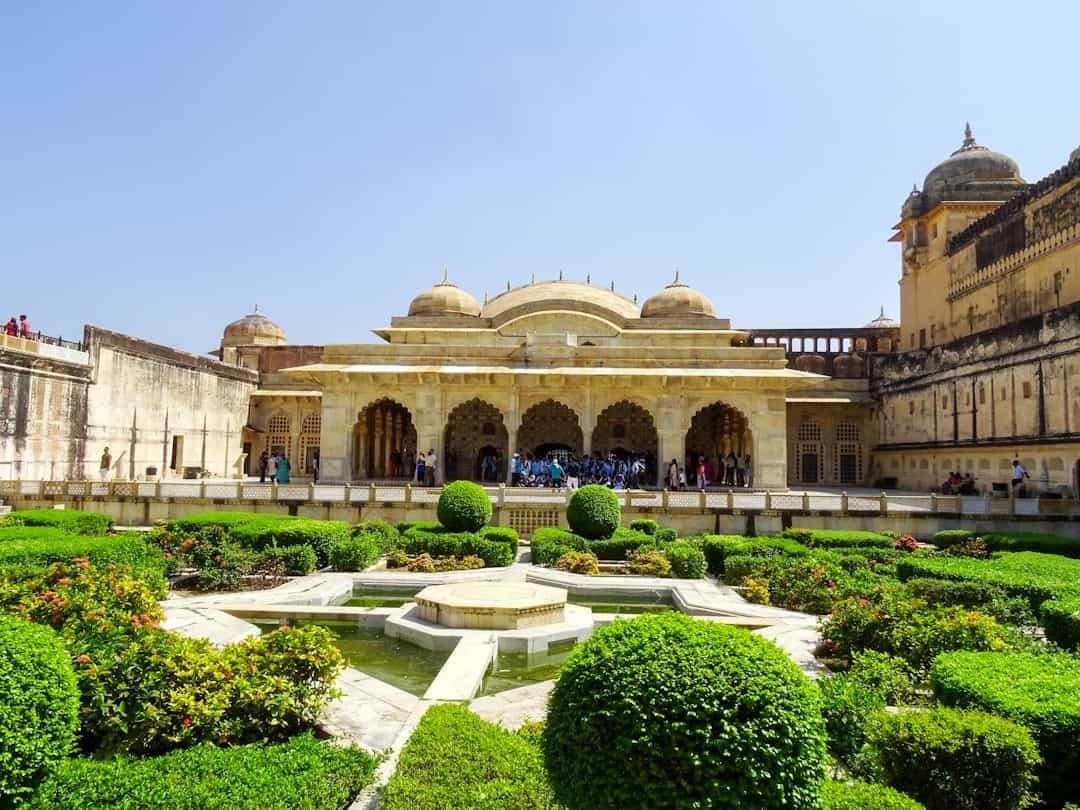
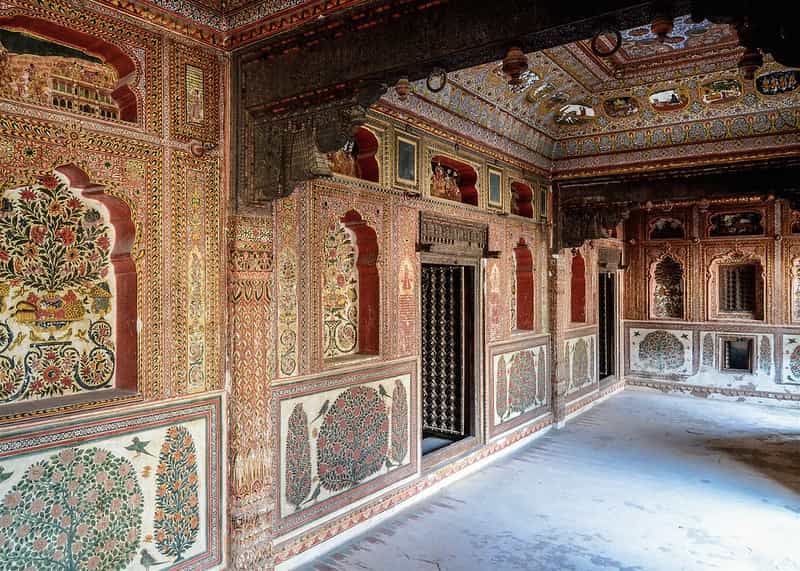
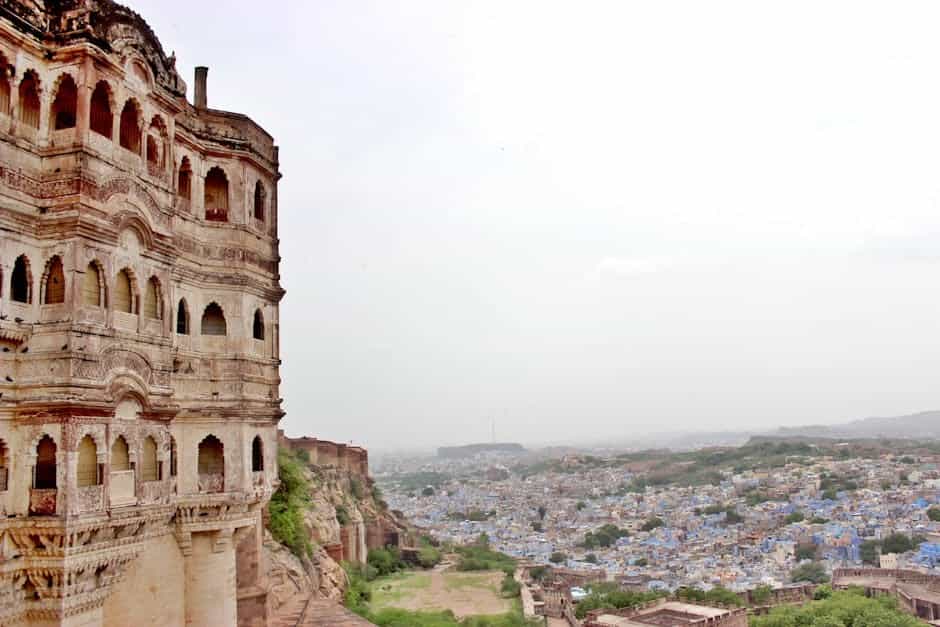
Chittorgarh Fort (Chittor Fort) is one of the largest forts in India and an iconic symbol of Rajput valor and heritage. Perched on a hill overlooking the town of Chittorgarh, the fort complex spans several square kilometers and contains palaces, towers, temples, reservoirs and memorials. This exploration provides history, architecture and panoramic views — ideal for history buffs, photographers and culture travelers.
Location
Chittorgarh Fort (Chittor Fort), Chittorgarh, India
Duration
3–5 hours (half-day). Full-day if combining with local museums and surroundings.
Best Time to Visit
October to March (cool, pleasant weather). Avoid heavy monsoon (July–September) due to slippery steps; summers (April–June) can be very hot.
Pricing
Approximate entry & cost (subject to change): Indian nationals: INR 30–100; Foreign nationals: INR 200–300; Camera fee: INR 25–100 (still/video). Local guide: INR 300–800 depending on duration. Note: Prices vary — check official ASI / local counter on arrival.
Activity Type
Coordinates
Highlights
Vijay Stambh (Tower of Victory) — 9-storey tower with carvings and panoramic views
Kirti Stambh (Tower of Fame) — Jain monument with intricate sculptures
Rana Kumbha Palace and ruined royal residences
Padmini Palace and the legends of Rani Padmini
Kalika Mata Temple (popular hilltop temple)
Meera Bai Temple and other religious shrines
Gaumukh Reservoir and ancient waterworks
Massive fortifications, gates (e.g., Padan Pol, Hanuman Pol), and battlefield memorials
Spectacular hilltop vistas and sunset/sunrise photo opportunities
Itinerary
Arrival & ticketing
Buy tickets at the ASI counter; confirm camera fees and opening hours. Arrive early to avoid heat and crowds.
Vijay Stambh & Kirti Stambh
Climb the towers for views and study the carvings. Expect many steep steps and narrow passages.
Palaces & Royal Complex
Explore Rana Kumbha Palace, Padmini Palace area and ruined courtyards; listen to local guide for legends and context.
Temples & Reservoirs
Visit Kalika Mata Temple, Meera Temple and Gaumukh reservoir; these illustrate religious life and water management in the fort.
Walk along fortifications & gates
Stroll past main gates like Padan Pol and Hanuman Pol; good vantage points for photography.
Optional museum / local lunch
Visit the local museum or descend to town for lunch. If staying longer, explore memorials and less-visited corners of the fort.
Safety Requirements
Wear sturdy, closed shoes — many uneven stone steps and rocky paths
Carry sufficient water and electrolytes (especially in hot months)
Sun protection: hat, sunscreen and sunglasses
Avoid slippery edges and do not climb on unstable ruins
Children should be supervised at all times due to steep drops and narrow steps
If you have mobility issues, check accessibility — much of the fort involves stairs and slopes
Respect restricted/protected areas — follow ASI signage
Tips
Start early (around opening time) for cooler temperatures and better light for photography
Hire a local ASI-licensed guide or a knowledgeable local guide to get historical context and stories
Carry photocopy of ID for ticketing if required and small change for camera fees or donations
Wear comfortable footwear and light, layered clothing for variable weather
Bring a power bank/extra batteries for cameras and phones; network can be patchy inside the fort
Combine your visit with the nearby Meera Temple, local museums or a village walk in Chittorgarh town
Respect the site — do not touch or deface carvings; follow all heritage protection rules
Check opening hours and any festival/holiday closures; some temples hold special events that can change access times