Dilwara Temples
Dilwara Temples are a group of exquisitely carved Jain temples located near Mount Abu in Rajasthan. Renowned for their extraordinary marble architecture and intricate sculptures, they date from the 11th to 13th centuries and are considered a masterpiece of Indian temple art. The complex offers a serene spiritual atmosphere combined with outstanding craftsmanship that draws pilgrims, history lovers, and art enthusiasts.
Location
Dilwara Temple Complex, Vimal Vasahi, Luna Vasahi, and others, Mount Abu, India
Duration
1.5–3 hours (typical visit); 3–5 hours if combined with nearby attractions like Nakki Lake and Trevor's Tank
Best Time to Visit
October to March (cooler, pleasant weather). Early mornings are best for fewer crowds and softer light for photography.
Pricing
Entrance: Nominal fee (varies by visitor category). Photography: Camera/phone photography may require a separate permit or fee in some areas. Prices and permit rules can change — check locally before visiting.
Activity Type
Coordinates
Highlights
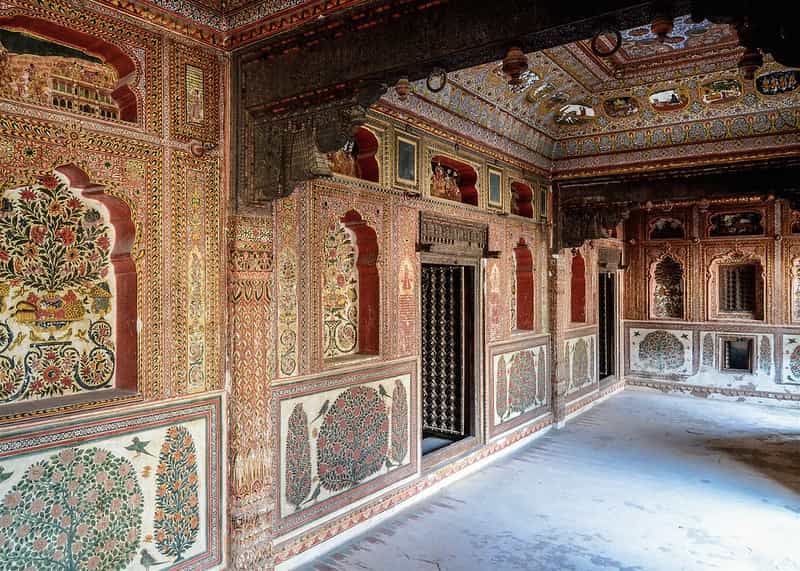
Exceptional marble carvings — pillars, ceilings, doorways and panels carved with astonishing detail.
Vimal Vasahi and Luna Vasahi — two of the most famous temples within the complex.
Serene spiritual atmosphere — active Jain pilgrimage site with regular rituals.
Close to Mount Abu’s attractions — Nakki Lake, Sunset Point, and wildlife areas.
Itinerary
Arrive early to avoid crowds; explore the main temples (Vimal Vasahi and Luna Vasahi).
Spend time admiring ceiling panels and carved pillars. Maintain silence and decorum.
Join or hire a local guide / audio guide for deeper historical and iconographic insights.
A guide will point out hidden motifs and explain Jain symbolism.
Walk around the complex and nearby monuments; visit the museum (if open).
Combine with a short trip to Nakki Lake or Trevor’s Tank after the temple visit.
Safety Requirements
Observe temple rules: remove shoes before entering inner sanctums.
Dress modestly (shoulders and knees covered) out of respect for religious norms.
No loud talking or disrespectful behavior inside the complex.
Avoid flash photography and tripod use where prohibited.
Watch steps and marble surfaces — they can be slippery, especially if wet.
Tips
Go early to avoid crowds and get the best light for photos.
Hire a licensed guide at the entrance for detailed history and symbolism.
Check opening hours and photography rules in advance — they can change for festivals or rituals.
Carry a small bottle of water and sunscreen; there is limited shade in some areas.
Wear socks or easy-to-remove shoes since you must leave footwear outside sanctums.
Combine your visit with nearby attractions in Mount Abu to make the most of your trip.