Pushkar Camel Fair (Oct–Nov)
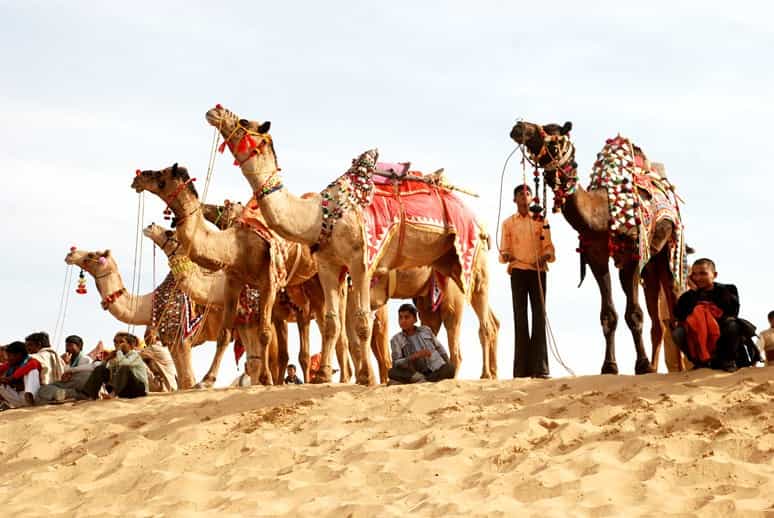
Annual livestock fair and cultural festival centered around camel trading, cultural performances and religious observances at Pushkar Lake and surrounding grounds. The fair combines traditional camel and cattle trading with competitions (camel races, moustache contests), folk music and dance, handicraft markets, and religious activities culminating around Kartik Purnima (full moon of the Hindu month of Kartik).
Location
Pushkar Fairgrounds & Pushkar Lake, Pushkar, India
Duration
Typically 5–7 days (annual), with many visitors staying 2–4 days to experience key events
Best Time to Visit
October–November (culminates on Kartik Purnima, date varies each year)
Pricing
General entry to the fair and public areas: free. Typical costs: guided day tours ₹1,000–₹3,500 (USD 12–42); camel rides ₹300–₹1,000 (USD 4–12); accommodation: basic campsite/tented village ₹1,500–₹3,500/night (USD 18–42), boutique tented camps ₹4,000–₹12,000/night (USD 48–145); specialty event tickets and private experiences vary. Shopping and bargaining expected for handicrafts, textiles and local foods. Prices vary with demand during the fair (peak higher).
Activity Type
Coordinates
Highlights
Massive camel, horse and livestock trading markets where breeders travel from across Rajasthan
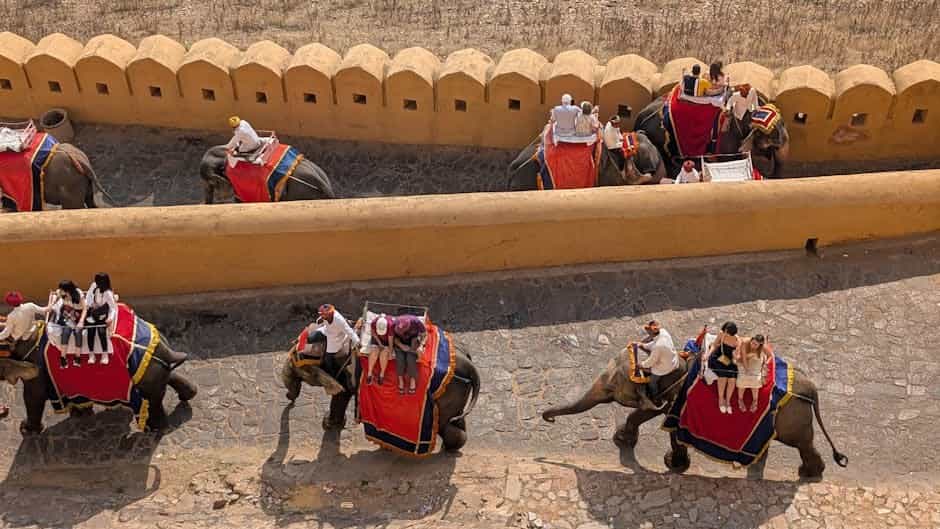
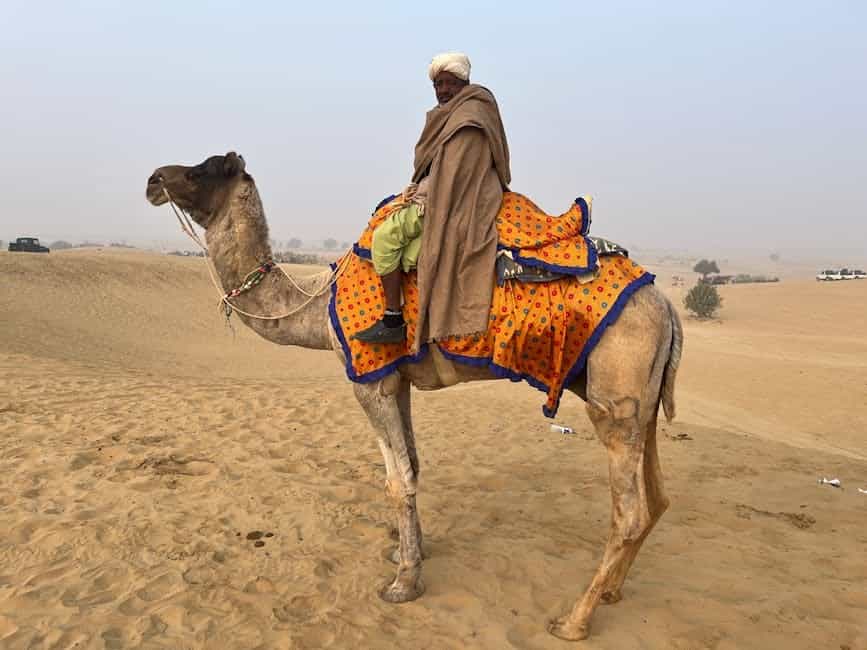
Camel events: races, camel beauty contests and ridden processions
Traditional competitions: moustache contests, turban-tying and matka (pot) balancing
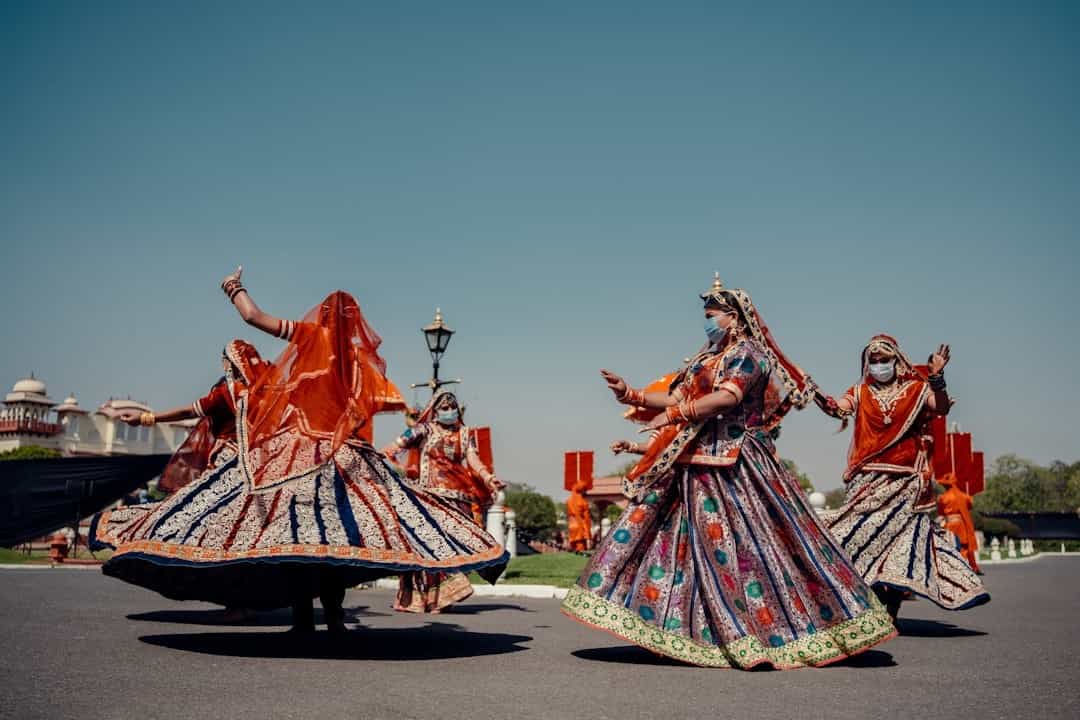
Vibrant folk music and dance performances, fire-eaters and street theatre
Handicraft and textile bazaars with Rajasthani goods, jewellery and antiques
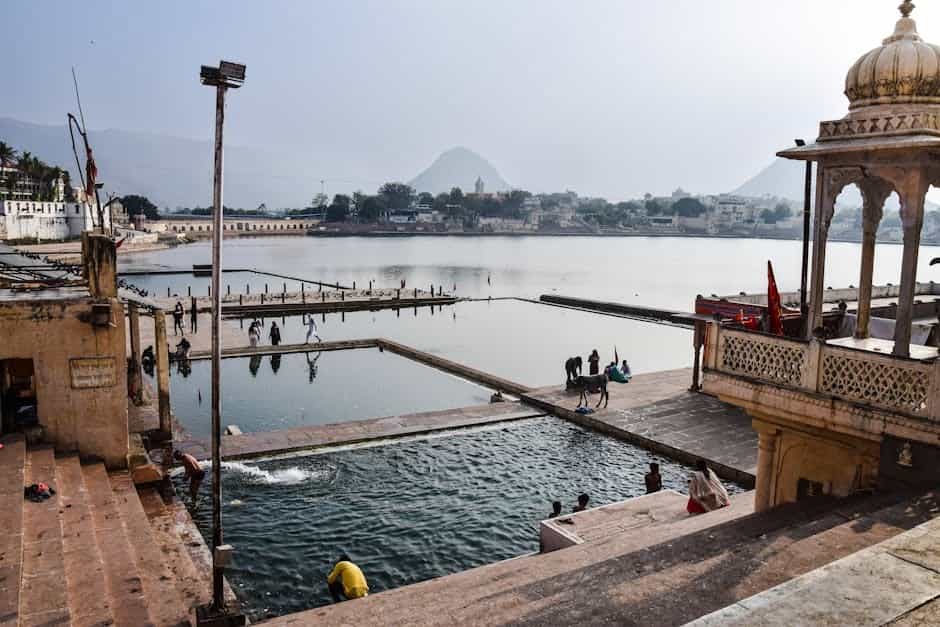
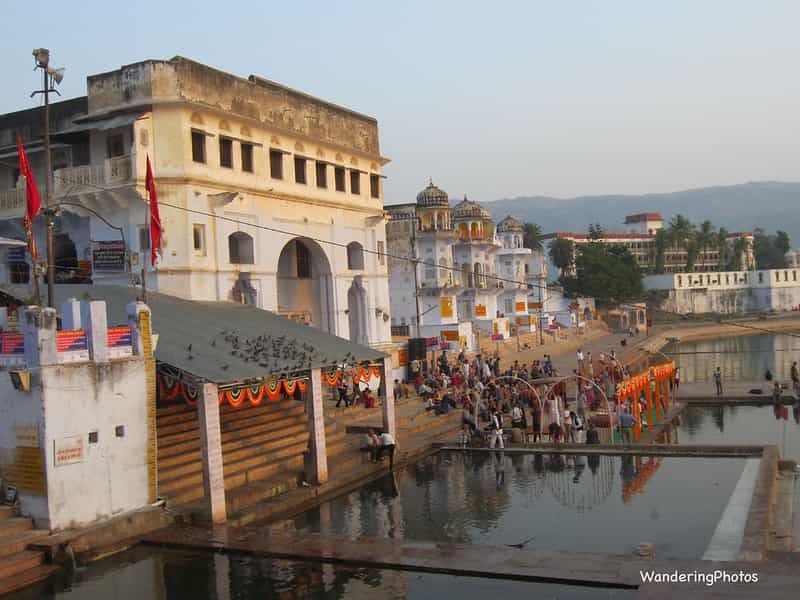
Religious experiences at Pushkar Lake and the Brahma Temple, especially on Kartik Purnima
Spectacular desert sunsets and the photogenic sight of camel herds and colourful turbans
Itinerary
Arrive in Pushkar, check into hotel or tented camp; evening walk around Pushkar Lake and ghats; witness aarti (evening prayer).
Settle in early — accommodation fills up quickly during the fair; pre-booked tents recommended.
Explore the camel and livestock markets; watch trading, inspect camels and meet breeders. Shop at handicraft stalls and sample street food.
Visit early morning for busiest market activity and best light for photography.
Attend camel races, beauty contests and novelty events (moustache, turban tying); evening folk performances and fireworks depending on schedule.
Event timings vary — check local notice boards or ask your guide/host for daily schedules.
Participate or observe rituals at Pushkar Lake, visit Brahma Temple, capture sunrise and sunset at the ghats; optional desert excursion or jeep safari nearby.
Respect religious customs at the lake—modest dress and silent observation during rituals appreciated.
Final shopping, revisit favourite spots, last cultural performances; depart Pushkar.
Allow extra time to travel to Ajmer or Jaipur for onward trains/flights as roads are congested during peak days.
Safety Requirements
Stay hydrated and carry sunscreen and a hat — daytime temperatures can be hot and sun exposure intense
Keep a safe distance from camels and livestock; animals may be unpredictable—follow handlers' instructions
Watch your belongings in crowded areas; pickpocketing can occur in busy markets
Book accommodation and transport in advance; roads and services are heavily occupied during the fair
If participating in rides or climbing onto animals, ensure the operator is reputable and uses proper safety measures
Be cautious on uneven ground around tents and lake ghats, especially after dusk
Tips
Wear lightweight, modest clothing that covers shoulders and knees—protects from sun and is respectful at religious sites
Carry cash (Indian Rupees). Many small vendors do not accept cards, and ATMs may run out during peak days
Bargain politely — haggling is expected for handicrafts and market goods
Book tented camps, hotels and guided tours at least 4–8 weeks in advance for the fair period
Bring a good camera and extra batteries/SD cards; early morning and late afternoon light is best for photos
Learn a few Hindi/Rajasthani phrases — it helps with bargaining and local interactions
Respect local customs at the ghats and during rituals; ask before photographing people in religious ceremonies
If traveling from Jaipur or Ajmer, allow extra travel time as road traffic increases; consider overnight stay nearby to avoid rushing