Junagarh Fort, Rajasthan
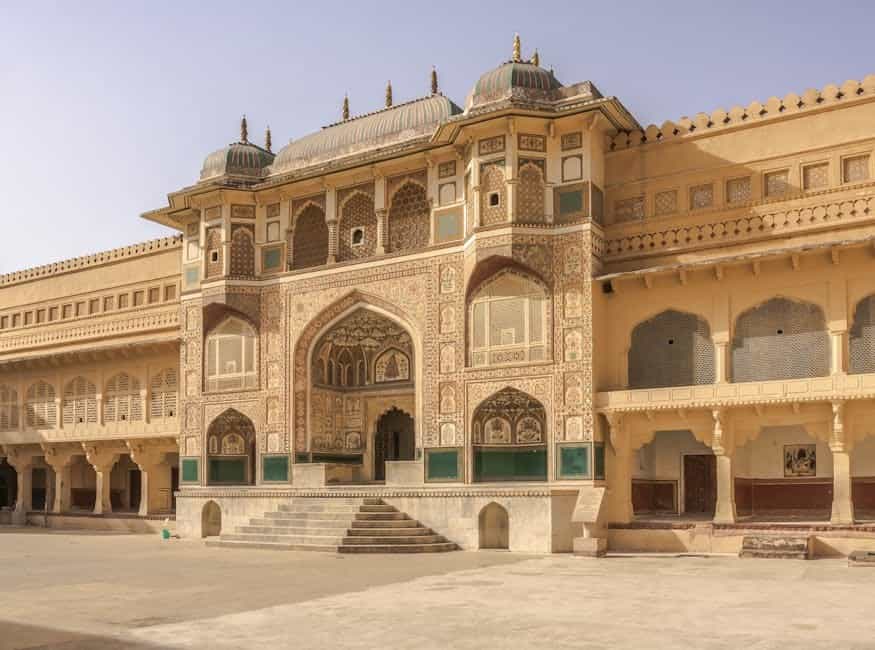
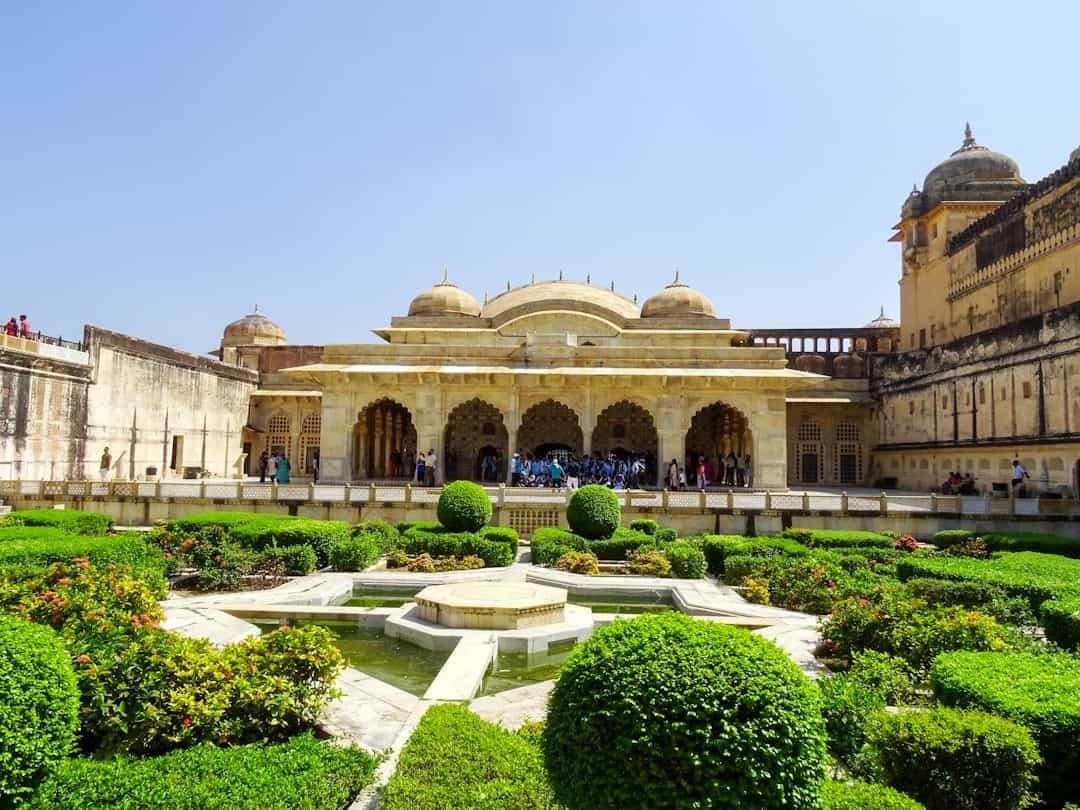
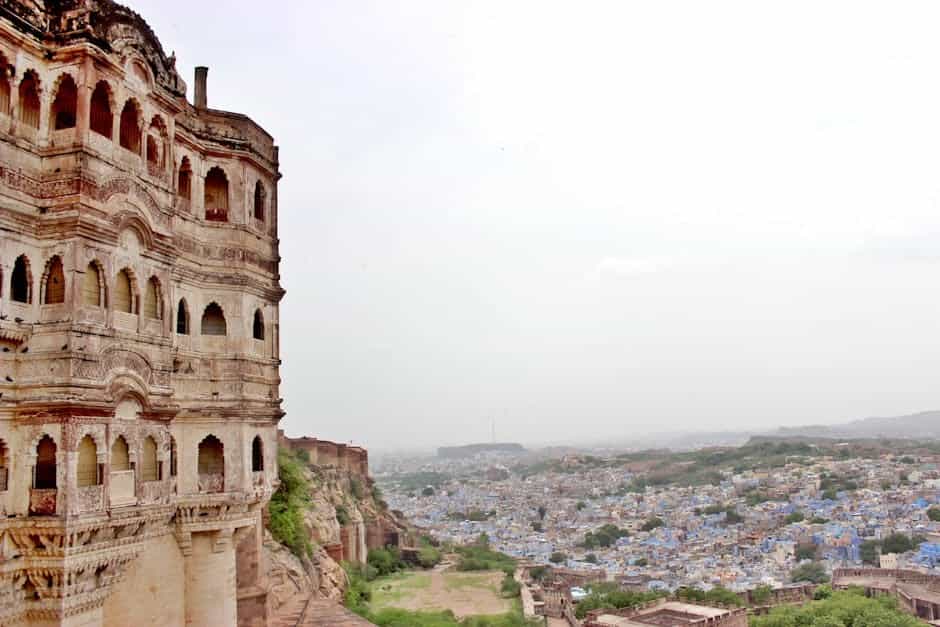
Junagarh Fort, Bikaner is a late 16th-century fort built by Raja Rai Singh (1593) of the Rathore dynasty. Unlike many Indian forts it is built on plain ground rather than a hill, and it remained unconquered historically. The complex is an important example of Rajput architecture with strong Mughal influences and preserves royal palaces, ornate halls, temples and courtyards that showcase Bikaner's political and cultural heritage. The fort's museums hold rich collections of weapons, manuscripts, textiles and miniature paintings that illuminate regional art and courtly life.
Last updated: 23 Oct 2025
Places to visit
- Anup Mahal (ceremonial hall with intricate woodwork and mirror inlay)
- Ganga Niwas / Karan Mahal (ornate palaces with painted ceilings and balconies)
- Rang Mahal (famous for its richly decorated interiors and mirror work)
- Chandra Mahal (residence of the rulers with fine frescoes)
- Zenana Mahal and Badal Mahal (women's quarters and distinctive balconies)
- Junagarh Fort Museum (armory, coins, manuscripts, costumes, miniature paintings)
- Temples within the complex (including Laxmi Narayan and other small shrines)
- Fort walls and gates (well-preserved ramparts, bastions and gateways)
Unique Aspects
- Built on plain ground (unique among major Rajasthani forts)
- Fine blend of Rajput and Mughal architectural elements
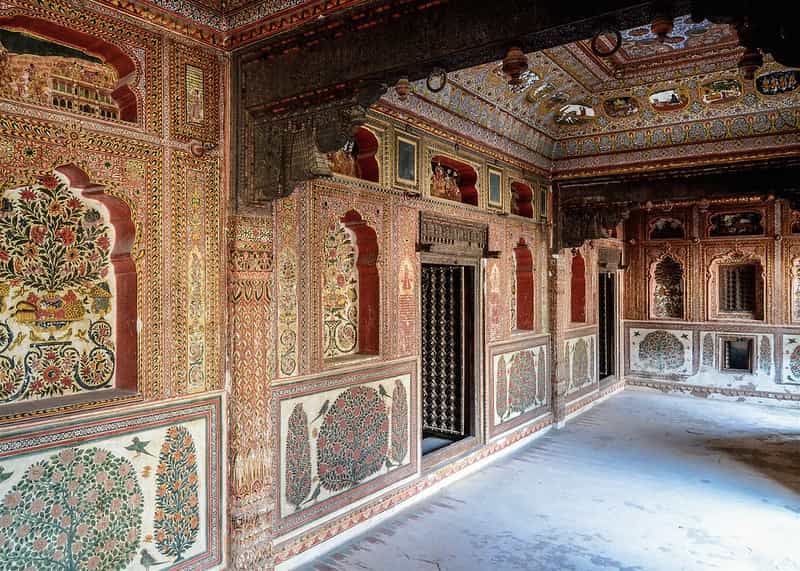
- Intricate frescoes, mirror-work, jali (lattice) screens and carved stone
- Rich museum collections of weapons, textiles, manuscripts and miniature paintings
- Well-preserved courtyards, balconies and painted ceilings
Things to do
- Guided tours of palaces, courtyards and the museum
- Photography of frescoes, jharokhas and detailed carvings
- Exploring the museum’s collection of weapons, costumes and manuscripts
- Walking the fort ramparts and gates to appreciate defensive architecture
- Shopping nearby for local handicrafts and Bikaneri specialties
Best Time to Visit
October to March (pleasant temperatures and ideal for sightseeing). Avoid peak summer months (April–June) when temperatures often exceed 40°C / 104°F.
Weather Conditions
Hot and arid summers, cool winters with chilly nights. Low humidity year-round as Bikaner lies in the desert region.
Entry Fees & Permits
Typical opening hours: ~9:00 AM to ~5:00 PM (check locally for current timings). Entry fees vary and are subject to change — usually a modest charge for Indian visitors and a higher fee for foreign tourists; the museum may have a separate ticket. Audio guides or guided tours may carry extra charges.
Accessibility
Located in central Bikaner, the fort is easily reached by rickshaw, taxi or local bus. Nearest major transport hubs: Bikaner Junction (railway) and Bikaner (Nal) Airport. The fort has many steps and uneven flooring; wheelchair access is limited in many areas — inquire at the entrance for accessible routes or assistance.
Recommended Duration
Plan for 2–3 hours to see the main palaces and museum; allow more time for detailed exploration or photography.
Clothing & Gear Tips
Comfortable walking shoes, sun protection (hat, sunscreen) in summer; warm layers for winter mornings/evenings. Respectful clothing is advised when visiting temples or royal quarters (cover shoulders and knees).
Local Food & Souvenirs
Try Bikaneri bhujia, local sweets and Rajasthani snacks at nearby shops. Popular souvenirs: Bikaneri bhujia (packed), textiles (bandhej/bandhani), embroidered fabrics, mojari (traditional leather shoes), miniature paintings, and local handicrafts.