Kumbhalgarh Wildlife Sanctuary, Rajasthan
Kumbhalgarh Wildlife Sanctuary sits on the Aravalli Range in Rajasthan and forms an important biodiversity and cultural landscape around the 15th-century Kumbhalgarh Fort. The sanctuary protects dry deciduous and scrub forest ecosystems that provide habitat for large mammals, herbivores and a variety of birds and reptiles. It also functions as an ecological corridor in the Aravalli hills and conserves watershed areas that sustain local communities.
Last updated: 23 Oct 2025
Places to visit
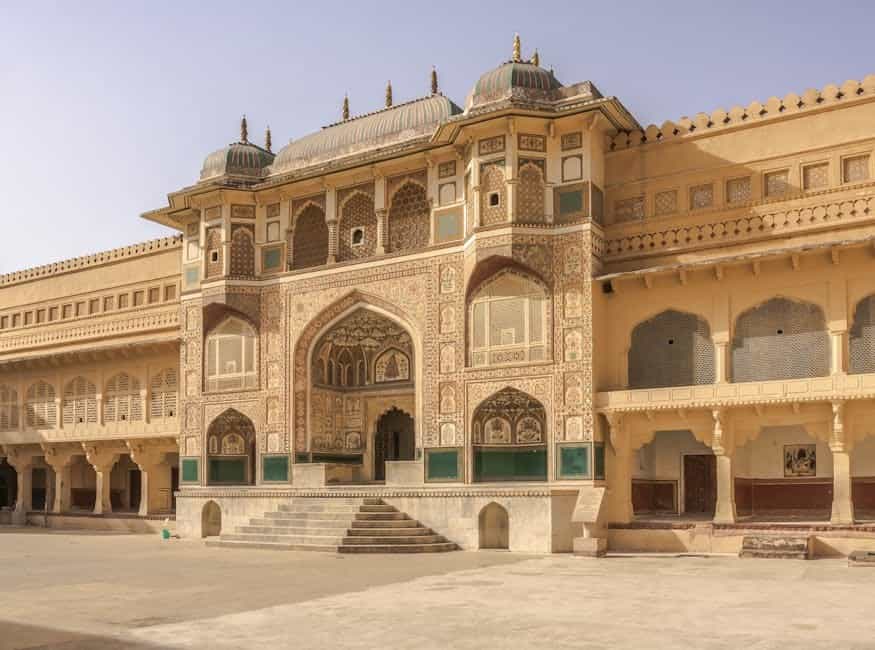
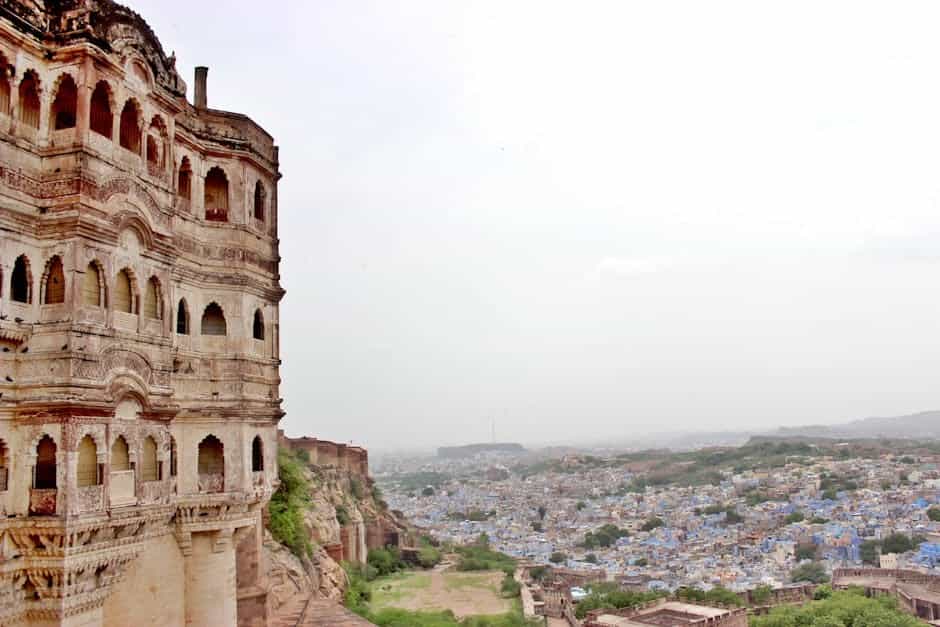
- Kumbhalgarh Fort — hilltop fort with panoramic views and historic ramparts
- Wildlife sightings — leopard, sloth bear, Indian wolf, sambar, chital, nilgai and wild boar
- Birdlife — resident and migratory species, good for birdwatching
- Scenic Aravalli ridges, valleys and seasonal streams
- Trekking and nature trails leading to viewpoints and remote ruins
Unique Aspects
- Dry deciduous and thorn-scrub forest typical of the Aravallis
- Rocky outcrops and ridgelines offering panoramic viewpoints
- Seasonal grasslands and waterholes that attract wildlife
- Cultural landscape with villages, traditional grazing areas and historic forts
Things to do
- Guided jeep safaris and nature drives (best early morning or late afternoon)
- Birdwatching and wildlife photography
- Trekking and short hikes on established trails
- Visit to Kumbhalgarh Fort and museums/interpretation centres nearby
- Camping near designated sites (with permissions) and stargazing
Best Time to Visit
October to February (pleasant cool weather for safaris and trekking). Monsoon (July–September) brings lush green scenery but some trails and roads may be slippery; summers (April–June) are hot and best avoided for strenuous activity.
Weather Conditions
Semi-arid to dry deciduous climate: hot summers (April–June), monsoon showers (July–September) and mild winters (November–February). Nights can be chilly in winter.
Accessibility
Nearest major city: Udaipur (roughly 80–100 km depending on route). Nearest airport: Maharana Pratap Airport (Udaipur). Railheads: regional stations such as Falna/Mavli/Jodhpur (distances vary). Road access is by state highways; private cars, taxis and organized tours are common ways to reach the sanctuary. Some interior roads may be rough—4x4 or high-clearance vehicles recommended for remote trails.
Recommended Duration
Plan 1–2 days to combine a sanctuary safari and a visit to Kumbhalgarh Fort; 2–3 days if you want more trekking, birding and relaxed exploration.
Clothing & Gear Tips
Light, breathable clothing for daytime; warm layers for winter mornings/evenings. Good walking shoes or boots, hat, sunscreen, sunglasses, binoculars, insect repellent, refillable water bottle and a basic first-aid kit. For monsoon travel, bring waterproof gear and sturdy footwear.
Local Food & Souvenirs
Try Rajasthani specialties such as dal-baati-churma, gatte ki sabzi and local sweets. Village eateries offer rustic regional fare. Souvenirs include Rajasthani textiles, tie-and-dye (bandhani), handicrafts, puppets and miniature paintings—available in nearby towns and markets.