Lalgarh Palace & Museum, Rajasthan
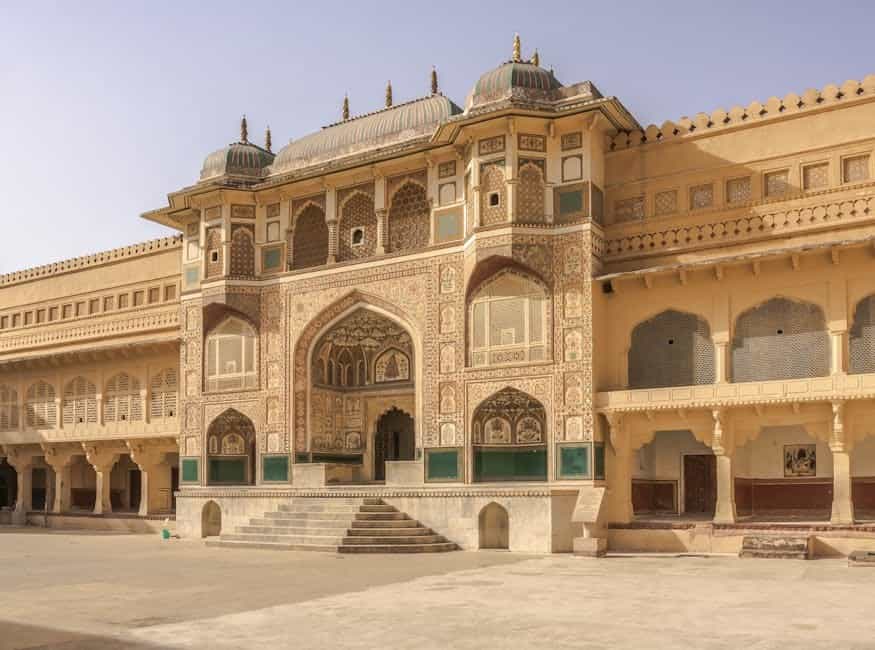
Lalgarh Palace in Bikaner, Rajasthan is an early-20th-century royal complex built by Maharaja Ganga Singh. Constructed in red sandstone in an Indo-Saracenic style, the palace blends Rajput, Mughal and European architectural elements and stands as a major symbol of Bikaner's royal heritage. Today parts of the complex house a museum containing the royal family's artifacts, costumes, photographs and weaponry, offering insight into the region's history, craftsmanship and courtly life.
Last updated: 23 Oct 2025
Places to visit
- Laxmi Niwas (Main Palace Wing) – the most ornate section, often noted for its grand halls and reception rooms.
- Durbar Hall – lavish court hall used for royal audiences, decorated with stained glass, woodwork and chandeliers.
- Museum Galleries – exhibitions of royal costumes, portraits, manuscripts, weapons, palanquins and vintage carriages.
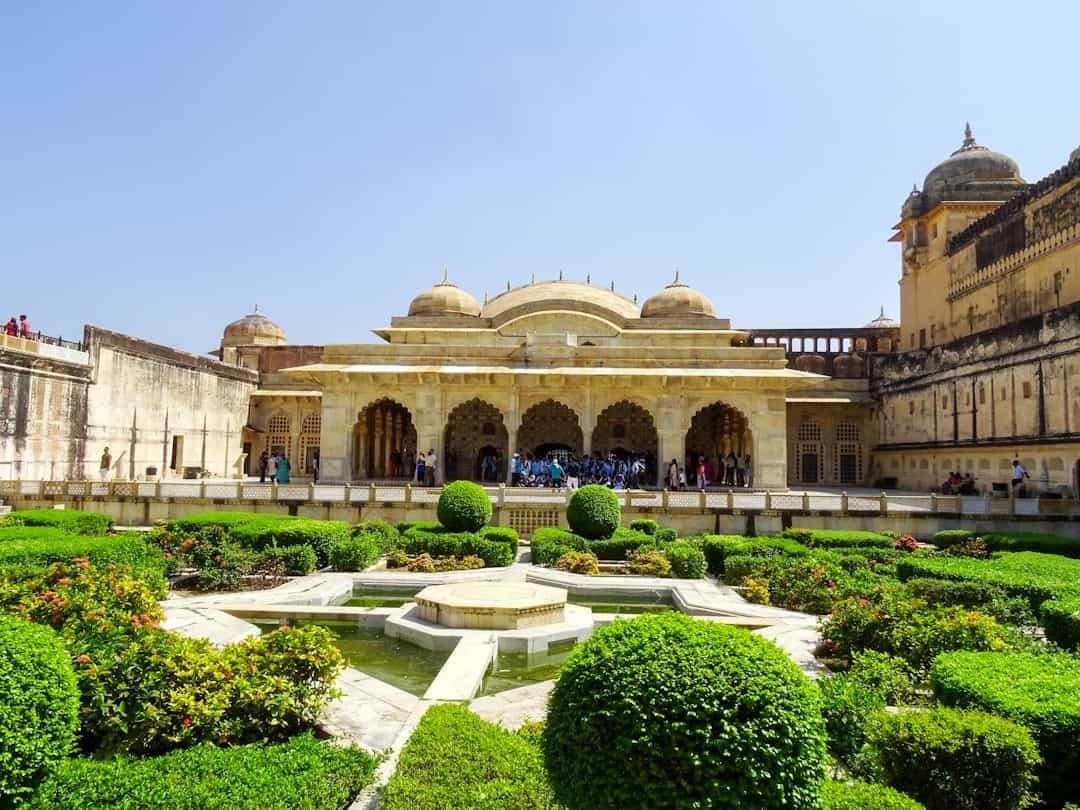
- Architectural Façade & Courtyards – striking red sandstone exteriors, carved jali screens and colonnaded verandas.
Unique Aspects
- Distinctive Indo-Saracenic architecture combining Rajput and Mughal motifs with European influences.
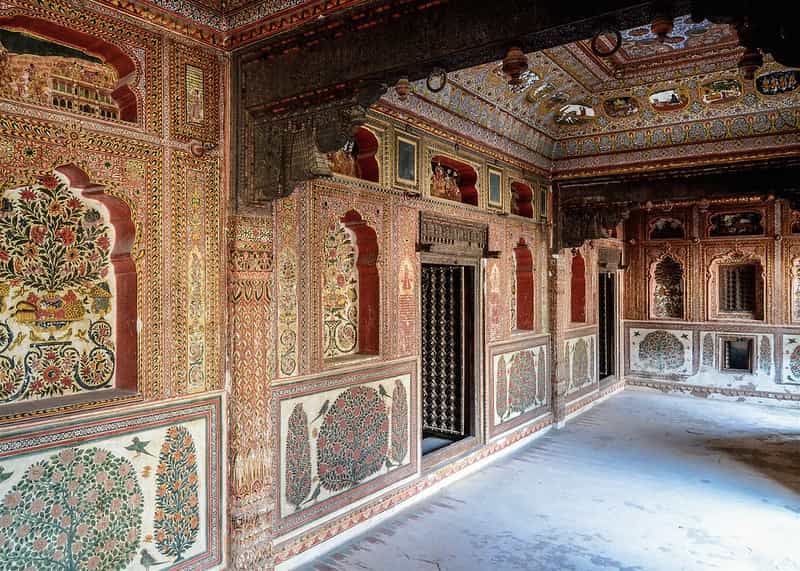
- Intricate carved stone lattices (jalis), stained-glass windows and detailed woodwork.
- Well-preserved royal personal effects: ceremonial costumes, miniature paintings, and transport artefacts.
- Atmospheric courtyards and terraces ideal for photography and small cultural events.
Things to do
- Guided or self-guided tours of the palace and museum galleries.
- Photography of the façade, courtyards and interior details (check photography rules onsite).
- Exploring nearby heritage sites in Bikaner such as Junagarh Fort and Rampuria Havelis.
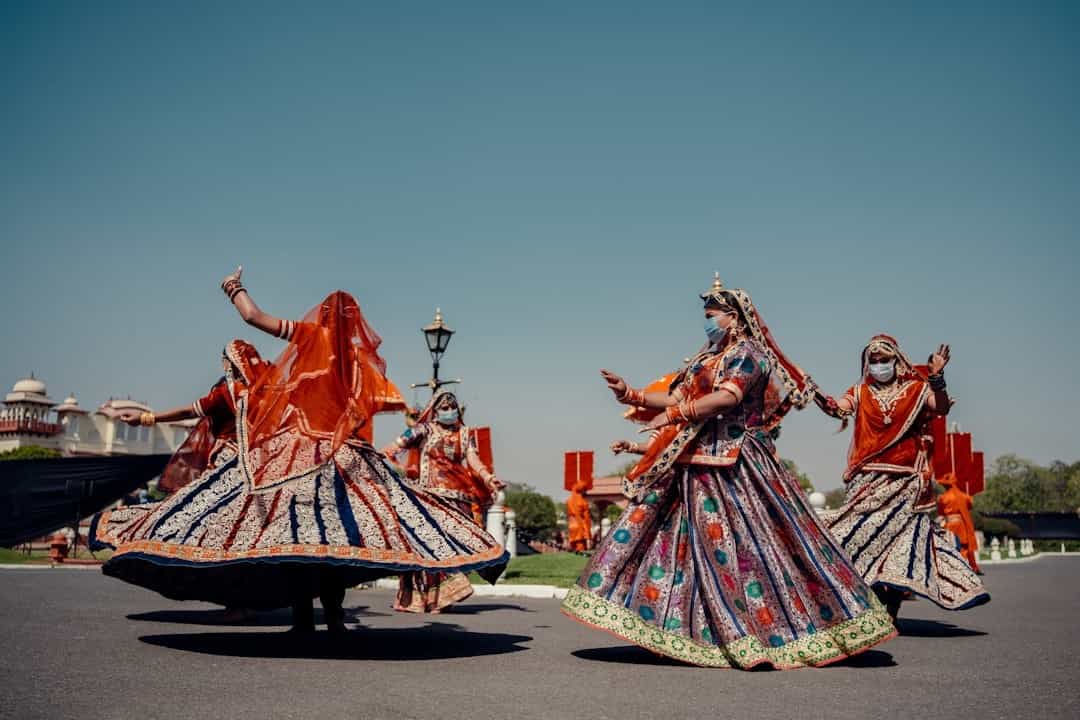
- Attending occasional cultural programs or heritage events if scheduled at the palace.
Best Time to Visit
October to March — pleasant temperatures and the most comfortable time for sightseeing.
Weather Conditions
Hot, dry summers (April–June) with temperatures that can exceed 40°C; a short monsoon (July–September) with light rainfall; cool, crisp winters (November–February).
Entry Fees & Permits
The palace houses a public museum with a moderate entry fee and regular opening hours (commonly daytime, e.g., roughly 9:00–17:00). Photography or video may attract an additional charge. Check current fees and hours locally or on the official site before visiting.
Accessibility
Located in Bikaner city — easily reachable by road. Nearest transport hubs: Bikaner Junction railway station and Bikaner (Nal) Airport serve the city. Local taxis, auto-rickshaws and rental vehicles provide access from the station and city center.
Recommended Duration
Plan 1–2 hours for a focused visit to the palace and museum; longer if combining nearby attractions into a half-day tour.
Clothing & Gear Tips
Light, breathable clothing in summer and warm layers in winter. Comfortable walking shoes, a hat, sunscreen and a water bottle are recommended. Dress modestly when visiting heritage and religious sites.
Local Food & Souvenirs
Try Bikaneri bhujia, local sweets and Rajasthani snacks. Good souvenirs include embroidered textiles, handcrafted leather goods, spice mixes and packets of bhujia from reputable shops.