Ranthambore Fort, Rajasthan
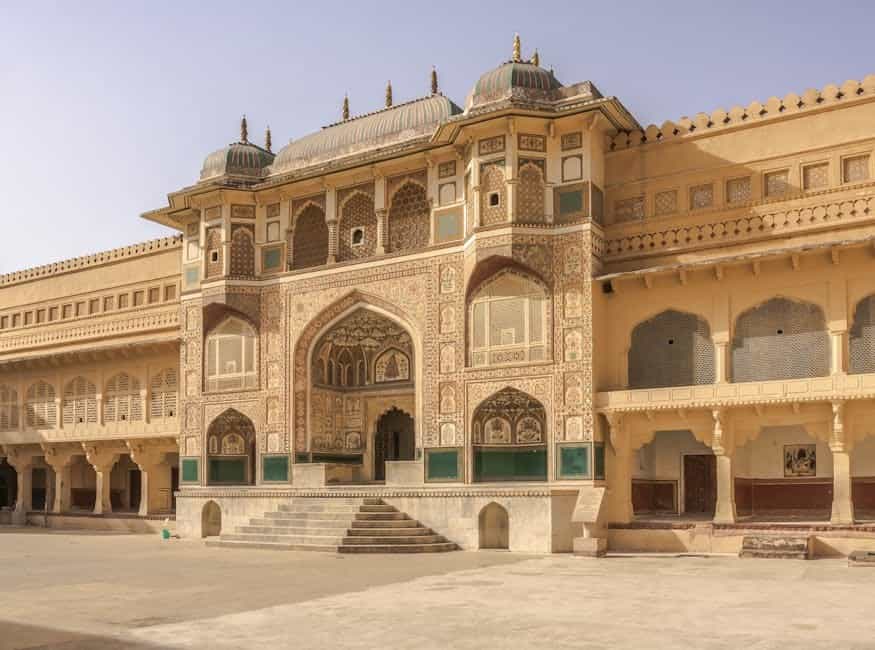
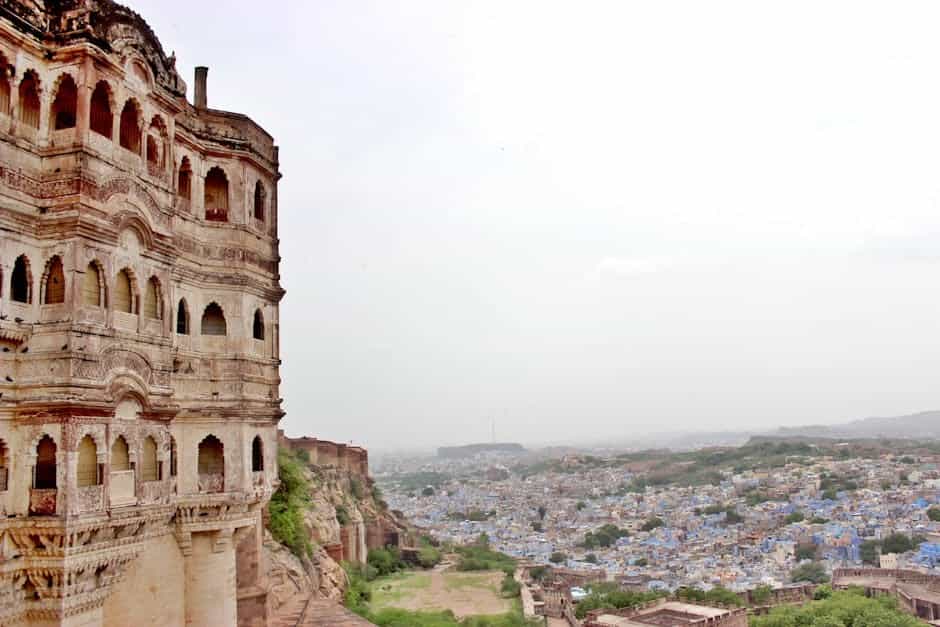
Ranthambore Fort is a medieval hill fortress set within Ranthambore National Park in Rajasthan. It has strategic historical importance as a frontier stronghold for Rajput rulers (notably the Chauhan dynasty) and later contested by various Sultanate and Mughal forces. The fort's ruins, massive sandstone ramparts and ancient temples reflect a blend of military architecture and religious culture. Natural importance stems from the fort's setting inside one of India’s premier tiger reserves—offering a rare combination of heritage and wildlife in a single protected landscape.
Last updated: 23 Oct 2025
Historic Anecdotes
Local lore speaks of the fort's long history of legendary sieges and valor; the Ganesh temple within the fort is a center for pilgrimage and is associated with stories of miraculous protection. Visitors and guides often recount tales of Rajput bravery, imperial sieges, and hidden treasures—stories that have grown around the fort’s imposing ruins and its dramatic setting above the surrounding forest and lakes.
Places to visit
- The fort ramparts and massive gateways
- Ancient temples inside the fort precincts (including the Ganesh temple)
- Panoramic viewpoints overlooking Ranthambore National Park and nearby lakes
- Stone ruins: palaces, watchtowers and throne rooms
- Wildlife vistas from the fort—occasional tiger and large mammal sightings in the valley below
Unique Aspects
- Hilltop location offering dramatic sunrise and sunset vistas over the tiger reserve
- Blend of sandstone military architecture with religious shrines set within the jungle
- Proximity and visual connection between a major heritage monument and an active wildlife sanctuary
- Photogenic ruins and rock formations suitable for landscape and heritage photography
Things to do
- Guided walks and history tours of the fort ruins and temples
- Combine a fort visit with morning or afternoon safaris in Ranthambore National Park
- Photography of architecture, panoramas and wildlife from fort viewpoints
- Birdwatching from terraces and ramps
- Short hikes and exploration of ruins—moderate climbing on steps and rocky paths
Festivals & Events
- Local celebrations of major Rajasthani festivals such as Diwali and Holi in nearby towns
- Occasional cultural programs or heritage walks organized by local tourism bodies or the park
- Pilgrimage-related observances at the Ganesh temple inside the fort on relevant festival days
Best Time to Visit
Best time: October to March for pleasant weather and higher chances of wildlife sightings; park and fort are typically busiest in winter. Monsoon months (July–September) may limit access and visibility.
Weather Conditions
Rajasthan’s seasonal extremes: hot and dry in summer (April–June), monsoon rains (July–September), cool to chilly winters (December–February). Early mornings can be cold in winter, while daytime sun is strong in other seasons.
Entry Fees & Permits
Entry & timings: The fort itself is open to visitors year-round subject to local regulations; Ranthambore National Park has seasonal opening months and timed safaris with advance booking and fees. Entry fees, safari charges and timing windows vary by authority and season—check the official park and state tourism websites or local ticket counters before travel.
Accessibility
Nearest railhead: Sawai Madhopur (on the Delhi–Mumbai line), approximately 10–15 km by road. Nearest major airport: Jaipur (approx. 160–180 km by road). By road: Well-connected via bus and private car from Jaipur, Kota and other regional centers. On-site mobility: Reaching the fort requires walking and some climbing; paths can be uneven—limited facilities for visitors with reduced mobility.
Recommended Duration
Plan 1–2 days if you only want the fort and a single safari; 2–3 days are ideal to combine multiple safaris, time to explore the fort at leisure and short village or market visits.
Clothing & Gear Tips
Wear comfortable, sturdy shoes for climbing ruins; layered clothing for cool mornings and warm afternoons; hat, sunscreen, sunglasses, refillable water bottle, binoculars and a camera. Carry insect repellent during warmer months.
Local Food & Souvenirs
Try Rajasthani cuisine in Sawai Madhopur and nearby lodges—dishes such as dal-baati-churma and local kebabs. Souvenir options include Rajasthani textiles, handcrafted jewellery, miniature paintings, spices and pottery. Purchase from reputable shops or certified cooperatives.