Thar Desert, Rajasthan
Thar Desert (Great Indian Desert) is the largest desert region in India, spanning much of western Rajasthan. It is important historically as a corridor for ancient trade routes and the development of Rajput kingdoms (notably Jaisalmer, Jodhpur and Bikaner). Culturally it is famous for vibrant folk traditions, music and crafts. From a natural perspective it hosts specialized desert flora and fauna (for example khejri trees, desert fox, chinkara, and pockets of migratory birds) and unique dune ecosystems important for local livelihoods.
Last updated: 23 Oct 2025
Places to visit
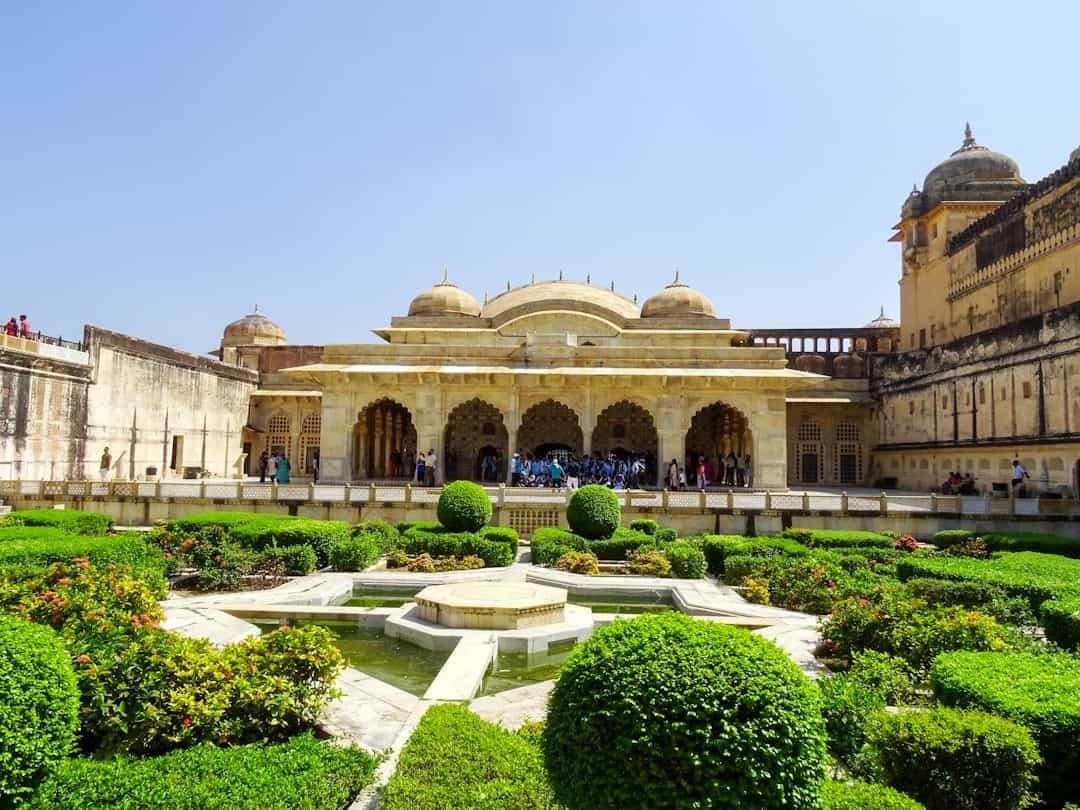
- Jaisalmer Fort (Sonar Quila) and surrounding havelis (Patwon Ki Haveli, Salim Singh Ki Haveli)
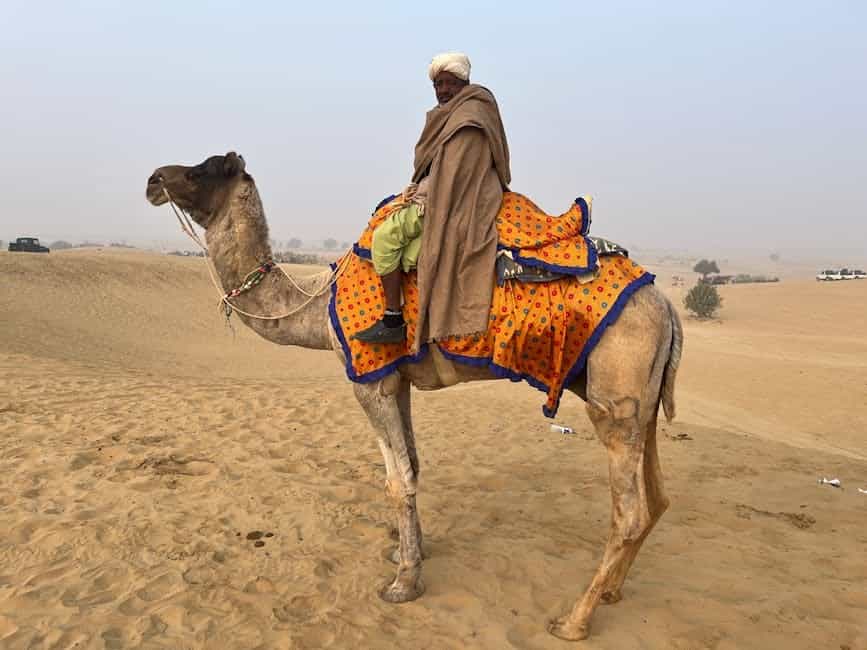
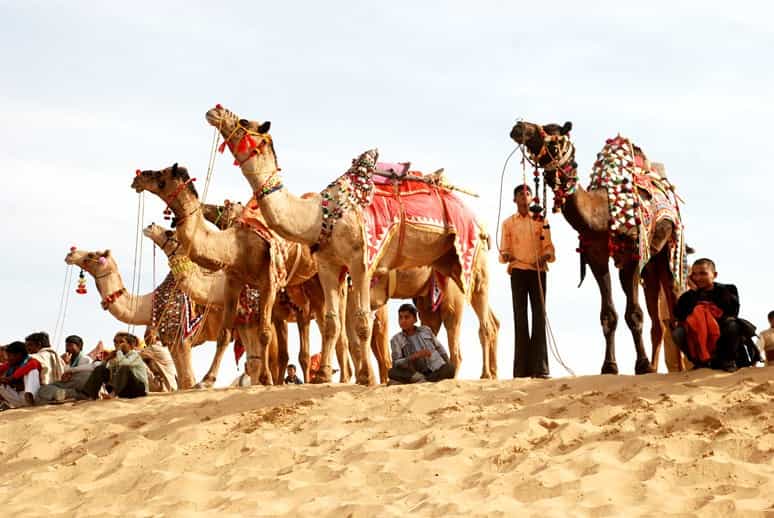
- Sam Sand Dunes and Khuri Dunes (camel safaris & sunset views)
- Desert National Park (near Jaisalmer) — wildlife and birdlife
- Bikaner (Junagarh Fort, Karni Mata Temple nearby)
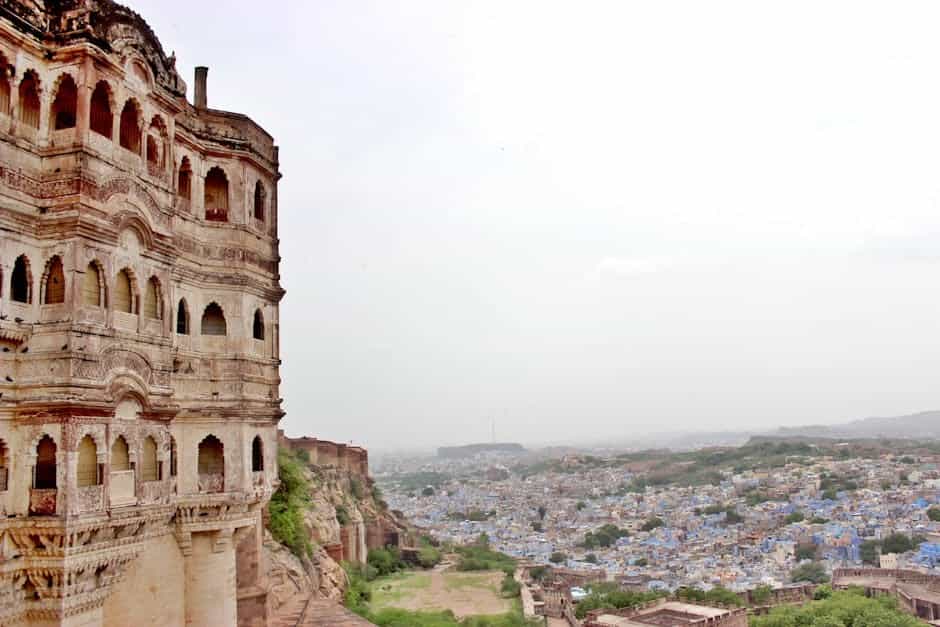
- Jodhpur (Mehrangarh Fort) — gateway to the Thar fringes
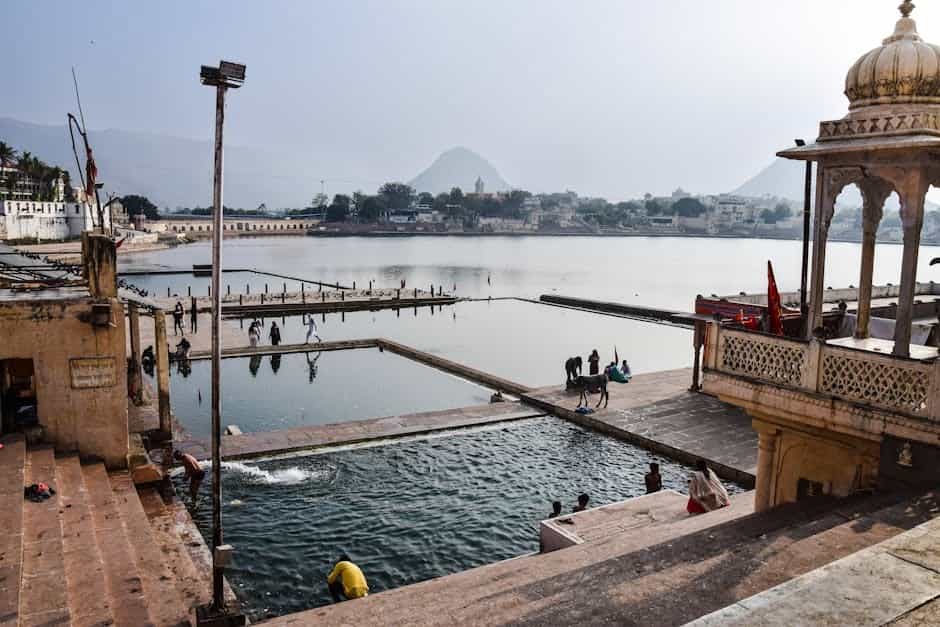
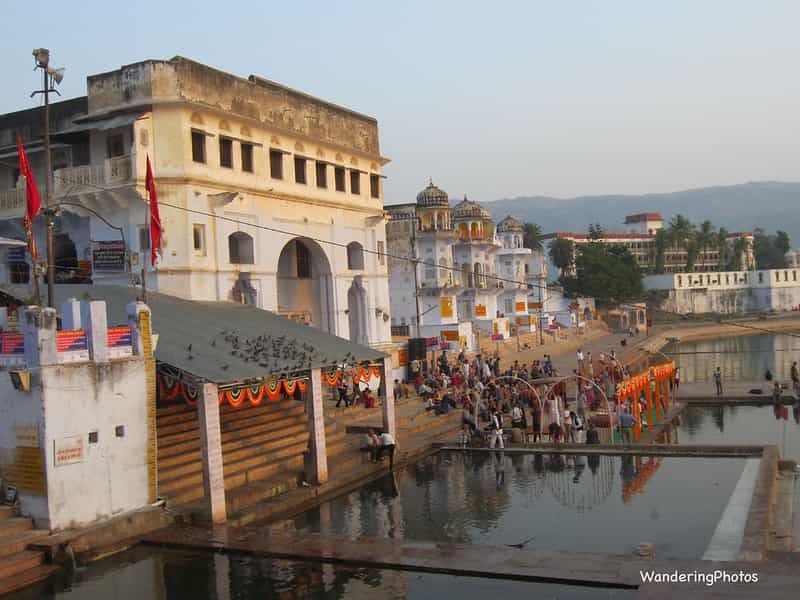
- Osian (ancient temples) and Khimsar/Pushkar fringe areas
- Kuldhara (abandoned village) and rural desert villages for cultural visits
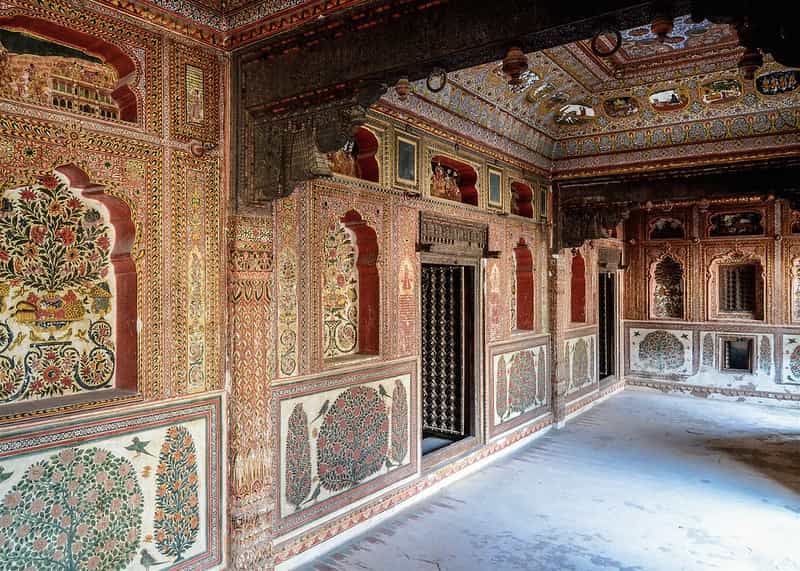
- Shekhawati region (Mandawa) — painted havelis and frescoes
Unique Aspects
- Golden sand dunes with dramatic sunrise/sunset colors
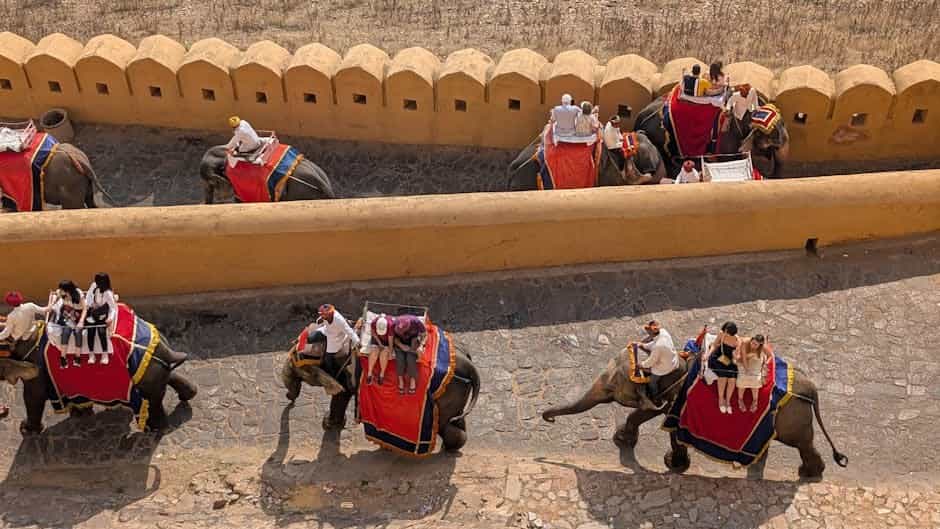
- Camel caravans and traditional camel safaris
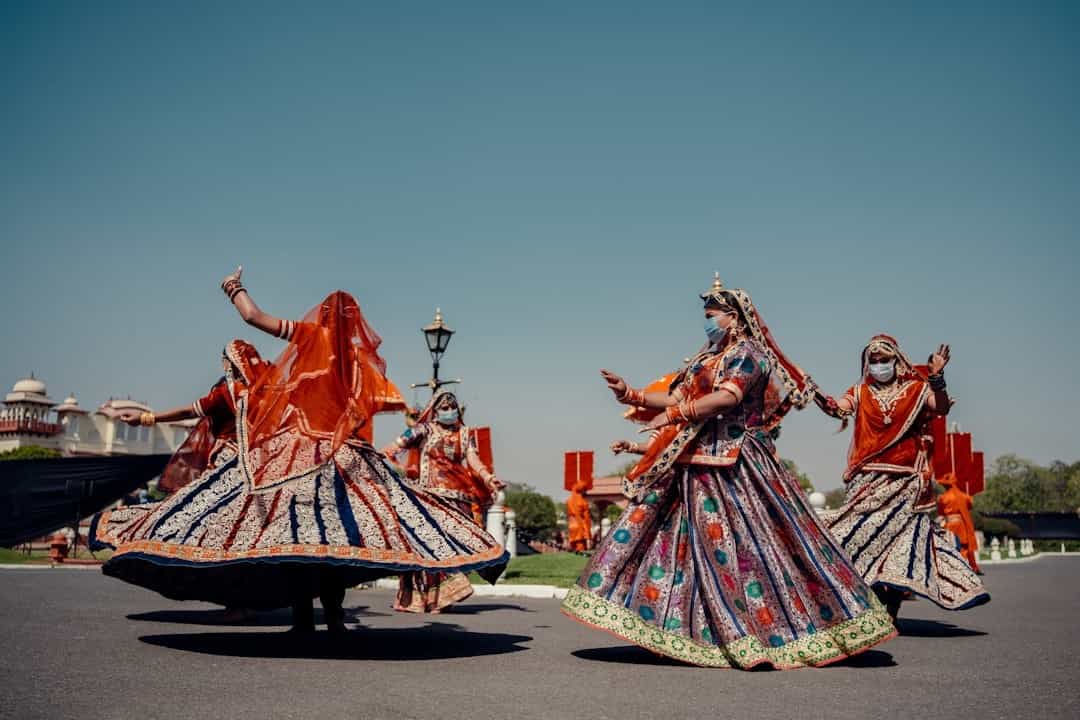
- Vibrant folk music & dance traditions (e.g., Kalbelia, Manganiyar)
- Clear, dark night skies ideal for stargazing
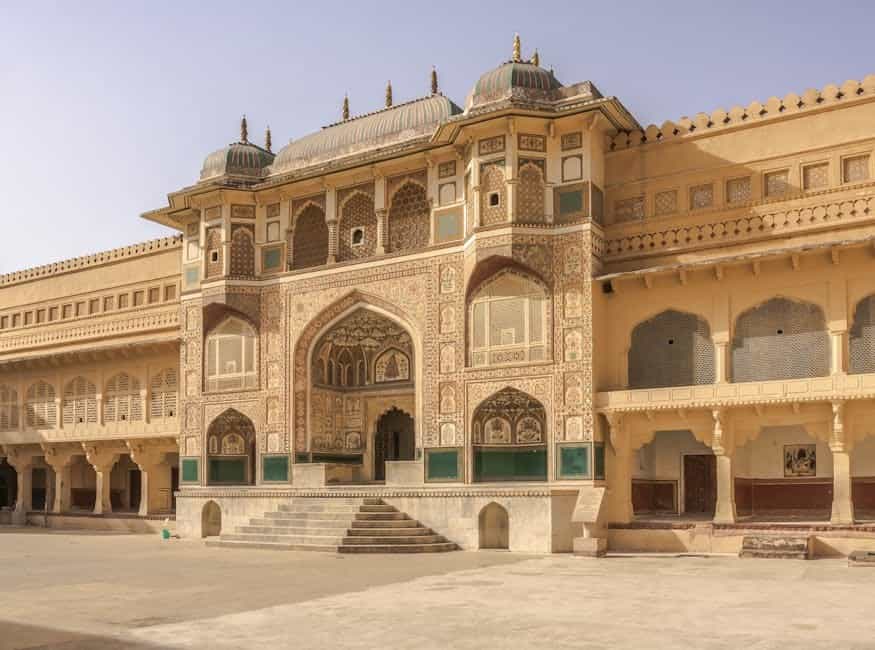
- Distinctive desert architecture: sandstone forts, carved havelis and step-wells
- Seasonal bloom and a brief green flush after monsoon in parts
Things to do
- Camel safaris (short rides to multi-day camel treks)
- 4x4 jeep safaris and dune bashing in designated areas
- Overnight dune camping with cultural programs and bonfires
- Heritage walks in Jaisalmer, Bikaner, Mandawa and Osian
- Wildlife spotting in Desert National Park (guided safaris)
- Night-sky/stargazing sessions and photography tours
- Shopping for textiles, bandhni, mojari, lac jewellery and leather goods
- Participating in village homestays to experience local life
Best Time to Visit
October to March — comfortable days and cool nights ideal for safaris and sightseeing. The period of April to June is extremely hot; July to September is monsoon/shoulder season (sparse rains can make the desert surprisingly green but some services reduce).
Weather Conditions
Arid climate with extreme temperatures: summers can exceed 45°C (113°F), winters may drop to near 0–5°C (32–41°F) at night. Large diurnal temperature variation is common. Rainfall is low and erratic (mainly during monsoon).
Accessibility
Access by air (Jaisalmer Airport — limited flights; Jodhpur and Bikaner have better connectivity), rail (Jaisalmer, Jodhpur, Bikaner stations on Indian Railways) and road (national/state highways and long-distance buses). Local travel by hired car, taxi, jeep or camel. Note: Some border or army-protected zones near the international border may require permits or restricted access — check with local authorities if you plan to visit border posts (e.g., Longewala area).
Recommended Duration
3–5 days for a focused Jaisalmer desert experience (dunes, fort, havelis). 7–10 days to include Jodhpur, Bikaner, Mandawa/Shekhawati and surrounding desert highlights.
Clothing & Gear Tips
Bring light, breathable cottons for daytime, warm layers for cold desert nights, a wide-brim hat, sunglasses, high-SPF sunscreen, lip balm, sturdy closed shoes or sandals, a scarf/dupatta to protect from dust, and a warm jacket for winter nights. Carry a basic first-aid kit and any prescription medicines.
Local Food & Souvenirs
Try Rajasthani specialties: Dal Baati Churma, Laal Maas, Ker Sangri, bajra rotla, gatte ki sabzi and sweet treats like ghevar. For souvenirs buy bandhani (tie-dye) textiles, embroidered textiles, mojari (traditional shoes), camel leather items, lac jewellery, puppets and carved sandstone artifacts.