Gangabal Lake: Kashmir's Sacred High-Altitude Trek for Pilgrims
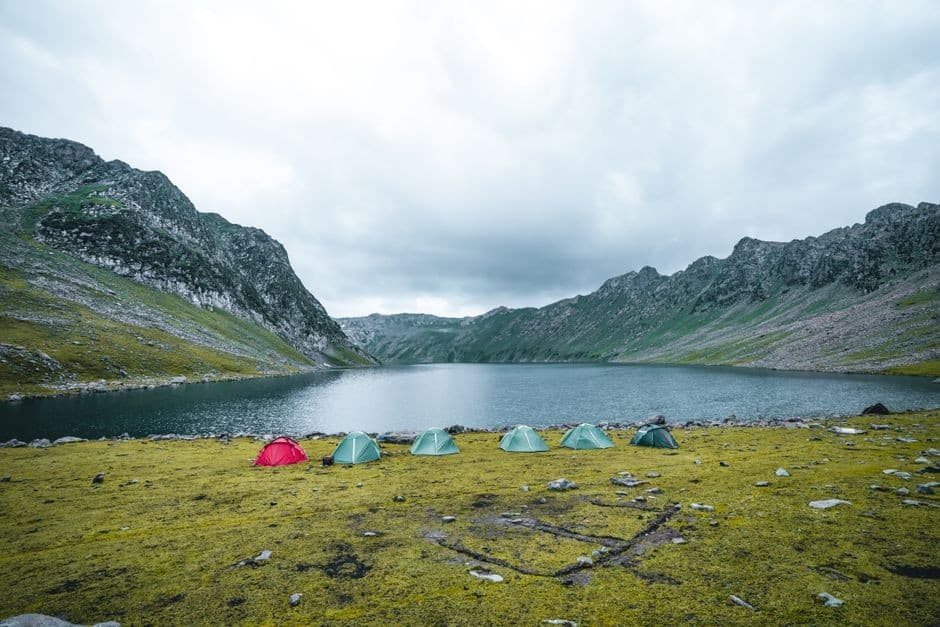
Few places in Kashmir marry raw Himalayan grandeur with centuries of spiritual devotion quite like Gangabal Lake. Cradled at the foot of mighty Mount Harmukh, this glacial jewel sits at roughly 3,570 metres above sea level, its turquoise waters mirroring snow-dusted peaks and wildflower meadows in equal measure. Whether you arrive as a trekker chasing alpine solitude or a pilgrim seeking sacred waters, Gangabal delivers an experience that lingers long after you descend.
In this guide, we cover everything you need to plan your journey — from trail logistics and the best season to visit, to the lake's deep cultural roots and practical tips for a safe, rewarding adventure.
Why Gangabal Lake Deserves a Spot on Your Kashmir Itinerary
Kashmir is home to hundreds of pristine lakes, yet Gangabal stands apart. It is the largest high-altitude alpine lake in the Kashmir Valley, stretching approximately 2.5 km in length and 1 km in width. Fed by glacial melt, underground springs, and seasonal precipitation, its crystal-clear, oligotrophic waters harbour rainbow and brown trout — a delight for anglers and naturalists alike.
But Gangabal is more than a pretty face. It is often called the "Ganga of Kashmir" (Harmukut Ganga) and holds deep religious significance for Kashmiri Hindus, who consider it as sacred as the River Ganges itself. The lake is revered as an abode of Lord Shiva, and for centuries families have trekked here to immerse the ashes of deceased loved ones — a practice echoing the rituals of Haridwar. Ancient Hindu texts, including the Vishnu Smriti and the Nilamata Purana, mention the lake as a place of pilgrimage for performing Śrāddha (ancestral rites), while the 12th-century chronicle Rajatarangini records its importance across dynasties.
The Twin Lakes: Gangabal and Nundkol
Gangabal rarely travels alone in conversation — it is almost always paired with its smaller twin, Nundkol Lake (also called Kalodaka Lake). Both lakes are fed by the same glaciers descending from Mount Harmukh (5,146 m) and sit within a single sweeping valley. Gangabal's outflow drains into Nundkol, which in turn feeds the Wangath Nallah before joining the Sindh River. Together, the twin lakes create one of Kashmir's most photogenic camping zones, with green meadows and wildflowers providing ample space for tents and trout angling.
Trekking Routes to Gangabal Lake
Route 1: Naranag to Gangabal (Short Trek — 2 to 3 Days)
This is the most popular and direct approach. The trailhead at Naranag village lies roughly 45–50 km northeast of Srinagar in the Ganderbal district. The one-way distance is approximately 15–16 km, making it ideal for trekkers who want a short yet rewarding Himalayan outing.
Trail highlights:
- Naranag Temple Complex — Before you even lace up your boots, explore the remarkable 8th-century Shiva temple ruins attributed to King Lalitaditya Muktapida of the Karkota dynasty. Carved granite pillars, square sanctums, and terraced platforms reveal Kashmir's medieval architectural genius.
- Butsheri Meadow & Butsheri Top — A gradual ascent through dense forests of deodar, birch (bhoj patra), and boxwood opens onto rolling meadows. The panoramic views from Butsheri Top are the trek's first major reward.
- Nundkol Lake — The smaller twin appears first, ringed by green slopes and perfect for a rest stop.
- Gangabal Lake — The final stretch delivers the main event: a vast, mirror-still lake beneath the craggy ramparts of Harmukh.
Route 2: Sonamarg to Gangabal (Extended Trek — 7 to 8 Days)
For those seeking a longer, more immersive adventure, the route from Sonamarg weaves through some of Kashmir's most spectacular high-altitude terrain. This trail passes through Nichinai (3,620 m), crosses the Nichinai Pass (4,084 m), visits the alpine gems of Krishansar and Vishansar Lakes, and descends via Gadsar Pass before reaching Gangabal. It overlaps significantly with the famous Kashmir Great Lakes Trek, often considered one of India's finest multi-day treks.
Trail highlights:
- Nichinai Pass — sweeping views of the Great Himalayan range.
- Krishansar & Vishansar Lakes — turquoise alpine jewels.
- Gadsar Pass — breathtaking vistas of the distant Karakoram.
- Gangabal & Nundkol — the grand finale before descending to Naranag.
Best Time to Trek to Gangabal Lake
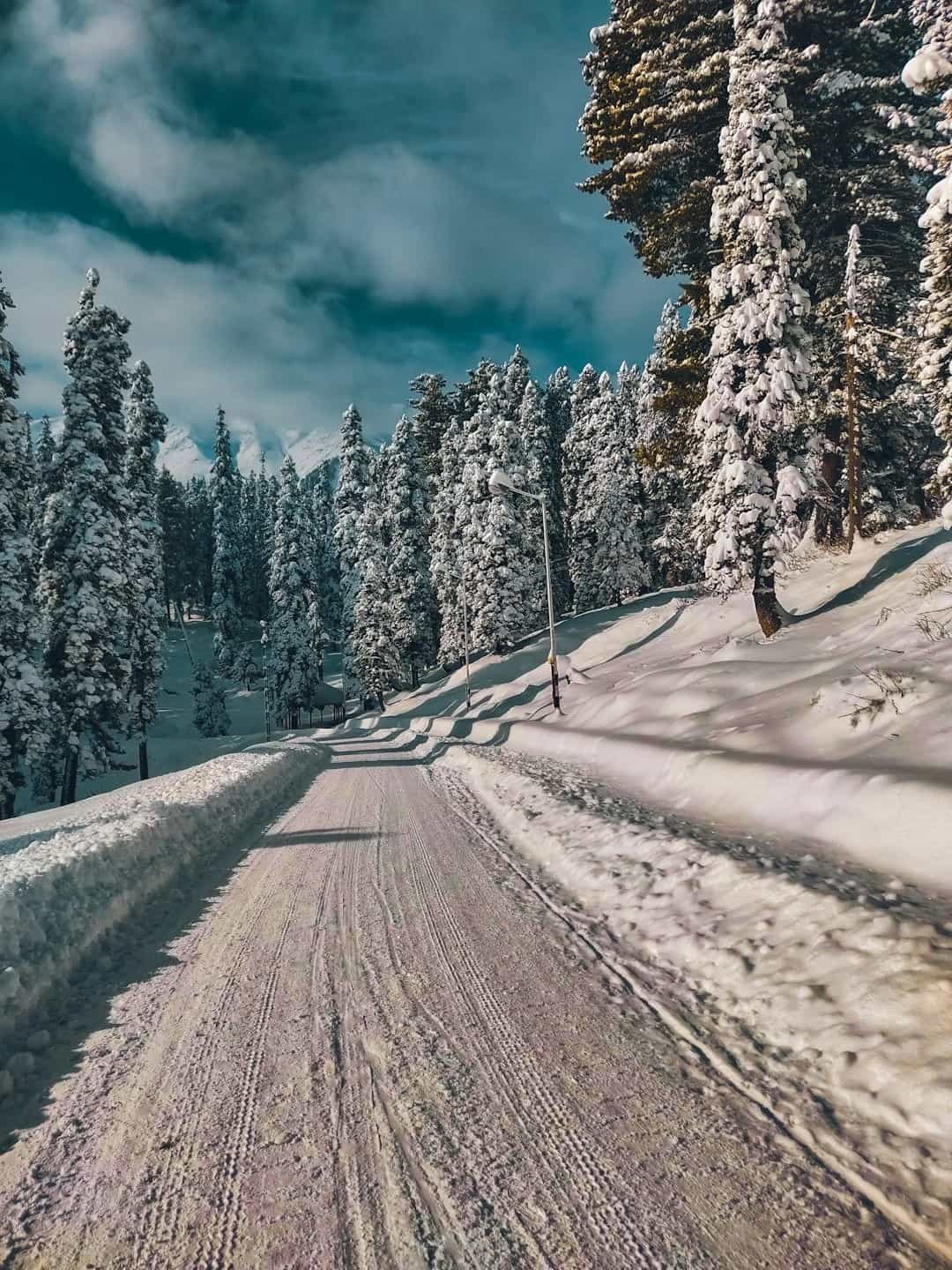
The trekking window generally runs from mid-May to mid-October. Within that window:
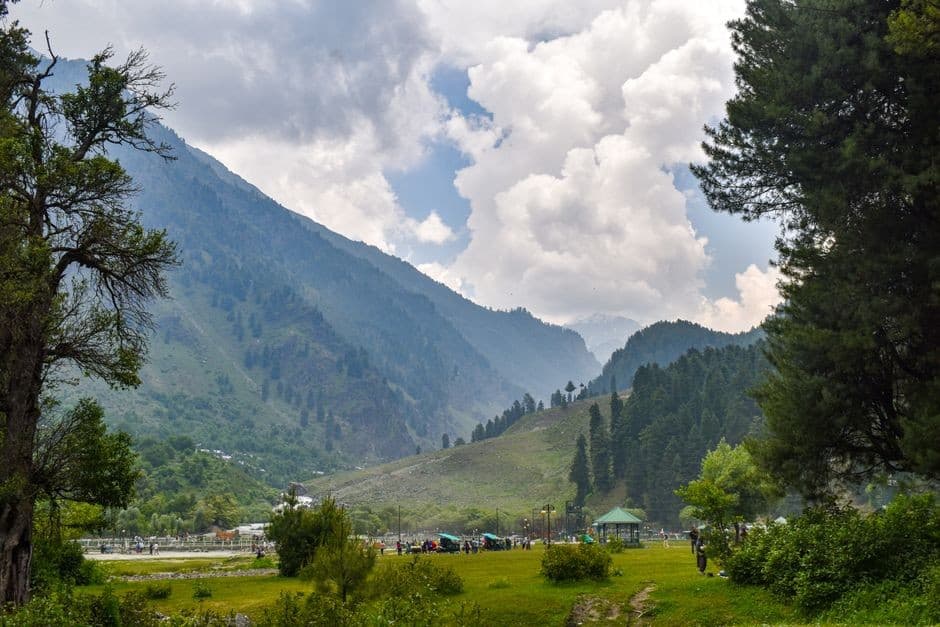
- May–June (Pre-monsoon): Snow patches linger at higher elevations, streams run full, and meadows burst with wildflowers. Nights are cold but days are pleasant. Great for photography.
- July–August (Monsoon): The region receives lighter rainfall than India's plains, but trails can be slippery and landslide-prone. Generally not recommended for the Gangabal trek.
- September–October (Post-monsoon): Arguably the best window — crisp air, stable weather, golden meadows, and unobstructed mountain views. This period also coincides with the annual Harmukh-Gangabal Yatra, typically held in September, adding a cultural dimension to the trek.
The Sacred Pilgrimage: Harmukh-Gangabal Yatra
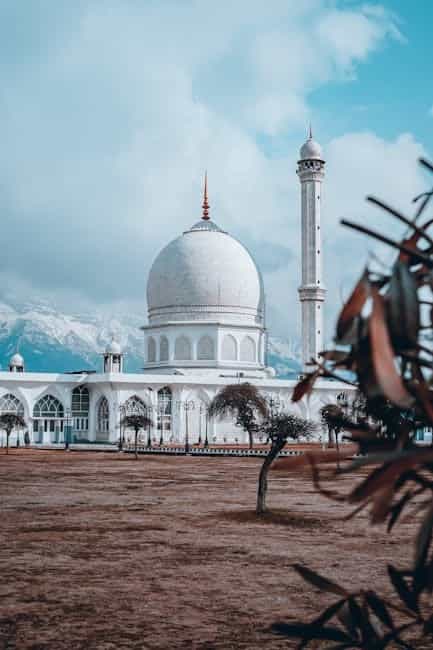
Every year, Kashmiri Pandits undertake the Harmukh-Gangabal Yatra, a three-day pilgrimage from Naranag to the lake. The yatra honours Lord Shiva and provides devotees an opportunity to perform ancestral rites at the water's edge. Revived and organized by community bodies like the APMCC, this pilgrimage is both a spiritual journey and an act of cultural preservation, connecting modern-day participants with traditions stretching back to ancient Puranic times.
The pilgrimage route follows the same Naranag trail used by trekkers, beginning near the ancient Wangath Temple complex — a site believed to be the former Vashistha Ashram of the sage Vashistha.
What to Expect on the Trail
Difficulty Level
The Gangabal trek is rated moderate. About 60 percent of the Naranag route involves gradual ascent, with steeper sections near ridgelines and passes. No technical climbing is required, but good cardiovascular fitness and prior hiking experience are strongly recommended, especially for the longer Sonamarg route.
Wildlife & Nature
The trail passes through the habitat of Himalayan brown and black bears, so solo trekking is discouraged. You may also spot Himalayan marmots, musk deer, and — with extraordinary luck — a snow leopard at higher elevations. Birdlife is rich, and the meadows explode with wildflowers from June through August.
Camping
There are no guesthouses or lodges near Gangabal Lake — only tent camping. Carry your own gear or book with a local adventure operator who provides dome tents, sleeping bags, and meals. Camping beside the lake under a canopy of stars, with the first light of dawn painting Harmukh's reflection across the water, is one of Kashmir's most unforgettable overnight experiences.
Practical Tips for Your Gangabal Trek
- Hire a certified guide or book with a reputable local operator. Bear territory and remote terrain make guided treks the safest option.
- Acclimatize properly. Spend a day in Srinagar or Naranag before ascending. Hydrate well and ascend gradually to avoid altitude sickness.
- Pack smart. Essentials include trekking boots, warm layers, a rain jacket, headlamp, trekking poles, sunscreen, and a first-aid kit. Night temperatures near the lake can drop sharply even in summer.
- Carry cash. There are no ATMs or UPI options beyond Kangan. Stock up in Srinagar.
- Respect the environment. Carry all waste out. Avoid single-use plastics and stick to marked trails.
- Check permits. Trekking and camping permits may be required; fishing permits are needed for angling. Confirm current requirements with local authorities or your tour operator.
- Connectivity is limited. Download offline maps before you leave Srinagar. Mobile signals fade beyond Naranag.
How to Reach the Trailhead
For the Naranag route:
- Fly into Srinagar International Airport (SXR), approximately 12 km from the city centre.
- Drive from Srinagar to Naranag (~50 km, about 2 hours by taxi via Ganderbal and Kangan). Shared vehicles run from Kangan to Naranag, but the last one typically departs around 4 PM.
For the Sonamarg route:
- Drive from Srinagar to Sonamarg (~80 km, roughly 3 hours on NH1).
- The trek begins from Sonamarg and ends at Naranag, where a pre-arranged vehicle takes you back to Srinagar.
Combine Gangabal with a Broader Kashmir Trip
Gangabal works beautifully as the centrepiece of a longer Kashmir itinerary. Before or after the trek, consider:
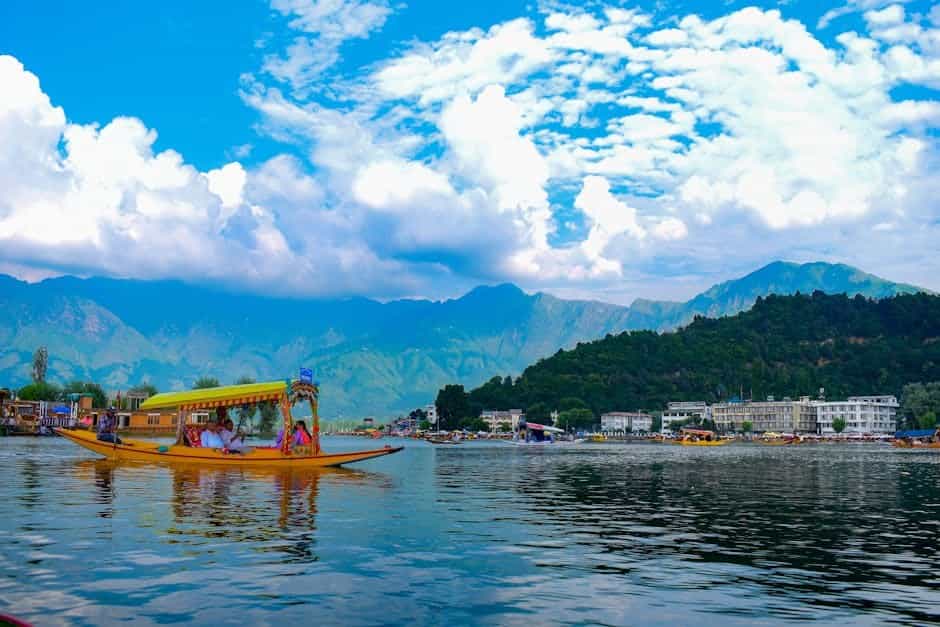
- A shikara sunrise on Dal Lake and a night on a traditional houseboat in Srinagar.
- A day trip to the Mughal Gardens — Shalimar, Nishat, and Chashme Shahi.
- A visit to the saffron fields of Pampore if you're trekking in October–November.
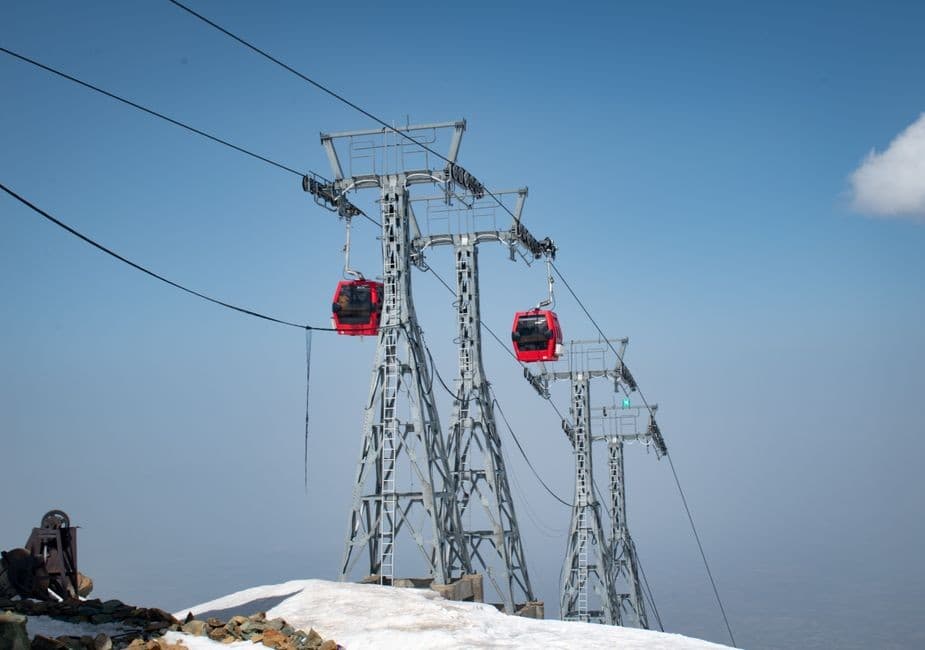
- Extending your adventure with the Gulmarg Gondola ride and meadow hikes.
- Exploring the off-beat Gurez Valley or the rolling grasslands of Doodhpathri.
After days on the trail, reward yourself with a steaming plate of Rogan Josh at Ahdoos in Srinagar, a cup of noon chai with fresh girda bread, and the gentle rocking of a houseboat on Nigeen Lake.
Final Thoughts
Gangabal Lake is one of those rare destinations where adventure and reverence walk the same trail. The trek challenges your body, the scenery stills your mind, and the lake's ancient spiritual legacy adds a layer of meaning that elevates the journey beyond a simple hike. Whether you come for the trout-filled waters, the wildflower meadows, the reflection of Harmukh at dawn, or the quiet act of prayer at the water's edge, Gangabal will leave its mark.
Plan for the September–October window if you can, hire a local guide, pack light but warm, and give yourself the gift of at least one night camping beside Kashmir's most sacred alpine lake. You won't regret it.
Leave a Comment
Explore Kashmir
Ready to plan your trip? Check out our complete travel guide and packages.