Gurudongmar Lake – A Guide to One of the World's Highest Lakes
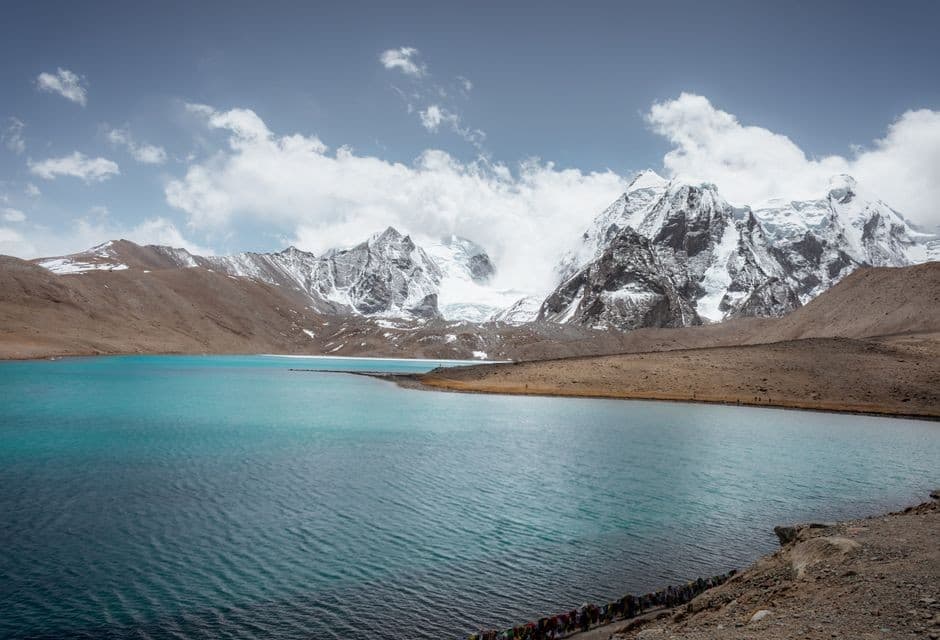
Imagine standing at 5,183 metres, lungs working hard in the thin air, while a sheet of impossible turquoise stretches before you — ringed by barren, snow-dusted mountains and a sky so blue it almost hurts. That is Gurudongmar Lake, one of the highest lakes on the planet and, for many travellers, the single most breathtaking sight in all of Sikkim. Named after Guru Padmasambhava — the saint who is said to have blessed its waters so a portion never freezes — this sacred lake sits near the Indo-China border in North Sikkim, a landscape that feels closer to the moon than to the rest of India.
Getting here is neither easy nor casual. Altitude, permits, and unpredictable weather all demand respect. But if you prepare well, the reward is a memory that stays etched for life. Here is everything you need to know.
Why Gurudongmar Lake Deserves a Spot on Your Bucket List
Gurudongmar is not just high — it is spectacularly high. At 5,183 m (17,000 ft), it ranks among the fifteen highest lakes in the world and is one of the very few at this altitude that civilians can reach by road rather than multi-day trek. The lake is sacred to Buddhists, Hindus, and Sikhs alike, and its legend centres on Guru Padmasambhava touching the frozen surface during a winter visit, creating a small section that reportedly stays unfrozen even in the harshest cold.
The setting amplifies the mystique. North Sikkim is sparsely populated, and the drive from the tiny town of Lachen climbs through yak pastures, military checkpoints, and vast treeless valleys before the lake appears — a luminous pool framed by 6,000-metre-plus peaks and, often, a thin crust of ice along its edges.
How to Reach Gurudongmar Lake
Step 1: Get to Gangtok
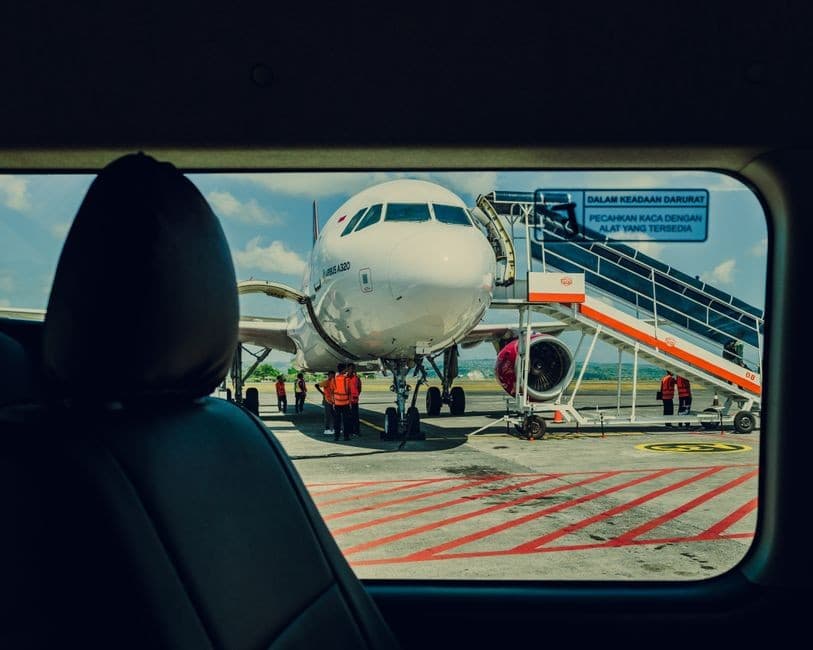
Most journeys begin at Gangtok, Sikkim's capital. The most reliable air gateway is Bagdogra Airport (IXB) near Siliguri in West Bengal, roughly a 4–5-hour drive from Gangtok. The nearest railhead is New Jalpaiguri (NJP), about 120 km away. Sikkim's own Pakyong Airport (PYG) is just 31 km from Gangtok but has had intermittent flight schedules — always confirm operations before booking.
Step 2: Gangtok → Lachen (approx. 110 km, 6–7 hours)
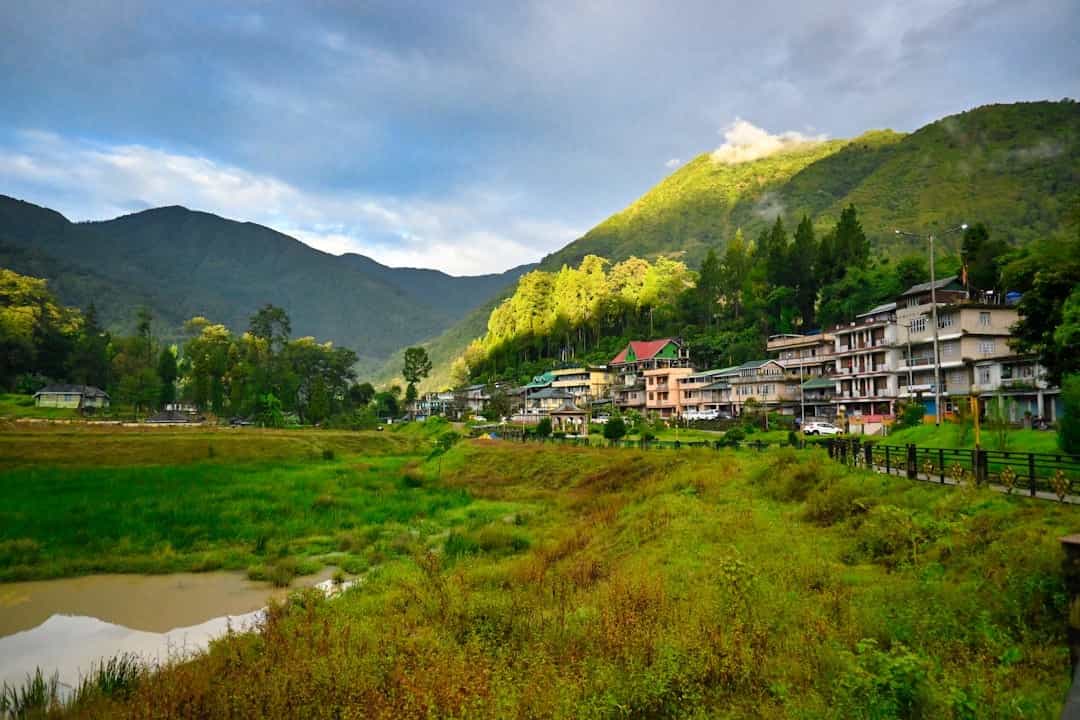
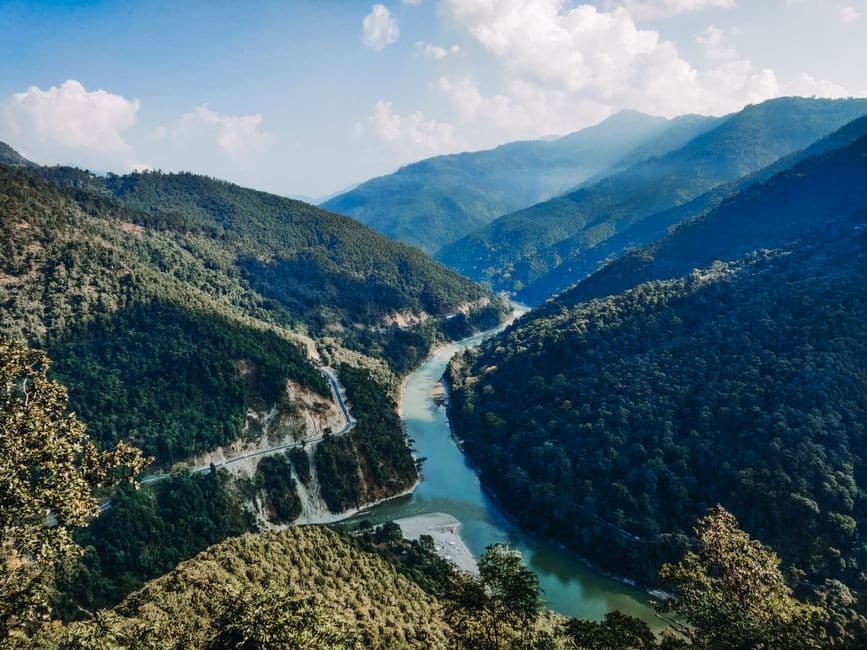
From Gangtok, you'll travel north to Lachen, the last settlement before the lake. The road winds along the Teesta River through Mangan and Chungthang. Shared jeeps and hired vehicles are the standard; self-driving is technically possible but impractical given mountain roads, weather, and permit logistics. Most travellers overnight in Lachen to begin acclimatising.
Step 3: Lachen → Gurudongmar Lake (approx. 67 km, 3–4 hours)
The early-morning drive from Lachen climbs steeply through Thangu Valley and Chopta Valley. The road is unpaved in stretches, and you'll cross military checkpoints where permits are inspected. Plan to reach the lake by mid-morning — clouds and wind often roll in by noon, and the army generally requires vehicles to begin the return by late morning.
Permits – What You Need to Know
Gurudongmar Lake sits in a restricted border zone, and the permit rules are strict:
- Indian nationals only. Foreigners are not permitted to visit Gurudongmar Lake. If you hold a foreign passport, consider Tsomgo (Changu) Lake, which is accessible with the appropriate Protected Area Permit.
- Permits are arranged through registered tour operators in Gangtok or Lachen, typically 24–48 hours in advance.
- Carry valid photo ID — Voter ID, Passport, or Driving Licence. Aadhaar is often not accepted for these high-altitude border permits.
- Bring two passport-size photographs per traveller.
- Permits can be suspended without notice due to weather, military operations, or road conditions — always keep a flexible itinerary.
Best Time to Visit Gurudongmar Lake
Timing matters enormously at this altitude:
- April to mid-June (Spring/Early Summer): This is the prime window. Snow recedes, the road is generally open, and clear mornings offer the best views. Temperatures at the lake hover around −5°C to 5°C even in May, so pack accordingly.
- October to November (Post-Monsoon): Crisp, clear skies return after the rains. The landscape is stark and golden-brown — a different beauty from spring. Nights are bitterly cold.
- Monsoon (July–September): Heavy rain, fog, and landslides make North Sikkim roads treacherous. Access is frequently disrupted.
- Winter (December–February): The lake freezes almost entirely, roads can be snowbound, and permits are often suspended. Only attempt this window if you have serious cold-weather experience and flexible dates.
Pro tip: The sweet spot is late April to late May — snow is still visible on surrounding peaks, the lake is thawed enough to show its famous colour, and the road is in reasonable shape.
Acclimatisation: The Most Important Section You'll Read
At over 5,000 m, altitude sickness is a real and serious risk. Gurudongmar is higher than Everest Base Camp, and you reach it by vehicle in hours rather than trekking over days — meaning your body gets almost no time to adjust. Here's how to stay safe:
- Spend at least one night in Lachen (2,750 m) before attempting the lake. Two nights are better if your schedule allows.
- Hydrate aggressively. Drink 3–4 litres of water the day before and the morning of your visit. Avoid alcohol the night before.
- Recognise symptoms early: headache, nausea, dizziness, and breathlessness are warning signs. If symptoms worsen, descend immediately — there is no medical facility at the lake.
- Carry Diamox (acetazolamide) if your doctor recommends it. Consult a physician before the trip, especially if you have cardiac or respiratory conditions.
- Move slowly at the lake. Resist the urge to run around for photos. Walk gently, breathe deeply, and limit your time at the top to 30–45 minutes.
- Children and elderly travellers should exercise extra caution; many tour operators advise against taking children under 10 to this altitude.
What to Pack for Gurudongmar
| Essential | Why |
|---|---|
| Heavy down jacket | Temperatures can drop well below freezing, even in May |
| Thermals and fleece layers | Layering is your best friend at altitude |
| Warm gloves, woollen cap, neck gaiter | Wind chill is fierce |
| Sturdy, insulated shoes | Ground can be icy; regular sneakers won't cut it |
| Sunglasses (UV-rated) and sunscreen SPF 50+ | UV intensity is extreme at 5,000 m |
| Water bottles (insulated) | Water can freeze in regular bottles |
| Snacks (dry fruits, chocolate, glucose) | Quick energy for altitude fatigue |
| Basic first-aid and Diamox | Nearest pharmacy is hours away |
Nearby Experiences to Pair with Gurudongmar
Since you'll already be in North Sikkim, build a richer itinerary around the lake visit:
- Chopta Valley: The drive to Gurudongmar passes through this hauntingly beautiful high-altitude plateau — yaks graze, prayer flags flutter, and the silence is immense.
- Lachen village: Explore this Bhutia settlement governed by the traditional Dzumsa system. Homestays and the Apple Orchard Resort offer warm, eco-friendly lodging.
- Lachung and Yumthang Valley: Many North Sikkim packages pair Gurudongmar with the "Valley of Flowers" at Yumthang, where alpine meadows and the Shingba Rhododendron Sanctuary burst into colour from late February to mid-June.
- Zero Point (Yumesamdong): Beyond Yumthang, this snow-covered plateau at about 4,572 m is another high-altitude thrill.
Practical Tips and Insider Advice
- Start early. Most convoys leave Lachen by 4–5 AM. The early start maximises your chance of clear skies and meets army timing requirements.
- Carry cash. There are no ATMs beyond Mangan. Lachen has limited connectivity, and digital payments are unreliable.
- Mobile network is patchy to nonexistent north of Chungthang. Inform family of your plans before you leave Gangtok.
- Respect the sacred site. Do not litter, play loud music, or disturb the prayer flags and small shrines at the lake. Carry all waste back with you.
- Book accommodation in Lachen early during peak season (April–May). Options are limited, and group tours fill rooms fast.
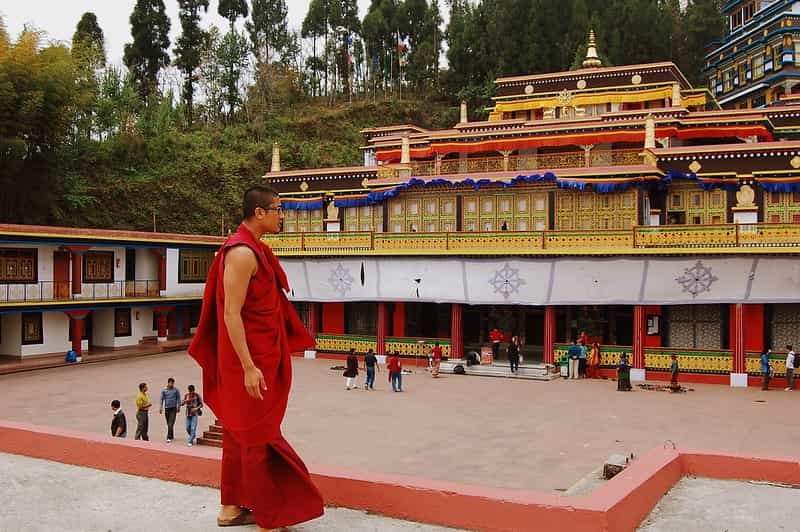
- Combine with the broader Sikkim experience. Before or after North Sikkim, explore Gangtok's Rumtek Monastery, stroll the pedestrian-only MG Marg, ride the Gangtok Ropeway at sunset, or head west to Pelling for the Pelling Skywalk & Chenrezig Statue and Khangchendzonga National Park.
Final Takeaways
Gurudongmar Lake is not a casual day trip — it's an expedition in miniature. The altitude is unforgiving, the logistics demand planning, and the permit window is narrow. But for those who make the effort, the payoff is extraordinary: a sacred, shimmering lake at the edge of the sky, in a corner of India that few ever see.
Your action checklist:
- Confirm you're eligible (Indian nationals only) and arrange permits through a registered operator.
- Plan for late April to late May for the best time to visit Sikkim for the best balance of weather and access.
- Acclimatise properly — at least one night in Lachen, ideally two.
- Pack for extreme cold and high UV, even in summer.
- Keep your itinerary flexible; weather and the military have the final say.
Sikkim has a way of humbling and exhilarating you in equal measure. Gurudongmar Lake is perhaps the purest expression of that duality — a place where the earth meets the heavens, and you're lucky enough to stand in between.
Leave a Comment
Explore Sikkim
Ready to plan your trip? Check out our complete travel guide and packages.