Pindari Glacier Trek: A Complete Guide to Kumaon's Classic Trek
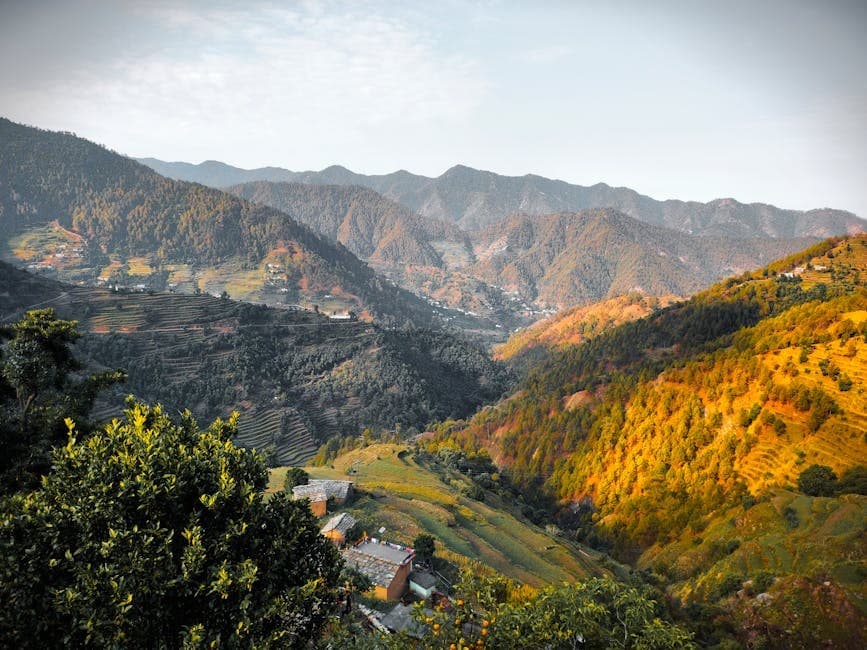
Few Himalayan treks weave together glacier grandeur, Kumaoni village charm, and beginner-friendly trails as gracefully as the Pindari Glacier trek. Tucked deep in the Bageshwar district of Uttarakhand, this classic route leads you along the roaring Pindar River, through rhododendron forests and alpine meadows, and finally to the foot of a colossal glacier cradled between the mighty peaks of Nanda Devi and Nanda Kot. Whether you're a first-time trekker dreaming of your Himalayan debut or a seasoned hiker looking for a soulful walk in the Kumaon hills, Pindari delivers — and then some.
The locals call it "the Soul of Kumaon," and once you stand at Zero Point watching the glacier's icefall glint in the morning light, you'll understand why.
Why the Pindari Glacier Trek Deserves a Spot on Your Bucket List
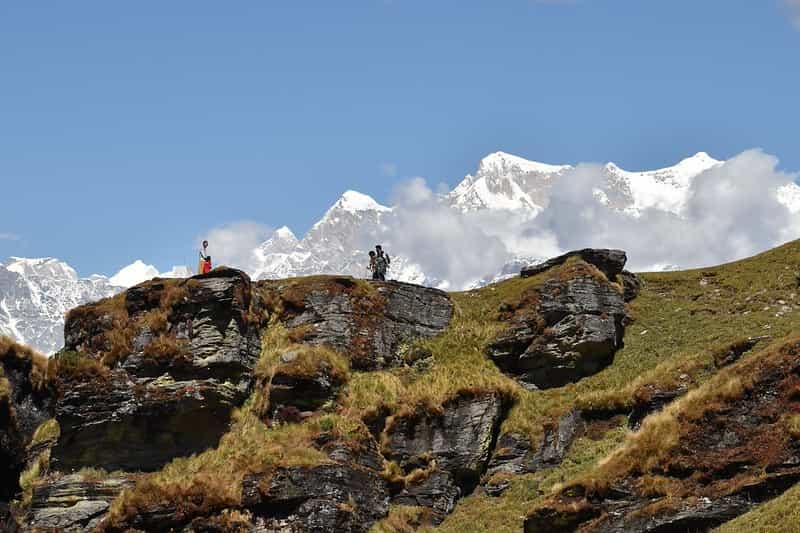
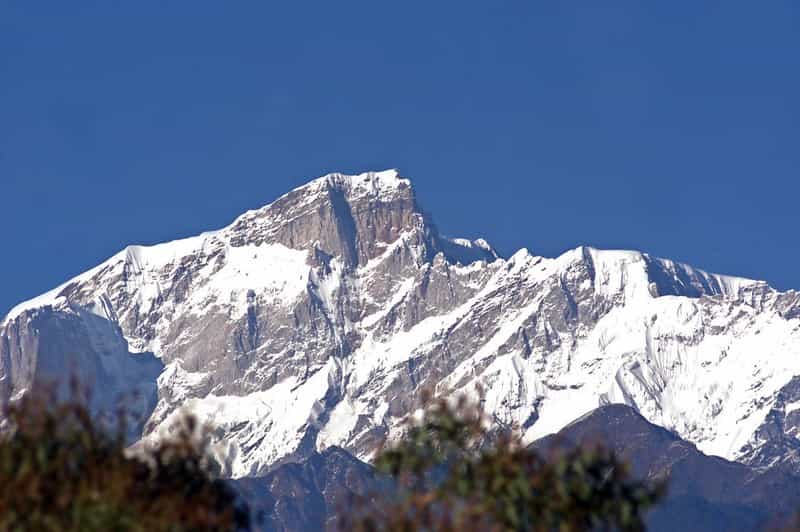
The Pindari Glacier is one of the most accessible glaciers in the entire Himalayan range. Situated within the Nanda Devi Biosphere Reserve, it feeds the Pindar River — a major tributary that eventually merges with the Alaknanda River at Karnaprayag Confluence, becoming part of the sacred Ganga river system. The glacier itself stretches roughly 3–3.5 km in length and sits at an elevation where the views of surrounding peaks — Nanda Kot (6,861 m), Maiktoli (6,803 m), Panwali Dwar (6,683 m), and Changuch (6,322 m) — are nothing short of cinematic.
What makes this trek special isn't just the destination; it's the journey. You'll walk through dense oak and rhododendron forests, cross suspension bridges over glacial streams, pass through centuries-old Kumaoni villages, and watch the landscape transform from lush valley to stark moraine field — all without needing any technical climbing gear.
Trek at a Glance: Key Details
| Detail | Info |
|---|---|
| Location | Bageshwar District, Kumaon, Uttarakhand |
| Base Camp | Khati Village (2,222 m / 7,290 ft) |
| Highest Point | Zero Point (~3,660 m / 12,008 ft) |
| Trek Distance | ~26 km one way / ~52 km round trip |
| Duration | 6–7 days (including travel days) |
| Difficulty | Easy to Moderate |
| Best Season | April–June & September–November |
| Nearest Railhead | Kathgodam |
| Nearest Airport | Pantnagar |
Best Time to Do the Pindari Glacier Trek
Timing can make or break your Pindari experience. The two prime windows are:
Spring & Early Summer (April–June)
This is when the trail comes alive. Rhododendron forests burst into brilliant reds and pinks, the weather remains comfortable for trekking, and the skies are generally clear in the mornings — perfect for mountain photography. Expect daytime temperatures of 10–20°C at lower camps and near-freezing conditions at higher altitudes.
Post-Monsoon Autumn (September–November)
After the rains wash the trails clean, autumn brings the crispest Himalayan views of the year. The air is transparent, the peaks are sharply defined, and the fall colours add a warm golden hue to the forests. Nights get cold, but the trekking conditions are superb.
When to Avoid
- Monsoon (July–August): Heavy rainfall makes trails slippery and dangerous, with frequent landslides blocking routes.
- Winter (December–February): Snow covers the higher sections, making the trek unsafe and officially closed.
The Route: A Day-by-Day Overview
The classic route follows: Kharkiya → Khati → Dwali → Phurkiya → Zero Point, and returns the same way. Here's what each stretch looks like:
Day 1: Kathgodam to Kharkiya (Drive) → Trek to Khati Village (~5 km)
Your journey begins with a long but scenic drive from Kathgodam through the Kumaon hills — passing through Bhimtal, Almora, Bageshwar, and Kapkot — before reaching the roadhead at Kharkiya. From here, a gentle 5 km walk brings you to Khati Village, the last inhabited settlement on the route and the base camp for the trek. Khati sits on the banks of the Pindar River and offers homestays and a KMVN guesthouse. Pro tip: The last ATM is at Kapkot — withdraw enough cash before heading further.
Day 2: Khati to Dwali (~13 km)
This is your first full day on the trail. The path runs alongside the Pindar River through dense Himalayan forests, crossing suspension bridges and passing waterfalls. The gradient is mostly gentle, though you'll clock 6–7 hours of walking. Dwali is a beautiful camping spot near the confluence of the Pindar and Kafni rivers — this is where the trail to the neighbouring Kafni Glacier branches off.
Day 3: Dwali to Phurkiya (~5 km)
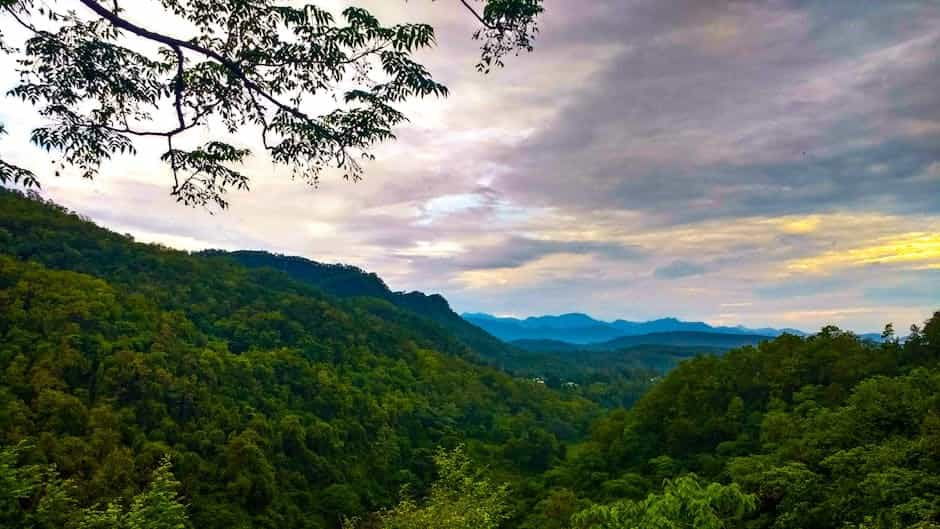
A shorter but steeper day. You'll climb through thick forests of rhododendron, birch, and oak as the valley opens up and the treeline begins to thin. The scenery transitions from closed forest canopy to expansive alpine views. Phurkiya, your base for the glacier push, sits at around 3,200 m.
Day 4: Phurkiya to Zero Point and Back (~14–16 km)
The big day. Start as early as possible — ideally before sunrise — to catch the glacier in clear light before afternoon clouds roll in. The trail climbs steadily over rocky terrain and glacial moraine. At Zero Point (~3,660 m), you'll stand at the edge of the glacier's snout with jaw-dropping views of the icefall and the surrounding Nanda Devi Sanctuary peaks. Spend 30–45 minutes soaking it all in before retracing your steps to Phurkiya.
Day 5: Phurkiya to Khati via Dwali (~18 km)
A long descent day, losing about 1,000 m of altitude. The mostly downhill trail makes it faster going, but take care on loose sections. You'll retrace the same beautiful route back to Khati.
Day 6: Khati to Kharkiya (~5 km) → Drive to Kathgodam
A short morning walk to Kharkiya, followed by the long drive back to Kathgodam for your onward journey.
How to Reach the Trailhead
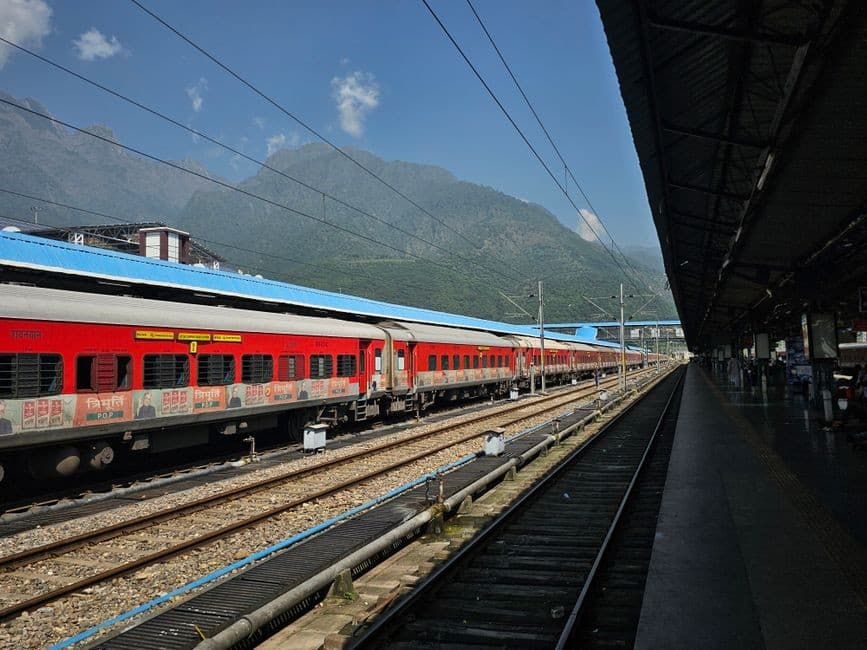
- By Train: Take an overnight train from Delhi to Kathgodam (the nearest railhead, well-connected to Delhi, Lucknow, and Kolkata). From Kathgodam, it's a 9–11 hour drive to Kharkiya.
- By Air: Fly into Pantnagar Airport and arrange a cab to Kathgodam or directly to Bageshwar.
- By Road: Drive from Delhi to Kathgodam (~7 hours), then continue via the Almora–Bageshwar–Kapkot route.
The road beyond Bageshwar and Kapkot gets rough and bumpy, so factor in extra time and consider hiring a local vehicle familiar with the terrain.
Difficulty & Fitness Requirements
The Pindari Glacier Trek is rated easy to moderate — one of the most beginner-friendly glacier treks in India. The trail is non-technical, well-marked, and doesn't require any climbing equipment. However, don't let the "easy" label fool you into skipping preparation.
The main challenge is endurance: you'll be walking 5–7 hours daily over varied terrain, including some rocky moraine sections near the glacier. A basic fitness routine starting 4–6 weeks before the trek will go a long way. Focus on:
- Cardio: Jogging, cycling, or stair climbing (3 sessions/week)
- Strength: Squats, lunges, and core work (3 sessions/week)
- Hiking practice: One long walk on weekends with a loaded backpack
Permits & Logistics
Since the trek passes through reserve forest areas within the Nanda Devi Biosphere Reserve, you'll need permits from the forest department. The required permits typically include a trekking permit and forest entry permit, which can be obtained at Bageshwar or arranged through your trekking operator. If you book with a reputable adventure company, they'll handle all the paperwork for you.
Accommodation along the route is a mix of KMVN/TRC guesthouses, local homestays, and tented camps at Khati, Dwali, and Phurkiya. Expect basic but adequate facilities — beds, blankets, and simple meals.
Network coverage drops off after Kapkot/Bharadi. Only BSNL may have intermittent calling reception in the valley — there's no reliable internet. Inform family before you head in.
What to Pack
Pack light but smart. Essentials include:
- Clothing: Layered system — thermals, fleece jacket, waterproof/windproof outer shell, trekking pants, warm gloves, woollen cap, sun hat
- Footwear: Sturdy trekking boots with ankle support (break them in beforehand), plus camp sandals
- Gear: 40–50 litre backpack with rain cover, trekking poles, headlamp, sunglasses (UV protection), sunscreen (SPF 30+)
- Essentials: Water bottle, energy snacks (nuts, bars, dried fruit), basic first-aid kit, personal medications, water purification tablets
- Documents: ID proof, medical fitness certificate, trek permits, travel insurance
Insider Tips for a Memorable Trek
- Start the Zero Point day early. The glacier is best viewed in morning light; clouds typically obscure the peaks by noon.
- Acclimatise at Khati. If you have an extra day, spend it exploring the village and letting your body adjust before pushing higher.
- Hire a local guide. Even though the trail is well-marked, a Kumaoni guide adds safety, cultural context, and stories you won't find in any guidebook.
- Combine with Kafni Glacier. If time permits, the trail to Kafni Glacier branches off at Dwali and leads to the foot of Nanda Kot — adding 2 extra days for a spectacular side adventure.
- Try the Kumaoni cuisine. At Khati and along the route, sample local dishes like Chainsoo (black gram curry), Bhatt ki Churkani, and Bal Mithai — the mountain food is hearty and delicious.
- Respect the environment. Carry all waste out, avoid single-use plastics, and stick to marked trails. This is a fragile alpine ecosystem within a UNESCO-recognised biosphere.
- On the return, explore Kumaon. The drive back through Almora, Kainchi Dham, and Bhimtal Lake offers wonderful stopover opportunities to extend your hill-country experience.
The Bigger Picture: Pindari and Climate Change
The Pindari Glacier is one of the most studied glaciers in the Indian Himalayas, and researchers have documented its retreat over the decades. Walking to Zero Point isn't just an adventure — it's a poignant encounter with the reality of climate change in the high mountains. Trekking here responsibly, supporting local communities, and minimising your environmental footprint is a small but meaningful way to honour this landscape.
Final Thoughts
The Pindari Glacier Trek is that rare Himalayan experience that balances accessibility with authenticity. It doesn't demand technical skills or extreme fitness, yet it rewards you with a genuine glacier encounter, immersive village culture, and some of the finest mountain scenery in the Kumaon Himalayas. Whether you're chasing your first Himalayan summit view or simply looking for a trail that feeds the soul, Pindari is calling.
Pack your boots, withdraw cash at Kapkot, and follow the Pindar River to its frozen source. The Soul of Kumaon is waiting.
Leave a Comment
Explore Uttarakhand
Ready to plan your trip? Check out our complete travel guide and packages.