Rajasthan Etiquette Guide: 15 Cultural Tips Every Visitor Must Know

Imagine stepping into a place where every street feels like a scene from a historical epic — towering forts glowing at sunset, narrow lanes buzzing with color, and the aroma of spices drifting through the air. That's Rajasthan, India's magnificent Land of Kings. But here's what seasoned travelers learn quickly: how you behave in Rajasthan matters just as much as where you go.
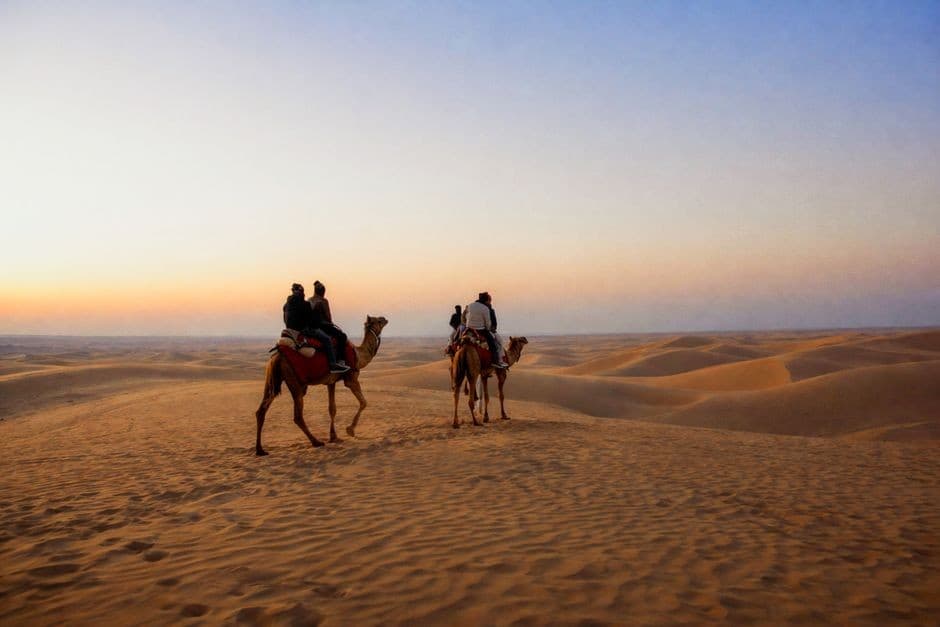
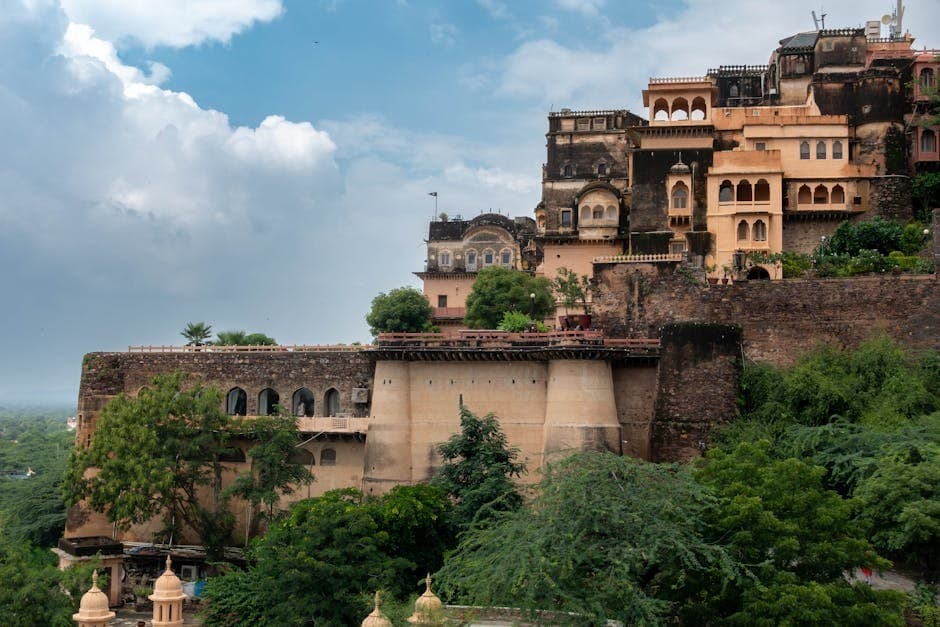
Understanding local etiquette, culture, and daily customs can transform your trip from simple sightseeing into a deeply rewarding experience. Whether you're wandering through the pink lanes of Jaipur, gazing at the golden fort in Jaisalmer, or cruising across Lake Pichola in Udaipur, following these cultural guidelines will earn you warm smiles and genuine connections.
Let's dive into the essential etiquette every visitor should know before setting foot in Rajasthan.
🙏 Greetings: Start Every Interaction the Right Way
Say "Namaste" — or Better Yet, "Khamma Ghani"
The most universally accepted greeting in Rajasthan is "Namaste" or "Namaskar," said with your hands pressed together at chest level. But if you really want to win hearts, try the local Rajasthani greeting: "Khamma Ghani" — a respectful hello that will instantly light up faces.
You'll also hear locals say "Padharo Mhare Des," which translates to "Welcome to my land." If someone says this to you, smile back warmly — or even repeat it. This phrase embodies the Rajasthani philosophy of "Atithi Devo Bhava" — the guest is God — a principle that is very much alive in everyday life here.
Respect Elders
In Rajasthani culture, elders command deep respect. Greet them first when entering a room, stand when they enter, and listen without interruption. Adding the honorific "Ji" to names (e.g., "Namaste Uncle Ji") softens communication and shows cultural awareness. In rural areas, younger people often touch the feet of elders as a gesture of reverence — you're not expected to do this, but acknowledging it with folded hands is appreciated.
👗 Dress Code: Modesty Goes a Long Way
Dress Conservatively, Especially at Religious Sites
Rajasthan follows a conservative standard of dress, particularly in rural areas and places of worship. Women should wear clothing that covers shoulders and knees, ideally paired with a dupatta (scarf). Men should avoid sleeveless tops and shorts, especially at temples — many temples even offer a turban (safa) as a mark of respect.
A practical tip: carry a lightweight scarf or shawl at all times. It's endlessly useful — for covering your head at temples, draping over your shoulders in sacred spaces, or shielding yourself from the desert sun.
Embrace Local Clothing
Here's an insider tip: purchase inexpensive traditional Indian clothing locally. Kurtas, palazzo pants, and dupattas cost as little as ₹300–800 ($3.60–9.60) and provide both cultural comfort and respect. You'll blend in naturally and earn appreciative smiles from locals.
🛕 Temple and Heritage Site Etiquette
Remove Your Shoes
Removing footwear is a prerequisite for visiting any holy place in India — temples, mosques, monasteries, and even some heritage sites. Every temple has a designated shoe rack outside, and often there's an attendant to keep watch. A small tip of ₹10–20 to the shoe attendant is a kind gesture of thanks.
Know the Rules for Jain Temples
Rajasthan has magnificent Jain temples, such as the Dilwara Temples in Mount Abu and Ranakpur. In Jain temples, leather items such as belts, wallets, and bags may not be allowed inside, out of reverence for all living beings. Leave leather items with your driver or at the entrance.
Be Mindful of Photography
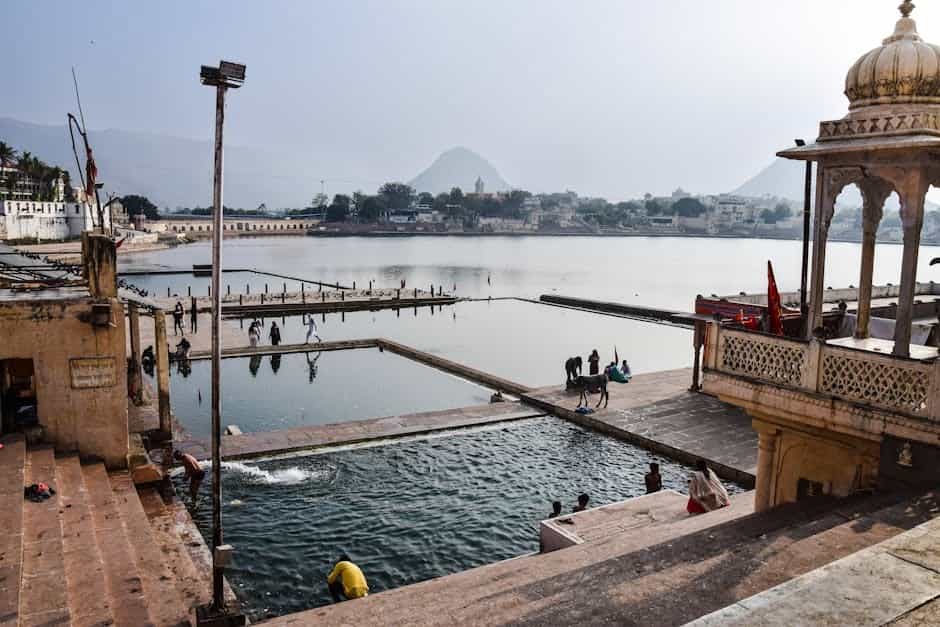
Many temples have a no-photography policy, especially near the inner sanctum. Flash photography can disturb worshippers and damage ancient artwork. Always look for signage, and when in doubt, ask permission first. Never photograph during aarti (prayer ceremonies) without explicit consent, and avoid taking selfies with deities — temples are places of devotion, not just tourist attractions.
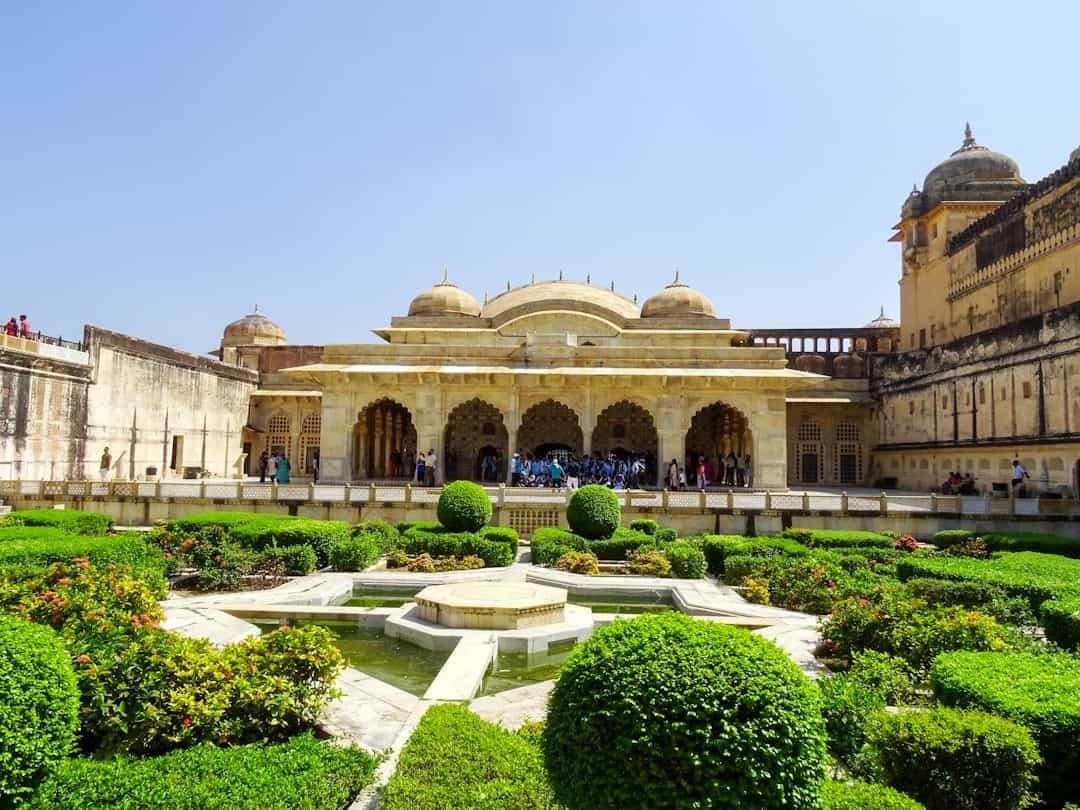
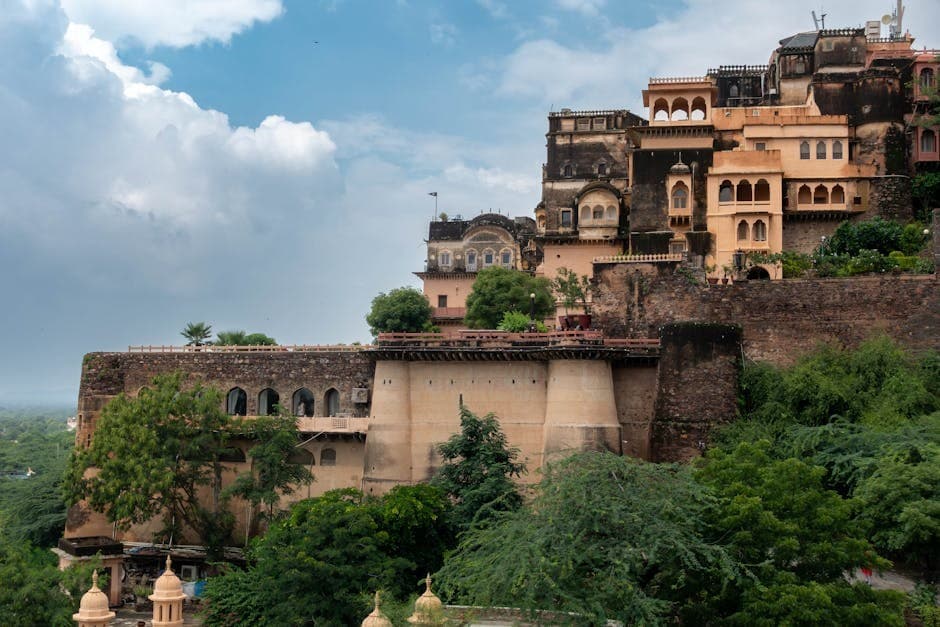
At forts and palaces, many are protected heritage sites and some are still partially occupied by royal families — treat them with the same respect you would a living home.
📸 Photography Etiquette with People
Always Ask Before You Shoot
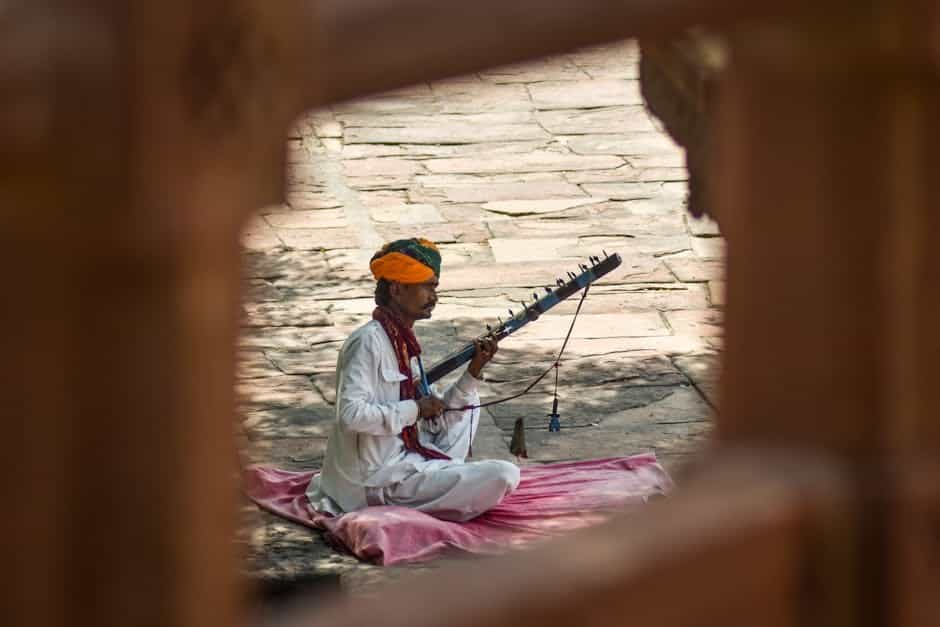
Always ask permission before photographing people, especially women, children, and people in rural communities. A simple gesture toward your camera with raised eyebrows is often enough. Many locals appreciate sharing the moment — showing the picture on your camera screen afterward creates an instant connection and often earns you a big smile.
A small tip or a purchase from a local stall is appreciated when someone poses for you, particularly street performers and artisans.
🍽️ Dining Etiquette: Eat Like a Local
Use Your Right Hand
In Rajasthani culture, the right hand is used for eating and passing items. The left hand is considered unclean. Even if you're using cutlery, be mindful of this when sharing bread or accepting food from someone.
Wait for Elders
If you're invited to dine with a local family — a truly special experience — wait until elders take the first bite before you start eating. Washing your hands before the meal and accepting offered tea or water is a sign of gratitude and respect.
Embrace the Spice
Rajasthani cuisine is rich, flavorful, and deeply connected to the region's desert heritage. Must-try dishes include Dal Baati Churma, Gatte ki Sabzi, Ker Sangri, and the fiery Laal Maas. For sweet lovers, Ghewar and Mawa Kachori are absolute delights. To avoid stomach trouble, eat at clean restaurants and choose street stalls where food is prepared fresh with plenty of locals around.
💰 Tipping and Money Etiquette
Tipping Is Expected in Tourist Areas
While tipping isn't legally mandatory in India, it's culturally important in Rajasthan's tourist areas and helps supplement service workers' wages. Here's a quick guide:
- Restaurants: 10–15% of the bill if no service charge is included
- Hotel housekeeping: ₹50–100 per night, left daily (staff rotate shifts)
- Porters: ₹50–100 per bag
- Private drivers (full day): ₹400–600
- Tour guides (full day): ₹400–500
- Auto-rickshaws/taxis: Round up to the nearest convenient figure
Pro tip: Always tip in Indian Rupees, and carry small denomination notes (₹50 and ₹100). Cash is still widely used in Rajasthan, especially in markets and smaller towns. Hand the tip directly to the person who served you with a smile and a "shukriya" (thank you).
🛍️ Shopping and Bargaining
Bargain with a Smile
Bargaining is expected and even enjoyed in Rajasthan's vibrant local markets. Keep it friendly, smile, and don't take it personally — it's part of the cultural experience. Start at about 40–50% of the quoted price and work your way to a fair deal.
Rajasthan is a shopper's paradise for handmade treasures: block-printed textiles, blue pottery, silver jewelry, leather mojari footwear, miniature paintings, and colorful Bandhani fabrics. Fixed-price stores usually display clear pricing if you prefer a no-haggle experience.
Be cautious of drivers who insist on taking you to specific shops — commission arrangements are common. Politely decline if you'd rather explore on your own.
🦶 Body Language Dos and Don'ts
Rajasthani culture has some important body language norms that are easy to follow once you know them:
- Don't point your feet at people or deities. Feet are considered unclean, so avoid pointing them at anyone, touching people or sacred objects with your feet, or placing your shoes near religious items.
- Don't touch someone's head. The head is considered sacred in Indian culture.
- Don't keep your hands in your pockets when speaking to elders or in formal settings.
- Avoid public displays of affection. Kissing, hugging, or holding hands in temples or rural areas can attract unwanted attention.
🌿 Responsible Travel Etiquette
Leave No Trace
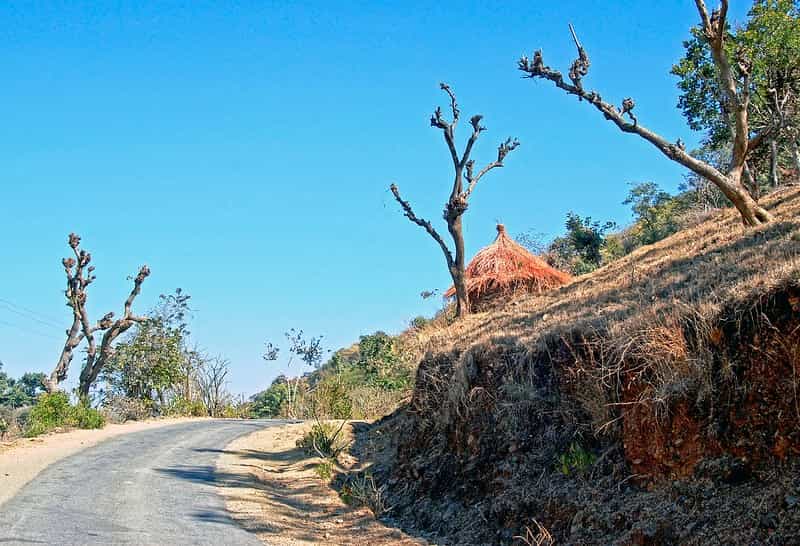
Respecting Rajasthan means respecting its land. Avoid littering, even in remote desert areas. Use refillable water bottles instead of single-use plastics. In wildlife areas like Ranthambore National Park, maintain silence and never feed animals.
Support Local Communities
Choose locally-owned homestays and guesthouses when possible, eat at local restaurants, and buy directly from artisans. Rajasthan's traditional arts — from Kathputli puppetry to Bandhani tie-dye — are living traditions that thrive with tourist support.
🚗 Transportation Etiquette
For city travel, ride-sharing apps like Uber and Ola are reliable. For auto-rickshaws without meters, always agree on the fare before starting your ride. For longer distances, private drivers arranged through hotels offer comfort and safety.
A respectful relationship with your driver goes a long way — greet them warmly, offer water on hot days, and remember that a generous tip at the end of a multi-day trip is both expected and deeply appreciated.
Key Takeaways: Your Rajasthan Etiquette Cheat Sheet
- Greet with "Namaste" or "Khamma Ghani" and add "Ji" for respect
- Dress modestly, especially at temples and in rural areas
- Remove shoes before entering religious spaces; leave leather outside Jain temples
- Ask before photographing people and respect no-photography zones in temples
- Eat with your right hand and wait for elders to begin the meal
- Tip appropriately in cash (₹50–100 notes) and always say thank you
- Bargain with warmth — it's a social exchange, not a battle
- Mind your feet — never point them at people or deities
- Travel responsibly — minimize plastic, support local artisans, and respect heritage sites
Rajasthan doesn't just welcome you — it embraces you. And when you show respect for its customs and traditions, you'll find that the warmth of its people turns a great trip into an unforgettable one. So pack your scarf, practice your "Khamma Ghani," and prepare for the journey of a lifetime.
Padharo Mhare Des — Welcome to the Land of Kings! 🏰
Leave a Comment
Explore Rajasthan
Ready to plan your trip? Check out our complete travel guide and packages.