Mount Abu, Rajasthan
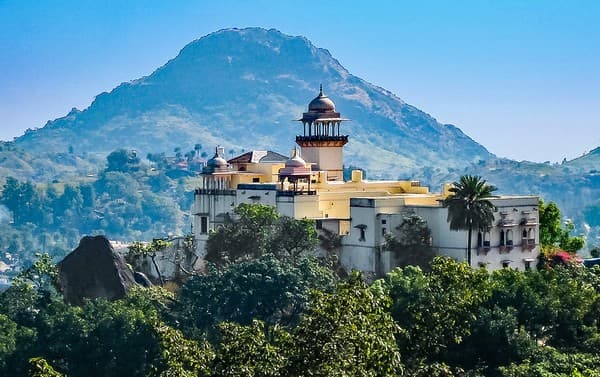
Mount Abu is the only hill station in Rajasthan, set in the Aravalli Range. It is important for its unique combination of natural beauty, biodiversity (Mount Abu Wildlife Sanctuary), and cultural and religious significance—particularly the world-famous Dilwara Jain Temples renowned for their white marble architecture and intricate carvings. The hill station has been a historical refuge and a pilgrimage site for Hindus and Jains for centuries.
Last updated: 31 May 2026
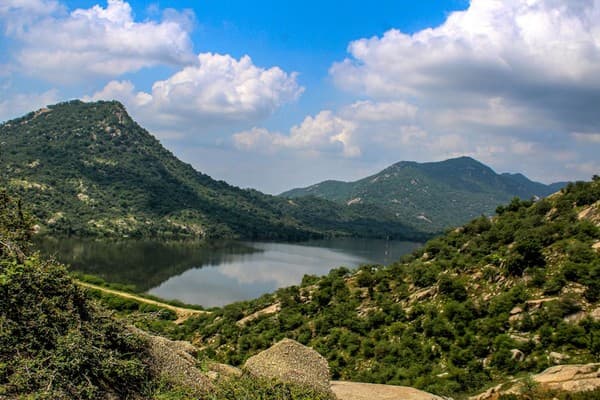
Places to visit
- Dilwara Temples (famous Jain temples known for exquisite marble carvings)
- Nakki Lake (central lake with boating and scenic walks)
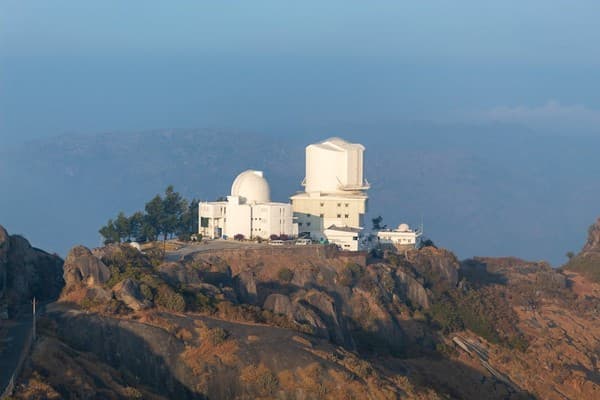
- Guru Shikhar (highest peak of the Aravalli Range and viewpoint)
- Mount Abu Wildlife Sanctuary (rich flora and fauna, including langurs and many bird species)
- Toad Rock (natural rock formation and popular photo spot)
- Achalgarh Fort and Achleshwar Mahadev Temple
- Sunset Point / Honeymoon Point (panoramic views and evening sunsets)
- Victor Point / Trevor's Tank (viewpoints and short treks)
Unique Aspects
- Masterful white marble architecture at Dilwara Temples
- Cool, green refuge within otherwise arid Rajasthan
- Panoramic views of the Aravalli hills and valleys
- Rich birdlife and small mammals in the sanctuary
- Distinctive rock formations and scenic lakeside promenades
Things to do
- Boating and leisurely walks at Nakki Lake
- Guided and self-led tours of Dilwara Temples (observe marble carving details)
- Trekking/hiking to Guru Shikhar and other viewpoints
- Wildlife watching and birding in the Mount Abu Wildlife Sanctuary
- Photography of landscapes, temples, and rock formations
- Shopping for local handicrafts, marble items, and silver jewelry
- Attend morning/evening aarti at temples or participate in local rituals
Best Time to Visit
October to March for pleasant weather; February is popular for the Mount Abu Summer Festival. Monsoon (July–September) brings heavy showers and lush greenery but may limit outdoor activities.
Weather Conditions
Winters: cool (approx. 5–20°C); Summers: mild to warm (approx. 20–32°C). Monsoon season sees significant rainfall and cooler temperatures.
Accessibility
Nearest major railhead: Abu Road railway station (~28 km from the hill station) with connections to major Indian cities. Nearest airport: Udaipur Maharana Pratap Airport (UDR) (~165 km) and Jaipur/ Ahmedabad are further away but well-connected. By road: Mount Abu is accessible by bus and car from Udaipur, Ahmedabad, Jodhpur and other cities; the climb up the hill is via a motorable road.
Recommended Duration
2–3 days to cover main temples, lake, viewpoints and a short trek; 4–5 days if you plan to explore wildlife trails and nearby forts.
Clothing & Gear Tips
Light woolens or a jacket for evenings (even in summer), comfortable walking shoes for rocky trails, sun protection (hat/sunscreen), and rain gear in monsoon months.
Local Food & Souvenirs
Try local Rajasthani fare and snacks at town eateries; popular purchases include marble carvings, handicrafts, silver jewelry, local textiles and miniature paintings. Sweets and dry snacks (like namkeen) are commonly available as takeaways.