Frequently Asked Questions about Mauritius
Find answers to the most frequently asked questions about Mauritius. From travel tips and safety information to must-know details, our FAQ section helps you plan a smooth and hassle-free trip.
When is the best time to visit Mauritius?
Mauritius is a year-round destination with two main seasons. The ideal time is May-October (winter) when it's cooler, drier, and less humid with temperatures of 18-26°C. This period offers perfect conditions for hiking, sightseeing, and kitesurfing, especially on east and south coasts. November-April (summer) is hotter and more humid (25-33°C) with occasional tropical showers and cyclone risk from January-March. However, seas are warmer (27-29°C) and landscapes are lush. Mid-December to mid-January sees peak holiday crowds and higher prices but brilliant beach weather. For the best balance of weather, activities, and value, visit during shoulder seasons: May-June or September-October.
How do I reach Mauritius from India?
Fly into Sir Seewoosagur Ramgoolam International Airport (MRU) in southeast Mauritius. Direct flights operate from Mumbai (6.5-7 hours) and sometimes Delhi seasonally. Major airlines include Air Mauritius, IndiGo, and Air India. If no direct flights are available, convenient one-stop connections operate via Dubai (Emirates), Abu Dhabi (Etihad), Doha (Qatar Airways), or Nairobi (Kenya Airways). Book early for better fares, especially during peak season (December-January). The airport is well-connected to all resort areas and Port Louis via taxis, hotel shuttles, and car rentals. Airport transfers typically take 45-90 minutes depending on your destination.
Do Indian citizens need a visa for Mauritius?
Indian passport holders can enter Mauritius visa-free for stays up to 60 days for tourism purposes. You'll need a passport valid for at least 6 months from arrival date, confirmed return/onward tickets, proof of accommodation (hotel bookings), and sufficient funds (around $100 per day or equivalent). Immigration may ask for these documents at arrival. If planning to stay longer than 60 days, apply for an extension at the Passport and Immigration Office in Port Louis. For business visits or other purposes, check current requirements with the Mauritian embassy. Always verify the latest entry requirements before travel as policies can change.
What are the local transportation options in Mauritius?
Mauritius offers diverse transport options. Buses are extensive and inexpensive, connecting all towns and beaches - perfect for budget travel and local experiences. Taxis are abundant with usually fixed fares; confirm prices beforehand or hire for full days. The modern Metro Express light rail connects Curepipe to Port Louis via major urban centers. Self-driving is popular with good roads (drive on left like India); Indian licenses in English are usually accepted, though an International Driving Permit is recommended. Hotel shuttles serve airports and attractions. For flexibility, consider hiring a car with driver for day trips. Bicycles and scooters work well in quieter coastal areas.
Where should I stay in Mauritius and what accommodation options are available?
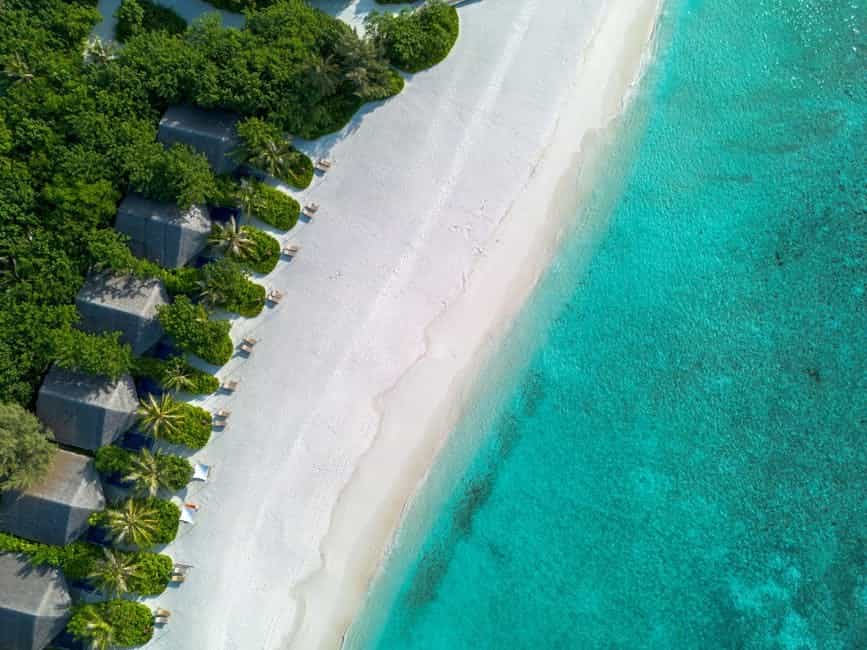
Mauritius offers accommodation for all budgets. Luxury resorts dominate: LUX* Belle Mare (east coast), The Oberoi (northwest), JW Marriott at Le Morne (southwest) offer world-class amenities. East coast (Belle Mare, Trou d'Eau Douce) has calmer seas and powdery beaches. West coast (Flic-en-Flac, Tamarin) offers stunning sunsets and dolphin watching. North (Grand Baie) is livelier with nightlife and restaurants. South (Le Morne) provides dramatic mountain backdrops and kitesurfing. Budget options include guesthouses, self-catering apartments, and boutique hotels in coastal towns. Many resorts offer all-inclusive packages. Book early for peak season (December-January) and consider shoulder seasons for better rates and fewer crowds.
What are the must-visit attractions in Mauritius?
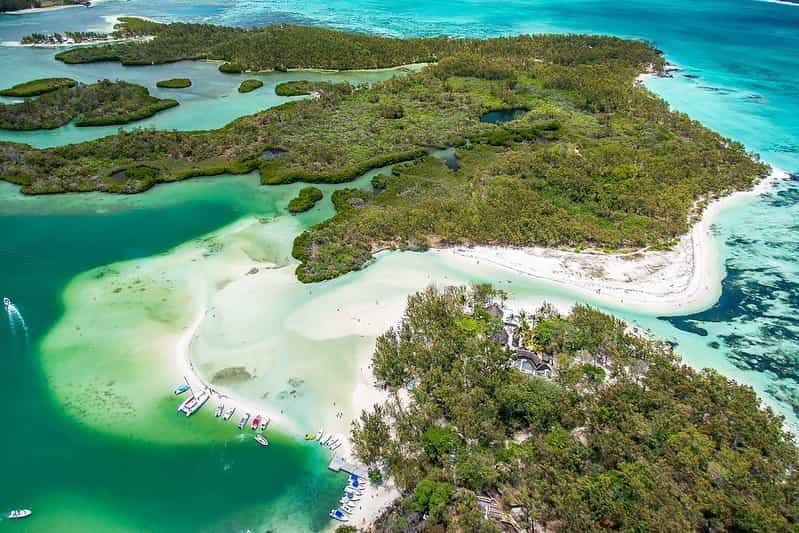
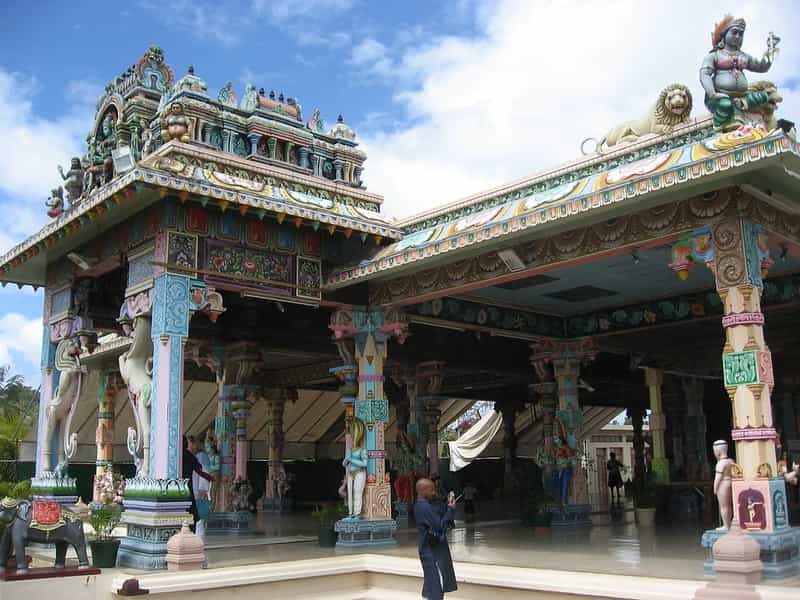
Top attractions include Le Morne Brabant (UNESCO site) for hiking and sunset views, and Chamarel's Seven Coloured Earths with nearby waterfalls and rum distilleries. Visit sacred Ganga Talao crater lake with towering Hindu statues, and Aapravasi Ghat (UNESCO) - the historic immigration depot. Île aux Cerfs offers picture-perfect beaches and water sports. Port Louis features vibrant markets and the Blue Penny Museum. Black River Gorges National Park provides hiking trails and endemic wildlife. Pamplemousses Botanical Garden showcases giant water lilies and spice trees. Blue Bay Marine Park offers excellent snorkeling. Don't miss a catamaran cruise to northern islands, street food tours in Port Louis, and traditional Sega dance performances under the stars.
What local food and cuisine should I try in Mauritius?
Mauritian cuisine beautifully blends Indian, Creole, Chinese, and French influences. Must-try dishes include dholl puri (flatbread with split pea curry), farata (flaky paratha), and rougaille (tomato-based Creole stew). Sample vindaye (mustard-turmeric marinated fish), Mauritian biryani, and mine frite (fried noodles). Street food gems include gâteaux piments (spicy lentil fritters) and fresh seafood. Sweet treats include napolitaine biscuits and alouda (sweet milk drink). Visit Port Louis Central Market for authentic local flavors. Recommended restaurants: Le Capitaine (Grand Baie), Escale Creole (Moka), and Domaine Anna (Flic-en-Flac). Don't miss rum tasting at Chamarel or St Aubin distilleries, and try Phoenix beer, the local favorite.
What's the typical budget for a trip to Mauritius?
Mauritius caters to all budgets. Luxury resort stays cost ₹15,000-50,000+ per night including meals and activities. Mid-range hotels and guesthouses range ₹3,000-8,000 nightly. Budget accommodations start around ₹1,500-3,000. Meals cost ₹200-500 for street food, ₹800-1,500 for mid-range restaurants, and ₹2,000+ for fine dining. Activities like catamaran trips cost ₹3,000-5,000, while hiking and beaches are free. Daily taxi hire runs ₹4,000-6,000; bus fares are under ₹50. Total daily budget: luxury (₹20,000+), mid-range (₹8,000-15,000), budget (₹3,000-6,000) per person. Peak season (December-January) sees 20-30% higher rates. Book packages for better value and consider shoulder seasons for savings.
Is Mauritius safe for tourists?
Mauritius is generally very safe for tourists with low crime rates and stable political environment. Petty theft can occur in crowded areas and beaches, so secure valuables and avoid displaying expensive items. Ocean safety is crucial - swim only in designated areas within lagoons where coral reefs provide protection. Strong currents exist beyond reefs. Follow beach safety flags and lifeguard instructions. The tropical sun is intense; use high-SPF sunscreen and stay hydrated. Tap water is treated but bottled water is recommended for short stays. Be cautious driving at night on rural roads. Choose ethical tour operators for activities like dolphin watching. Emergency numbers: Police 999, Medical 114. Most locals speak English or French, making communication easy for help if needed.
What cultural etiquette should I follow in Mauritius?
Mauritius is multicultural and tolerant, but respect local customs. Dress modestly when visiting temples, mosques, or churches - remove shoes and cover shoulders/legs. Beachwear is fine on beaches but not in towns or religious sites. During Hindu festivals like Maha Shivaratri, observe quietly and ask before photographing ceremonies. Friday prayers are important for Muslims. Greet with 'Bonjour' (French) or 'Namaste' (Hindi) depending on context. Mauritians are warm and hospitable; accept invitations graciously. Tipping isn't mandatory but 5-10% is appreciated for good service. Avoid pointing feet toward people or religious items. Public displays of affection should be minimal. Learn basic Creole phrases like 'Bonzour' (hello) and 'Mersi' (thank you) - locals appreciate the effort.
How long should I stay in Mauritius?
A minimum of 5-7 days allows you to experience key highlights: beaches, Port Louis, Chamarel, and one island excursion. For a comprehensive trip covering all regions, cultural sites, and activities, plan 10-14 days. This allows time for east coast beaches, west coast sunsets, south coast adventures, central highlands hiking, plus relaxation. Honeymooners often stay 7-10 days focusing on luxury resorts and romantic experiences. Families might prefer 8-12 days to include wildlife parks, easy hikes, and multiple beaches. Adventure enthusiasts need 10+ days for kitesurfing, diving, hiking, and canyoning. Consider that Mauritius rewards slow travel - rushing between activities defeats the island's laid-back charm. Many visitors find 7-10 days perfect for balancing sightseeing with beach relaxation.
What should I pack for Mauritius?
Pack light, breathable clothing in cotton or linen. Essentials include swimwear, beach cover-ups, shorts, t-shirts, and sundresses. Bring a light jacket or cardigan for air-conditioned spaces and cooler evenings (May-October). Comfortable walking shoes for sightseeing, flip-flops for beaches, and closed shoes for hiking. Sun protection is crucial: high-SPF reef-safe sunscreen, wide-brimmed hat, and sunglasses. Include mosquito repellent, especially for evening outdoor dining. Pack a light rain jacket for summer visits (November-April). Don't forget underwater camera, dry bag for boat trips, and power adapter (Type C/G - same as India). Bring any prescription medications. Leave space for souvenirs like local rum, vanilla, and spices. Most toiletries are available locally if needed.
What languages are spoken in Mauritius and will I face communication issues?
Mauritius is multilingual, making communication easy for Indian travelers. Mauritian Creole (Kreol Morisien) is the everyday language, while English and French are official languages used in tourism, business, and government. Most hotel staff, tour guides, and restaurant workers speak good English. In Indian communities and temples, you'll hear Hindi, Bhojpuri, Tamil, Marathi, and Urdu. Many locals understand basic Hindi due to cultural connections. French is widely spoken and useful in upscale restaurants and boutique hotels. Learning basic Creole phrases like 'Bonzour' (hello), 'Kouma ou alé?' (how are you?), and 'Mersi' (thank you) is appreciated. Translation apps help in local markets. Overall, language barriers are minimal, and locals are patient and helpful with communication.
Where can I shop and what souvenirs should I buy in Mauritius?
Port Louis Central Market is perfect for spices, vanilla pods, local teas, and woven baskets. Caudan Waterfront Craft Market offers quality souvenirs, model ships, and artisanal products. Floreal and Curepipe have textile factories selling cashmere and clothing. Grand Baie's La Croisette and Sunset Boulevard feature boutiques and beachwear. Bagatelle Mall (Moka) is the largest shopping center. Best souvenirs include: Mauritian rum (Chamarel, St Aubin brands), specialty flavored sugars, Bois Chéri tea, pure vanilla, Dodo-themed items, locally made textiles, and handcrafted model ships. Visit L'Aventure du Sucre museum shop for unique sugar products. Avoid buying coral, shells, or endangered species products. Many shops accept cards, but carry cash for markets. Negotiate politely in local markets.
What water activities and adventure sports are available in Mauritius?
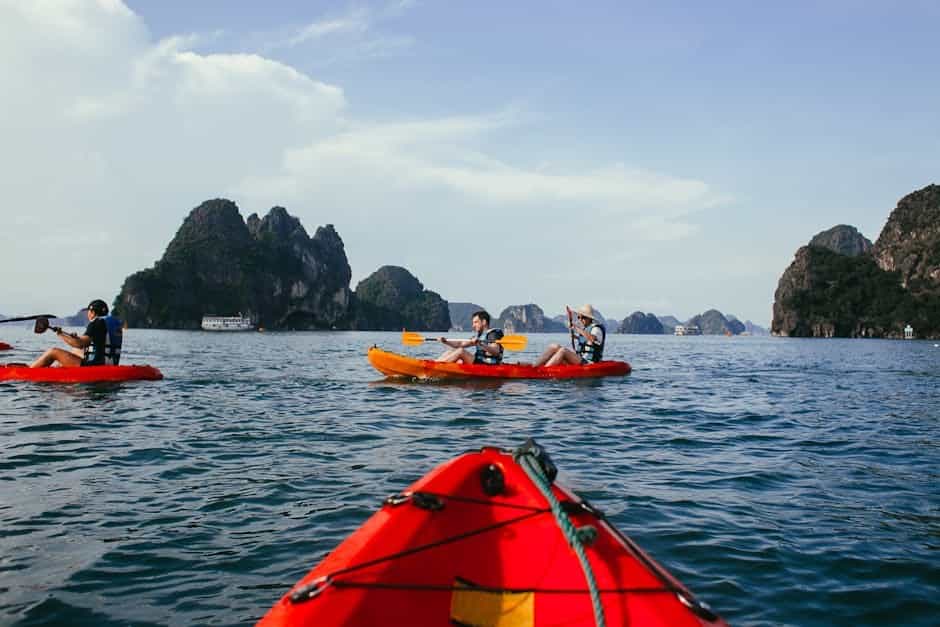
Mauritius offers world-class water activities thanks to its protected lagoons and coral reefs. Snorkeling at Blue Bay Marine Park and Île aux Cerfs reveals colorful coral gardens and tropical fish. Scuba diving sites on north and west coasts offer coral walls and occasional wrecks. Le Morne is internationally renowned for kitesurfing with consistent winds and flat lagoons - schools cater to all levels. Deep-sea fishing targets marlin, tuna, and dorado. Catamaran cruises to northern islands (Flat Island, Gabriel Island) include BBQ lunches and dolphin spotting. Other activities include parasailing, jet skiing, sea kayaking through mangroves, stand-up paddleboarding, and submarine/sea-scooter rides. Choose operators with good safety records and environmental credentials. Book activities through hotels or reputable tour companies for insurance coverage.
What land-based adventure activities can I do in Mauritius?
Beyond beaches, Mauritius offers exciting land adventures. Hiking trails in Black River Gorges National Park lead through endemic forests to waterfalls and viewpoints. Le Morne Brabant provides challenging climbs with spectacular lagoon panoramas. Canyoning at Tamarind Falls (7 Cascades) involves abseiling beside waterfalls and swimming in natural pools. Ziplining at Vallée des Couleurs, Domaine de l'Étoile, and Casela Nature Parks offers canopy thrills. Quad biking explores rugged terrains and sugar cane fields. Casela also features interactions with lions, tigers, and giant tortoises. Mountain biking trails wind through coastal paths and forest tracks. Rock climbing is available at several sites. Golf courses offer scenic play with ocean views. Consider guided hikes to spot endemic birds and learn about conservation efforts. Always use reputable operators and proper safety equipment.
How is the internet and mobile connectivity in Mauritius?
Mauritius has excellent mobile and internet coverage throughout the island. Major telecom providers are MyT (Mauritius Telecom), Emtel, and Chili Mobile, all offering tourist SIM cards and eSIM options. 4G/LTE coverage is widespread, including remote areas and offshore islands during excursions. Purchase SIM cards at the airport, telecom shops, or convenience stores with passport identification. Prepaid plans start around ₹500-1000 for 7-30 days with generous data allowances. Most hotels, restaurants, and cafes offer free WiFi, though resort WiFi may have charges or speed limitations. Internet speeds are generally good for video calls, social media, and streaming. Consider buying local SIM for better rates than international roaming. WhatsApp, Google Maps, and translation apps work seamlessly, making navigation and communication easy.
What are the banking and currency options in Mauritius?
The Mauritian Rupee (MUR) is the local currency, with 1 USD ≈ 45-50 MUR (rates fluctuate). ATMs are widespread and accept international cards (Visa, Mastercard), offering the best exchange rates. Major banks include MCB, SBM, and Barclays. Credit and debit cards are widely accepted at hotels, restaurants, shops, and tour operators, though small vendors prefer cash. Carry some cash for local markets, street food, buses, and tips. Avoid exchanging money at airports due to poor rates; use hotel exchanges or banks instead. Forex cards loaded with USD or EUR work well and offer security. Notify your bank about travel to avoid card blocks. Tipping isn't mandatory but 5-10% is appreciated. Keep receipts for tax-free shopping claims at departure.
What should I know about Mauritius weather and cyclones?
Mauritius has a tropical climate with two seasons: warm/wet (November-April) and cool/dry (May-October). Summer temperatures reach 25-33°C with high humidity and occasional tropical showers. Cyclone season runs January-March, though direct hits are rare. If visiting during cyclone season, choose hotels with flexible cancellation policies and travel insurance covering weather disruptions. Winter is ideal with temperatures of 18-26°C, less humidity, and stronger trade winds perfect for kitesurfing. The island's coral reef protects most beaches from rough seas year-round. Microclimates exist - the central plateau is cooler and rainier than coasts. East and south coasts are windier, while west and north are more sheltered. Check weather forecasts and heed local warnings about sea conditions. UV levels are high year-round, requiring constant sun protection.
What unique cultural experiences can I have in Mauritius?
Mauritius offers rich multicultural experiences reflecting its diverse heritage. Attend Maha Shivaratri at Ganga Talao, where thousands of Hindu pilgrims gather at the sacred crater lake - it's one of the largest Hindu festivals outside India. Experience Sega dancing on beaches under starlight, with traditional drums and barefoot dancing on sand. Visit during Chinese New Year for lion dances in Port Louis Chinatown, or during Diwali when the island sparkles with lights and decorations. Explore Aapravasi Ghat to understand the Indian diaspora's history and indentured labor heritage. Join cooking classes to learn Creole cuisine techniques. Visit local temples, mosques, and churches often located side by side, showcasing religious harmony. Attend local markets for authentic interactions with vendors speaking multiple languages. Stay in family-run guesthouses for genuine Mauritian hospitality and home-cooked meals.
What are the best day trips and excursions in Mauritius?
Popular day trips include the South Tour covering Chamarel's Seven Coloured Earths, waterfalls, and rum tasting, plus viewpoints at Gris Gris cliffs. The North Tour features Pamplemousses Botanical Garden, Port Louis markets, and Caudan Waterfront shopping. Catamaran excursions to Île aux Cerfs offer parasailing, snorkeling, and beach BBQs. Northern islands trips (Flat Island, Gabriel Island) provide pristine beaches and dolphin encounters. West coast tours combine Tamarin dolphin watching with Flic-en-Flac sunset dining. Cultural tours visit Ganga Talao, Aapravasi Ghat, and local temples with traditional lunch. Adventure tours include Black River Gorges hiking, canyoning at Tamarind Falls, and ziplining. Tea route tours explore Bois Chéri plantation with tastings and colonial history. Most tours last 8-10 hours including hotel transfers, lunch, and entrance fees. Book through hotels or reputable operators for insurance coverage.
How do I stay environmentally responsible while visiting Mauritius?
Mauritius faces environmental challenges including coral reef degradation and plastic pollution. Use reef-safe sunscreen without oxybenzone or octinoxate to protect coral during snorkeling. Choose ethical dolphin tours that observe from distance rather than chasing or swimming with dolphins. Avoid single-use plastics; carry reusable water bottles, bags, and straws. Many hotels now provide filtered water stations. Don't touch or stand on coral reefs, and never remove shells, coral, or marine life. Choose accommodations with environmental certifications and sustainable practices. Support local communities by buying from local markets and family-run businesses. Use biodegradable toiletries and minimize water usage. Participate in beach cleanups if available. Choose tour operators committed to conservation. Respect wildlife viewing guidelines and maintain safe distances. Consider offsetting your carbon footprint from flights through verified programs.