Chittorgarh, Rajasthan
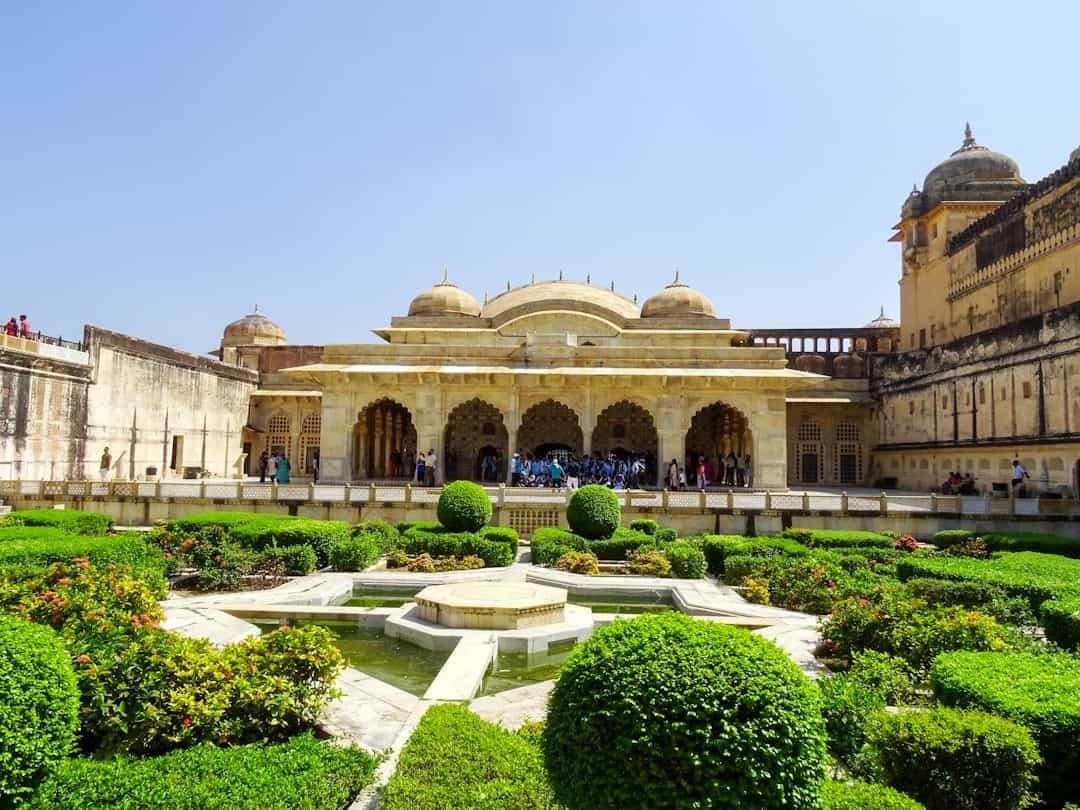
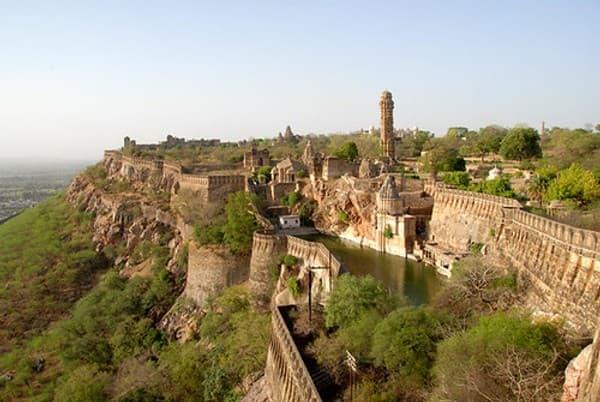
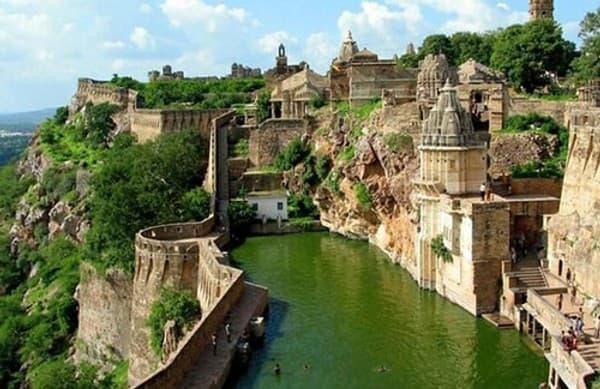
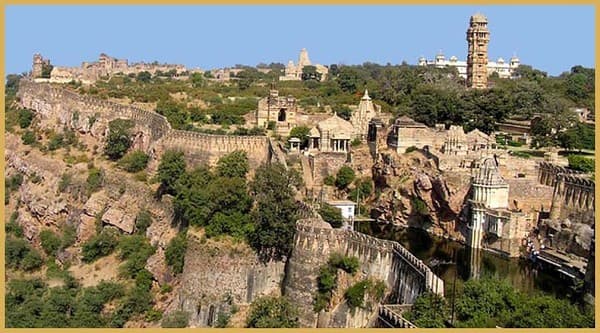
Chittorgarh Fort (Chittor) is one of the largest forts in India and a symbol of Rajput valour and sacrifice. It served as the capital of the Mewar kingdom and played a central role in several historic sieges (notably by Alauddin Khalji, Bahadur Shah of Gujarat, and the Mughal emperor Akbar). The fort is part of the Hill Forts of Rajasthan UNESCO World Heritage Site and contains palaces, temples, towers and reservoirs that reflect medieval Rajput architecture and civic planning.
Last updated: 31 May 2026
Places to visit
- Chittorgarh Fort (the whole citadel) - sprawling fort complex with multiple monuments
- Vijay Stambh (Tower of Victory) - built by Rana Kumbha in the 15th century
- Kirti Stambh (Tower of Fame) - a 12th-century Jain tower
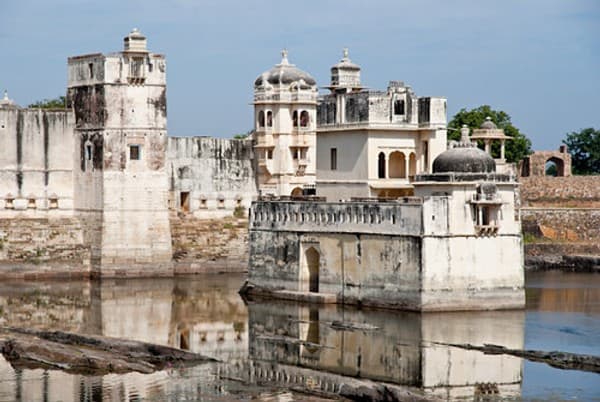
- Rani Padmini's Palace and Padmini Mahal - associated with the Padmini legend
- Rana Kumbha's Palace and ruins - royal residential structures and ruins
- Kalika Mata Temple - an active shrine within the fort
- Gaumukh Reservoir and historic waterworks
- Meera Temple and memorials
- Government Museum (Archaeological displays)
- Evening Light & Sound show at Chittorgarh Fort
Unique Aspects
- Massive fortifications and hilltop setting providing expansive scenic views
- Blend of Hindu and Jain architecture (temples, towers)
- Stories of jauhar and heroic resistance embedded in the built environment
- Well-preserved stepped reservoirs and ancient water management features
Things to do
- Guided or self-guided exploration of the fort complex and monuments
- Climbing Vijay Stambh and viewing panoramic vistas
- Visiting temples and attending local religious ceremonies
- Exploring the museum to learn about artifacts and local history
- Photographing architecture, ruins and landscape
- Attending the Light & Sound show in the evening to hear the fort's history dramatized
- Day trips to nearby historical sites in Mewar region
Festivals & Events
- Local religious festivals (Diwali, Holi) celebrated in town and temples
- Occasional cultural programs and heritage events organized at the fort
- Commemorative events relating to Mewar history (dates vary) — check local listings
- Seasonal fairs and markets during peak tourist seasons
Best Time to Visit
October to March (cooler, dry weather and pleasant sightseeing conditions). Avoid peak summer months (April–June) when temperatures can be extreme.
Weather Conditions
Hot summers (can exceed 40–45°C), monsoon rains (July–September) with humid conditions, and mild/warm winters (October–March) ideal for touring.
Accessibility
Nearest major railhead: Chittorgarh Junction railway station (well connected by rail). Nearest airport: Maharana Pratap Airport, Udaipur (~100–130 km by road) and Jaipur International Airport (~300+ km) are the closest commercial airports. Good road connectivity by state and private buses; taxis and hired cars are common for onward travel. Within the fort, paths include stairs and uneven terrain—not fully accessible for wheelchairs; wear comfortable shoes.
Recommended Duration
Plan 1–2 days: half a day for the fort and key monuments, a full day if you want a relaxed visit with museum, temples and the Light & Sound show.
Clothing & Gear Tips
Light, breathable clothing in summer; layers for winter evenings. Comfortable walking shoes, sunhat, sunglasses, sunscreen, and a refillable water bottle. Modest clothing is recommended when visiting temples.
Local Food & Souvenirs
Try Rajasthani specialties in local eateries (dal baati churma, gatte ki sabzi, local sweets). Popular souvenirs include hand-block printed textiles, miniature paintings, Rajasthani puppets, leather goods and traditional jewelry. Purchase from trusted shops; bargaining is common in markets.