Pushkar, Rajasthan
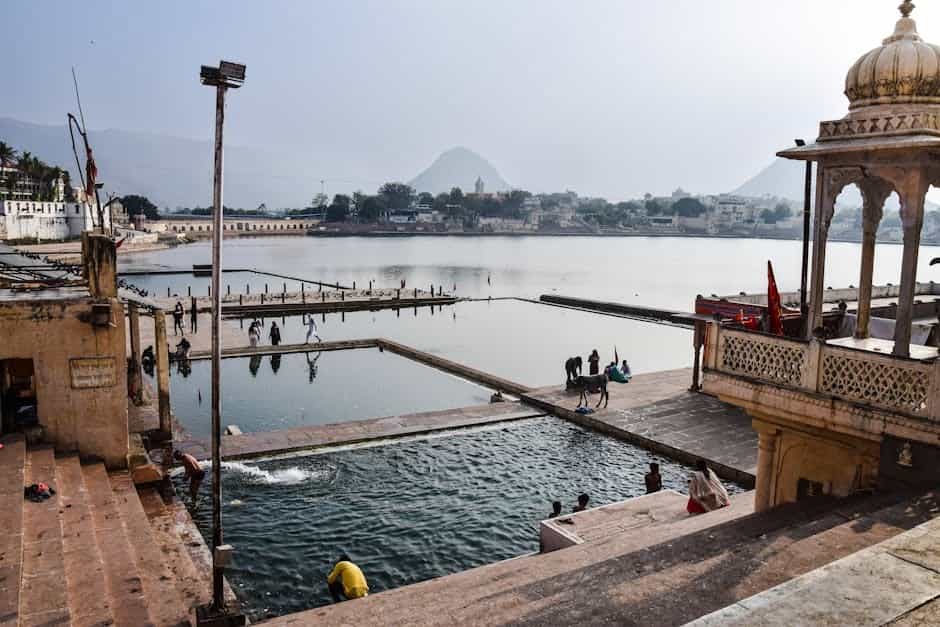
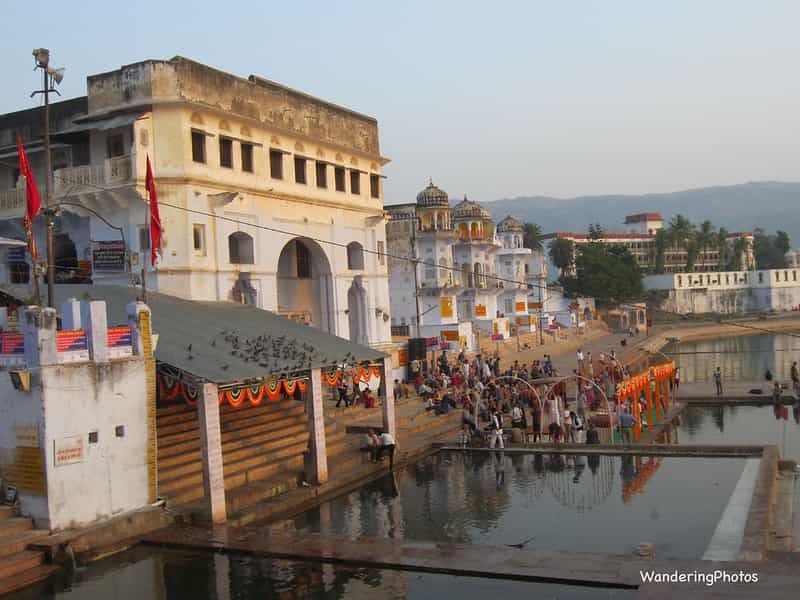
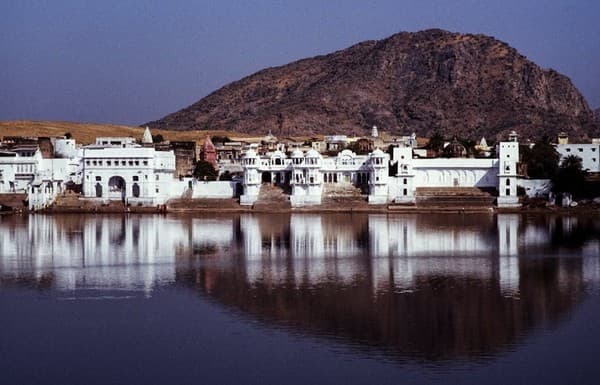
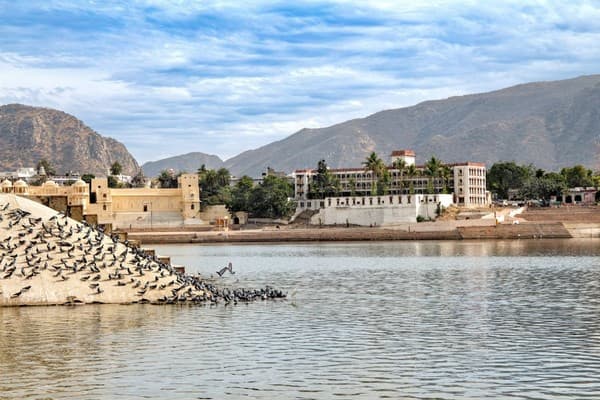
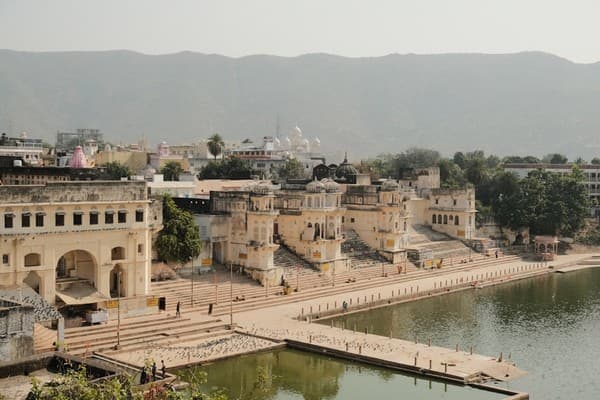
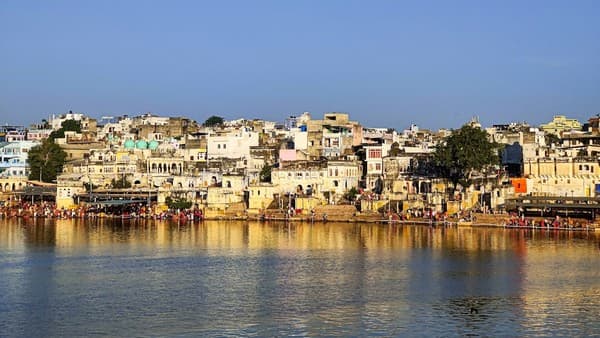
Pushkar is one of India’s oldest and most sacred pilgrimage towns, uniquely known for its association with Lord Brahma — one of the few Brahma temples in the world. The town centers on the holy Pushkar Lake, ringed by 52 ghats where pilgrims perform sacred baths, rituals, and aarti. Culturally rich, Pushkar blends Hindu pilgrimage traditions with Rajasthani rural life and seasonal trading traditions (notably the Camel Fair). The surrounding Aravalli hills add scenic and ecological value.
Last updated: 31 May 2026
Places to visit
- Pushkar Lake and its 52 ghats (e.g., Brahma Ghat, Varah Ghat)
- Brahma Temple (the principal temple dedicated to Lord Brahma)
- Savitrī Temple (on Ratnagiri Hill — popular for sunrise/sunset views)
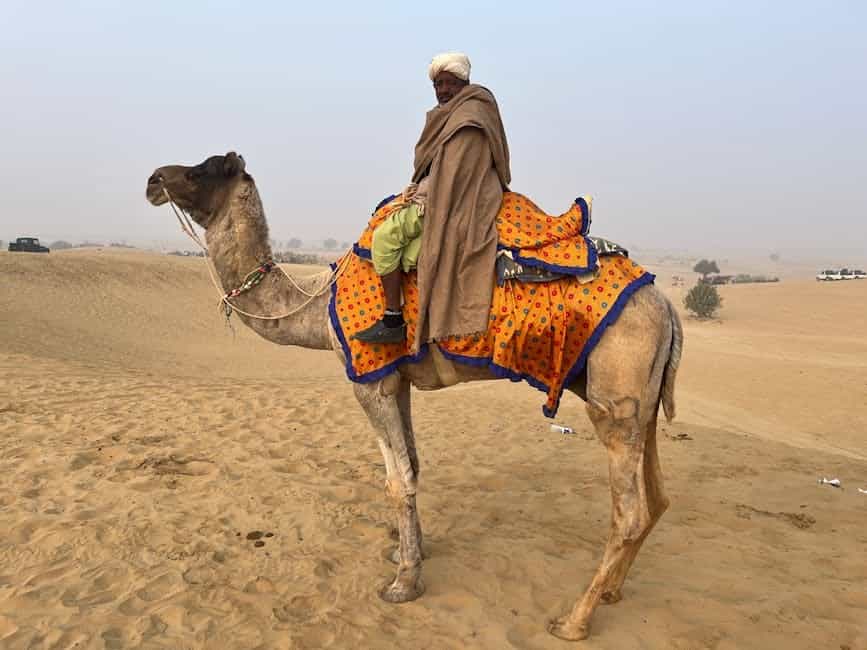
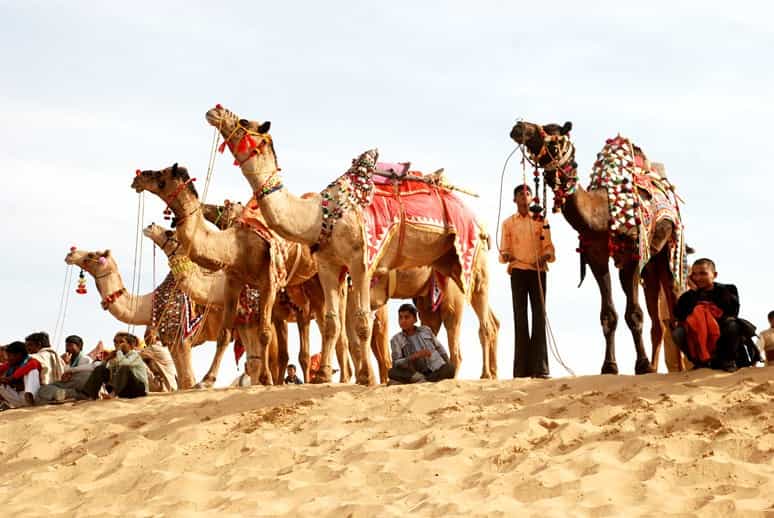
- Pushkar Camel and Livestock Fair (annual, around Kartik Purnima)
- Rangji Temple and other historic temples
- Vibrant bazaars (textiles, silver jewelry, handicrafts)
- Nearby Ajmer (Ajmer Sharif Dargah) — short trip
Unique Aspects
- Unique religious status as a major Brahma pilgrimage site
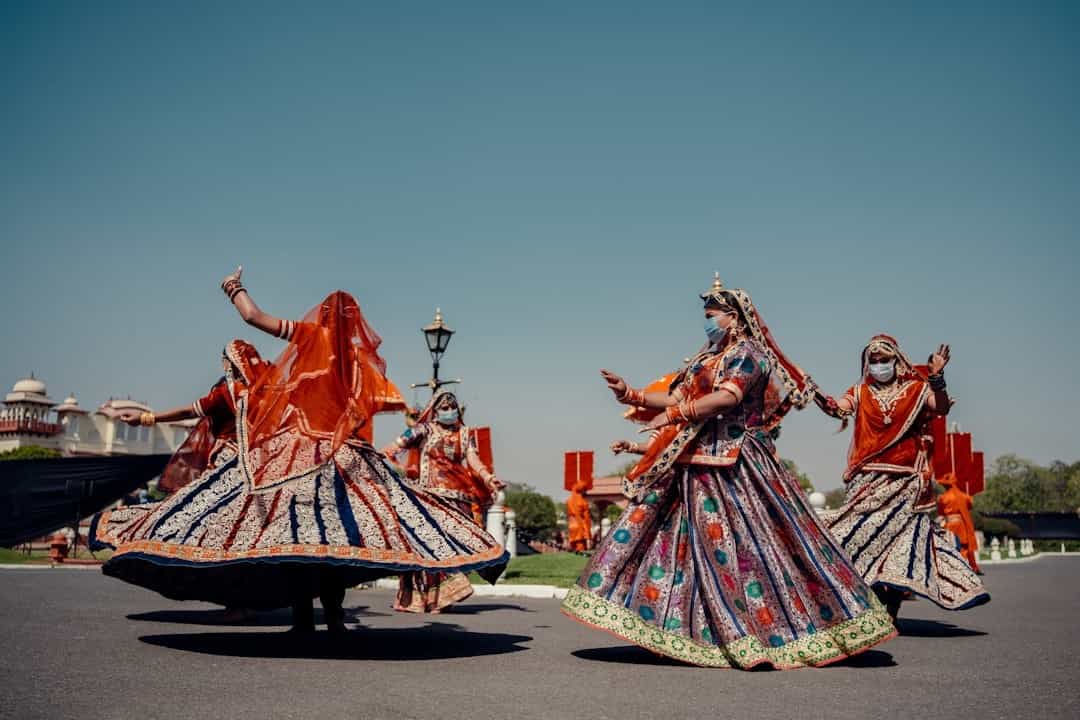
- Colorful seasonal Camel Fair with trading, competitions, cultural shows
- Picturesque ghats and ritual aarti ceremonies at the lake
- Compact town with narrow lanes and traditional Rajasthani markets
- Scenic views from Ratnagiri Hill and surrounding Aravalli foothills
Things to do
- Participate in or observe morning/evening aarti and ritual baths at the ghats
- Explore the Brahma Temple and other temples
- Attend the Pushkar Camel Fair (trade, livestock shows, cultural events, camel safaris and competitions)
- Shop in the bazaars for textiles, silver jewelry, and handicrafts
- Join yoga, meditation, and spiritual retreats (many guesthouses and cafes offer classes)
- Take short excursions to Ajmer, nearby rural villages, or jeep safaris in the Aravalli region
- Watch sunrise or sunset from Savitri Temple (requires a short climb)
Festivals & Events
- Pushkar Camel Fair (annual; dates vary with the Hindu lunar calendar, typically October–November around Kartik Purnima)
- Kartik Purnima bathing and religious ceremonies
- Holi and other Hindu festivals observed locally (colorful bazaars during festive seasons)
Best Time to Visit
October–November (for the Pushkar Camel Fair and pleasant weather); September–March is generally comfortable. Avoid April–June (peak summer heat).
Weather Conditions
Semi-arid climate: very hot in summer (day temps often exceed 40°C), mild and pleasant days in winter with cool nights (day 15–25°C, nights can drop to 5–10°C). Monsoon (July–September) brings limited rainfall.
Accessibility
Nearest major airport: Jaipur International Airport (approx. 145 km). Nearest railway station: Ajmer Junction (approx. 13 km) with regular trains to major cities. Frequent bus and taxi services connect Pushkar to Ajmer, Jaipur, Jodhpur, and Udaipur. The town’s lanes are narrow and often stepped; not ideal for wide vehicles but walkable. Limited facilities for travelers with reduced mobility—plan ahead and ask accommodations for assistance.
Recommended Duration
2–3 days to cover temples, ghats, markets, and a short excursion to Ajmer. If attending the Camel Fair, plan 3–4 days or more to enjoy events and excursions.
Clothing & Gear Tips
Dress modestly when visiting temples and ghats (shoulders and knees covered). Bring comfortable walking shoes for narrow lanes and hill climbs, sun protection (hat, sunscreen), a light jacket for cool winter nights, and a scarf to shield from dust.
Local Food & Souvenirs
Pushkar is known for vegetarian cuisine and a thriving cafe culture — try local Rajasthani dishes (dal-baati-churma), sweets like ghevar during festivals, and popular cafe dishes. Souvenirs include embroidered textiles, silver jewelry, brassware, leather goods, and camel-themed handicrafts. Bargaining is common in local markets.