Himachal Pradesh Backpacker's Budget Guide: Sleep, Eat & Travel Cheap
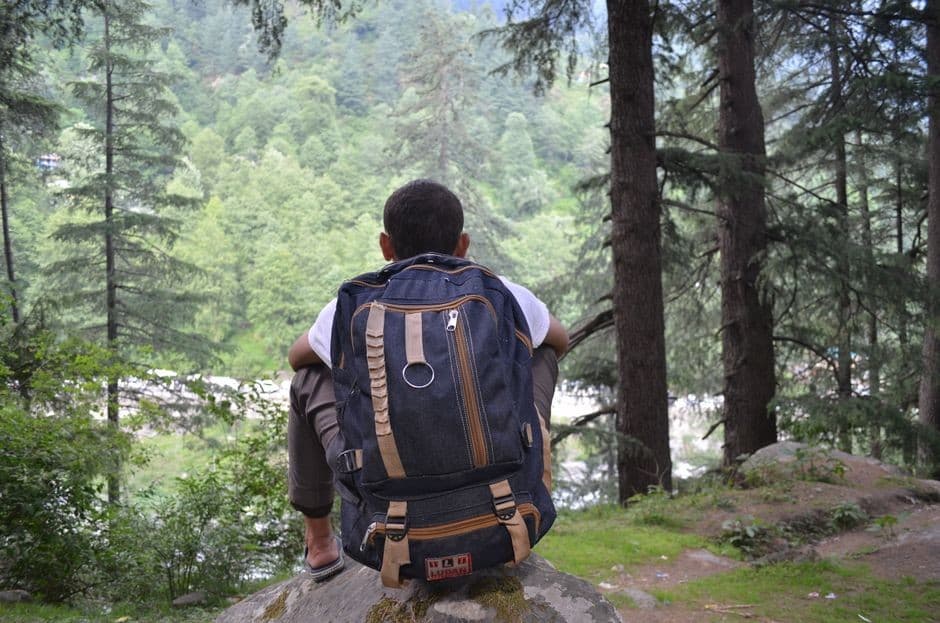
There's a reason backpackers keep coming back to Himachal Pradesh. Snow-fringed peaks, cedar forests, apple-laden valleys, storybook villages—it's all here, and it doesn't have to drain your wallet. Whether you're chasing sunrises over Key Monastery (Kye Gompa), slurping thukpa in McLeod Ganj, or riding a rattling HRTC bus through a hundred hairpin bends, Himachal rewards the budget traveller with experiences that no luxury resort can replicate.
This guide breaks down exactly what you'll spend on sleeping, eating, and getting around in 2026—with real numbers, insider hacks, and a few hard-won lessons from the road.
How Much Does Backpacking Himachal Actually Cost?
Let's start with the bottom line. A budget traveller can manage comfortably on ₹1,200–₹1,500 per day including accommodation, food, and local transport. A typical 5-day Himachal trip for a couple averages ₹12,500 to ₹22,000 per person, but backpackers who stick to hostels, local buses, and dhaba meals can slash that figure significantly. A budget solo trip to Manali for 5 days costs approximately ₹10,000–₹12,000 including travel from Delhi.
The golden rule? The key is timing your trip right, booking transport in advance, and avoiding the peak May–June rush if your budget is tight. Monsoon (July–mid-September) and autumn (mid-September–November) offer the best value, with fewer crowds and lower prices across the board.
Sleeping Cheap: Hostels, Homestays & Dorms
Himachal's backpacker accommodation scene has exploded in recent years. Himachal in 2026 boasts an extensive hostel network (Zostel, The Hosteller, and more). Dorm room beds are of good quality and cost between ₹500 and ₹800 per night. For couples travelling in pairs, there are private rooms which will cost ₹1,200 to ₹1,800.
You'll find well-reviewed hostels in virtually every backpacker hub. Popular chains like The Hosteller operate in Bir, Kasol, Dalhousie, and beyond, while independent gems dot villages from Jibhi to Tosh. Hostels like Mud Hostel Shangarh, The Vagabond Manali, and Pahadi Bliss Hostel in Tosh are highly rated by travellers, and family-friendly options include Hostel 360 Degree Jibhi and Dreamwoods.
Budget Sleeping Tips
- Book off-season. Rates in July–September and January (excluding New Year week) can drop 30–50% compared to the May–June peak.
- Try homestays in smaller villages. Tirthan Valley, Spiti Valley's community-based Ecosphere homestays, and apple-orchard stays in Kinnaur Region offer cosy rooms for ₹500–₹1,000 per night—often with home-cooked meals included.
- Negotiate for longer stays. If you're spending three or more nights in one place, most guesthouses will happily knock off 10–20%.
- Camp when you can. Carry a lightweight tent for treks like Triund Hill, Bhrigu Lake, or Chandratal Lake—camping is free at many high-altitude spots (just be responsible with waste).
Eating on a Budget: Dhabas, Thalis & Tibetan Staples
Himachal is a dream for budget foodies. Budget travellers can easily manage food expenses within ₹400 to ₹700 per day. The trick is eating where the locals eat.
What to Eat (and What It Costs)
- Dhaba thalis: A full rice-dal-sabzi-roti plate at a roadside dhaba runs ₹80–₹150. Look for the ones packed with truck drivers and local workers—that's your quality guarantee.
- Momos & thukpa: In McLeod Ganj, Manali, and Kasol, a plate of steamed momos costs ₹60–₹100, and a bowl of warming thukpa is ₹80–₹120.
- Siddu & babru: These Himachali specialities—steamed stuffed bread and black-gram kachori—are filling, delicious, and dirt cheap at local stalls.
- Maggi & chai: The unofficial currency of the Indian mountains. A plate of Maggi at a trail-side stall costs ₹40–₹80; chai is ₹10–₹30.
- Bakery treats in Old Manali & Dharamkot: Banana pancakes, Israeli shakshuka, and fresh-baked bread from backpacker cafés cost ₹100–₹200 per dish—a splurge by dhaba standards, but still affordable.
Where to Eat Well for Less
- Indian Coffee House (Shimla Mall): Nostalgic, budget-friendly classics in an iconic setting.
- Tibet Kitchen (McLeod Ganj): Homestyle Tibetan plates at honest prices.
- Roadside dhabas along NH-3 and NH-5: Some of the best rajma-chawal and dal-fry you'll ever eat, for under ₹120.
- Hostel kitchens: Many hostels offer self-catering kitchens. Buy vegetables from local markets and cook your own meals for a fraction of restaurant prices.
Pro tip: Try a traditional Himachali Dham feast if you get the chance—rajma, madra, sepu vadi, sweet mittha, and more. During local festivals and temple events, these elaborate meals are often served free to visitors.
Getting Around Cheap: Buses, Shared Cabs & Two-Wheelers
Transport is where your budget can balloon or stay lean, depending on your choices. Getting around inside Himachal is where costs vary most depending on your style.
HRTC Buses: The Backpacker's Best Friend
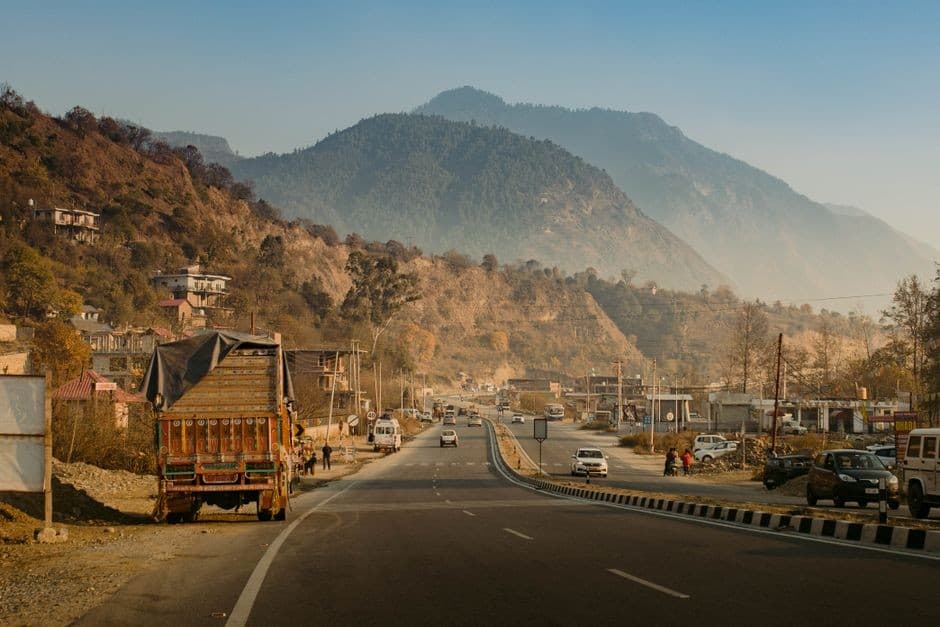
HRTC has over 3,000 buses, connecting Himachal to several key cities across the country. The base rate is 74 paise per passenger per km, the lowest rural bus fare in any Indian state. That means a 100 km journey on an ordinary bus costs roughly ₹74—absurdly cheap by any standard.
HRTC buses are extremely cheap but can be crowded and slow on mountain roads. They stop at every village, which is part of the charm—and the reason a 100 km trip can take four hours. But for solo budget travellers, nothing beats them.
Getting to Himachal from Delhi: The bus ticket price from Delhi to Manali generally ranges between ₹449 and ₹5,250. The fare can start as low as ₹539 for non-AC seaters. For most travellers, mid-range options like Volvo sleepers strike the right balance, usually costing between ₹1,500–₹2,000.
Download the HRTC app to see exact bus timings. You won't be forced to hire costly private taxis because you "missed the last bus."
Shared Cabs & Ride-Sharing
Shared jeeps and cabs operate on most inter-town routes—Manali to Naggar, Dharamshala to McLeod Ganj, Kaza to Key Monastery. Expect to pay ₹50–₹200 per seat depending on distance. Ask at the local bus stand; shared vehicles usually fill up and depart by mid-morning.
Two-Wheeler Rentals
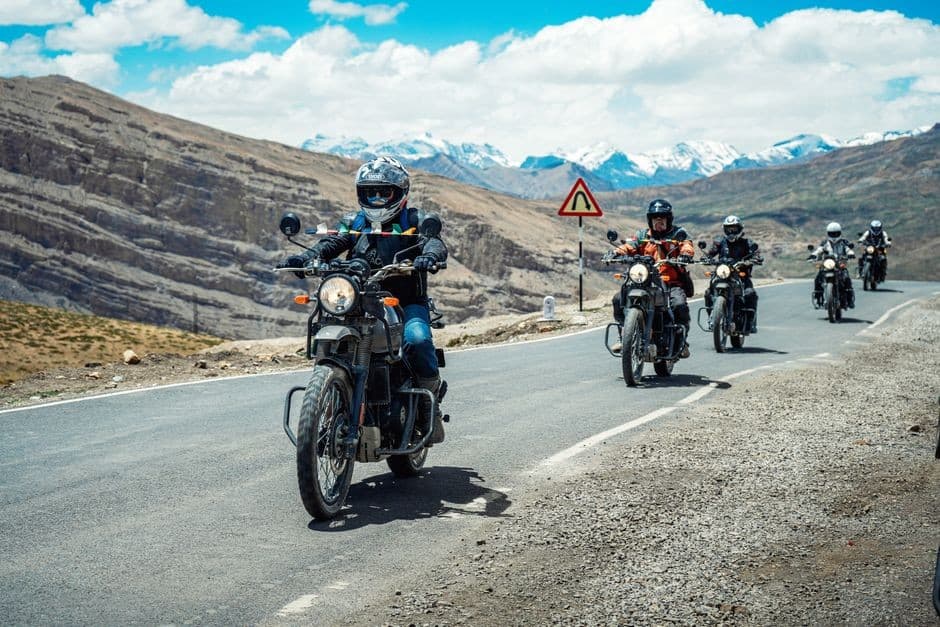
Bike rental is available in Manali, Shimla, and Kasol. It's the most cost-effective and enjoyable way to explore at your own pace. A valid driving licence is required. Expect to pay ₹500–₹1,000 per day for a scooter or ₹800–₹1,500 for a Royal Enfield, depending on the season and model.
The Kalka–Shimla Toy Train
Don't skip this UNESCO-recognized heritage line. A second-class ticket costs just ₹35–₹40 for the full five-hour journey through 100+ tunnels and sky-high viaducts. It's one of the cheapest—and most magical—train rides in India.
Sample Daily Budget Breakdown
Here's what a typical backpacker day in Himachal looks like:
| Expense | Budget (₹) |
|---|---|
| Hostel dorm bed | 500–800 |
| Breakfast (chai + paratha at dhaba) | 60–100 |
| Lunch (thali or momos) | 80–150 |
| Dinner (dhaba or hostel kitchen) | 100–200 |
| Local transport (HRTC bus / shared cab) | 50–200 |
| Snacks & chai | 30–60 |
| Daily Total | ₹820–₹1,510 |
Money-Saving Hacks That Actually Work
- Travel in shoulder season. September–November gives you crystal-clear skies, golden forests, and prices 30–40% below summer peaks.
- Go off-beat. Jibhi, Barot Valley, Tirthan, and Pabbar Valley are cheaper and less crowded than Manali or Shimla—and arguably more beautiful.
- Carry a water bottle with a filter. Bottled water adds up fast at ₹20–₹40 a pop. Mountain streams are plentiful, and a LifeStraw or SteriPen pays for itself in a week.
- Join group treks. Splitting guide and permit fees among four to six people makes multi-day treks like Hampta Pass far more affordable.
- Use UPI everywhere. Even tiny chai stalls in Himachal now accept Google Pay and PhonePe. You'll avoid ATM withdrawal fees and always get exact change.
- The mountains reward slow travel. Spend an extra day in a village instead of rushing to tick off another viewpoint, eat where locals eat, and split cabs where possible—and you'll come back with memories far larger than your spend.
When to Go for the Best Budget Experience
| Season | Budget Impact | Vibe |
|---|---|---|
| Summer (Apr–Jun) | Highest prices, book early | Crowds, clear weather |
| Monsoon (Jul–mid-Sep) | Cheapest stays, good deals | Lush but landslide risk |
| Autumn (Sep–Nov) | Great value, moderate crowds | Golden forests, clear skies |
| Winter (Dec–Feb) | Spikes around Christmas/NY | Snow, cosy, some roads close |
Final Takeaways
Himachal Pradesh is genuinely one of India's most affordable mountain destinations. With overnight buses, guesthouses in Old Manali, local dhabas, and rented scooters, you can have one of India's most spectacular mountain experiences for under ₹1,500 a day.
Here's your action plan:
- Book an overnight HRTC Volvo or semi-deluxe bus from Delhi or Chandigarh—save a night's accommodation and travel time.
- Stay in hostels or village homestays, not Mall Road hotels.
- Eat at dhabas and cook in hostel kitchens—save cafés for the occasional treat.
- Use HRTC buses and shared cabs for inter-town travel; rent a scooter for day explorations.
- Travel in autumn or monsoon for the best value.
The mountains are calling, and your bank account can handle it. Pack light, travel slow, and let Himachal surprise you—one ₹10 chai at a time.
Leave a Comment
Explore Himachal
Ready to plan your trip? Check out our complete travel guide and packages.