Ajmer, Rajasthan
Ajmer is a historic city in Rajasthan known for its deep religious and cultural significance as a major Sufi pilgrimage centre and a crossroads of Rajput and Mughal history. The city hosts the revered Dargah Sharif of Khwaja Moinuddin Chishti, attracting pilgrims from across India and abroad. Ajmer also features important monuments from the Delhi Sultanate and Mughal eras, historic forts, and scenic settings against the Aravalli hills, making it important both historically and naturally.
Last updated: 31 May 2026
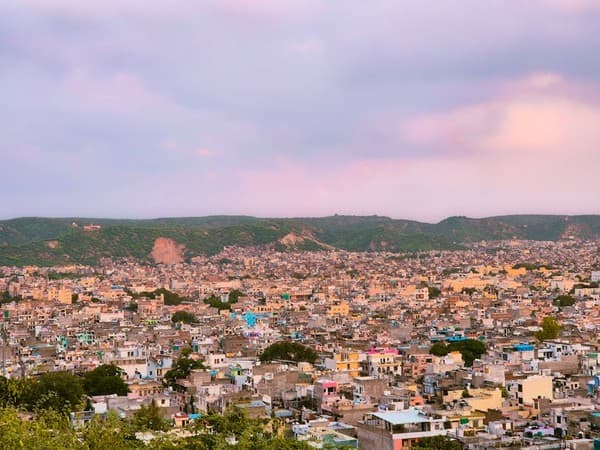
Places to visit
- Ajmer Sharif Dargah (Shrine of Khwaja Moinuddin Chishti)
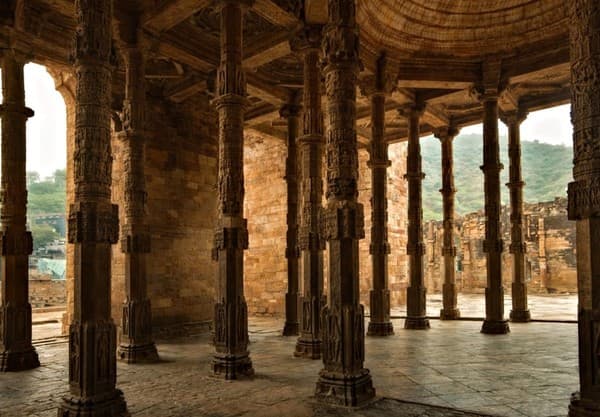
- Adhai Din Ka Jhonpra (early Indo-Islamic monument)
- Ana Sagar Lake and Daulat Bagh (lakefront and gardens)
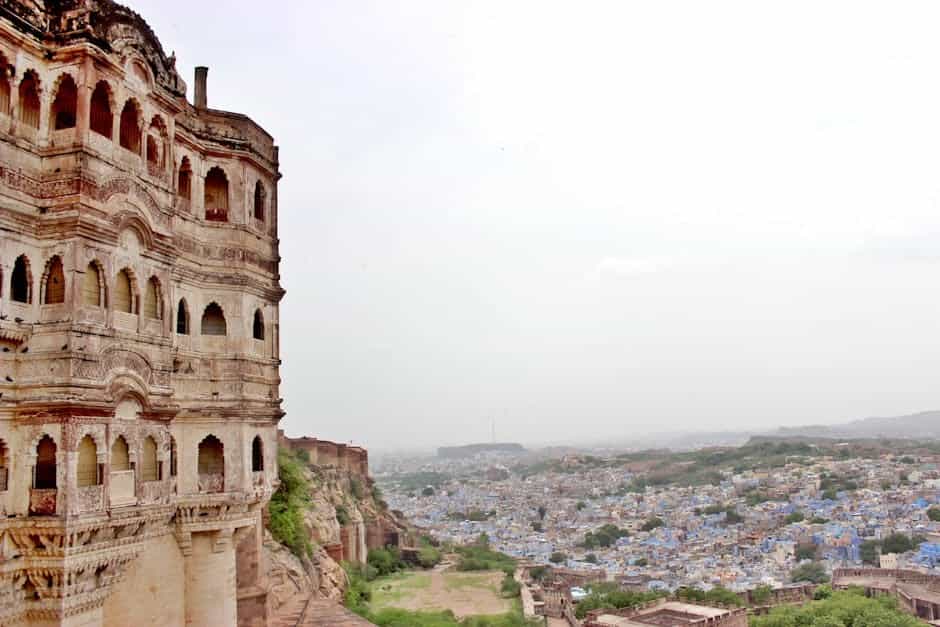
- Taragarh Fort (hill fort with panoramic views)
- Nasiyan Jain Temple (Red Temple with golden hall)
- Akbari Fort & Museum
- Dargah Bazaar and local markets
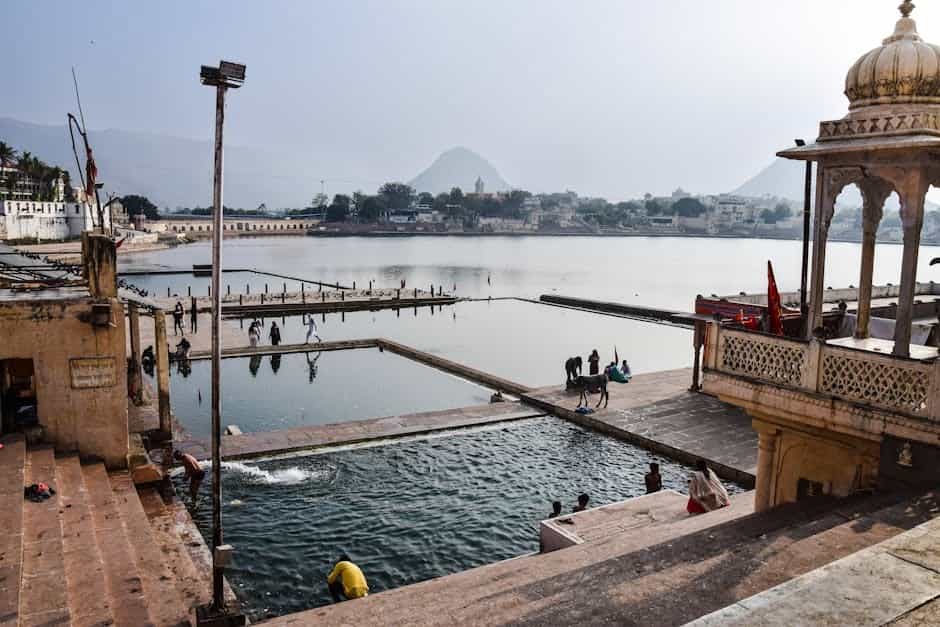
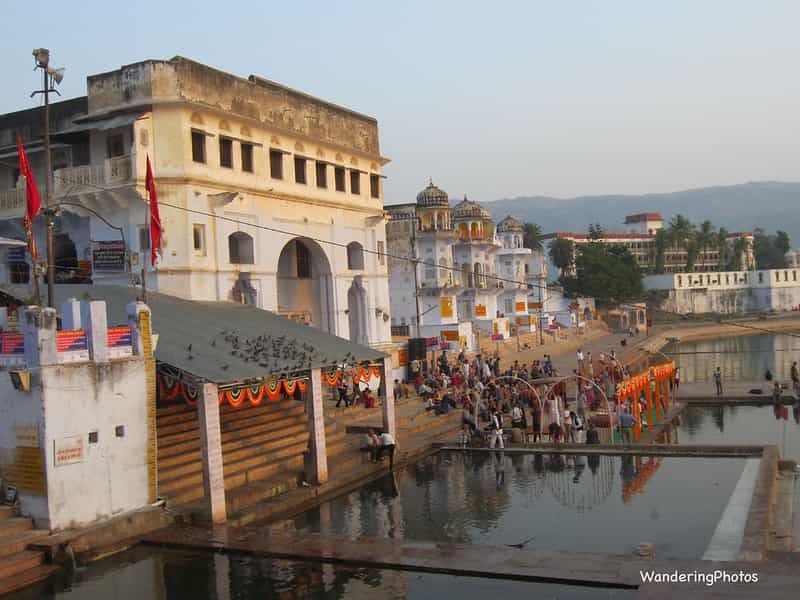
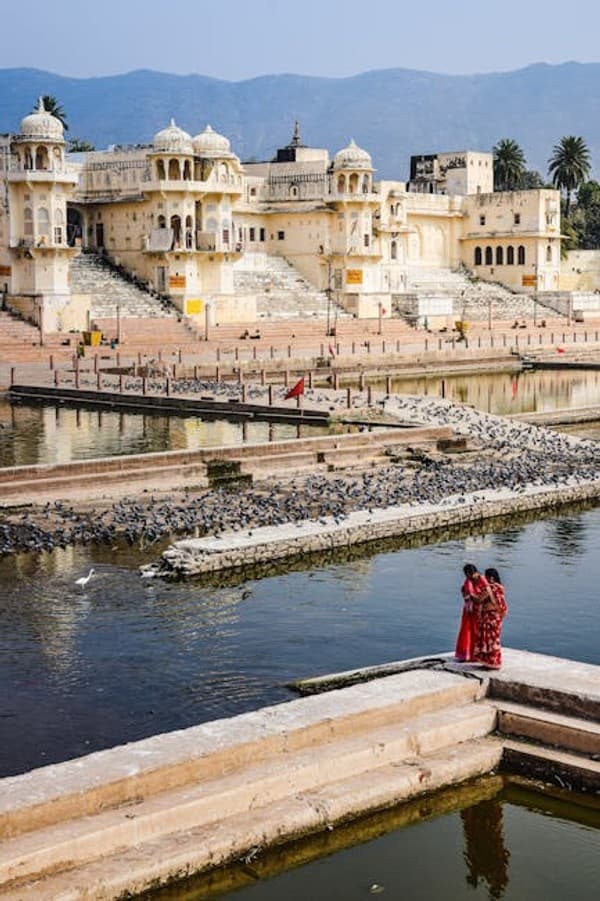
- Nearby: Pushkar (Brahma Temple and Pushkar Lake)
Unique Aspects
- Sufi spiritual atmosphere and nightly qawwalis at the Dargah
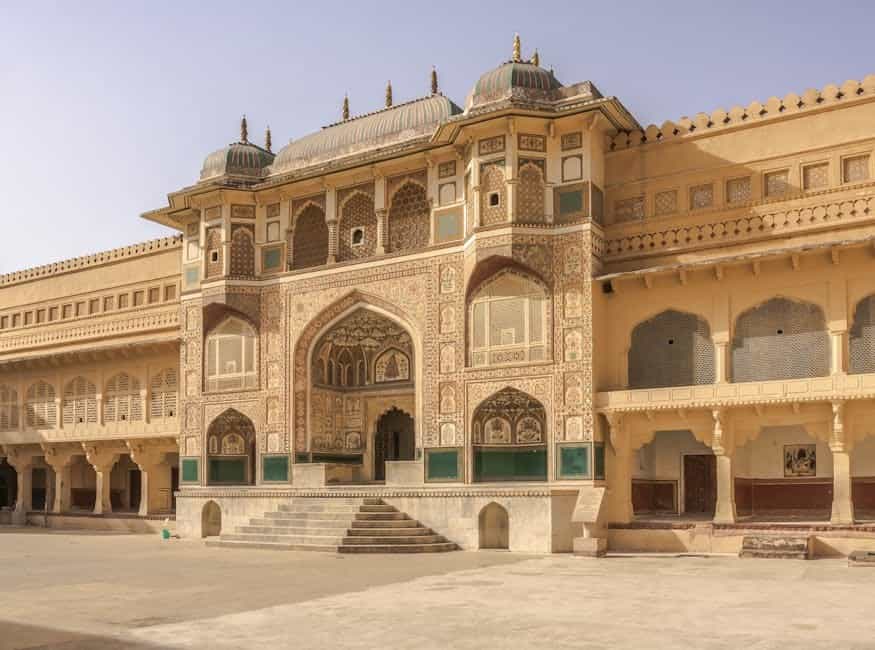
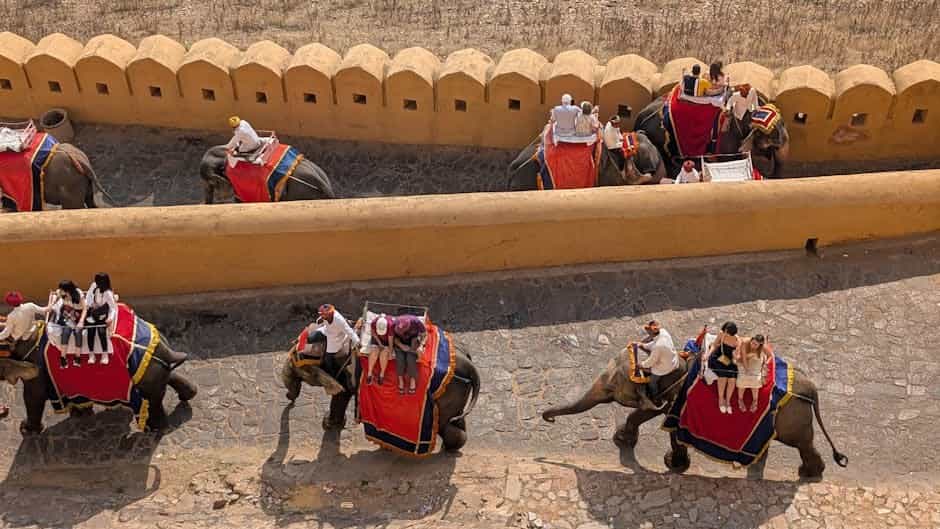
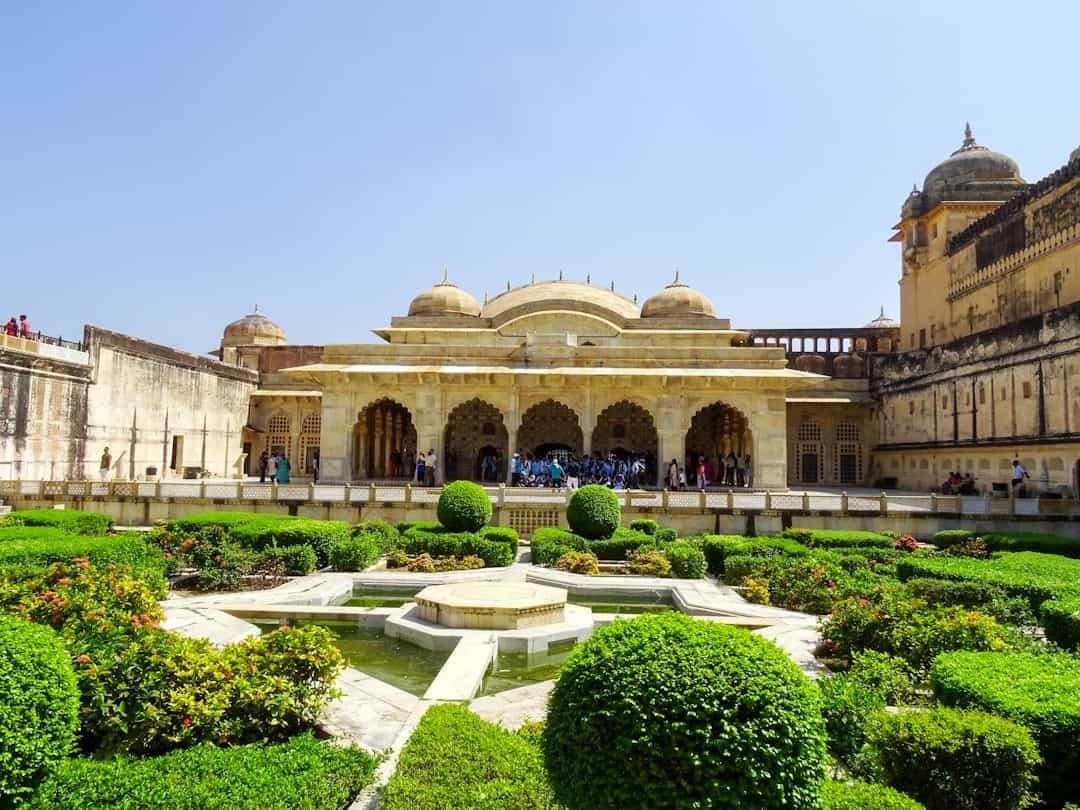
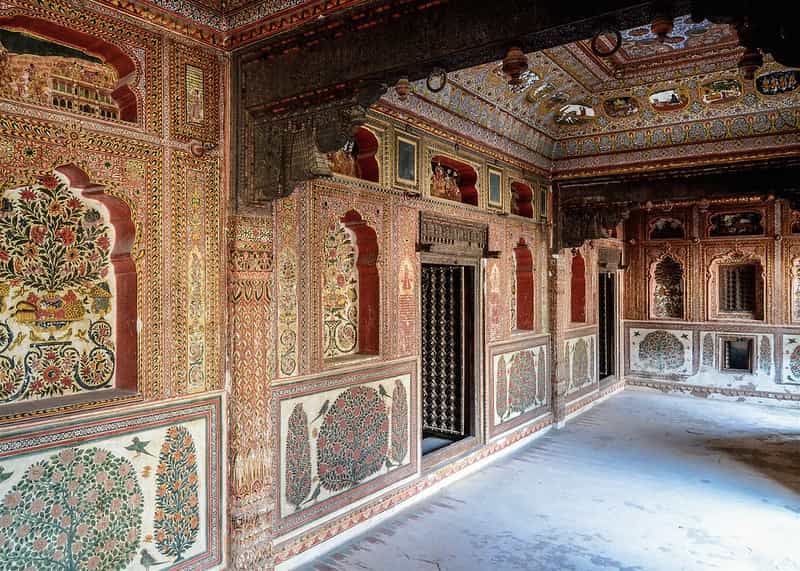
- Blend of Rajput, Mughal and Indo-Islamic architecture
- Scenic Aravalli hill backdrop and lakeside promenades
- Bustling bazaars with traditional Rajasthani handicrafts
- Close proximity to the pilgrimage town of Pushkar
Things to do
- Attend qawwali and evening prayers at Ajmer Sharif Dargah
- Boating and strolling along Ana Sagar Lake
- Explore Adhai Din Ka Jhonpra and the Akbari monuments
- Trek or walk up to Taragarh Fort for sunrise/sunset views
- Day trip to Pushkar for its lake, temples, and markets
- Shop in Dargah Bazaar for textiles, jewelry and spices
- Taste local street food—kachoris, lassis and Rajasthani snacks
Festivals & Events
- Urs of Khwaja Moinuddin Chishti (major annual Sufi festival, attracts huge crowds and qawwali performances)
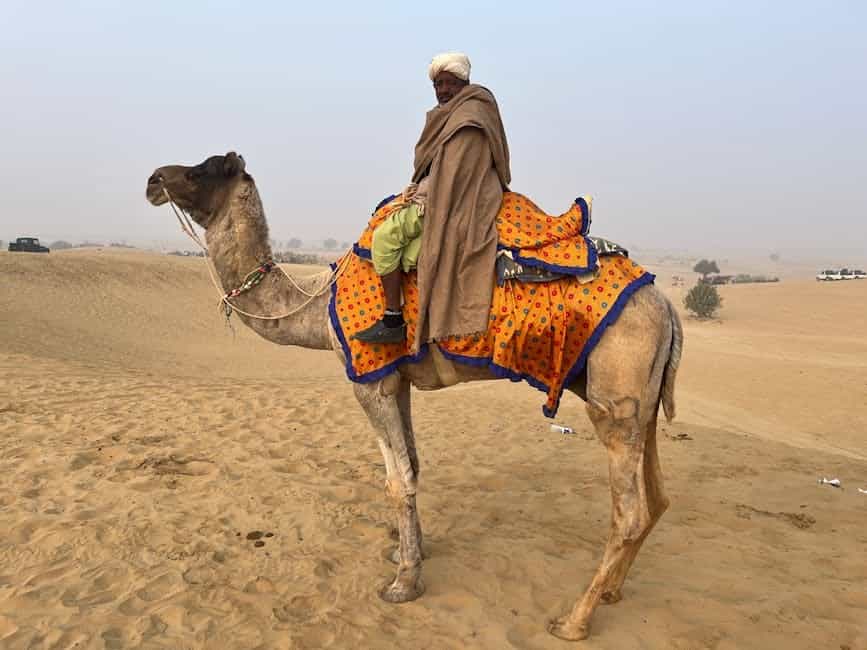
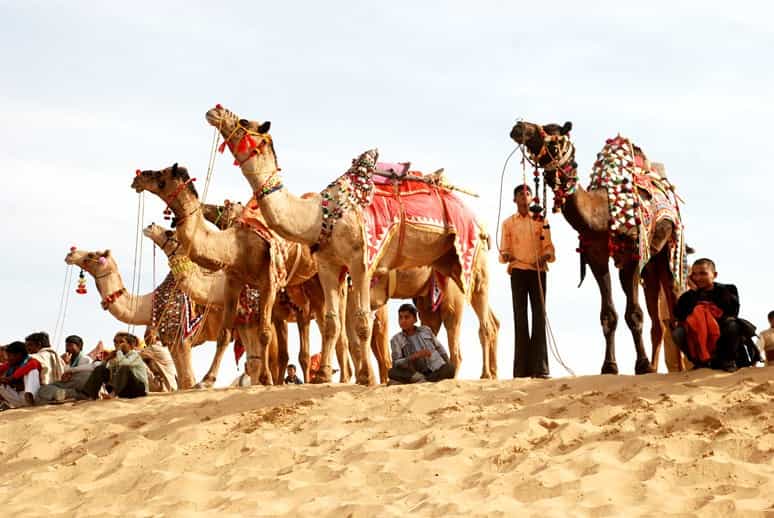
- Pushkar Camel Fair (nearby, usually in November)
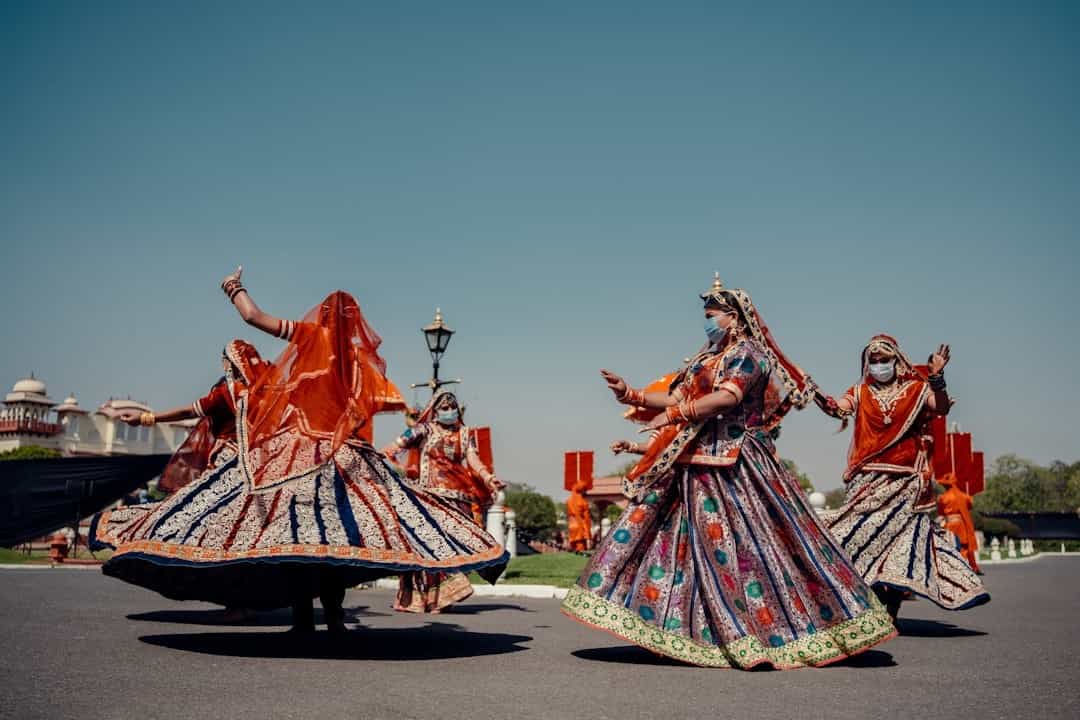
- Local celebrations of Holi, Diwali and regional fairs
Best Time to Visit
October to March — pleasant days and cool nights; avoid peak summer (April–June) when temperatures can be very high.
Weather Conditions
Hot summers (April–June) with temperatures often exceeding 40°C; monsoon brings moderate rain (July–September); cool and comfortable winters (October–March) with daytime highs around 15–25°C and chilly nights.
Accessibility
Ajmer is well connected by rail (Ajmer Junction) and road; the nearest airports are Kishangarh Airport (~30–40 km) and Jaipur International Airport (~130 km). Regular buses, taxis and auto-rickshaws serve the city. Note: some historic sites have steep steps or uneven surfaces—access for wheelchairs can be limited; arrange assistance locally if needed.
Recommended Duration
1–2 days to cover Ajmer highlights; 2–3 days if you include a day trip to Pushkar and more relaxed sightseeing.
Clothing & Gear Tips
Wear modest clothing (cover shoulders and knees) when visiting religious sites; women are advised to carry a scarf to cover their head at the Dargah. Comfortable walking shoes, sun protection (hat, sunglasses, sunscreen) and a water bottle are recommended.
Local Food & Souvenirs
Try Rajasthani specialties such as dal bati churma, kachori, lassi and local sweets. Shop for handicrafts, textiles, block-printed fabrics, embroidered garments, turbans, miniature paintings, marble and brass items, and spices. Bargaining in bazaars is common.