Frequently Asked Questions about Sri Lanka
Find answers to the most frequently asked questions about Sri Lanka. From travel tips and safety information to must-know details, our FAQ section helps you plan a smooth and hassle-free trip.
When is the best time to visit Sri Lanka?
Sri Lanka has two monsoon patterns, so the best time depends on your destination. For the west and south coasts (Colombo, Galle, Mirissa) and hill country (Kandy, Ella, Nuwara Eliya), visit December to March for dry, sunny weather. For the east and north coasts (Trincomalee, Arugam Bay, Jaffna), May to September offers the best conditions. December to February brings cool, misty weather in the highlands with temperatures dropping to 6-12°C, so pack warm layers. March to May is warm but pleasant, while monsoon seasons (May-September for west/south, October-January for east/north) offer fewer crowds and better deals in affected regions.
How can I reach Sri Lanka from India?
The easiest way is by air to Bandaranaike International Airport (CMB) in Colombo. Direct flights operate from major Indian cities including Chennai, Bengaluru, Hyderabad, Kochi, Mumbai, Delhi, Trichy, Madurai, Coimbatore, and Thiruvananthapuram. Flight time is typically 1-3 hours depending on your departure city. Other airports include Ratmalana (RML) near Colombo and Mattala (HRI) with limited operations. Occasional ferry services between South India and North Sri Lanka have operated but aren't consistently regular - check current status before planning. As an island nation, road or rail connections from India aren't available.
Do Indians need a visa to visit Sri Lanka?
Yes, Indians typically need an Electronic Travel Authorization (ETA) or e-visa obtained online before travel through the official Sri Lankan government portal. The process is straightforward and usually processed within 24-48 hours. However, Sri Lanka periodically offers visa fee waivers or promotional schemes for Indian tourists, so check the latest requirements and fees before booking your trip. Keep your passport valid for at least 6 months from arrival date. The ETA allows stays up to 30 days for tourism purposes. Always verify current visa requirements as policies can change.
What are the local transportation options in Sri Lanka?
Sri Lanka offers diverse transport options. Trains provide scenic routes like Colombo-Kandy-Ella and Colombo-Galle - book seats early for popular sectors. Buses are economical and frequent with AC coaches on main routes. Tuk-tuks are ubiquitous; use the PickMe app or agree on fares beforehand. Ride-hailing includes PickMe (island-wide) and Uber (mainly Colombo). For comfort and flexibility, hire chauffeur-driven cars or taxis. Domestic flights and seaplanes offer limited seasonal services for longer distances. For circuits, many travelers prefer hiring a car with driver due to local knowledge and convenience.
Where should I stay in Sri Lanka and what accommodation options are available?
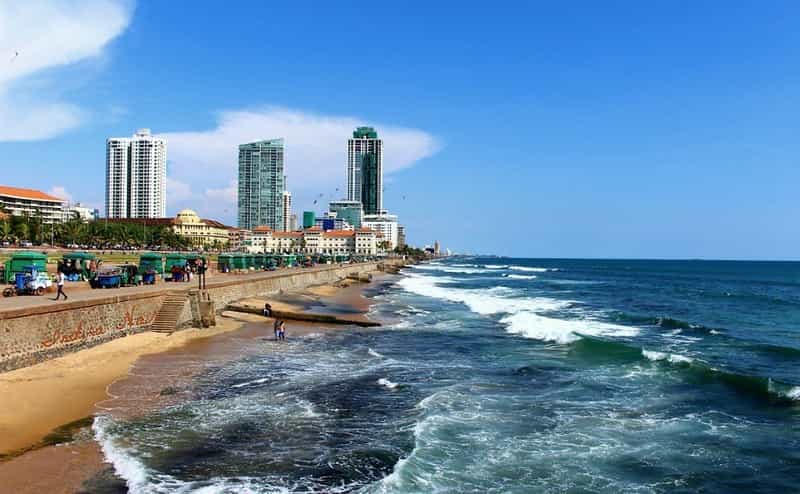
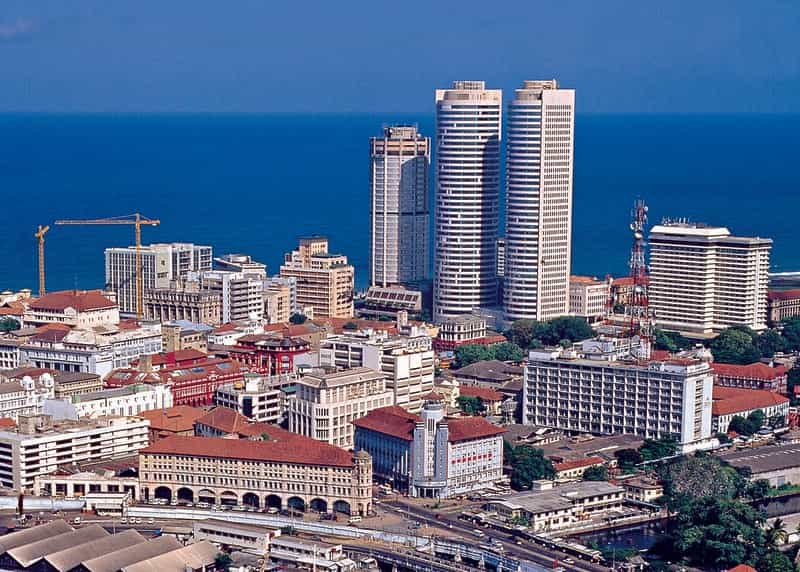
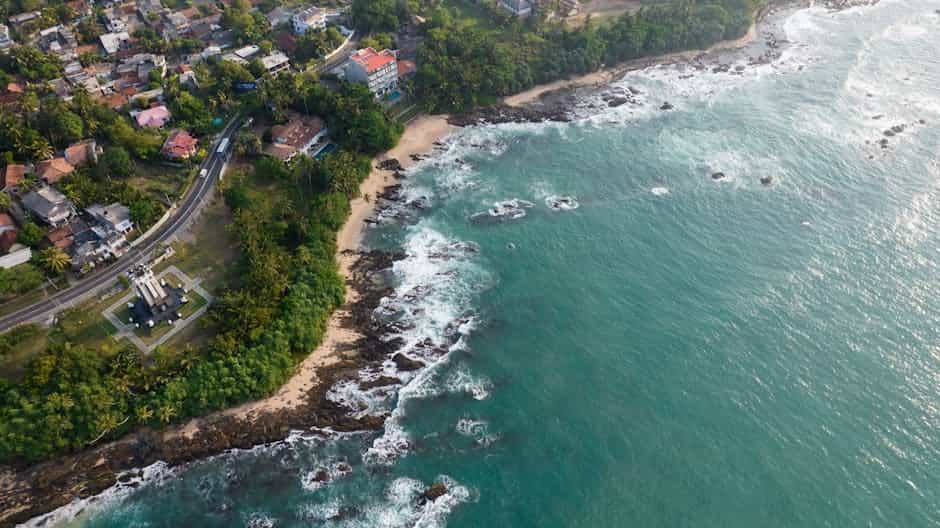
Sri Lanka offers accommodations across all budgets. In Colombo, stay near Galle Face or Cinnamon Gardens for convenience. For beaches, choose Galle Fort for heritage charm, Mirissa/Weligama for whales and surfing, or Unawatuna for nightlife. Hill country options include Kandy for culture, Ella for scenery, and Nuwara Eliya for tea estates. Wildlife enthusiasts should stay near Yala or Udawalawe national parks. Options range from luxury resorts (Shangri-La, Amangalla, Cape Weligama) to mid-range hotels (Jetwing properties, Cinnamon chain) and budget guesthouses. Tea estate bungalows and eco-lodges offer unique experiences. Book advance during peak season (December-March).
What are the must-visit attractions in Sri Lanka?
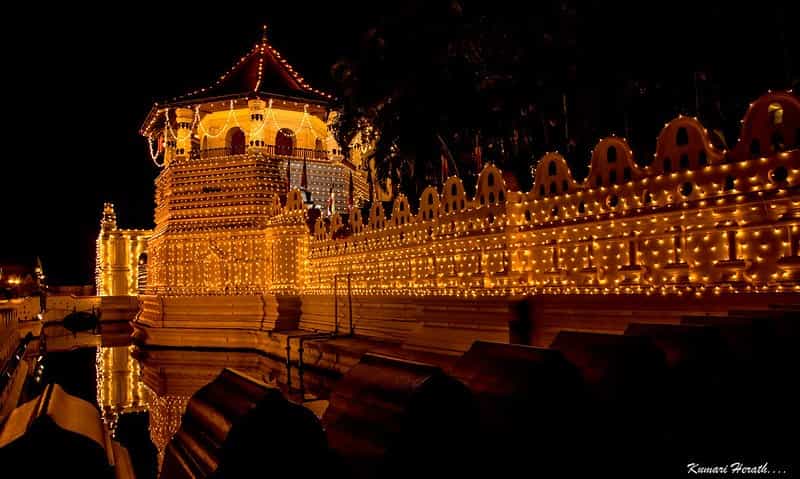
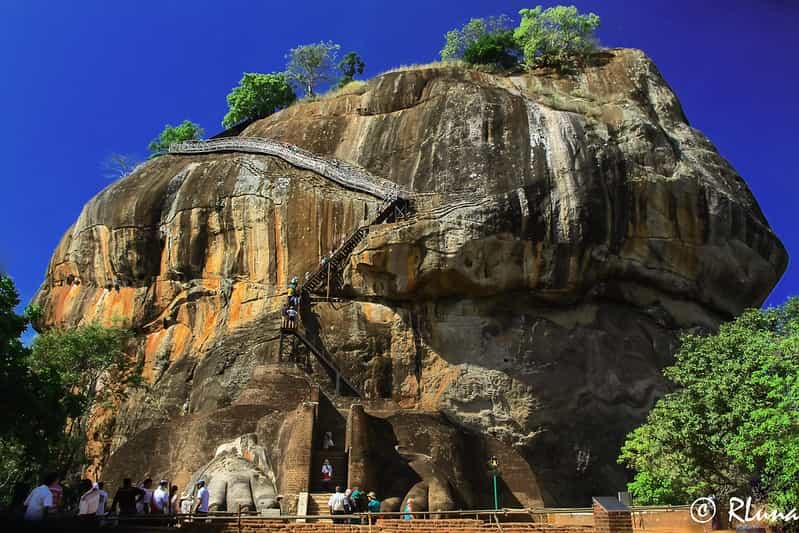
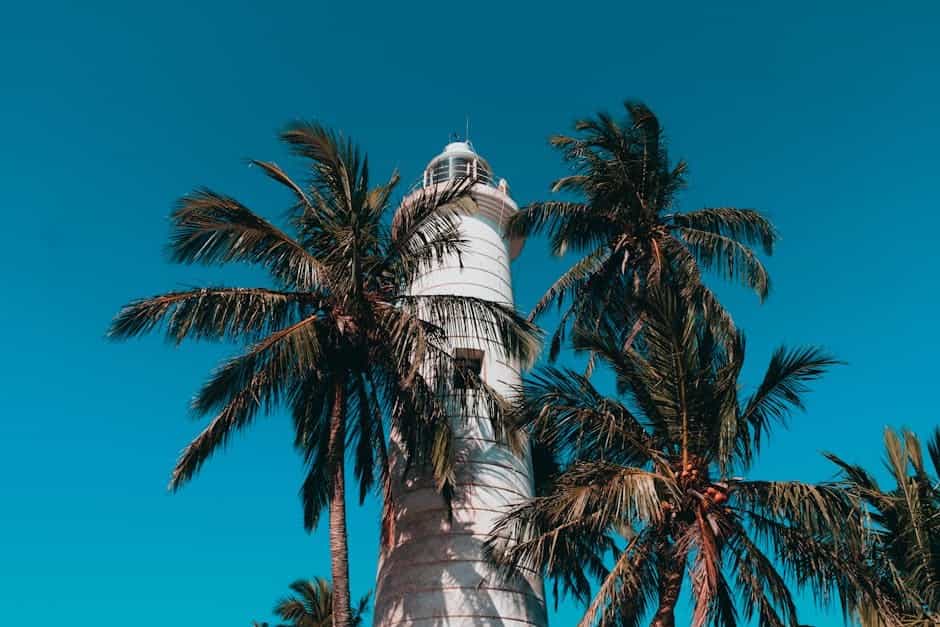
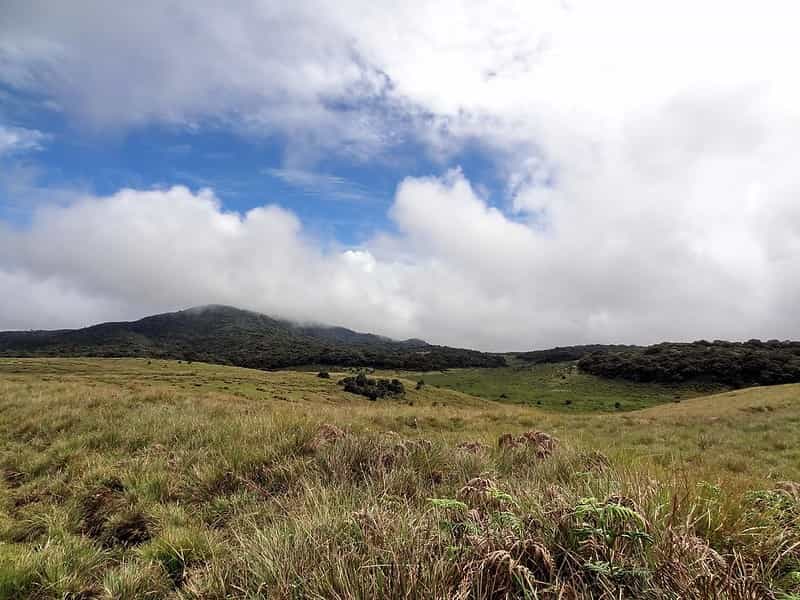
Top attractions include Sigiriya Rock Fortress with its 5th-century sky palace and frescoes, and the UNESCO-listed Galle Fort with Dutch colonial architecture. Experience the scenic Kandy-Ella train journey through tea plantations, visit Kandy's Temple of the Sacred Tooth Relic, and explore the ancient capitals of Anuradhapura and Polonnaruwa. For nature, safari in Yala National Park for leopards and elephants, whale-watch from Mirissa (December-April), and trek Horton Plains to World's End cliff. Don't miss Dambulla Cave Temple, the hill town of Ella with Nine Arch Bridge, Nuwara Eliya's tea estates, and cultural Jaffna in the north.
What local food and cuisine should I try in Sri Lanka?
Sri Lankan cuisine offers rich flavors familiar yet distinct from Indian food. Must-tries include rice and curry platters with multiple vegetable and meat curries, hoppers (bowl-shaped fermented pancakes) and egg hoppers, string hoppers (idiyappam) with pol sambol, and kottu roti (stir-fried chopped bread with curry). Sample Jaffna crab curry, ambul thiyal (sour fish curry), and lamprais (rice in banana leaf). For desserts, try buffalo curd with kithul treacle and watalappam. Don't miss Ceylon tea from garden to cup. Vegetarians will find excellent options including dal curries, vegetable dishes, and coconut-based preparations. Street food is generally safe at busy stalls.
What should I budget for a trip to Sri Lanka?
Budget varies by season and travel style. During peak season (December-March), expect ₹8,500-15,000+ per person per day for mid-range to luxury travel including accommodation, meals, local transport, and activities (excluding international flights and visa). Summer months (March-May) cost around ₹6,500-12,000 per person per day. During monsoon seasons, prices drop to ₹5,000-9,000 per person per day in affected regions. Budget travelers can manage on ₹3,000-5,000 daily using guesthouses, local transport, and street food. Luxury travelers should budget ₹15,000+ daily. Factor in costs for safaris (₹3,000-8,000), train tickets, and shopping for tea, spices, and gems.
Is Sri Lanka safe for Indian tourists?
Sri Lanka is generally safe for Indian tourists with standard precautions. The tourism infrastructure is well-developed, and locals are hospitable toward Indian visitors. Use common sense: avoid isolated areas at night, secure valuables, and use reputable transport. Be cautious with street food initially and drink bottled water. For temple visits, follow dress codes and photography rules. During monsoons, check weather conditions for coastal and mountain activities. Travel insurance is recommended. Political situations can occasionally affect travel - monitor current conditions. Women travelers should dress modestly, especially at religious sites. Emergency numbers: Police 119, Tourist Hotline 1912. Most tourist areas have good medical facilities and English-speaking staff.
What cultural etiquette should I follow in Sri Lanka?
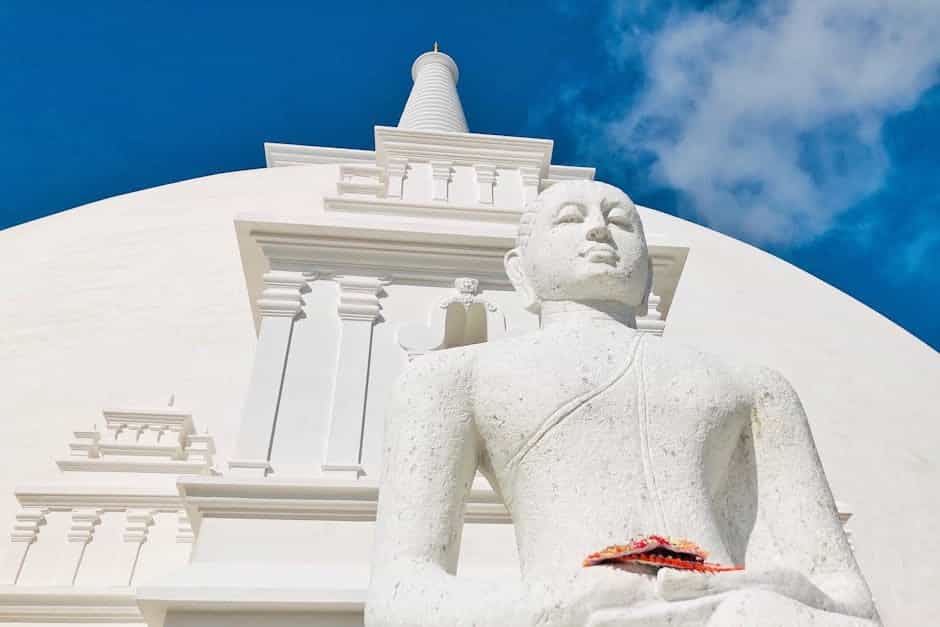
Respect Buddhist and Hindu customs by covering shoulders and knees at temples, removing shoes and hats before entering. Don't point feet toward Buddha statues or turn your back to them. Photography rules vary by temple - ask permission. Avoid public displays of affection and dress modestly, especially outside beach areas. Use your right hand for eating and giving/receiving items. Remove hats during national anthem. Be mindful on Poya (full moon) days when alcohol sales are restricted and some sites have special hours. Tipping 10% is appreciated at restaurants. Learn basic Sinhala greetings like 'Ayubowan' (may you live long). Respect local customs during festivals and religious observances.
How many days should I spend in Sri Lanka?
A minimum of 7-10 days allows you to experience highlights like Colombo, Sigiriya, Kandy, and either beaches or hill country. For a comprehensive trip covering cultural triangle, hill country, beaches, and wildlife, plan 12-15 days. A focused itinerary might be: 2 days Colombo, 2 days Cultural Triangle (Sigiriya/Dambulla), 3 days hill country (Kandy/Ella), 3-4 days beaches (Galle/Mirissa), and 1-2 days for safari. First-time visitors often prefer 10-12 days to avoid rushing. Weekend trips (3-4 days) work for specific regions like beaches or hill country. Extended stays of 3+ weeks allow exploration of off-beat destinations like Jaffna, eastern coast, and multiple national parks.
What should I pack for Sri Lanka?
Pack light, breathable cotton clothing for the tropical climate, but include warm layers for hill country where temperatures can drop to 6-12°C, especially December-February. Essential items: sunscreen (high SPF), hat, sunglasses, insect repellent, comfortable walking shoes, and flip-flops. For temples, bring modest clothing covering shoulders and knees. Rain gear during monsoon seasons, quick-dry clothes, and waterproof bags are crucial. Include swimwear for beaches, a light jacket for air-conditioned transport, and leech socks if trekking in wet forests. Don't forget universal power adapter (types D, G, M), personal medications, and a good camera for scenic train rides and wildlife.
What languages are spoken in Sri Lanka and how can I communicate?
Sinhala and Tamil are official languages, but English is widely spoken in tourist areas, hotels, restaurants, and by guides, making communication easy for Indian travelers. Many locals understand Hindi through Indian media exposure, though it's not official. In tourist zones, you'll find English signage and menus. Learning basic Sinhala phrases like 'Ayubowan' (hello), 'Sthuthi' (thank you), and 'Kiyada?' (how much?) is appreciated. Tamil is predominantly spoken in the north and east. Most younger Sri Lankans, especially in cities, are comfortable with English. Translation apps can help in remote areas, though the warm hospitality usually bridges any language gaps.
How do I get around locally in Sri Lankan cities?
In cities, tuk-tuks (auto-rickshaws) are the most common transport - use the PickMe app for transparent pricing or negotiate fares beforehand. Uber operates mainly in Colombo, while PickMe has wider coverage. Local buses are frequent and economical but can be crowded. For comfort, use metered taxis or hire cars with drivers. In Colombo, walking is pleasant in areas like Galle Face and Fort district. Many attractions are accessible by public transport, but private vehicles offer more flexibility. For short distances, tuk-tuks are perfect; for day trips, hire a car with driver who can also serve as a local guide.
What can I buy as souvenirs and where should I shop?
Top purchases include world-famous Ceylon tea (single-origin estate varieties), true Ceylon cinnamon, spices, and Ayurvedic products. Sri Lanka is renowned for gems (sapphires, moonstones) - buy only from certified, reputable dealers. Handloom textiles, batik fabrics, wood carvings, traditional masks from Ambalangoda, and ceramics make great souvenirs. Shop at government emporiums like Laksala for guaranteed quality, Pettah Market in Colombo for local experience, or design stores like Barefoot and Paradise Road for contemporary items. Galle Fort has charming boutiques, while Kandy Market Hall offers spices and crafts. Good Market (weekend) in Colombo features artisanal products. Always bargain at local markets.
How is the internet and mobile connectivity in Sri Lanka?
Sri Lanka has good mobile and internet connectivity, especially in tourist areas and cities. Purchase a local SIM card at Bandaranaike Airport from providers like Dialog, Mobitel, Hutch, or Airtel Lanka for affordable data and calls. Tourist SIM packages typically include generous data allowances. 4G coverage is widespread in urban areas and tourist destinations, though remote areas may have slower connections. Most hotels, restaurants, and cafes offer free WiFi. International roaming can be expensive, so local SIMs are recommended. Bring an unlocked phone and valid passport for SIM registration. Coverage is generally reliable along main tourist circuits including Colombo, Kandy, Galle, and hill country.
What is the currency and how should I handle money in Sri Lanka?
The currency is Sri Lankan Rupee (LKR). Indian Rupees are not legal tender, so exchange at banks, authorized dealers, or withdraw from ATMs using international debit/credit cards. ATMs are widely available in cities and tourist areas. Credit and debit cards are accepted at hotels, restaurants, and shops in tourist zones, but carry cash for small vendors, tuk-tuks, and rural areas. Some merchants now accept UPI QR payments - carry backup cards and cash. Avoid exchanging money with unauthorized dealers. US Dollars and Euros are easily exchangeable. Notify your bank about travel plans to avoid card blocks. Tipping 10% is customary at restaurants.
What are the unique experiences I shouldn't miss in Sri Lanka?
Don't miss the iconic Kandy to Ella train journey through misty tea plantations - one of the world's most scenic rail routes. Climb Sigiriya Rock Fortress at sunrise to avoid crowds and heat while exploring ancient frescoes. Experience whale watching from Mirissa (December-April) to spot blue and sperm whales. Take a tea estate tour in Nuwara Eliya or Ella, learning from plucking to processing. Safari at dawn in Yala National Park for leopard sightings. Walk Galle Fort ramparts at sunset with local gelato. If visiting December-May, consider the spiritual climb up Adam's Peak for sunrise. Snorkel at Pigeon Island off Trincomalee to see turtles and coral reefs.
How does Sri Lankan weather vary by region?
Sri Lanka has distinct regional weather patterns due to two monsoons. The west and south coasts (Colombo, Galle, Mirissa) plus hill country experience dry weather December-March, with southwest monsoon May-September. The east and north coasts (Trincomalee, Arugam Bay, Jaffna) are driest May-September, affected by northeast monsoon October-January. Hill country (Kandy, Ella, Nuwara Eliya) stays cool year-round, with chilly nights December-February (6-12°C). This means there's always a sunny coast somewhere on the island. Coastal areas average 26-32°C, while hills range 15-25°C. Two monsoons ensure you can find good weather regardless of travel dates by choosing the right region.
What health precautions should I take when visiting Sri Lanka?
Sri Lanka is generally healthy for travelers with basic precautions. Drink bottled or purified water and choose busy food stalls for street food. No special vaccinations are required from India, but ensure routine vaccines are current. Pack sunscreen (high SPF), insect repellent for mosquitoes, and basic medications including anti-diarrheal medicine. Dengue can occur, so use repellent and wear long sleeves during dawn/dusk. In malaria-risk areas (rare in tourist zones), take precautions. Travel insurance is recommended. Medical facilities are good in cities and tourist areas with English-speaking staff. For trekking, carry first aid supplies and leech socks in wet forests. Stay hydrated in the tropical heat.
Are there any cultural festivals I should plan my trip around?
Sri Lanka's vibrant festivals offer incredible cultural experiences. The spectacular Esala Perahera in Kandy (July/August) features elephants, dancers, and drummers in a grand Buddhist procession - book accommodation well in advance. Vesak (May full moon) illuminates cities with lanterns and decorative displays celebrating Buddha's birth, enlightenment, and death. Sinhala and Tamil New Year (April 13-14) brings traditional games and festivities. Thai Pongal (January) celebrates the Tamil harvest with colorful kolam patterns. The Nallur Kandaswamy Temple Festival in Jaffna (August-September) showcases Tamil culture. Duruthu Perahera in Colombo (January) and various Poya day celebrations occur monthly. Plan ahead as accommodation fills quickly during major festivals.
What should I know about transportation between cities in Sri Lanka?
Inter-city transport offers several options. Trains provide scenic journeys on routes like Colombo-Kandy-Ella, Colombo-Galle, and Colombo-Jaffna - reserve seats early, especially for the popular hill country route. Express and intercity buses with AC connect major cities affordably and frequently. For flexibility and comfort, hire a car with driver - most popular for multi-city tours as drivers know routes, attractions, and can serve as guides. The Southern Expressway (E01) connects Colombo to Galle quickly. Domestic flights are limited but available for longer distances. Many travelers combine transport modes: trains for scenic routes, private cars for convenience, and buses for budget travel. Journey times vary: Colombo-Kandy (3 hours), Colombo-Galle (2 hours).