Places to visit in Sri Lanka
Planning a trip to Sri Lanka? Here is a complete guide to the best places to visit—from popular tourist attractions to offbeat spots you would not find in every guidebook. Get ready to explore, experience, and fall in love with Sri Lanka!
Top 114 curated places to visit in Sri Lanka
Colombo
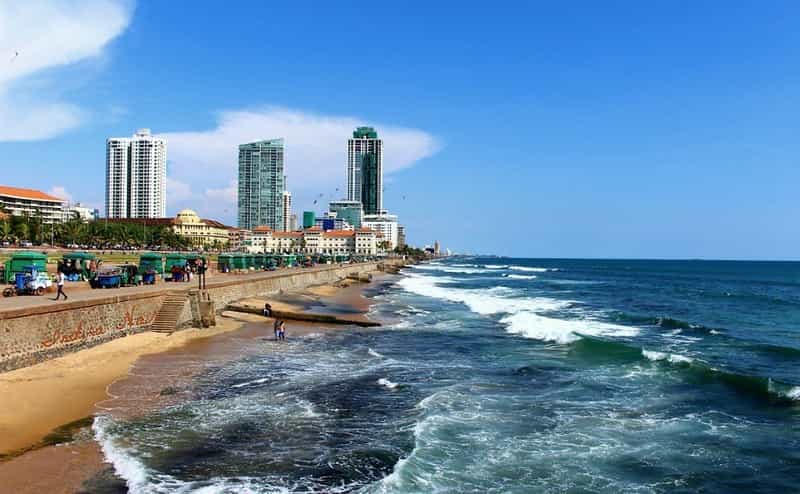
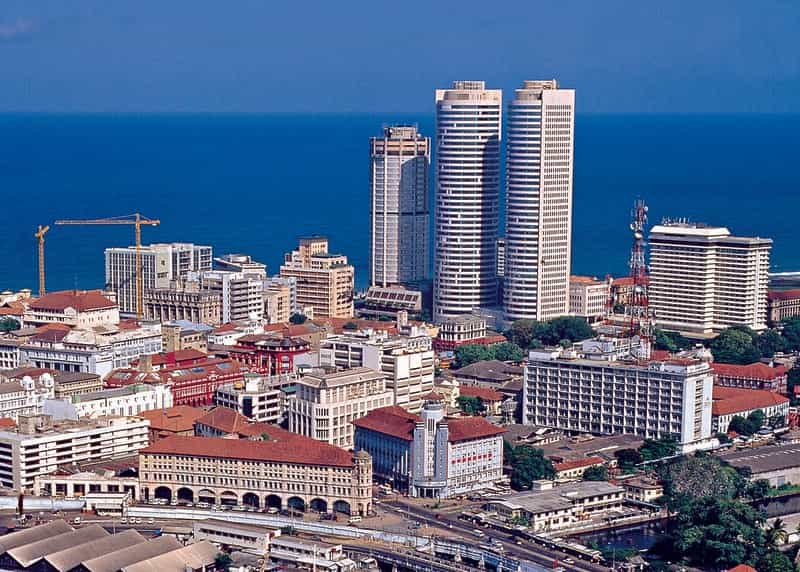
Colombo is Sri Lanka’s largest city and commercial capital, serving as the island’s primary port and economic hub. It reflects a layered history of Portuguese, Dutch and British colonial rule visible in its architecture and urban layout, while remaining a focal point for modern Sri Lankan commerce, diplomacy and culture. Colombo also sits on the island’s western coast with coastal and urban natural features like Galle Face Green and Beira Lake offering recreational green space and birdlife within a dense urban fabric.
Kandy
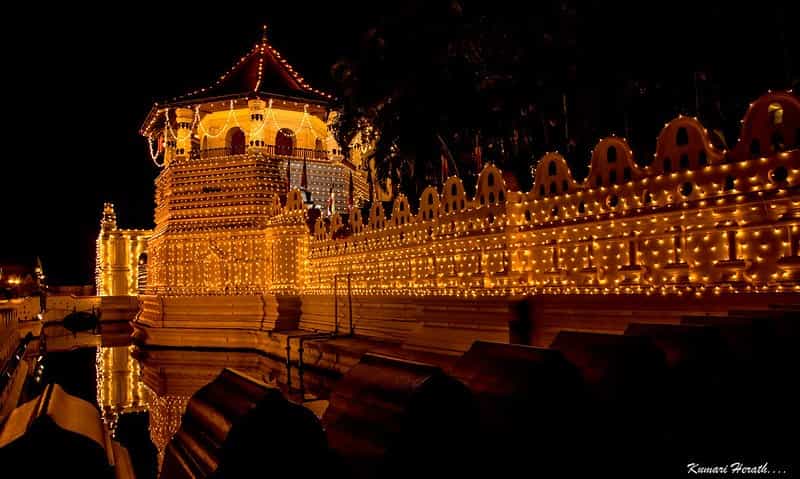
Kandy is the last royal capital of Sri Lanka and a major cultural and religious center. It is home to the Temple of the Sacred Tooth Relic (Sri Dalada Maligawa) — one of the most venerated Buddhist sites in the world — and the historic city core is a UNESCO World Heritage Site. Nestled in the central hills, Kandy also serves as a gateway to Sri Lanka's hill country and tea-growing regions, offering notable natural beauty, biodiversity and temperate highland landscapes.
Galle
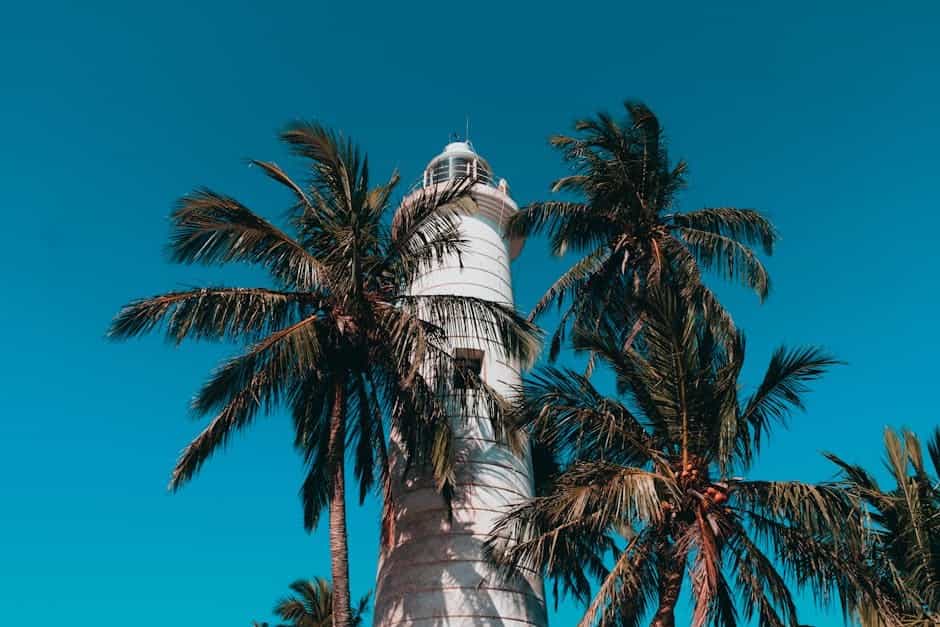
Galle is a historic port city on Sri Lanka's southern coast, best known for the UNESCO World Heritage–listed Galle Fort. Built initially by the Portuguese in the 16th century and expanded by the Dutch in the 17th century, the fort and surrounding town preserve exceptional examples of colonial architecture and urban planning. The area has long been important for maritime trade and cultural exchange between South Asia and the Indian Ocean world. The surrounding coastline supports important marine life, coral reefs, and popular beaches.
Nuwara Eliya
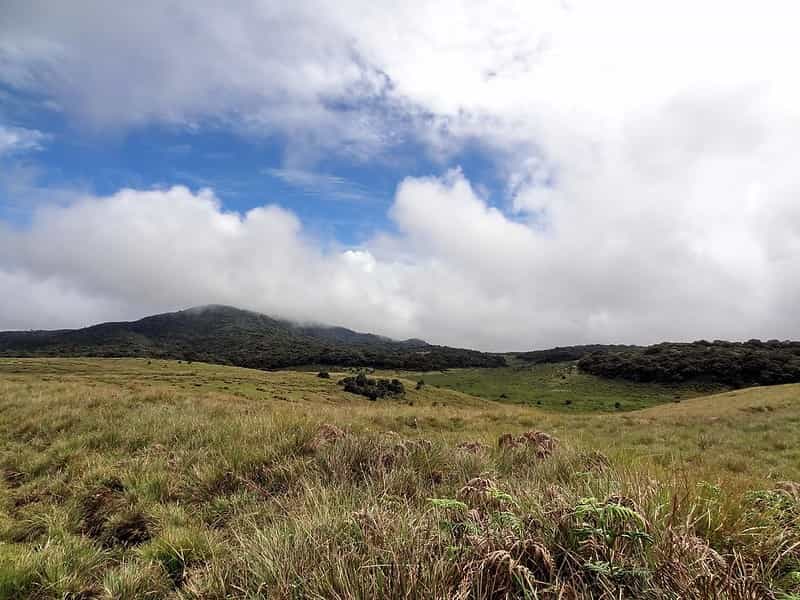
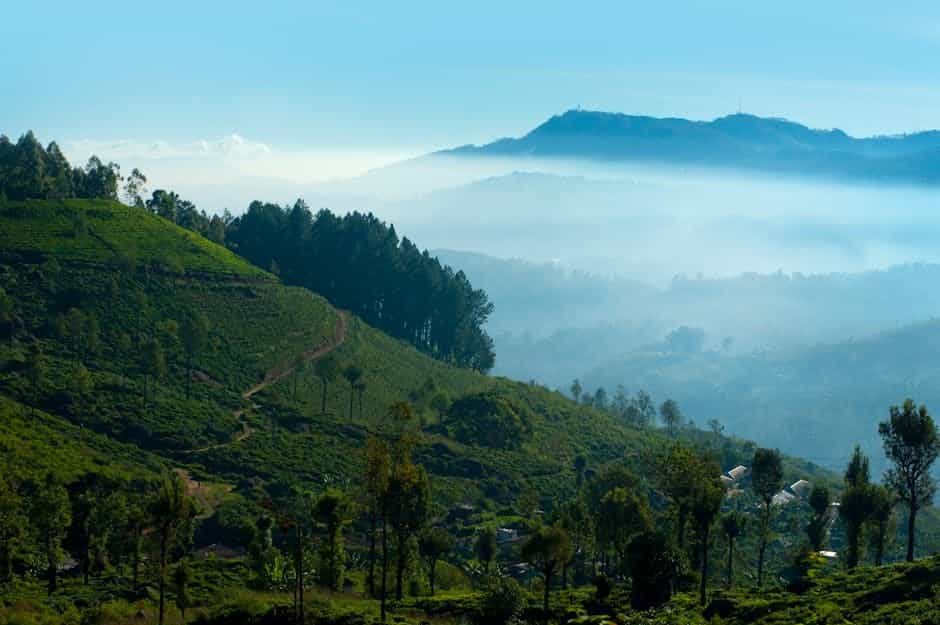
Nuwara Eliya, often called the 'Queen of the Hills', is a colonial-era hill station in Sri Lanka's central highlands. It's historically important as the center of British colonial administration and tea plantation development in the 19th century (notably associated with tea pioneer James Taylor). Naturally, it sits at high altitude and is surrounded by rolling tea estates, montane forests and unique highland biodiversity, making it significant for both cultural heritage and natural landscapes.
Jaffna
Jaffna is the cultural and economic heart of Sri Lanka's Northern Province and a center of Tamil heritage, language and religion. Historically the capital of the medieval Jaffna Kingdom, it retains strong Hindu traditions, colonial-era buildings (Portuguese, Dutch, British), and a distinctive local identity shaped by centuries of trade, fishing and agriculture. The peninsula and nearby islands feature important natural environments — lagoons, coastal wetlands and coral-studded islands — that support migratory birds and marine life.
Trincomalee
Trincomalee (Trinco) on Sri Lanka's northeast coast is renowned for its natural deep-water harbor, one of the finest in the world, and for its long history as a strategic port. The city blends significant Hindu religious heritage (notably the ancient Koneswaram Temple), colonial-era fortifications (Portuguese, Dutch and British periods), and important marine and coastal ecosystems (coral reefs, Pigeon Island, seasonal whales and dolphins). Trincomalee has been a center for maritime trade, colonial contestation, and regional Tamil cultural life for centuries.
Anuradhapura
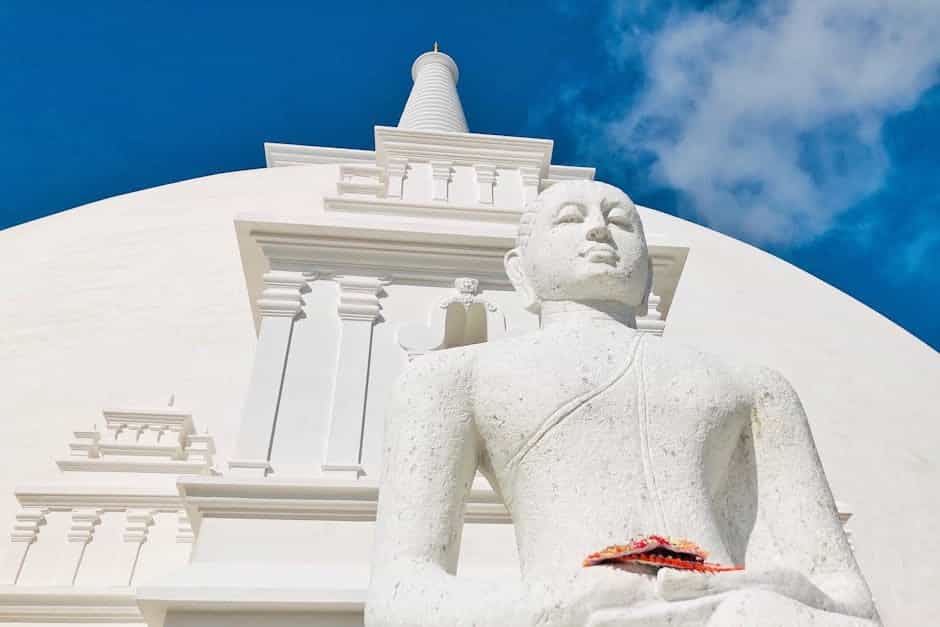
UNESCO World Heritage Site and one of the oldest continuously inhabited cities in South Asia, Anuradhapura was the capital of Sri Lanka from the 4th century BCE to the 11th century CE. It is the spiritual heart of Theravada Buddhism in Sri Lanka, containing ancient stupas, monasteries and irrigation works that showcase early feats of hydraulic engineering and urban planning.
Polonnaruwa
Polonnaruwa is a UNESCO World Heritage site and the well-preserved medieval capital of Sri Lanka (11th–13th centuries). It is significant for its outstanding archaeological monuments, sophisticated urban planning and extensive ancient irrigation works (notably the Parakrama Samudra). The site illustrates the island's medieval Sinhala civilization, Buddhist monastic culture, and advanced hydraulic engineering.
Negombo
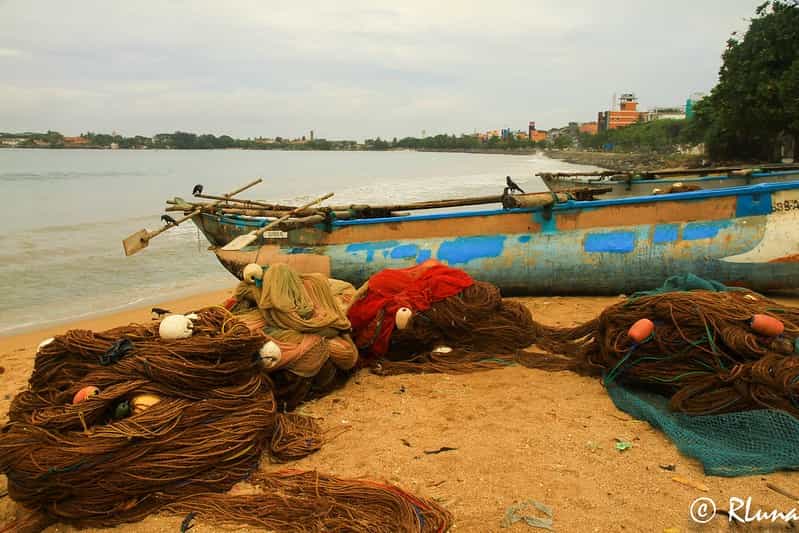
Negombo is a coastal city on Sri Lanka's west coast with a mixed colonial heritage (Portuguese, Dutch, British) visible in its churches, canals and fort area. It is an important fishing hub and lagoon system (Negombo Lagoon) supporting local livelihoods and biodiversity. The city acts as a gateway to Sri Lanka for visitors arriving via Bandaranaike International Airport (nearby) and provides an accessible introduction to Sri Lankan culture, Christian and Catholic religious practices, and coastal ecosystems.
Matara
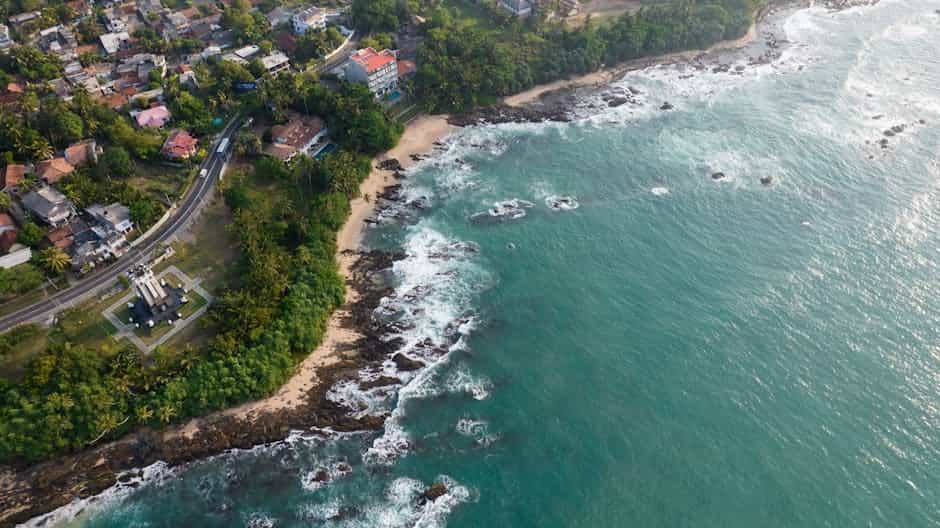
Matara, on Sri Lanka's southern coast, is an important regional hub blending colonial history, Buddhist culture and coastal ecology. The town developed around the strategic Matara Fort and the Nilwala River estuary and has long been a centre for fishing, coconut cultivation and trade. Its proximity to Dondra Head (the island's southernmost point) and reef-protected beaches makes it notable for both natural beauty and maritime history.
Ella
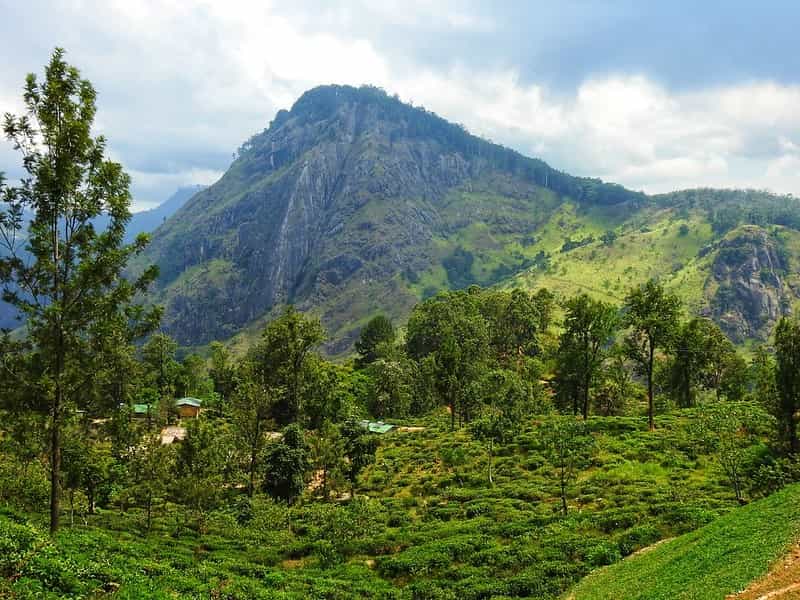
Ella is a small town in the Badulla District of Sri Lanka's Uva Province, renowned for its spectacular mountain scenery, tea plantations, and biodiversity. It sits within the central highlands, a UNESCO World Heritage landscape, and serves as a gateway to nearby peaks, waterfalls, and forest reserves. Historically, the area developed around tea plantation expansion during British colonial rule and retains strong tea-culture connections.
Mirissa
Mirissa is a small coastal town on the south coast of Sri Lanka known primarily for its natural importance — especially as one of the best places in the world for seasonal blue whale and sperm whale sightings. It has grown from a sleepy fishing village into a popular tourist destination while still retaining elements of local fishing culture and laid-back beach life. The area also has importance for biodiversity (nearby coral reefs and marine life) and as part of the southern coastal economy.
Hikkaduwa
Hikkaduwa is a small coastal town on Sri Lanka's southwest coast known primarily for its marine and beach environment. It is an important local fishing village that evolved into a major surf and snorkeling destination. The area is valued for its coral reefs, rich marine biodiversity, and as a gateway to the island's coastal culture and seafood cuisine. Hikkaduwa also played a role in regional coastal trade and was impacted by the 2004 Indian Ocean tsunami, after which much of the local economy and conservation efforts were rebuilt and strengthened.
Unawatuna
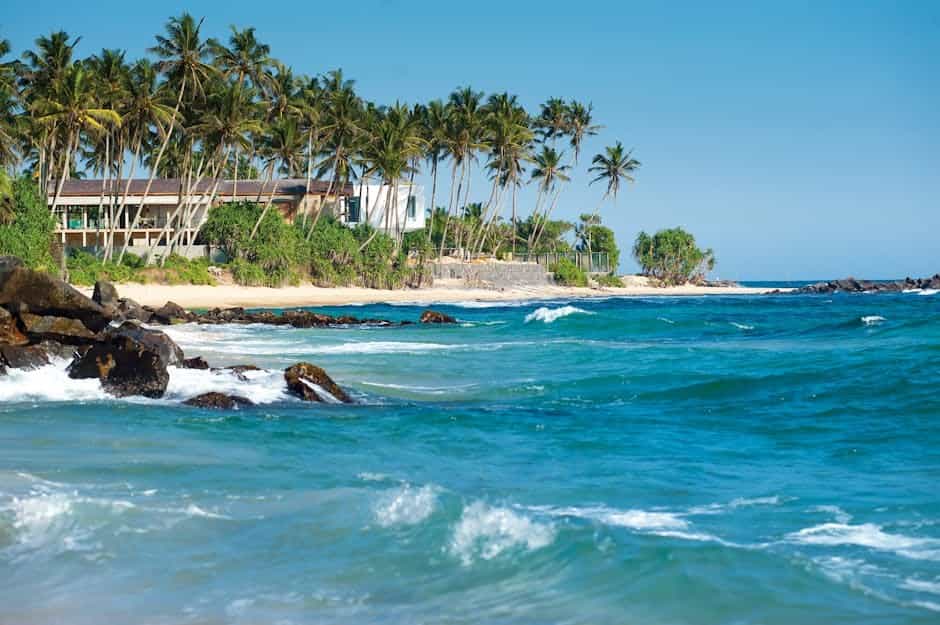
Unawatuna is a coastal town on Sri Lanka's south coast, near the fortified city of Galle. Historically a fishing village, it sits along ancient maritime trade routes and reflects a blend of local Sinhalese culture and colonial-era influences visible in nearby Galle Fort. Naturally, Unawatuna is renowned for its sheltered bay, golden sand beaches and a fringing coral reef that supports vibrant marine life, making it a key site for snorkeling and diving. The town rebuilt and recovered after the 2004 Indian Ocean tsunami, which shaped recent community and conservation efforts.
Bentota
Bentota is a coastal town on Sri Lanka's southwest coast renowned for its mix of natural beauty and cultural ties. The Bentota River (Bentota Ganga) and surrounding mangroves create an important estuarine ecosystem supporting diverse birdlife, marine life and sea turtles. The area developed during colonial periods (Portuguese, Dutch, British) as part of the coastal trading network, and today is a major centre for beach tourism, Ayurvedic wellness and water sports. Bentota's natural assets and conservation projects make it important for both eco-tourism and heritage tourism.
Habarana
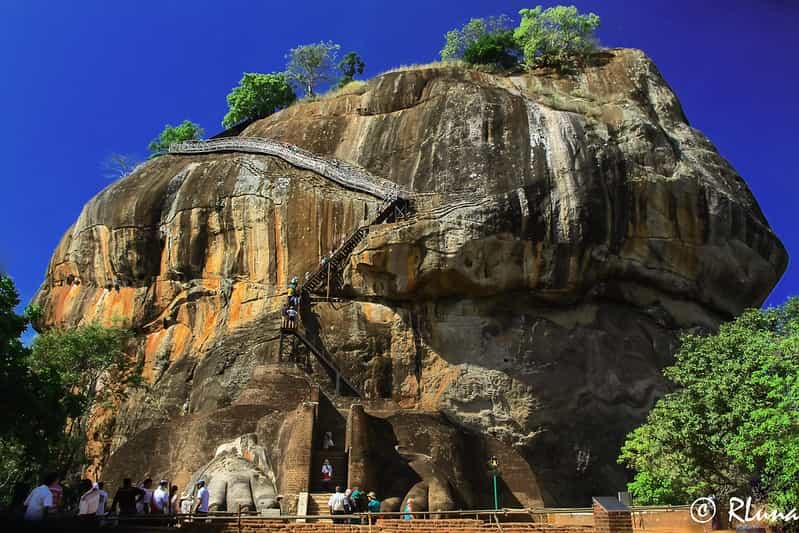
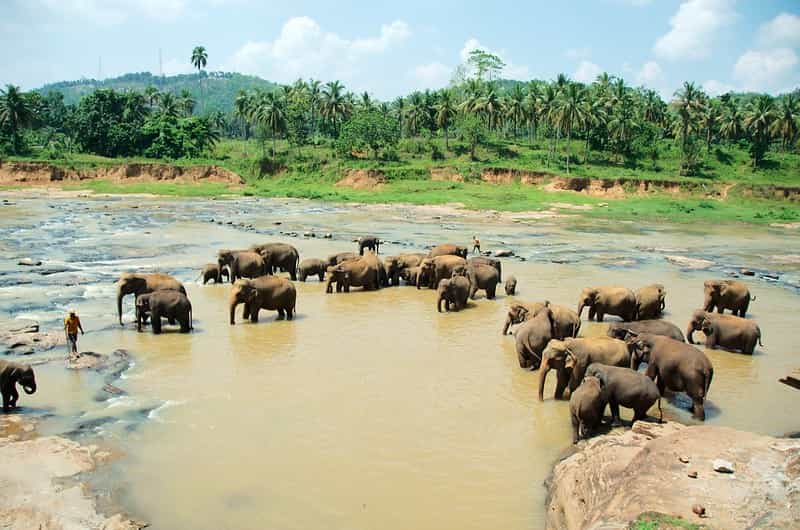
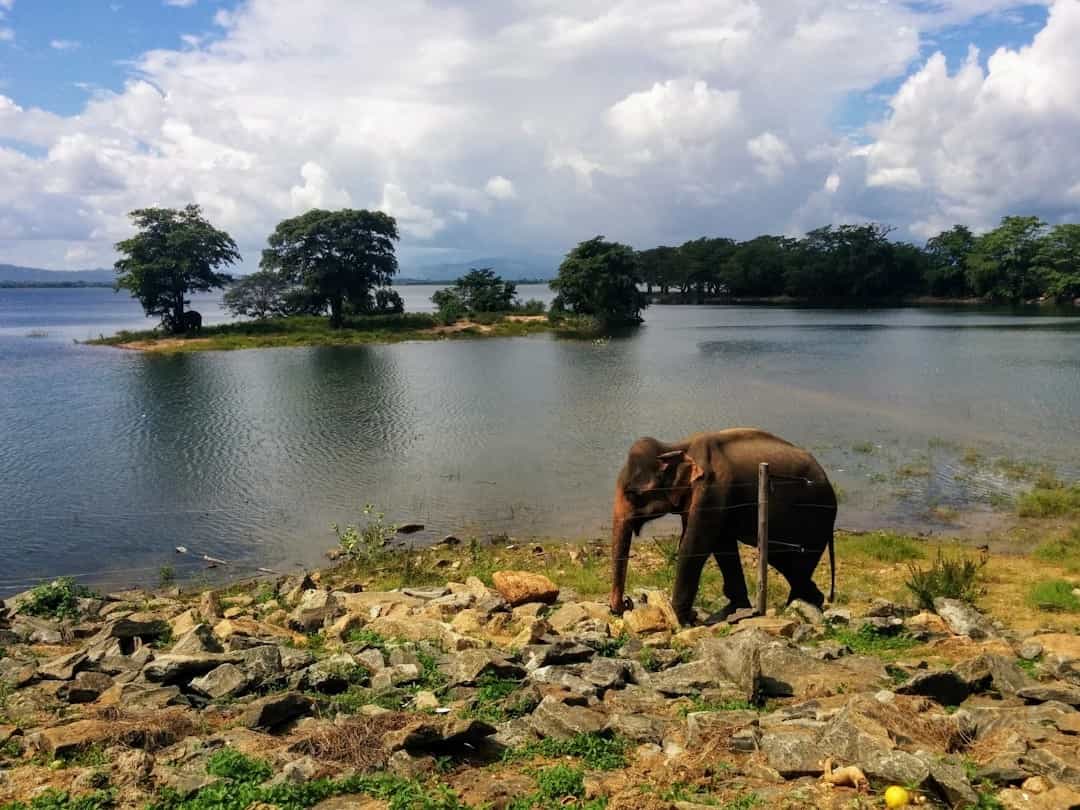
Habarana is a small town in Sri Lanka's Cultural Triangle (North Central Province) that serves as a practical base for visiting major ancient sites such as Sigiriya, Polonnaruwa and Dambulla. It sits amid centuries-old irrigation tanks and dry-zone landscapes created during the Anuradhapura and Polonnaruwa periods, and provides gateway access to nearby protected areas (notably Minneriya and Kaudulla) important for elephant and dry‑zone wildlife conservation.
Tissamaharama
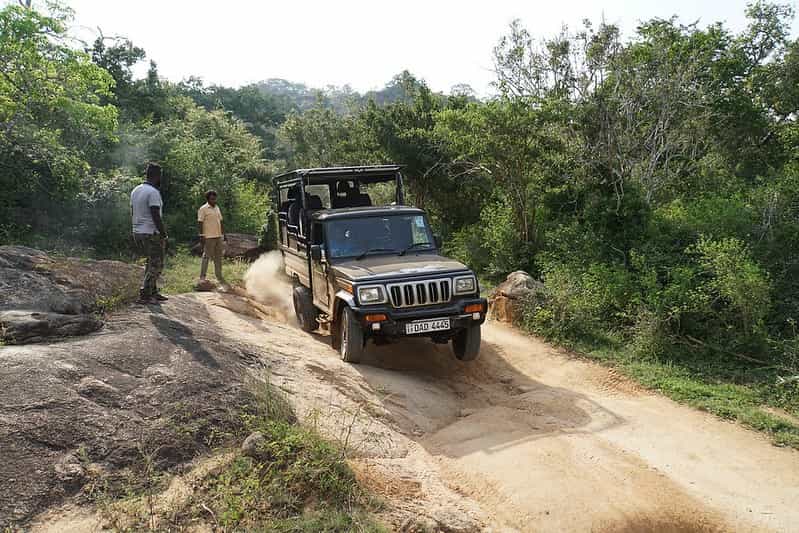
Tissamaharama (often called Tissa) is an important historical and ecological hub in southern Sri Lanka. It was part of the ancient Ruhuna kingdom and is known for its archaeological remains, Buddhist heritage (notably the Tissamaharama Raja Maha Vihara complex), and large man-made reservoirs (tanks) such as Tissa Wewa that date to pre-modern irrigation systems. The town also serves as a gateway to major wildlife and wetland areas, including Yala and Bundala National Parks, making it significant for biodiversity, especially birds and elephants.
Embilipitiya
Embilipitiya is a regional commercial and agricultural town in Sri Lanka's Sabaragamuwa area that serves as a gateway to several southern natural attractions. It plays an important role in local farming, rural development, and as a service hub for surrounding villages. The area also connects travellers to nearby wildlife reserves and rainforest areas, contributing to eco‑tourism in the region.
Kataragama
Kataragama is one of Sri Lanka's most important multi‑religious pilgrimage sites, revered by Buddhists, Hindus, Muslims and the indigenous Vedda people. The site combines Buddhist stupas and a Hindu deity shrine (Kataragama/Karthikeya/Skanda/Murugan), making it a key example of religious syncretism on the island. The surrounding dry-zone landscape, rivers and proximity to wildlife reserves (Yala, Kumana) give it natural as well as cultural significance.
Kalpitiya
Natural importance: Kalpitiya is a coastal town on Sri Lanka's northwest coast known for its rich marine biodiversity, including the productive Kalpitiya Lagoon, extensive mangrove systems and the nearby Bar Reef Marine Sanctuary — Sri Lanka's largest coral reef. The area supports dolphin and whale populations, important fisheries and migratory bird habitats in the Puttalam lagoon system.
Cultural & historical importance: The region has long been a crossroads of maritime trade with a mix of Sinhalese, Tamil and Muslim communities. Traces of colonial-era influence (Portuguese and Dutch) are present in local architecture and coastal fortifications. Fishing and coastal livelihoods shape local traditions and cuisine.