Places to visit in Sri Lanka
Planning a trip to Sri Lanka? Here is a complete guide to the best places to visit—from popular tourist attractions to offbeat spots you would not find in every guidebook. Get ready to explore, experience, and fall in love with Sri Lanka!
Top 114 curated places to visit in Sri Lanka
Kalpitiya Beach
Kalpitiya Peninsula (Puttalam District) is important primarily for its rich marine and coastal ecosystems — including the Bar Reef Marine Sanctuary, mangrove estuaries and a productive lagoon system — making it a hotspot for biodiversity and sustainable marine tourism. The area also has a multicultural coastal community with historical links to Sri Lanka's colonial trading era, which shaped local culture and settlement patterns.
Thalpe Beach
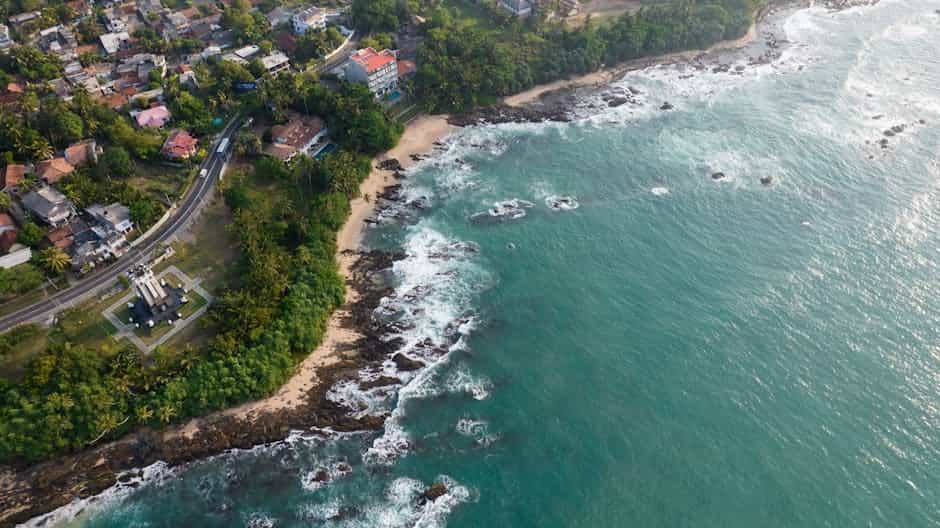
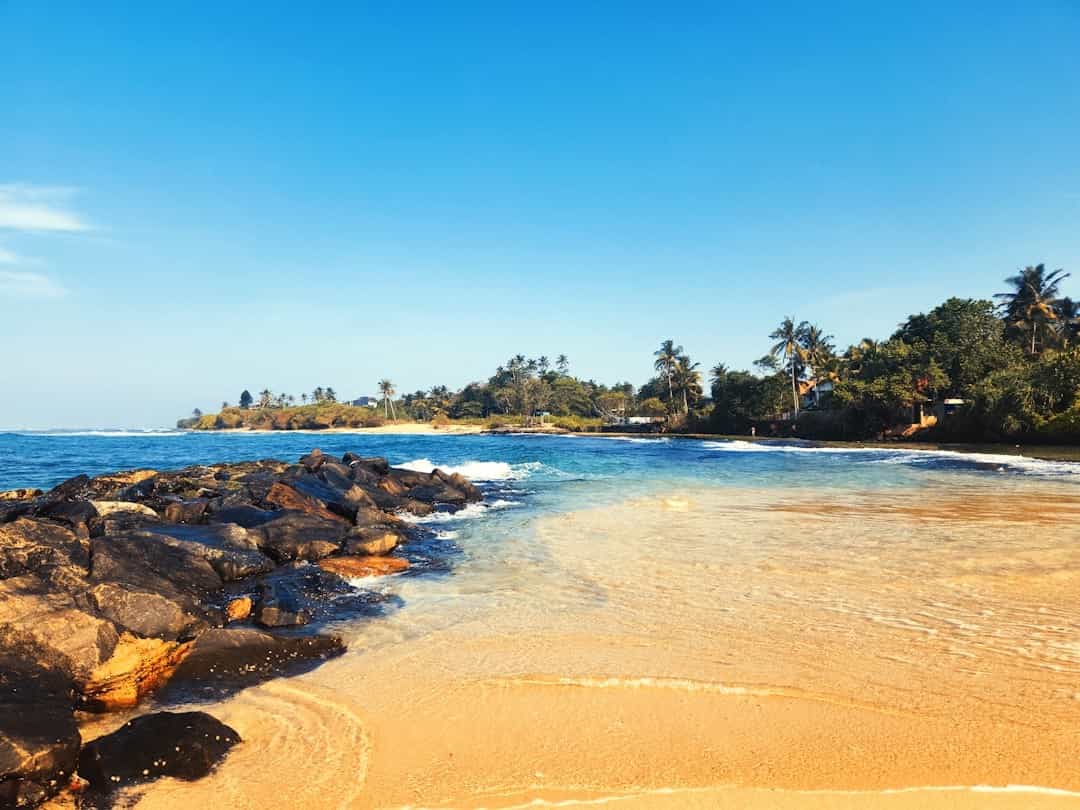
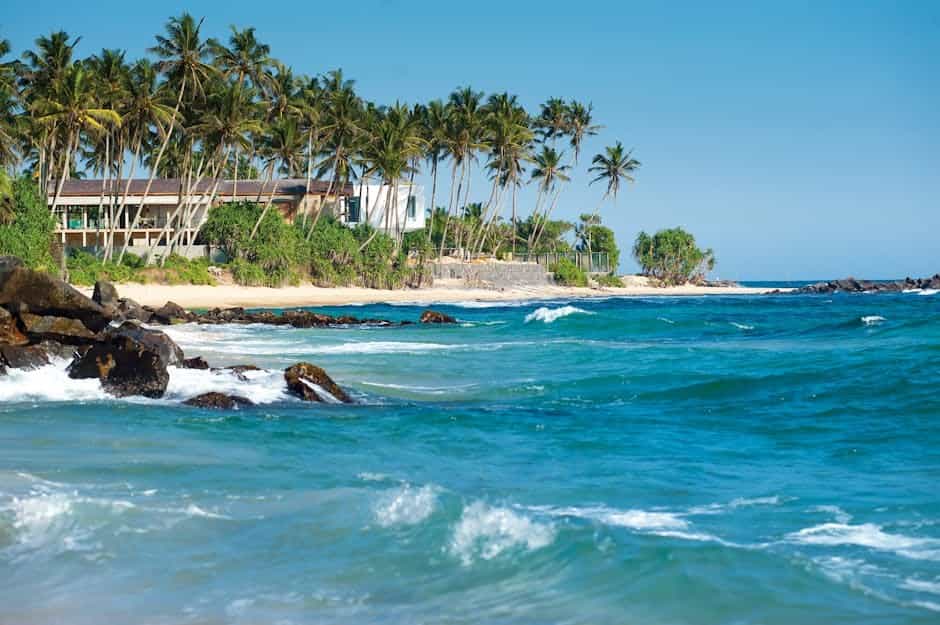
Thalpe Beach is a quiet, palm-fringed coastal stretch on Sri Lanka's southern coast in the Galle District, valued mainly for its natural beauty and relaxed seaside atmosphere. It serves as a peaceful alternative to the busier nearby Unawatuna and is part of a coastline with rich maritime history tied to nearby Galle Fort and colonial-era trade routes.
Rekawa Beach
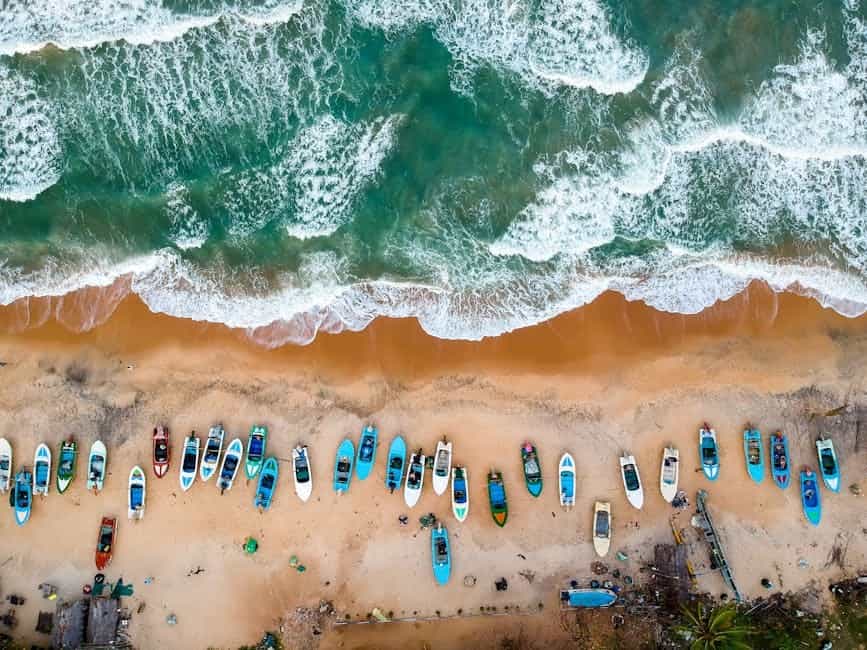
Rekawa Beach is a small, quiet coastal stretch in the Southern Province of Sri Lanka, renowned primarily as one of the country's important sea turtle nesting sites. It is significant for its role in marine conservation—particularly for olive ridley and occasionally green sea turtles—and for supporting a local community of artisanal fishers. The area draws attention from researchers, volunteers, and eco-tourists interested in wildlife protection and sustainable tourism.
Negombo Beach
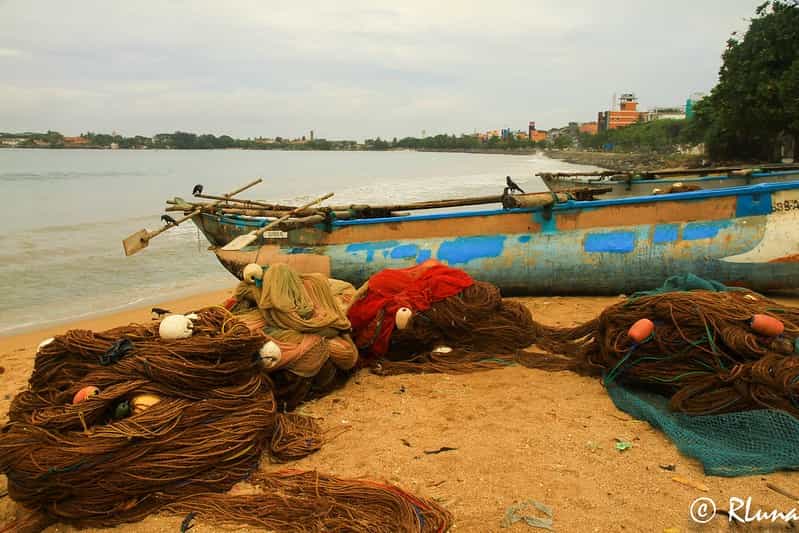
Negombo Beach sits beside one of Sri Lanka's oldest fishing towns and a rich lagoon ecosystem. The area's importance spans colonial-era trade (Portuguese and Dutch influences visible in churches and canal works), a strong Catholic cultural heritage, and significant coastal and lagoon biodiversity that support local livelihoods.
Mannar Island
Mannar Island (Mannar) is a historically and ecologically significant island off Sri Lanka's northwest coast. Historically it was an important stop on ancient Indian Ocean trade routes and famed for its pearl fisheries; it has visible colonial-era remains (Portuguese/Dutch/British) such as Mannar Fort and the old jetty at Talaimannar. Culturally the island hosts Tamil and Christian communities with mixed Hindu and Catholic heritage. Naturally, Mannar is part of a unique coastal ecosystem — shallow seas, sandbanks and lagoons that support rich birdlife (migratory and resident), mangroves and coral/rim habitats. The island and nearby Vankalai wetlands are important for conservation and migratory birds.
Delft Island (Neduntheevu)
Delft Island (Neduntheevu) is a small but historically rich island in the Palk Strait, administered by Sri Lanka's Northern Province. It is important for its colonial-era relics (Portuguese and Dutch), traditional Tamil fishing communities, and unique natural features—especially the population of feral horses, extensive coral outcrops and sand dunes. The island's cultural landscape reflects centuries of maritime trade, colonial occupation and local Tamil traditions.
Adam’s Bridge (Rama’s Bridge)
Adam's Bridge (Rama's Bridge) is a chain of natural limestone shoals and sandbanks stretching between Pamban Island (Rameswaram, India) and Mannar Island (Sri Lanka). It holds major cultural importance in Hindu tradition as the legendary Rama Setu — the bridge built by Lord Rama's army in the Ramayana to reach Lanka. The formation is also of scientific and geomorphological interest: visible from satellites and aerial views, it influences local currents, marine habitats and fisheries in the shallow Palk Strait/Gulf of Mannar region. Environmentally, the shoals support coastal and marine life, including seagrass beds, fish nursery areas and migratory bird routes.
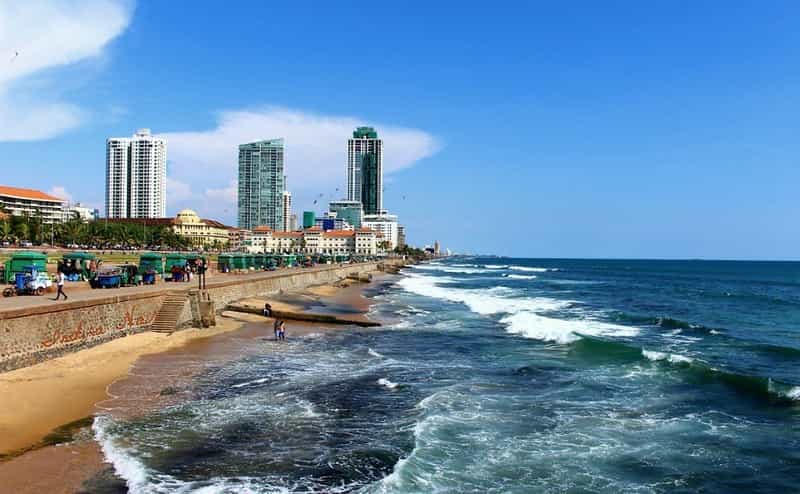
Galle Lighthouse
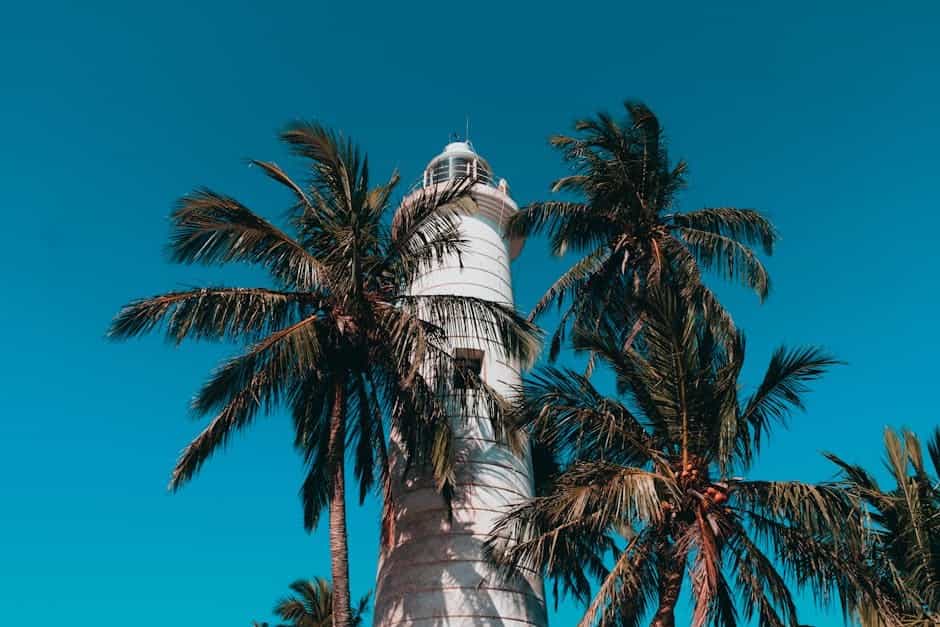
Galle Lighthouse stands at the seaward edge of the UNESCO-listed Galle Fort, one of Sri Lanka’s most important colonial-era ports. The lighthouse served as a key navigational aid for ships entering the busy southern coast and is part of the layered Dutch, Portuguese and British colonial heritage that shaped Galle’s architecture and maritime history.
Old Dutch Hospital, Galle
Old Dutch Hospital, Galle is one of the oldest and most recognizable colonial-era buildings inside the UNESCO-listed Galle Fort. Built by the Dutch in the 17th–18th century to serve as a military hospital for the garrison, it later passed into British hands and was adapted for other uses during the 19th and 20th centuries. The building represents the layered colonial history of Sri Lanka's southern coast and is an excellent example of Dutch colonial architecture and adaptive reuse in a living fort city.
Matale Spice Garden
Matale Spice Garden (Matale district, Central Province, Sri Lanka) is an important living showcase of Sri Lanka's spice heritage. The gardens illustrate centuries-old cultivation and processing techniques for globally prized spices — cinnamon, cardamom, pepper, clove, nutmeg, vanilla and more — and connect visitors with the island's role in the historic spice trade. The site also contributes to local agro-tourism and education about tropical agroforestry and traditional medicine.
Meemure Village
Meemure is one of Sri Lanka's most remote and traditional villages, located in the Knuckles Mountain Range. It preserves ancient hill-country farming practices and a Sinhala-speaking, rural lifestyle largely unchanged for generations. The village and surrounding landscape are important for biodiversity and traditional ecological knowledge; residents practice shifting cultivation, grow mountain rice, spices and vegetables, and maintain close ties to ancestral land. The Knuckles Range nearby is a UNESCO-recognized biodiversity hotspot with endemic flora and fauna, and Meemure serves as an access point for treks into this unique environment.
Anawilundawa Wetland Sanctuary
Anawilundawa Wetland Sanctuary is a nationally and internationally important wetland complex in northwest Sri Lanka, designated as a Ramsar site. It supports a mosaic of coastal and inland wetland habitats—lagoons, marshes, mangroves and rice paddies—that provide critical breeding, feeding and roosting grounds for resident and migratory waterbirds. The sanctuary also contributes to local fisheries, flood regulation and biodiversity conservation in the Puttalam coastal region.
Maduru Oya National Park
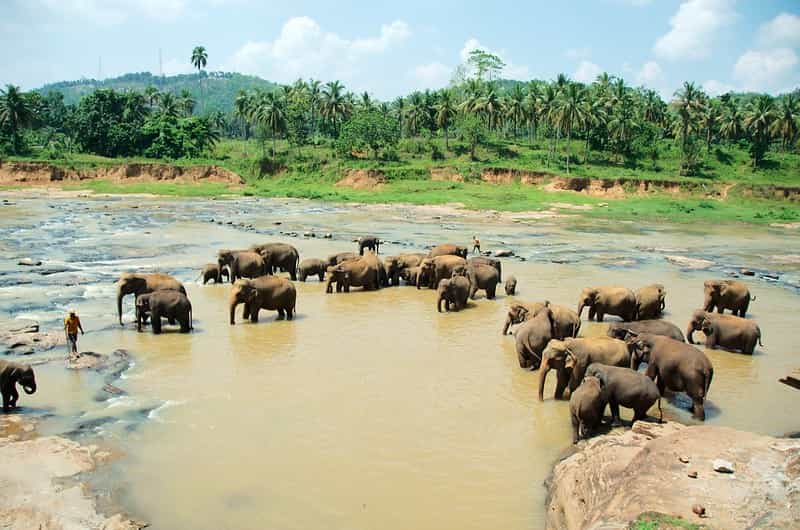
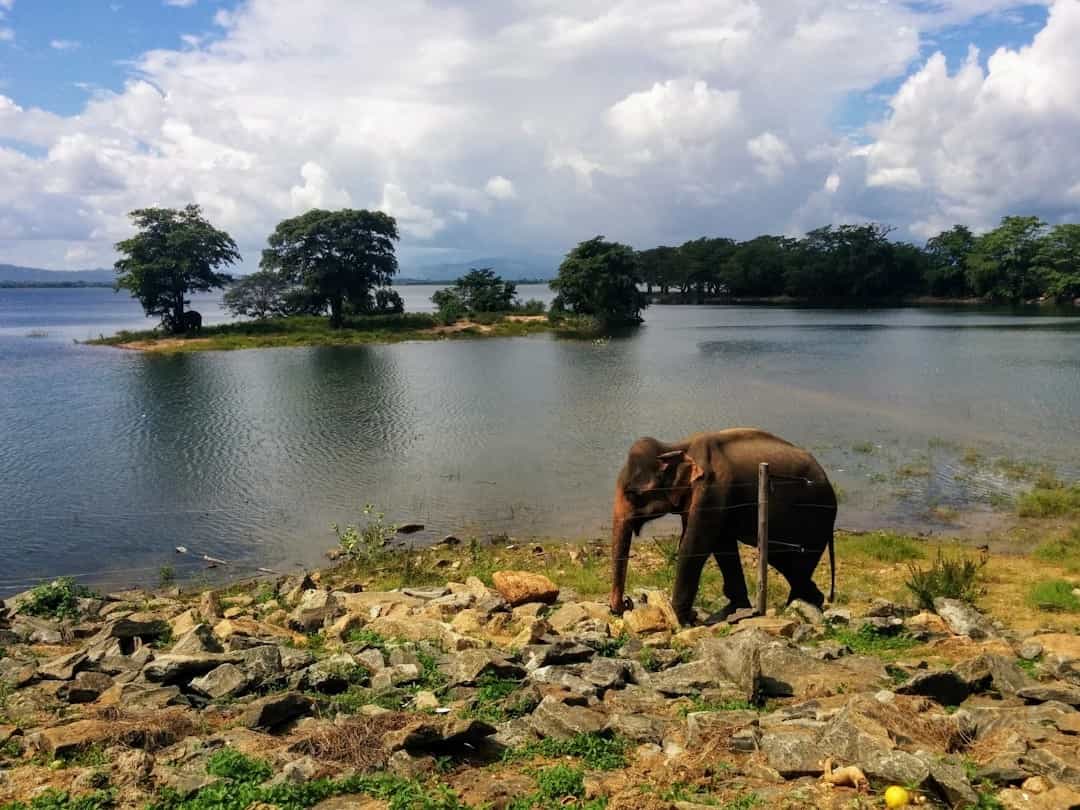
Maduru Oya National Park protects a large area of dry-zone forest and the watershed of the Maduru Oya reservoir in eastern Sri Lanka. It is valued for:
- Conservation of threatened dry-zone wildlife (notably Sri Lankan elephant populations and other large mammals).
- Preservation of important wetland and riverine habitats associated with the reservoir, which support diverse birdlife and aquatic species.
- Contribution to landscape-level connectivity as an elephant corridor between protected areas in the central and eastern dry zones.
- Protection of water resources and the reservoir that supports local agriculture and communities.
Laxapana Falls
Laxapana Falls is one of Sri Lanka's taller and most scenic waterfalls (approximately 126 m / 413 ft). It is fed by the Maskeliya Oya, a tributary of the Kelani River, and lies in the central highlands — an area of rich biodiversity and tea-country landscapes. The falls are also closely associated with Sri Lanka's hydroelectric development: the nearby Laxapana hydroelectric complex (Upper and Lower Laxapana) is an important part of the national grid.