Places to visit in Sri Lanka
Planning a trip to Sri Lanka? Here is a complete guide to the best places to visit—from popular tourist attractions to offbeat spots you would not find in every guidebook. Get ready to explore, experience, and fall in love with Sri Lanka!
Top 114 curated places to visit in Sri Lanka
St. Clair’s Falls
St. Clair's Falls is one of Sri Lanka's most famous waterfalls, located in the central highlands near Talawakele in the Nuwara Eliya/Hatton region. It is a prominent natural landmark in the country's tea country and attracts visitors for its scenic beauty and its role in the landscape of Sri Lanka's colonial-era tea plantations. Often nicknamed the "Little Niagara of Sri Lanka," the falls contribute to local ecology, tourism and the picturesque identity of the hill country.
Devon Falls
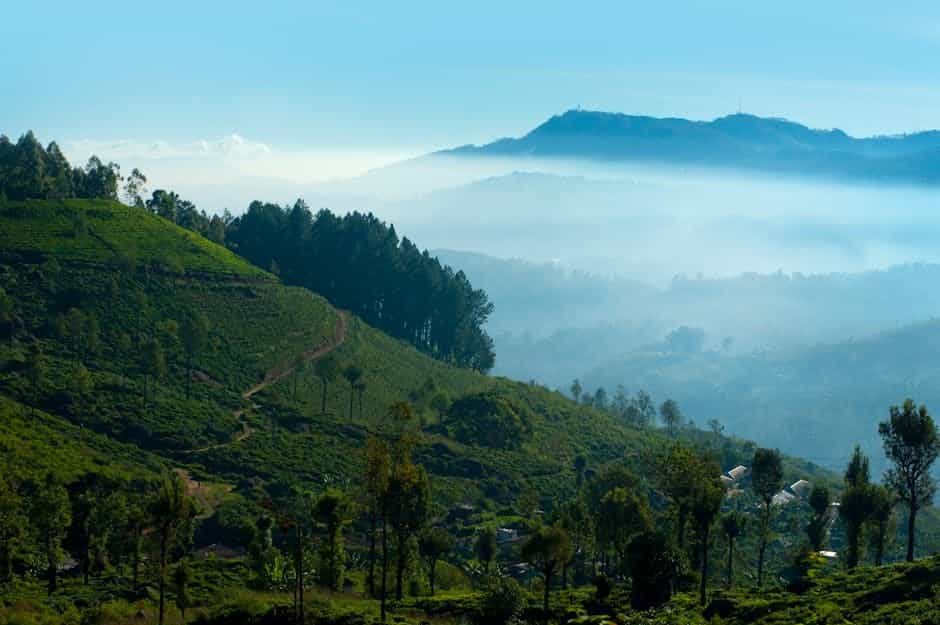
Devon Falls is one of the scenic waterfalls in Sri Lanka's central highlands, located in the Nuwara Eliya District. It contributes to the area's reputation as the country's "hill country" — a major tea-growing region developed during the British colonial period. The falls are often photographed along with surrounding tea estates and are part of the visual landscape that attracts visitors to Sri Lanka's upcountry.
Diyaluma Falls
Natural importance: Diyaluma Falls is the second-highest waterfall in Sri Lanka, plunging approximately 220 m (720 ft) in a series of cascades. It is an outstanding example of hill-country cascade formations and contributes to the biodiversity and scenic value of the Uva Province, attracting nature lovers and hikers.
Cultural context: The falls sit within rural communities of Badulla District and are part of the broader cultural landscape of the Uva region, where tea estates, small villages and Buddhist temples shape local life.
Bambarakanda Falls
Bambarakanda Falls is the tallest waterfall in Sri Lanka with a drop of approximately 263 metres (863 ft). It is a prominent natural landmark in the island's central highlands and an important feature of the local highland ecosystem, contributing to the region's scenic landscape and biodiversity. The falls are formed by the Kuda Oya, a tributary in the Walawe river catchment, and lie amid montane forests, tea estates and pine plantations.
Ravana Falls
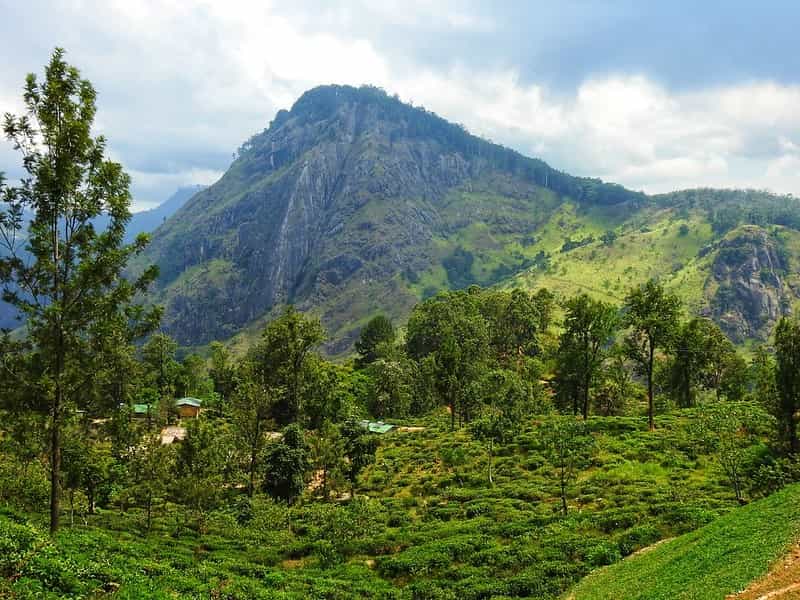
Ravana Falls (Ravana Ella) is one of Sri Lanka's most famous and visually striking waterfalls, situated in the Uva Province near the town of Ella. It is an important natural landmark in the scenic hill country — popular with both local visitors and international tourists — and a key stop on the Ella–Wellawaya route. The falls contribute to the area's biodiversity and scenic landscape, and are part of the broader tea-country ecosystem that draws nature and trekking enthusiasts.
Baker’s Falls
Baker's Falls is a scenic cascade located in Horton Plains National Park, Sri Lanka. At about 20 metres high, the falls are formed by the waters of the Belihul Oya and lie within a high-elevation montane cloud-forest ecosystem that is important for endemic plants and wildlife. The site is valued for its natural beauty, biodiversity (including endemic bird and plant species), and as part of the protected Horton Plains landscape which helps conserve the island's montane habitats.
World’s End
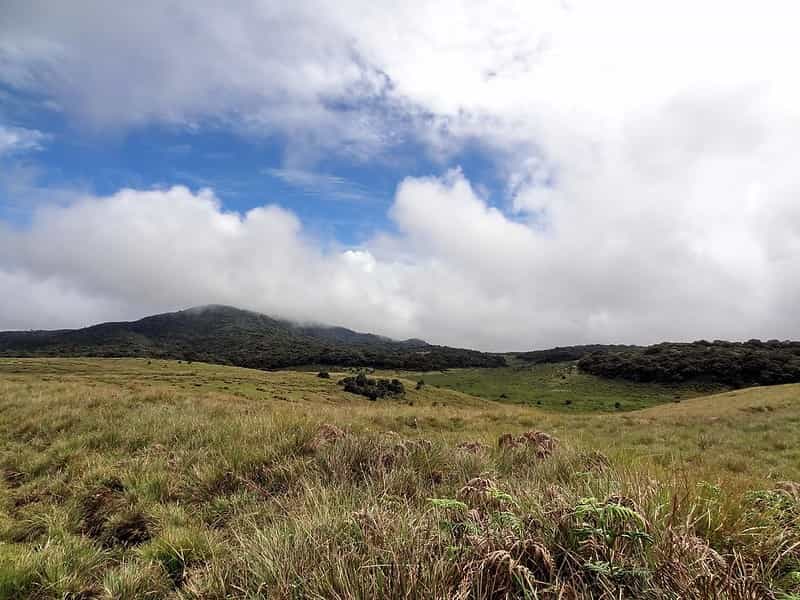
World’s End is one of Sri Lanka’s most iconic natural viewpoints, located within Horton Plains National Park in the central highlands. The site is notable for its dramatic escarpment and high‑altitude montane ecosystem (montane grasslands, cloud forest and peat bogs), which support a number of endemic and native species. The Horton Plains area is also important for watershed protection, feeding several rivers that supply the lowlands.
Hummanaya Blow Hole
Hummanaya Blow Hole is the second largest blowhole in the world and Sri Lanka's only blowhole that is easily accessible to visitors. Formed by sea caves and a narrow tunnel in the rocky coastline, seawater is forced upward with pressure through the opening, creating dramatic spouts that can reach 25–30 meters high. It is a notable natural coastal phenomenon and a popular local landmark, illustrating the island’s powerful ocean dynamics and geological formations.
Mulgirigala Rock Temple
Mulgirigala Rock Temple (Mulgirigala Raja Maha Vihara) is an ancient Buddhist monastery complex carved into a tall granite outcrop in Sri Lanka's Southern Province. The site represents centuries of continuous Buddhist worship, archaeological remains, rock-cut architecture and painted murals that reflect the island's medieval and historic religious art and monastic traditions. It is an important cultural heritage site for Sri Lankan Buddhists and a notable example of cave-temple architecture outside the main cultural triangle.
Mirissa Beach
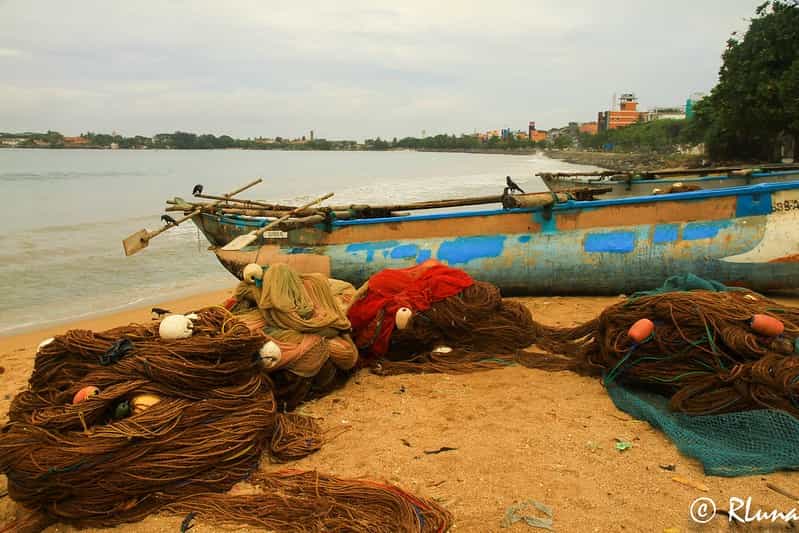
Mirissa Beach is a small crescent-shaped bay on the south coast of Sri Lanka, valued primarily for its natural coastal beauty and marine biodiversity. It has grown from a quiet fishing village into a popular beach destination while still retaining elements of local coastal life. The surrounding area is part of the rich marine ecosystem of the Indian Ocean and serves as an important seasonal feeding ground for several large whale species.
Unawatuna Beach
Unawatuna is a globally recognized coastal bay on Sri Lanka’s southwest coast known for its picturesque crescent-shaped golden beach, a nearshore coral reef that shelters calm swimming waters, and rich coastal biodiversity including reef fish and sea turtles. The bay and nearby Rumassala hill hold cultural and historical ties to the larger Galle area (a UNESCO-listed fort city) and have long been a local fishing and trading hub. The area also experienced major impacts and a strong community-led recovery after the 2004 Indian Ocean tsunami, which shaped modern conservation and tourism approaches.
Hikkaduwa Beach
Hikkaduwa Beach is one of Sri Lanka’s most famous coastal destinations, known for its vibrant coral reefs, surfing spots, and beachside nightlife. It emerged as a popular tourist hotspot in the late 20th century and played a role in the island’s coastal tourism development. The area’s natural importance lies in its coral conservation sites and marine biodiversity, including sea turtles and reef fish. Hikkaduwa is also culturally significant as part of the Southern Province’s fishing communities and coastal traditions.
Bentota Beach
Bentota Beach is one of Sri Lanka's most celebrated southwest-coast beaches, valued for its blend of coastal and estuarine ecosystems, including sandy shores, a mangrove-lined river mouth, and nearby wetlands. The area supports rich marine life and is important for turtle nesting and coastal fisheries. Culturally, Bentota is part of Sri Lanka’s coastal belt with fishing communities and colonial-era influences visible in nearby estates and gardens.
Arugam Bay
Arugam Bay is one of Sri Lanka's premier surf destinations and a small coastal fishing community on the southeast coast (Pottuvil area). It combines rich natural assets — a crescent sandy bay, lagoons, mangroves and easy access to wildlife parks (Kumana and Yala) — with a multicultural local population (Tamil and Muslim communities) and a growing tourism culture focused on surf, nature and relaxed beach life.
Nilaveli Beach
Nilaveli Beach is a pristine stretch on Sri Lanka's northeast coast near Trincomalee, valued for its white sand, clear shallow waters and nearby coral reefs (notably Pigeon Island National Park). The area combines natural marine biodiversity (important reef and turtle habitat) with cultural and historical connections to Trincomalee — an ancient port with notable sites such as Koneswaram Temple and Fort Frederick. Nilaveli supports local fishing communities and low-key tourism, making it important for both conservation and livelihoods.
Uppuveli Beach
Uppuveli Beach (near Trincomalee on Sri Lanka’s northeast coast) is an important coastal stretch known for its long sandy shorelines, clear turquoise waters and proximity to significant cultural sites. The beach forms part of the Trincomalee bay area — historically a strategic natural harbour — and is popular for marine biodiversity (coral reefs and reef fish) and as a gateway to Pigeon Island National Park. Uppuveli also illustrates coastal recovery and resilience, having rebuilt its local economy and infrastructure after the 2004 tsunami. Its blend of natural beauty and easy access to temples and colonial-era sites makes it both a leisure and culturally relevant destination.
Passikudah Beach
Passikudah Beach is a notable east-coast bay in Sri Lanka celebrated primarily for its natural coastal features: an unusually long, shallow reef-protected shoreline that creates calm, waist-deep waters stretching for hundreds of meters. While it is not a major ancient archaeological site, the area reflects the island's coastal Tamil and Muslim fishing communities and the region's recovery after the 2004 Indian Ocean tsunami, when local and national efforts rebuilt tourism infrastructure. The beach plays an important role in local livelihoods (fishing and tourism) and conservation of nearshore coral gardens.
Tangalle Beach
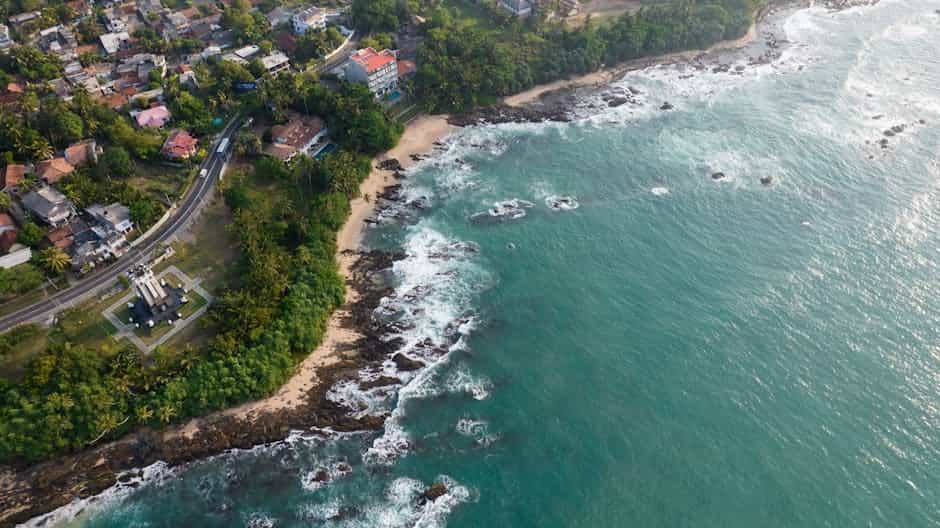
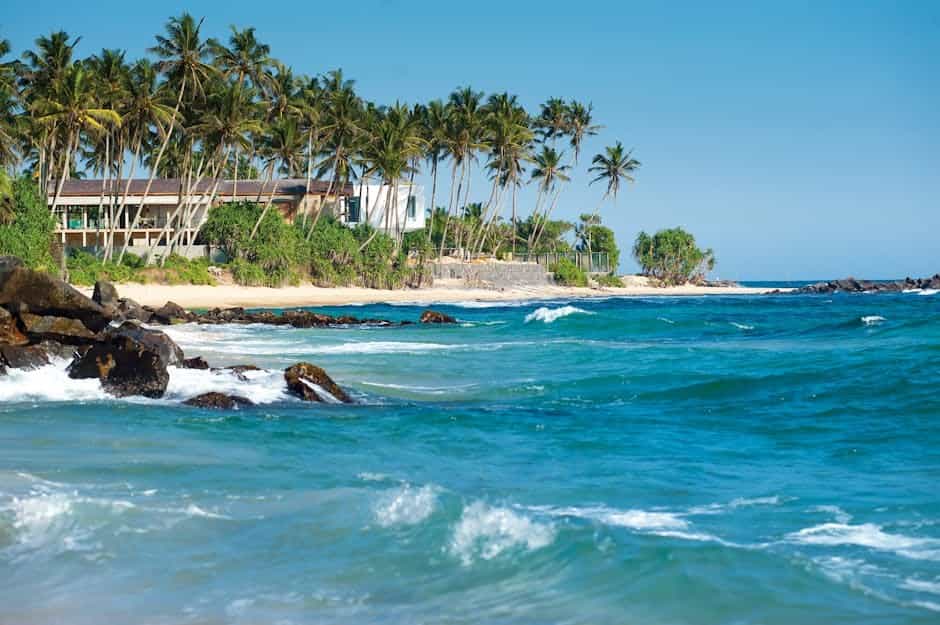
Tangalle Beach is a long, palm-fringed stretch on Sri Lanka's southern coast known primarily for its natural beauty and quiet, low-key atmosphere. The area is important for coastal ecosystems, including sandy nesting beaches used by sea turtles (notably at nearby Rekawa). Tangalle and its surroundings also support small-scale fishing communities and traditional coastal livelihoods, offering insight into rural Sri Lankan life.
Hiriketiya Beach
Hiriketiya Beach is a small, naturally sheltered horseshoe-shaped bay on Sri Lanka's southern coast known for its scenic beauty, surf-friendly beach break, and traditional fishing community. While not a major historical site, it represents the island's coastal culture — a mix of local fishing life and growing surf-tourism — and contributes to the region's marine and coastal biodiversity.
Polhena Beach
Polhena Beach is a palm-fringed beach on Sri Lanka's south coast (near Matara) known primarily for its protected coral reef and rich marine life. The reef forms a calm lagoon that makes the site important for family-friendly swimming, beginner snorkeling, and regular sightings of sea turtles. The area supports local fishing communities and plays a role in regional eco-tourism and marine conservation efforts.