Places to visit in Sri Lanka
Planning a trip to Sri Lanka? Here is a complete guide to the best places to visit—from popular tourist attractions to offbeat spots you would not find in every guidebook. Get ready to explore, experience, and fall in love with Sri Lanka!
Top 114 curated places to visit in Sri Lanka
Pottuvil
Pottuvil is a coastal town in Sri Lanka's Eastern Province (Ampara District) known for its combination of coastal ecosystems, wildlife, and local multicultural communities. It serves as a gateway to world-class surf breaks at nearby Arugam Bay, and to protected natural areas such as Kumana (Yala East) National Park. The area has historical links to ancient maritime routes and contains archaeological and religious sites (coastal shrines and small temples/monasteries) that reflect the island's layered Buddhist, Tamil and Muslim cultural heritage. Environmentally, Pottuvil and its adjacent lagoons and beaches support rich birdlife, sea turtle nesting, and marine biodiversity.
Gampola
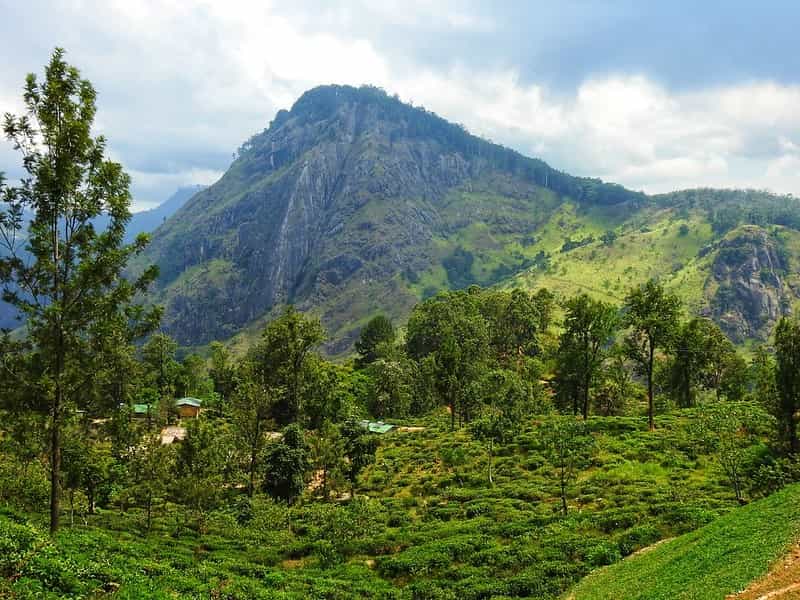
Gampola is a town in the Central Province (Kandy District) of Sri Lanka that served as the capital during the medieval Gampola period (14th century). It is important historically for its role in the island’s shifting political centers and for the cluster of temples and monuments that reflect Sinhalese and South Indian architectural influences. The surrounding central highland landscape supports tea estates and rich biodiversity, making Gampola notable for both cultural heritage and scenic highland nature.
Haputale
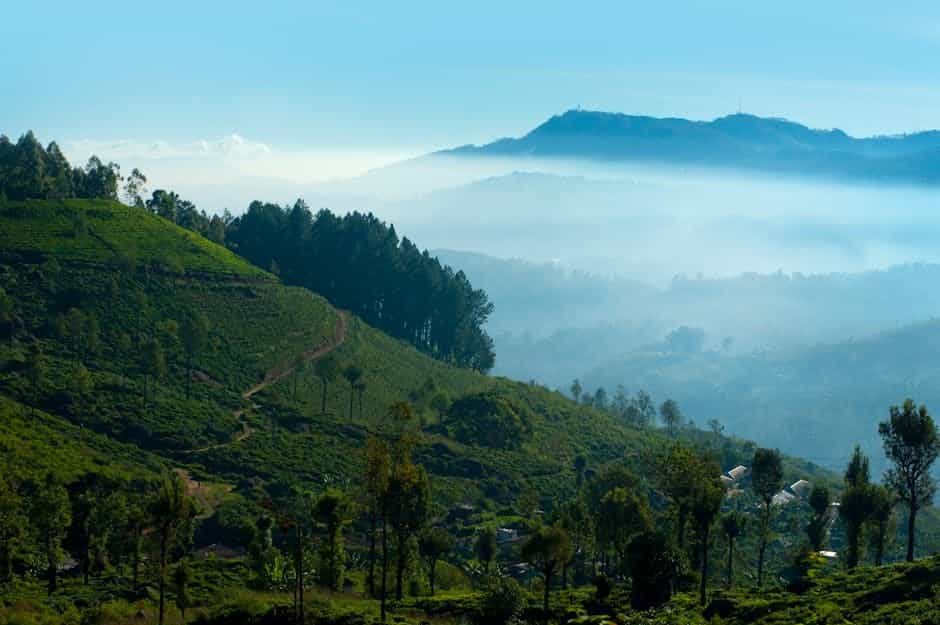
Haputale is a scenic hill-town in the Uva Province of Sri Lanka, important for its role in the island's tea industry and colonial-era heritage. Perched on a ridge above the southern plains, it offers panoramic views across the Haputale Gap and is a gateway to montane ecosystems and highland biodiversity. The town and surrounding estates were central to British-era tea plantation development and remain active producers of Ceylon tea.
Dikwella
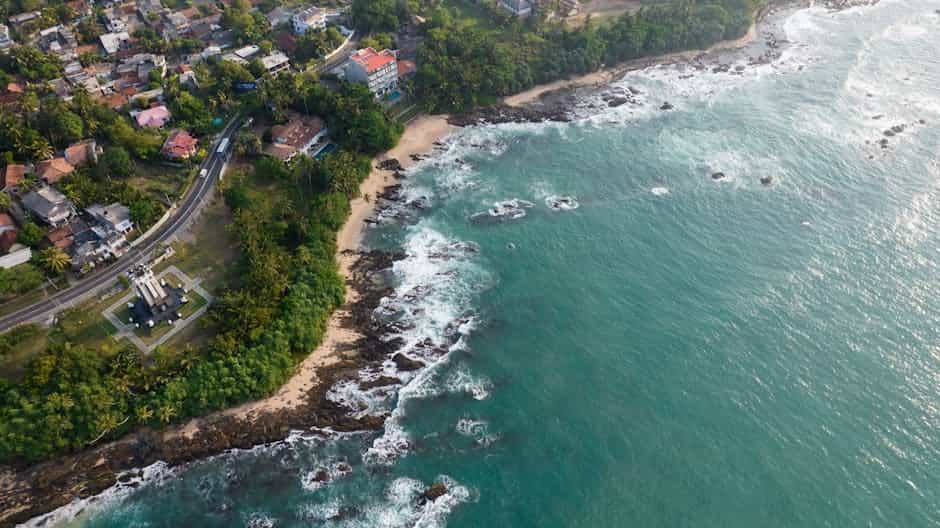
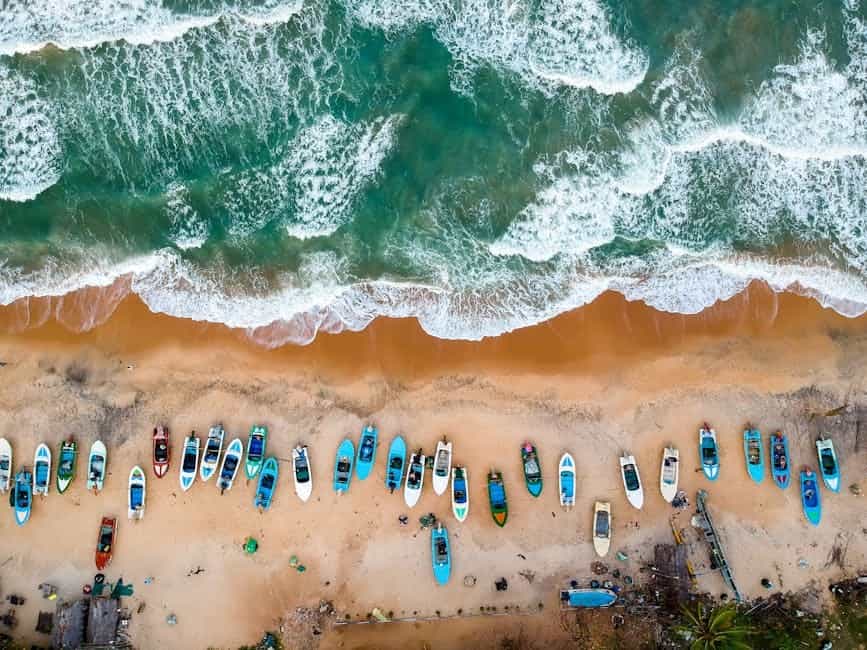
Dikwella (often spelled Dickwella) is a coastal town on Sri Lanka's southern coast known for its long sandy beach, active fishing community, and Buddhist heritage. The area combines natural coastal beauty (beaches, reefs, turtle nesting sites nearby) with local cultural life — temples, daily fish markets and traditional livelihoods — making it a representative stop on the southern tourism circuit.
Tangalle
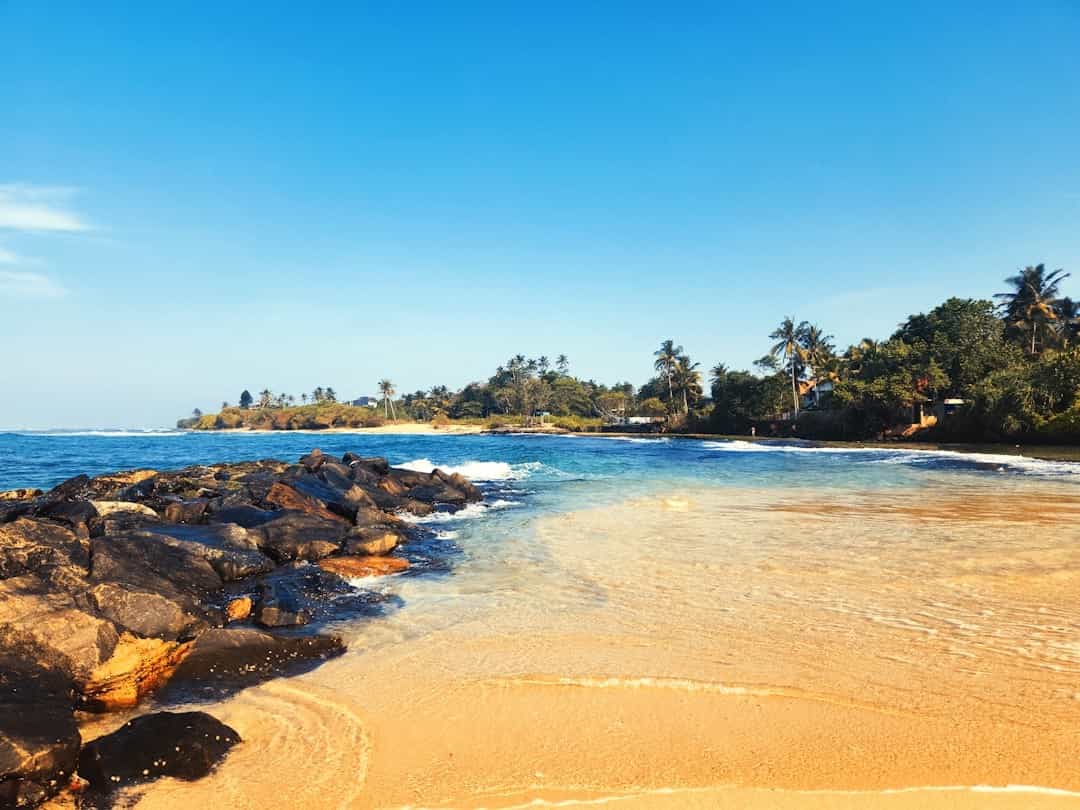
Tangalle is a laid-back coastal town on Sri Lanka’s southern coast (Hambantota District) known for its long sandy bays, important turtle nesting beaches and nearby ancient temple sites. The area combines natural significance—turtle conservation sites, lagoons and coastal biodiversity—with cultural importance through local Buddhist temples and fishing-community traditions that have shaped daily life for generations.
Sigiriya Rock Fortress
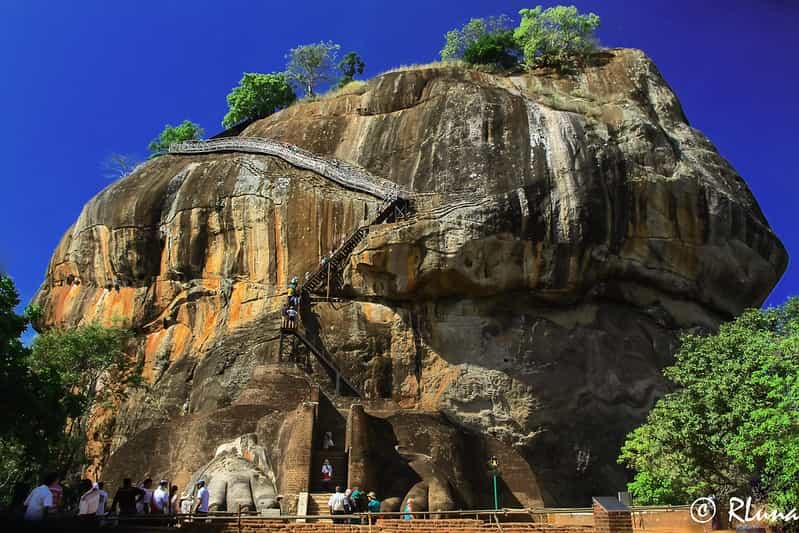
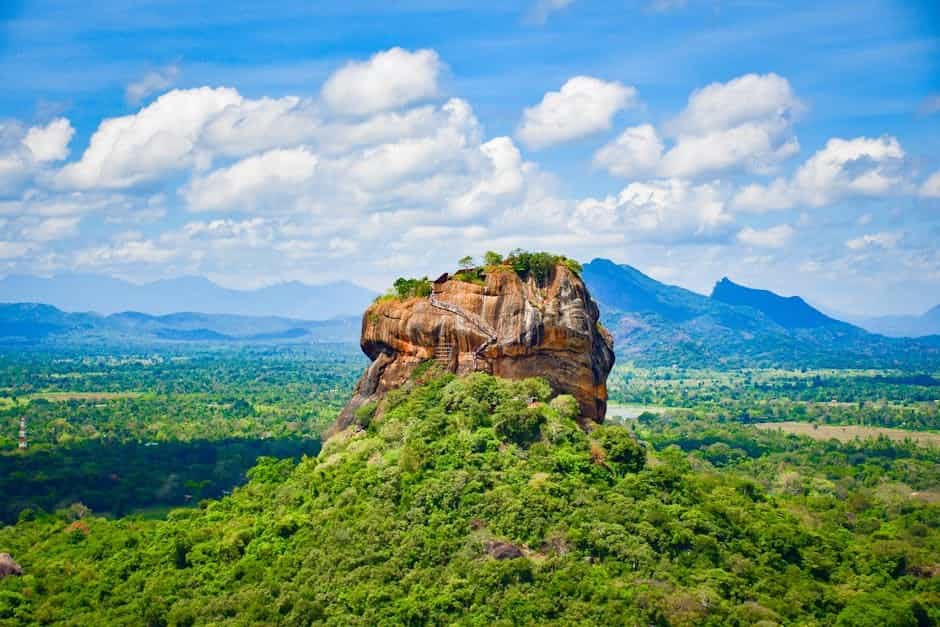
Sigiriya, also called the Lion Rock, is a 5th-century AD rock fortress and palace built by King Kashyapa. It is one of Sri Lanka's most important archaeological sites and a UNESCO World Heritage Site. The complex demonstrates advanced urban planning, hydraulics, and garden design of ancient Sri Lanka, and reflects the island's historical, architectural, and artistic achievements.
Dambulla Cave Temple (Golden Temple)
Dambulla Cave Temple (Golden Temple) is Sri Lanka's largest and best-preserved cave temple complex and a UNESCO World Heritage Site. The site preserves continuous devotional use from the 1st century BCE onward and is an outstanding example of Buddhist religious art, with extensive murals, statues and monastic architecture reflecting several centuries of artistic development and royal patronage.
Sacred City of Anuradhapura
Anuradhapura is one of the oldest continuously inhabited cities in South Asia and was the first capital of a unified Sri Lankan kingdom. It served as the political and religious center of the island from the 4th century BCE to the 11th century CE. The city is a major center for Theravada Buddhism and a UNESCO World Heritage Site. It houses ancient monasteries, stupas (dagobas), royal palaces and vast hydraulic systems (tanks and canals) that exemplify advanced early irrigation engineering.
Ancient City of Polonnaruwa
Polonnaruwa was the second capital of Sri Lanka after the destruction of Anuradhapura in the 10th century. At its height (11th–13th centuries) under King Parakramabahu I and others, it became a major political, religious and commercial centre. The city is a UNESCO World Heritage Site noted for its well-preserved archaeological remains—royal palaces, stupas, shrines and an advanced medieval irrigation system. Its ruins represent a high point of ancient Sinhalese engineering, urban planning and Buddhist architecture.
Temple of the Sacred Tooth Relic (Sri Dalada Maligawa)
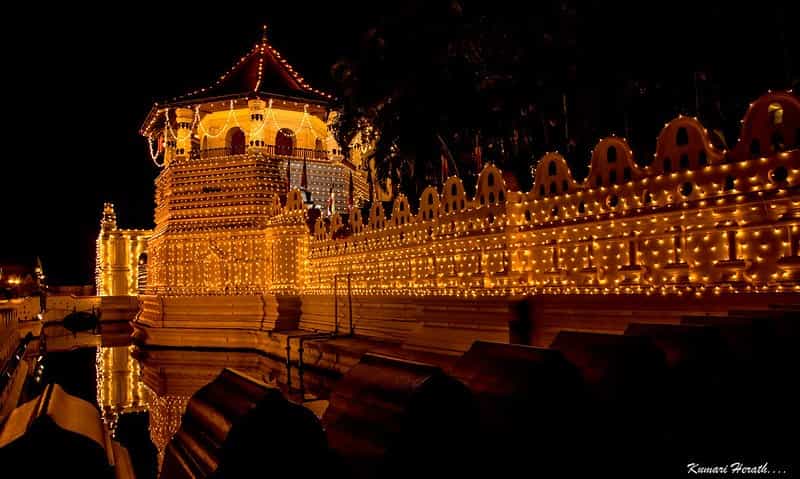
The Temple of the Sacred Tooth Relic (Sri Dalada Maligawa) in Kandy is one of Sri Lanka's most venerated Buddhist sites. It houses the relic of the tooth of the Buddha, believed to have been brought to Sri Lanka in the 4th century CE. The relic has long been a symbol of sovereignty: possession of the tooth traditionally legitimized rule over the island, making the temple central to political as well as religious life, especially during the Kandyan Kingdom. The temple complex is part of the Old Royal Palace complex and is inscribed as a UNESCO World Heritage Site (Kandy). It represents an outstanding example of Kandyan-era architecture and living religious tradition.
Old Town of Galle and its Fortifications
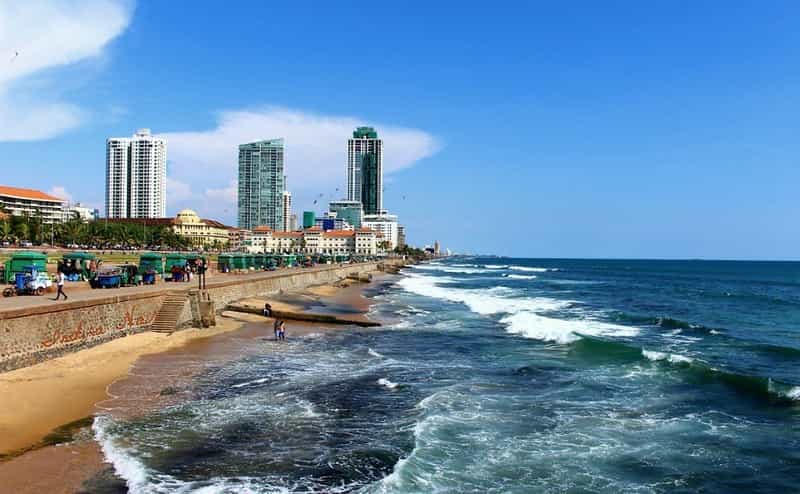
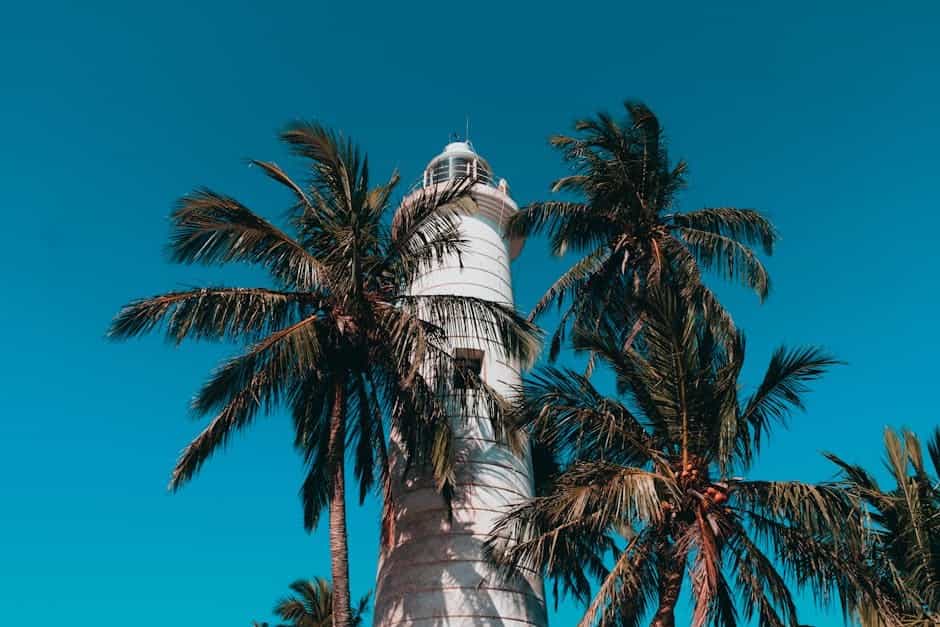
Old Town of Galle and its Fortifications is a UNESCO World Heritage Site (inscribed 1988). The fort exemplifies a well-preserved example of European colonial town planning fused with South Asian traditions. Originally fortified by the Portuguese in the 16th century and substantially rebuilt by the Dutch in the 17th century, the complex displays layers of Portuguese, Dutch and British influence in urban layout, architecture and maritime infrastructure. The ramparts, bastions, and sea-facing walls constructed of coral stone and granite are outstanding examples of coastal fortification adapted to a tropical island environment.
Mihintale
Mihintale is a sacred mountain peak near Anuradhapura considered the cradle of Buddhism in Sri Lanka. It marks the site where the Buddhist monk Mahinda Thera is said to have met King Devanampiya Tissa in the 3rd century BCE, leading to the official introduction of Buddhism to the island. The complex contains ancient monasteries, stupas, stone stairways, inscriptions and a historic hospital complex, making it important for religious, archaeological and cultural studies. It also offers natural rocky scenery and panoramic views of the surrounding dry zone.
Ruwanwelisaya Stupa
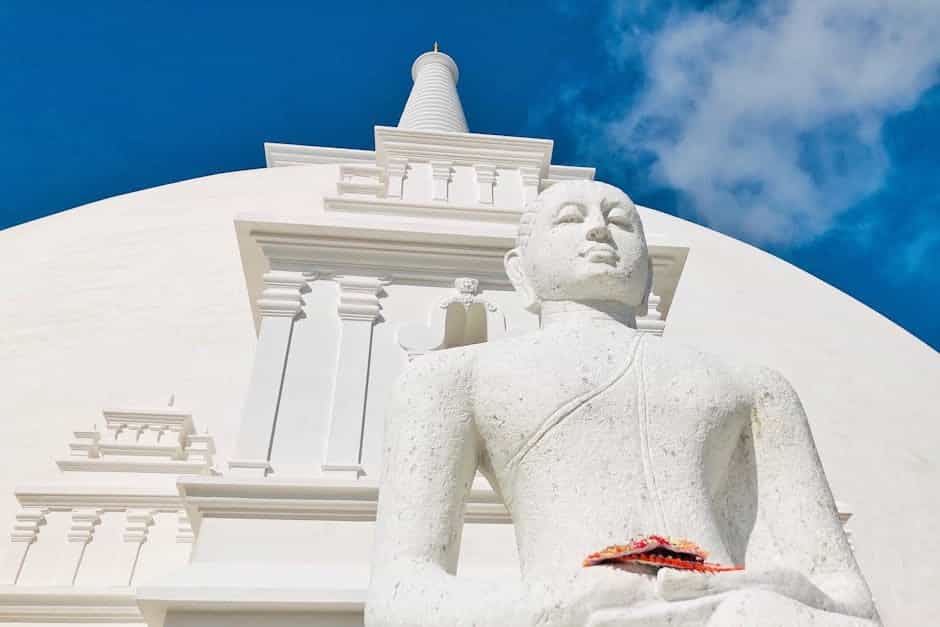
Ruwanwelisaya (also spelled Ruwanwelisaya Stupa) is one of the most important and venerated Buddhist monuments in Sri Lanka, located in the ancient city of Anuradhapura. Built in the 2nd century BCE by King Dutugemunu, it houses relics of the Buddha and symbolizes the unification of the island under a Buddhist king. The stupa is a central feature of the Anuradhapura Sacred City — a UNESCO World Heritage Site — and plays a key role in Sri Lanka’s religious, cultural and historical identity.
Jaya Sri Maha Bodhi
Jaya Sri Maha Bodhi is a sacred fig (Ficus religiosa) tree in Anuradhapura, Sri Lanka, believed to be a sapling from the original Bodhi Tree under which the Buddha attained enlightenment in Bodh Gaya, India. Planted in 288 BCE by Sangamitta, daughter of Emperor Ashoka, it is one of the oldest living human-planted trees with a known planting date and a central pilgrimage site for Buddhists worldwide. The site symbolizes Sri Lanka's deep-rooted Buddhist heritage, continuity of the Theravada tradition, and national identity.
Gal Vihara
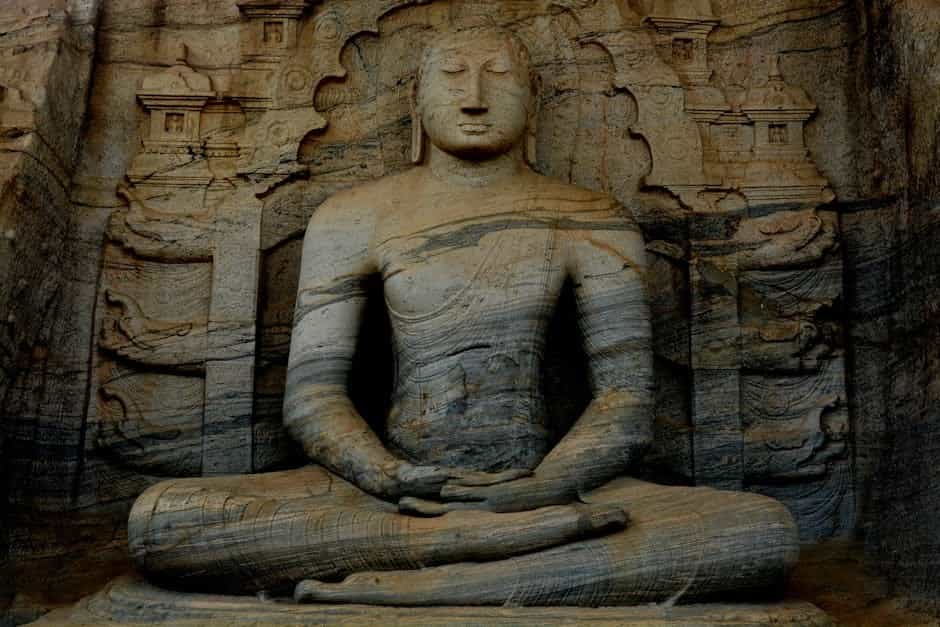
Gal Vihara (also spelled Gal Viharaya) is a 12th-century rock temple located in the ancient city of Polonnaruwa, Sri Lanka. Commissioned during the reign of King Parakramabahu I (1153–1186 CE), the site is celebrated for its outstanding stone-carving and represents a high point in Sinhalese Buddhist sculpture. The four large Buddha statues, carved directly into a single granite outcrop, exemplify the technical skill and aesthetic refinement of medieval Sri Lankan artisans and hold great religious and cultural significance. Gal Vihara is part of the Polonnaruwa Archaeological Park, a UNESCO World Heritage site.
Aukana Buddha Statue
Date & Period: Believed to date from the 5th century CE (late Anuradhapura period). Cultural/Historical Importance: One of Sri Lanka's finest ancient standing Buddha images, it demonstrates the sophistication of Sinhalese stone carving and Buddhist iconography. The statue is an important pilgrimage and national heritage site and reflects the island's ancient hydraulic civilization located near the Kala Wewa reservoir.
Ritigala Forest Monastery
Ritigala Forest Monastery is an ancient Buddhist monastic complex located in the Ritigala strict nature reserve in central Sri Lanka, believed to have been established between the 1st century BCE and the 12th century CE. It served as a meditation and retreat center for Buddhist monks from the Anuradhapura period and later. The site is notable for its sophisticated ancient hydraulic systems, stone pathways, terraces, and remnants of monastic buildings blended into a dense montane forest. Ritigala's isolation and elevation helped preserve its archaeological remains and endemic biodiversity, making it significant both culturally and naturally.
Nallur Kandaswamy Kovil
Nallur Kandaswamy Kovil is the principal Hindu temple of Jaffna and one of the most important Murugan (Kandaswamy) shrines in Sri Lanka. It has served as a central place of worship and cultural identity for the Tamil population of the northern province for centuries. The temple complex, rebuilt and expanded at various times (with major reconstructions in the post-medieval period), illustrates classic Dravidian architecture and has been a focal point through colonial eras and more recent historical events, remaining a living center of ritual, community life, and Tamil religious traditions.
Koneswaram Temple
Koneswaram Temple (Thiru Koneswaram Kovil) is an ancient Hindu temple dedicated to Lord Shiva, perched on the dramatic Swami Rock overlooking Trincomalee Bay in eastern Sri Lanka. It is historically and culturally important as a major Shaivaite pilgrimage site for Sri Lankan Tamils and visitors from South India. The temple — once famed as the "Temple of a Thousand Pillars" — has references in classical Tamil literature and was an influential religious center through medieval periods. It has also endured significant historical events, including destruction and partial dismantling by the Portuguese in the 17th century and later restorations in the 20th century. Natural significance comes from its cliff-top setting with panoramic views of the Indian Ocean and Trincomalee harbor, making it both a spiritual and scenic landmark.
Kataragama Temple
Kataragama Temple (Kataragama Deviyo shrine) is one of Sri Lanka's most important multi-religious pilgrimage sites, attracting Buddhists, Hindus, Muslims and indigenous Vedda people. The complex represents deep syncretism: the Hindu god Skanda/Murugan (locally known as Kataragama Deviyo) is venerated alongside Buddhist stupas and local deities. The site embodies centuries of religious coexistence and regional guardianship, and the surrounding landscape—dry-zone plains near the Yala and Lahugala reserves—adds natural significance for visitors combining pilgrimage and wildlife tourism.