Mihintale, Sri Lanka
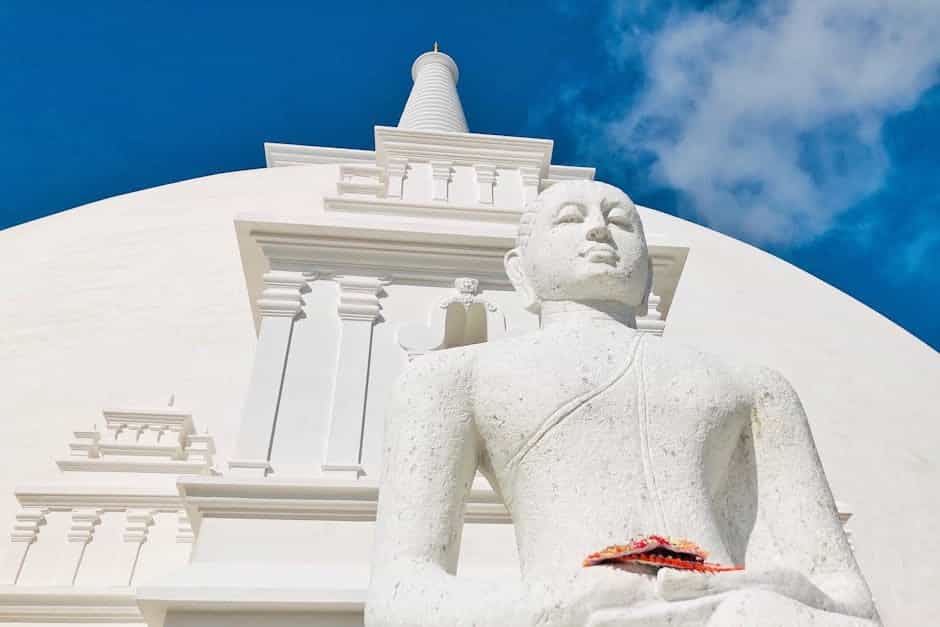
Mihintale is a sacred mountain peak near Anuradhapura considered the cradle of Buddhism in Sri Lanka. It marks the site where the Buddhist monk Mahinda Thera is said to have met King Devanampiya Tissa in the 3rd century BCE, leading to the official introduction of Buddhism to the island. The complex contains ancient monasteries, stupas, stone stairways, inscriptions and a historic hospital complex, making it important for religious, archaeological and cultural studies. It also offers natural rocky scenery and panoramic views of the surrounding dry zone.
Last updated: 23 Oct 2025
Historic Anecdotes
According to tradition, Mahinda met King Devanampiya Tissa here and converted him to Buddhism — the event that gave Mihintale its name (from Mihindu, an alternative form of Mahinda). Local legends speak of miraculous conversions, sacred footprints and protective deities associated with the hill. Stories about the restorative ancient hospital and healing waters are also part of the site's lore.
Places to visit
- Kantaka Cetiya (ancient stupa and monastery ruins)
- Aradhana Gala (the rock where Mahinda is said to have preached)
- Remains of an ancient hospital and treatment complexes
- Stone-paved terraces, stairways and inscription panels
- Royal or main stupa and small shrines scattered across the summit
- Panoramic sunrise viewpoints over the Anuradhapura plains
Unique Aspects
- Religious pilgrimage site and ritual platform areas
- Well-preserved archaeological ruins with Buddhist iconography
- Dramatic rocky outcrops and carved stone steps
- Good birdwatching and sightlines across the dry zone
Things to do
- Climb the stone steps to the summit and visit the temples and stupas
- Participate in or observe religious rituals and alms-giving
- Photography of sunrise and panoramic views
- Explore archaeological ruins, inscriptions and the ancient hospital
- Meditation and quiet contemplation in monastery areas
- Combine with a visit to nearby Anuradhapura sacred sites
Festivals & Events
- Poson Poya pilgrimage (major annual pilgrimage in June)
- Regular Poya day observances and local Buddhist ceremonies
Best Time to Visit
Drier months are generally best for visiting. Poson (June) is the busiest time for pilgrims; for fewer crowds visit outside major Poya days. Morning visits are recommended for cooler temperatures and sunrise views.
Weather Conditions
Hot, dry conditions typical of Sri Lanka's north-central dry zone; daytime temperatures often range from 28–34°C (82–93°F) with cooler mornings. Expect strong sun exposure.
Entry Fees & Permits
The archaeological complex typically has a small entry fee for visitors; opening hours are roughly sunrise to sunset (approx. 6:00–18:00). Exact fees and hours may change — check local signage or the Department of Archaeology on arrival.
Accessibility
Nearest major hub is Anuradhapura (about 10–15 km by road). Access by road from Anuradhapura by tuk‑tuk, bus or taxi is straightforward. The nearest international airport is Bandaranaike International Airport (Colombo), followed by a domestic road or rail journey. Expect steep stone steps — the summit is not wheelchair accessible and requires a moderate climb.
Recommended Duration
3–5 hours for climb, exploration and photography; a half‑day visit is typical. Combine with Anuradhapura for a full-day itinerary.
Clothing & Gear Tips
Modest clothing that covers shoulders and knees is required for religious areas. Wear comfortable, sturdy shoes for stone steps, bring a hat, sunscreen, plenty of water and insect repellent. Carry a scarf or shawl for temple visits.
Local Food & Souvenirs
Sample local Sri Lankan rice-and-curry and light snacks in Anuradhapura. Souvenirs include Buddhist devotional items (small Buddha images, prayer beads), handicrafts and local sweets such as jaggery or traditional sweets sold in nearby markets.