Places to visit in Sri Lanka
Planning a trip to Sri Lanka? Here is a complete guide to the best places to visit—from popular tourist attractions to offbeat spots you would not find in every guidebook. Get ready to explore, experience, and fall in love with Sri Lanka!
Top 114 curated places to visit in Sri Lanka
Seetha Amman Temple
Seetha Amman Temple (Sita Amman Kovil) is a Hindu shrine in Seetha Eliya, near Nuwara Eliya, Sri Lanka. It is considered one of the most important Ramayana-related sites on the island, believed to mark the place where Sita (Seetha), the consort of Lord Rama, was held captive by the demon king Ravana. The site blends religious, cultural and mythic significance and is visited by Hindu pilgrims as well as tourists interested in the Ramayana story and Sri Lanka's cultural heritage.
Bahirawakanda Vihara Buddha Statue
Bahirawakanda Vihara Buddha Statue is a major modern Buddhist landmark perched on Bahirawa Kanda (Bahirawakanda) hill overlooking Kandy city. The large seated Buddha serves both as an active place of worship and as a prominent city landmark visible across Kandy, symbolizing the area's Buddhist heritage and offering panoramic views of the surrounding central highlands. The site blends religious importance with scenic value, attracting pilgrims, local devotees and tourists.
Gangaramaya Temple
Gangaramaya Temple is one of Colombo's most important Buddhist temples and a prominent cultural landmark. Established in the late 19th century and developed by successive chief monks into both a religious shrine and a philanthropic institution, the complex combines traditional Buddhist architecture with eclectic, modern influences. It functions as a place of worship, a center for education and charity, and a repository of Sri Lankan and Southeast Asian Buddhist artifacts.
Kelaniya Raja Maha Vihara
Kelaniya Raja Maha Vihara is one of Sri Lanka's most venerated Buddhist temples. According to tradition and the island's chronicle (the Mahavamsa), the Buddha visited Kelaniya and preached to the Naga king Maniakkika — an event that established the site's deep religious significance. Over centuries the temple has been a major center for Theravāda Buddhism, royal patronage and artistic expression, particularly in mural painting and sculpture. The temple's riverside setting on the banks of the Kelani River also connects it to local natural and cultural landscapes.
Independence Square
Independence Square (Independence Memorial Hall) in Colombo commemorates Sri Lanka's independence from British rule on 4 February 1948. The site serves as a national monument and focal point for official Independence Day ceremonies and civic remembrance. Architecturally, the memorial draws on traditional Kandyan-era audience hall design (Magul Maduwa style), symbolizing a synthesis of modern nationhood with classical Sri Lankan forms. The surrounding lawns and public square function as an urban green space valued by residents and visitors alike.
Lotus Tower
Lotus Tower (Nelum Kuluna) is a modern landmark in Colombo, Sri Lanka, symbolizing national progress and technological advancement. Rising to approximately 350 m, it is one of the tallest self-supported towers in South Asia and serves as a multifunctional telecommunications and tourism hub. The tower's lotus-inspired design connects to Sri Lanka's cultural and Buddhist symbolism, where the lotus represents purity and spiritual awakening.
National Museum of Colombo
The National Museum of Colombo is Sri Lanka's largest museum and a central repository of the island's history, art and culture. Established in 1877 by Governor Sir William Henry Gregory, it preserves archaeological, ethnographic, numismatic and natural history collections that trace Sri Lanka’s prehistoric periods, ancient kingdoms (including the Kandyan era), colonial past, and cultural traditions. The museum plays an important role in education, research and national identity.
Pettah Market
Pettah Market (Colombo) is the historic commercial heart of Colombo, Sri Lanka. Located just outside the old Colombo Fort, Pettah developed during colonial times (Portuguese, Dutch and British) as a bustling trading quarter where local and foreign merchants met. Today it remains a vibrant multicultural marketplace reflecting Sri Lanka’s ethnic and religious diversity, with well-known landmarks such as the Jami Ul-Alfar (Red) Mosque and many colonial-era buildings nearby.
Galle Face Green
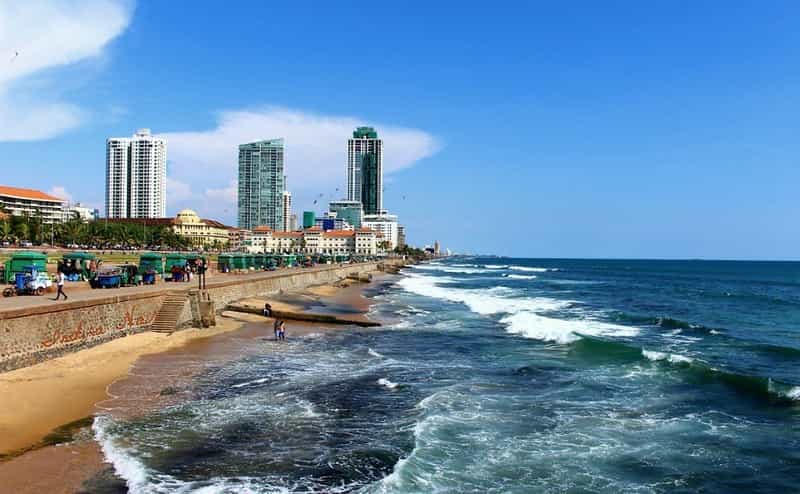
Galle Face Green is an iconic ocean-side urban park in Colombo, Sri Lanka, with historical roots dating back to the Dutch and British colonial eras. Originally part of the fortifications and open land for artillery and public gatherings during colonial times, it has evolved into a central public promenade reflecting Sri Lanka's colonial heritage and urban leisure culture. The site overlooks the Indian Ocean and offers panoramic coastal views, making it an important urban green space for both locals and visitors.
Royal Botanic Gardens, Peradeniya
Royal Botanic Gardens, Peradeniya is one of the most important botanical gardens in South Asia. Established in the early 19th century on grounds that were once part of the Kandyan royal pleasure gardens, it was developed during the British colonial era as a center for plant introduction, acclimatization and botanical study. The garden today plays a vital role in conservation, horticultural research and education, and houses one of Sri Lanka's largest and most diverse living plant collections, including rare endemic and economically important species.
Hakgala Botanical Garden
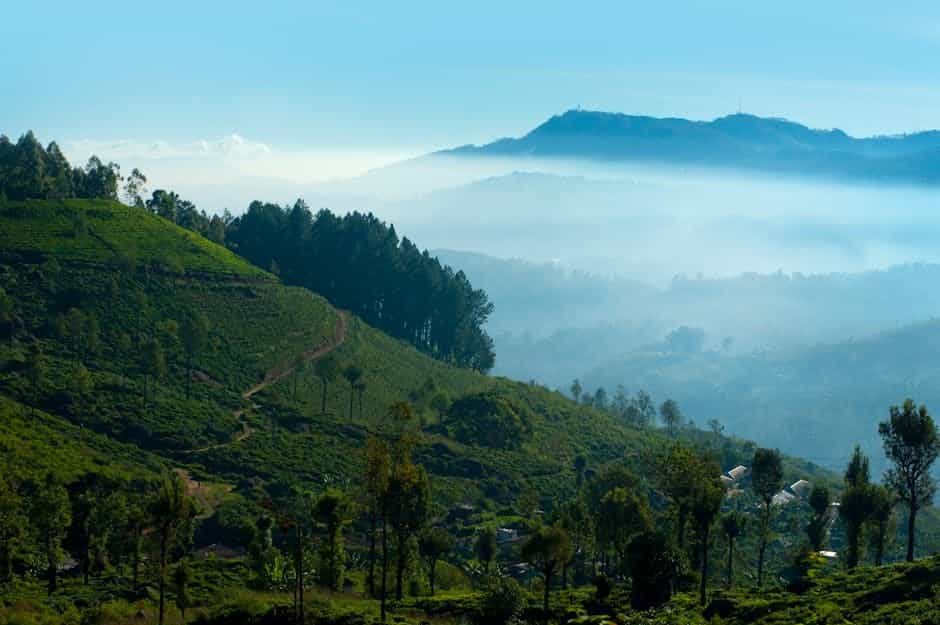
Hakgala Botanical Garden is one of Sri Lanka's major montane botanical gardens, renowned for its cool-climate plant collections and scenic highland setting near Nuwara Eliya. It plays an important role in conserving temperate and sub-tropical flora, including orchids, roses, rhododendrons and conifers, and supports horticultural research and education in the country.
Pinnawala Elephant Orphanage
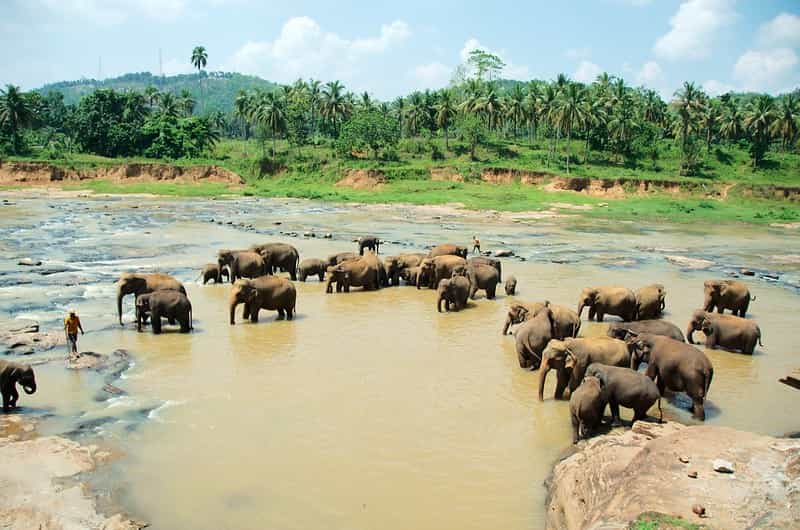
Established in 1975 by the Sri Lankan Department of Wildlife Conservation, Pinnawala Elephant Orphanage is one of the country’s most famous elephant care centres. It was founded to provide care, rehabilitation and a safe haven for orphaned, injured and abandoned Sri Lankan elephants. Over the decades it has become a major center for elephant husbandry, conservation awareness and public education, offering visitors a close look at the species that is nationally and culturally significant in Sri Lanka.
Udawattakele Forest Sanctuary
Udawattakele Forest Sanctuary is a small but ecologically and historically important urban forest reserve located on a ridge behind the historic city of Kandy in central Sri Lanka. It served as a royal forest reserve during the Kandyan Kingdom and has long been valued for its biodiversity and as a green refuge adjacent to the Temple of the Tooth (Sri Dalada Maligawa). The sanctuary preserves remnant wet-montane forest and is important for conservation of native flora and fauna within an urban setting.
Yala National Park
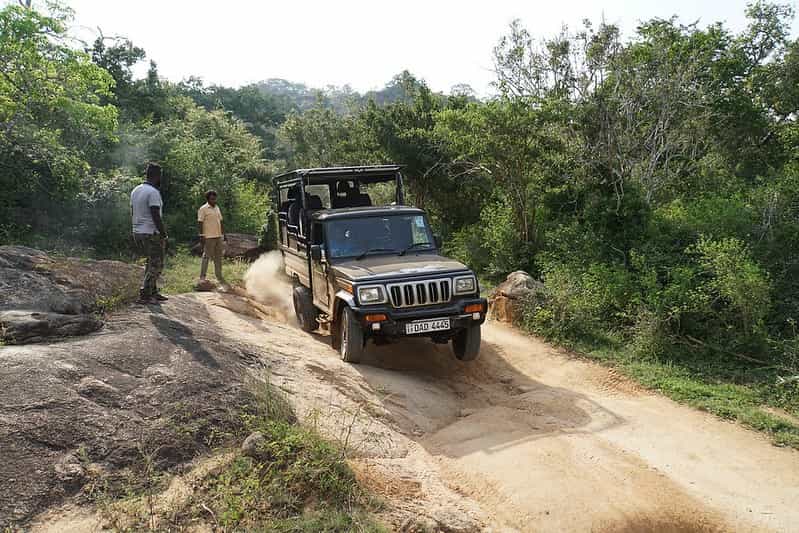
Yala National Park is one of Sri Lanka's premier wildlife reserves and a key protected area in the country’s dry zone. It is internationally important for its biodiversity, supporting a high density of the endangered Sri Lankan leopard, large populations of elephants, sloth bears, crocodiles and many endemic and migratory bird species. The park’s mosaic of dry thorn forest, grasslands, freshwater and saltwater lagoons and coastline makes it ecologically diverse and valuable for conservation and eco-tourism.
Udawalawe National Park
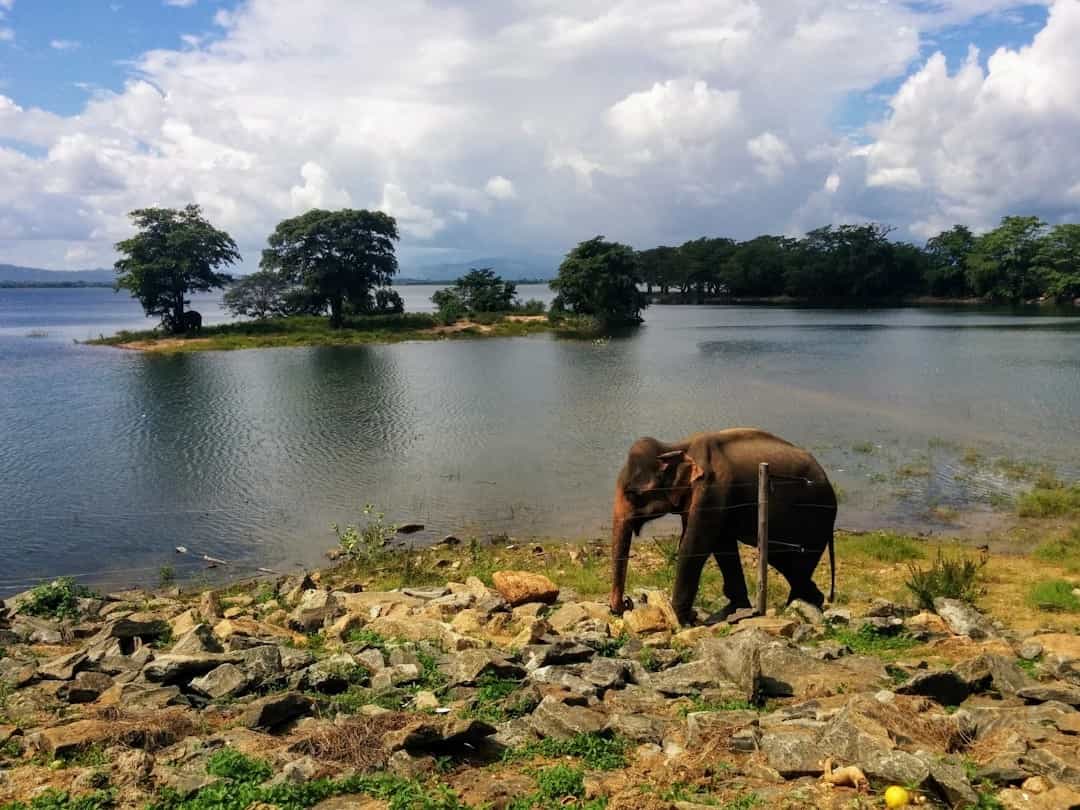
Udawalawe National Park was established in 1972 primarily to protect the catchment of the Udawalawe Reservoir and provide a habitat and corridor for large mammals, especially elephants. It is one of Sri Lanka's premier dry-zone parks and is internationally recognized for its healthy population of wild Asian elephants. The park also supports a wide range of dry-zone flora and fauna including water buffalo, sambar deer, spotted deer, sloth bears, crocodiles, and numerous resident and migratory bird species.
Minneriya National Park
Minneriya National Park protects a mosaic of dry-zone habitats — from open grasslands and scrub to the large Minneriya reservoir — that support one of Sri Lanka's best-known wildlife spectacles. The reservoir and surrounding lands are part of an ancient irrigation network dating back to the early medieval period; the Minneriya tank itself was enlarged and restored by ancient kings and remains an important feature of the island's hydraulic civilization. The park conserves rich dry-zone biodiversity, including Asian elephants, deer, water buffalo, and numerous bird species, and plays an important role in seasonal wildlife movements and wetland ecology.
Kaudulla National Park
Kaudulla National Park is a key protected area in Sri Lanka's North Central Province, created to conserve dry-zone ecosystems and one of the country's important populations of wild Asian elephants. The park surrounds the ancient Kaudulla reservoir (tank), part of Sri Lanka's historic irrigation network developed by early Sinhalese kings — a reminder of the island's sophisticated ancient hydraulic engineering. The combination of reservoir, wetlands and dry forest makes it ecologically important for large mammals, waterbirds and seasonal biodiversity.
Wilpattu National Park
Wilpattu National Park is one of Sri Lanka's largest and oldest national parks, covering approximately 1,317 square kilometers along the northwest coast. The park is renowned for its unique chain of natural lakes known as 'villus'—shallow, sand-rimmed freshwater lakes that create a mosaic of wetland habitats supporting rich biodiversity. Wilpattu is particularly significant for its role as a stronghold for the Sri Lankan leopard, as well as for numerous endemic and migratory bird species, elephants, sloth bears, and aquatic life. The park's combination of dry zone forests, scrubland, grasslands, and villus offers a distinct ecological landscape that contrasts with Sri Lanka's wet-zone parks, contributing to its scientific and conservation importance.
Bundala National Park
Bundala National Park is a vital protected wetland in southeastern Sri Lanka, recognised as an important Ramsar wetland and an Important Bird Area. It conserves a mosaic of habitats — coastal lagoons, saline and freshwater marshes, mangroves, scrubland, sand dunes and dry-zone forest — that support high biodiversity, particularly migratory and resident waterbirds, as well as mammals and reptiles. The park was established as a national park in the early 1990s to protect these fragile coastal ecosystems and their species.
Horton Plains National Park
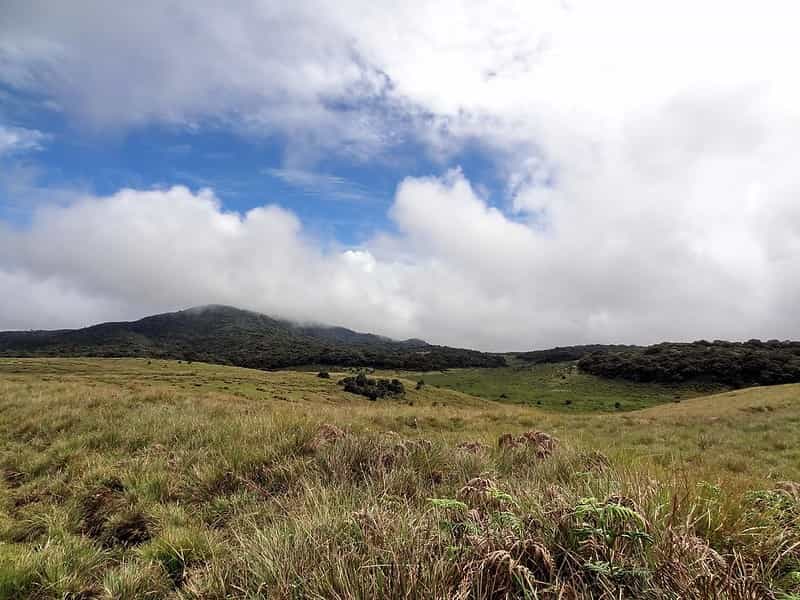
Horton Plains National Park is a high-altitude montane grassland and cloud forest in Sri Lanka's central highlands. It is part of the Central Highlands of Sri Lanka UNESCO World Heritage Site and protects unique montane ecosystems, peat bogs, and vital catchment areas that feed lowland rivers. The park supports a high level of endemism in plants and animals and plays an important role in biodiversity conservation and freshwater supply for surrounding regions.