Kumana National Park, Sri Lanka
Kumana National Park (formerly Yala East) is one of Sri Lanka's premier wildlife reserves, renowned for its vital role as a coastal wetland and bird habitat. It forms part of the larger Yala-Kumana protected area complex and is recognized for significant biodiversity, especially migratory and resident waterbirds. The park's lagoons, marshes, and dry evergreen forests support rare and threatened species and contribute to coastal ecosystem health.
Last updated: 23 Oct 2025
Places to visit
- Kumana Lagoon – a rich wetland attracting thousands of migratory birds seasonally.
- Birdlife – famous for large congregations of migratory waterfowl and waders including storks, pelicans, and duck species.
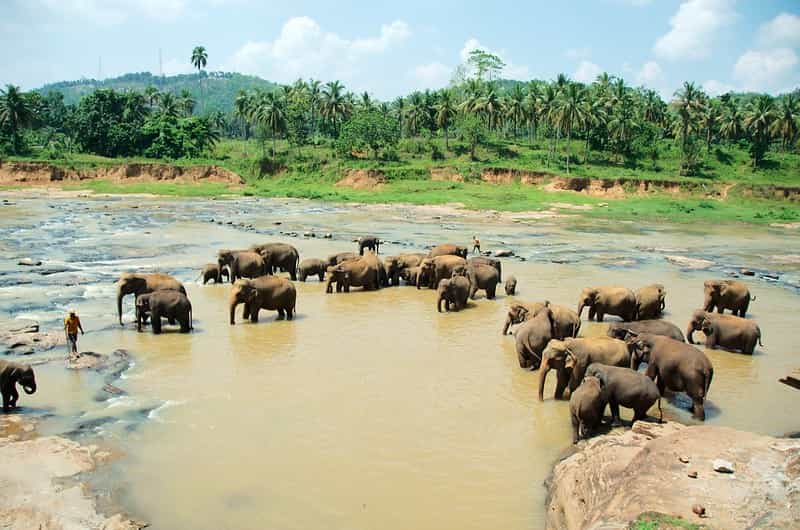
- Mammals – sightings of elephants, sambar deer, wild boar, jackals, and leopards in surrounding areas.
- Kumana River estuary – scenic estuary attracting both wildlife and photographers.
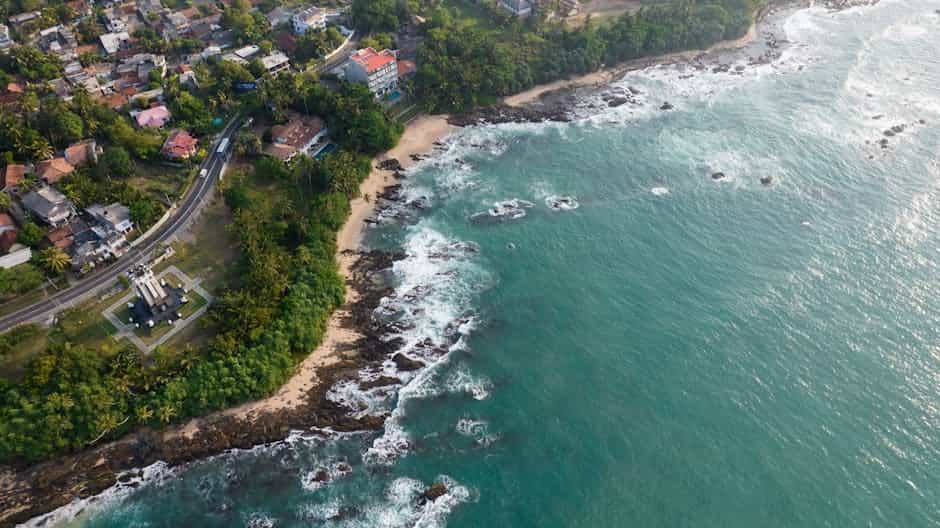
- Beaches and coastal scenery – quiet beaches adjacent to the park offering pristine coastal views.
Unique Aspects
- Internationally important wetland for migratory birds (Ramsar-relevant ecology).
- High density of waterbirds during the northeast monsoon season (October–March).
- Mosaic of habitats: freshwater lagoons, marshes, scrub, and littoral forest.
- Relatively remote and less crowded than other Sri Lankan parks, offering a tranquil wildlife experience.
Things to do
- Birdwatching – prime activity, with professional and amateur opportunities for photography and observation.
- Wildlife safaris – guided 4x4 safaris along designated routes (following park rules).
- Nature photography – particularly at sunrise/sunset around lagoons and estuaries.
- Guided walks (where permitted) around perimeter and designated trails with naturalists.
- Beach visits – to nearby less-developed stretches of coastline for relaxation after safaris.
Best Time to Visit
October to March (northeast monsoon/ post-monsoon) — best for birdwatching and optimal water levels; drier months can make wildlife easier to spot.
Weather Conditions
Tropical coastal climate: warm year-round. Wet season typically during southwest monsoon (May–September) and localized rains. Day temperatures commonly 25–33°C (77–91°F); coastal humidity can be high.
Entry Fees & Permits
Entry fees vary for foreigners and locals and are set by the Department of Wildlife Conservation — expect park entry plus vehicle and guide charges. Park access typically from early morning to late afternoon; night access is restricted. Confirm current fees and opening hours with official park authorities before travel.
Accessibility
Located in the Eastern Province, approximately 300 km from Colombo. Nearest towns include Kumana village and Panama; nearest regional airport: Batticaloa (limited) or Colombo international airport for long-haul arrivals. Access by road via well-maintained routes from Ampara and Arugam Bay; 4x4 vehicles recommended for internal routes and safari access.
Recommended Duration
1–2 full days (one full day focused on birding/safari; two days if combining with nearby attractions like Lahugala or Arugam Bay).
Clothing & Gear Tips
Lightweight, neutral-colored clothing for birdwatching; a wide-brim hat, binoculars, long-sleeve shirts to reduce sun and insect exposure, sturdy shoes, sunscreen, and insect repellent. Bring a telephoto lens for wildlife photography and waterproof covers during rainy periods.
Local Food & Souvenirs
Try local Eastern Sri Lankan seafood specialties in nearby villages and small eateries. Souvenirs include local handicrafts, woven mats, and small wooden carvings—support community-run stalls where possible.