Jageshwar Dham: Exploring Kumaon's Ancient Temple Complex
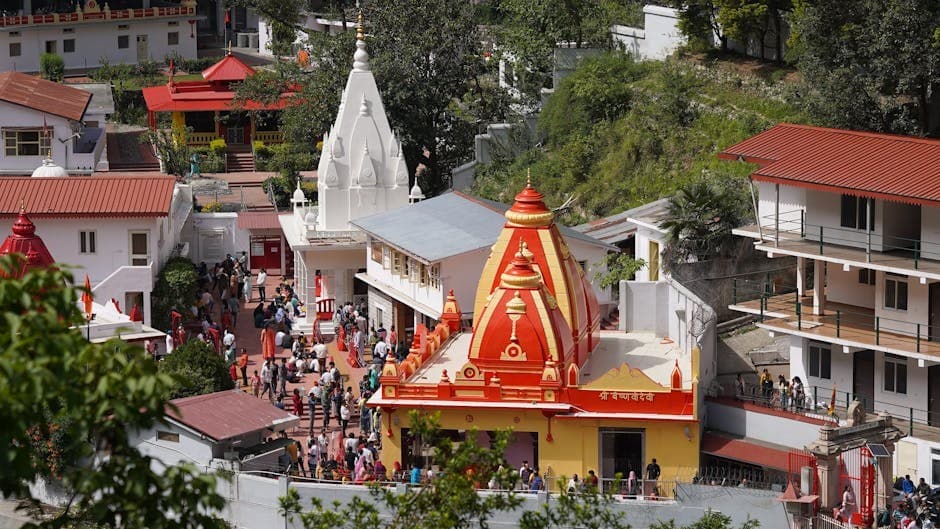
Few places in India weave together spirituality, archaeology, and raw Himalayan beauty quite like Jageshwar Dham. Tucked into a narrow, deodar-scented valley about 36 kilometres from Almora, this remarkable temple complex is one of the oldest active Shaivite pilgrimage sites in the country — and yet it remains blissfully off the mainstream tourist radar.
If you're the kind of traveller who craves history you can feel, silence you can almost hear, and mountain air that resets your soul, Jageshwar belongs on your Uttarakhand itinerary.
A Valley of 125 Ancient Temples
Jageshwar Dham isn't a single grand monument — it's an extraordinary cluster of over 125 stone temples stretching roughly 3.5 kilometres along the banks of the sacred Jata Ganga rivulet. Built between the 7th and 14th centuries, the temples range from tiny single-cell shrines barely three feet across to substantial structures crowned with tiered shikhara towers.
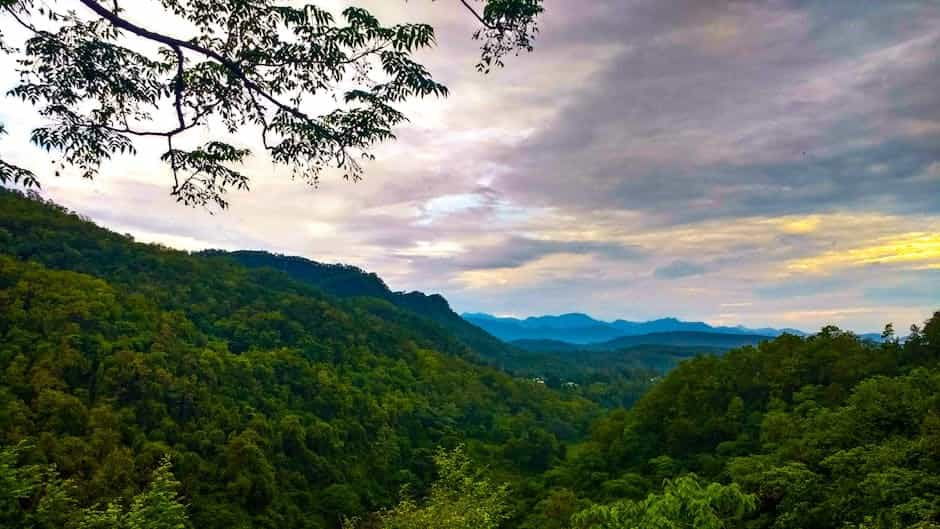
The entire complex sits at an altitude of approximately 1,870 metres in the Jataganga River Valley, surrounded by dense forests of deodar, oak, pine, and rhododendron. The Archaeological Survey of India (ASI) protects the site, having officially numbered over 150 monuments within the valley — making Jageshwar both a living place of worship and an open-air archaeological treasure.
History Carved in Stone
The origins of Jageshwar Dham are layered with mystery. The ASI suggests some structures may belong to the post-Gupta era, potentially making the site around 2,500 years old in its earliest phases. Most historians agree, however, that the majority of temples were constructed during the reign of the Katyuri dynasty (7th–11th century CE), powerful Shaivite rulers who patronised temple-building across the Kumaon region.
After the Katyuris, the Chand dynasty continued to support and expand the complex, renovating existing shrines and adding new ones. Many of the 25-odd inscriptions found on temple walls — written in Sanskrit and Brahmi — date to this later period, offering valuable insights into land grants, temple administration, and royal devotion.
Historically, Jageshwar was a major centre of Lakulish Shaivism, an early ascetic sect linked to intense yogic practices. Ancient texts refer to the site as Yageshvara, a revered tirtha (pilgrimage crossing) long before the 10th century. The valley was also an important halt for pilgrims travelling the ancient route to Kailash Mansarovar.
Key Temples You Shouldn't Miss
With over a hundred shrines to explore, it helps to know where to focus your time. Here are the standout temples within the complex:
- Jageshwar Mahadev Temple — The main shrine, also called Bal Jageshwar (Child Shiva), houses a Swayambhu (self-manifested) Shivalinga. Legend says Lord Shiva took the form of a child here to avoid curious villagers who interrupted his meditation.
- Mahamrityunjaya Temple — Dedicated to the healing aspect of Lord Shiva, this temple carries a deeply meditative atmosphere and draws devotees seeking protection and well-being.
- Dandeshwar Temple — Located slightly upstream, this is one of the largest and oldest structures in the valley. Though partially in ruins, its stone carvings reveal exquisite Nagara-style craftsmanship.
- Kuber Temple — Dedicated to the deity of wealth, featuring interesting iconography of Kuber holding a pot of coins.
- Navagraha Temple — Visited for astrology-related prayers, this shrine is dedicated to the nine celestial deities.
- Surya Temple, Chandi-ka-Temple, and Nanda Devi Temple — Each showcases distinct architectural elements and deity traditions of the Kumaon hills.
Vriddha Jageshwar: The Elder Shrine
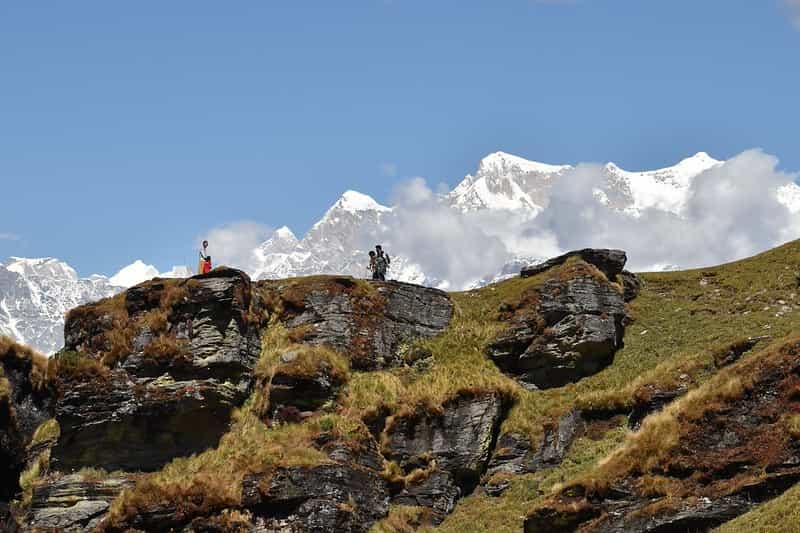
A rewarding 1.5–2 km uphill trek through the deodar forest leads to Vriddha Jageshwar (Old Jageshwar), believed to predate the main complex. Local tradition holds that this was the original abode of Lord Shiva before he "moved" to the valley below. The trek is easy to moderate and rewards you with mountain views and deep forest silence.
The Archaeological Museum
Don't skip the ASI-run Jageshwar Archaeological Museum, located near the main temple complex. It houses 174 sculptures recovered from the Jageshwar Temples, Dandeshwar, and Kuber temple groups, dating from the 9th to 13th century. Highlights include a magnificent Uma-Maheshwar sculpture, a beautifully ornamented Surya holding lotuses, a rare Navagraha panel, and the locally revered Pona Raja bronze. The museum is free to enter and open from 10:00 AM to 5:00 PM (closed Fridays).
Best Time to Visit Jageshwar Dham
Jageshwar is a year-round destination, but each season offers a different mood:
- March–June (Spring/Summer): Pleasant weather with temperatures around 15–25°C. Ideal for temple exploration, forest walks, and photography. This is the most popular window.
- July–August (Monsoon): The valley turns emerald green, and the Jageshwar Monsoon Festival (during Shravan) brings the complex alive with rituals, music, and thousands of pilgrims. Roads can be slippery, so plan with buffer days.
- September–November (Autumn): Crystal-clear skies, comfortable temperatures, and thinner crowds make this arguably the best time to visit.
- December–February (Winter): Cold (down to -3°C), occasionally snowy, and deeply atmospheric. Carry thermals and layers.
Pro tip: Time your visit for Maha Shivratri (early spring) to witness the complex at its most vibrant, with grand processions and all-night devotional ceremonies.
How to Reach Jageshwar
Jageshwar is well-connected by road, though the final stretch is a scenic mountain drive:
- From Almora: 36 km (~1.5 hours by taxi or local bus). This is the most common approach.
- From Kathgodam/Haldwani (nearest railway station): Approximately 125 km. Regular trains like the Ranikhet Express and Shatabdi Express connect Kathgodam to Delhi. From Kathgodam, hire a taxi via Almora.
- From Pantnagar Airport: About 150 km. Limited flights connect Pantnagar to Delhi; taxis are available onward.
- From Delhi: Roughly 400 km by road (10–12 hours via Haldwani and Almora).
Many travellers choose to stay in Almora and make a day trip to Jageshwar, combining comfort with exploration.
Where to Stay
Accommodation in Jageshwar is simple but charming. Options include KMVN (Kumaon Mandal Vikas Nigam) guest houses, forest rest houses, and a handful of cosy homestays. For more variety and comfort, base yourself in Almora or Binsar and drive in for the day. The region also offers eco-stays and meditation retreats that pair well with Jageshwar's contemplative energy.
Practical Tips for Visitors
- Carry cash. ATM facilities near the temple are limited, and digital payment options are sparse.
- Wear comfortable, sturdy shoes. The terrain is uneven, with stone paths and forest trails.
- Dress modestly inside temple premises — this is an active place of worship.
- Hire a local guide to unlock the legends and architectural details that you'd otherwise walk right past.
- Mobile network: BSNL tends to work best; other networks may have patchy coverage.
- Photography is allowed in most areas, but avoid flash during rituals and always ask before photographing locals.
- Temple timings are generally 6:00 AM to 6:00 PM, though these may extend during festivals.
Combine with Nearby Kumaon Gems
Jageshwar sits in one of Uttarakhand's most rewarding travel corridors. Consider pairing your visit with:
- Chitai Golu Devta Temple (~25 km) — Famous for thousands of brass bells and written petitions offered by devotees.
- Binsar Wildlife Sanctuary — Forest trails, birding, and sweeping Himalayan views from Zero Point, Binsar.
- Patal Bhuvaneshwar cave temple — A mystical limestone cave temple with underground shrines.
- Almora's Bada Bazaar — Heritage shopping for woolens and handicrafts and the legendary Bal Mithai.
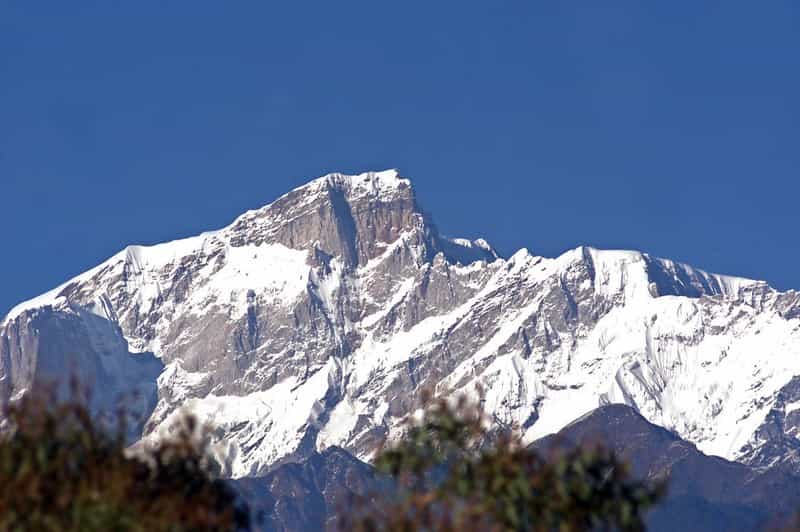
- Kausani — Sunrise views over Trishul and Panchachuli that earned it the title "Switzerland of India."
Final Thoughts
Jageshwar Dham is not a destination you rush through. It asks you to slow down, walk the cool stone paths barefoot, listen to the temple bells mingling with birdsong, and let centuries of devotion wash over you. Whether you come as a pilgrim, a history enthusiast, a photographer, or simply someone seeking quiet in the mountains, this ancient valley in the Kumaon Himalayas delivers something rare — a place where faith, art, and nature exist in perfect, unhurried harmony.
Pack a light bag, lace up your walking shoes, and let Jageshwar be your next Uttarakhand discovery.
Leave a Comment
Explore Uttarakhand
Ready to plan your trip? Check out our complete travel guide and packages.