Snow Leopard Spotting in Kashmir: Best Locations, Season & Tips
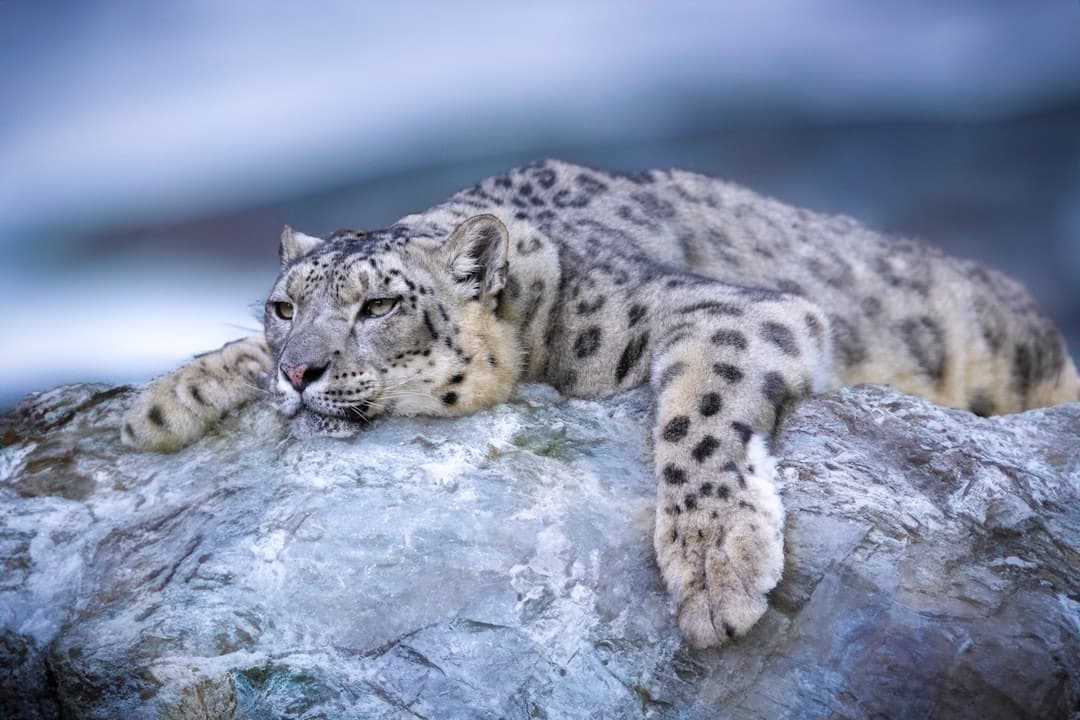
Few wildlife encounters rival the thrill of glimpsing a snow leopard — the legendary "Ghost of the Mountains" — padding silently across a Himalayan ridge. While Ladakh and Spiti steal most of the spotlight, Kashmir itself is quietly emerging as a credible snow-leopard frontier. A landmark three-year study published in 2025 confirmed that snow leopards are not only present year-round but are also actively breeding in Jammu & Kashmir, sending ripples of excitement through the global wildlife community.
If tracking one of the planet's most elusive big cats through pine-scented valleys and high alpine terrain sounds like your kind of adventure, read on. Here's everything you need to know about snow leopard spotting in Kashmir — the best locations, the ideal season, and practical tips to maximise your chances.
Why Kashmir for Snow Leopards?
Kashmir may not yet have the name recognition of Hemis National Park in Ladakh, but the science is catching up fast. According to India's first national Snow Leopard Population Assessment (SPAI), Jammu & Kashmir has an estimated 9 snow leopards in the official count, though more recent camera-trap surveys suggest the number could be significantly higher. A 2025 study by the Nature Conservation Foundation (NCF) and J&K Wildlife Protection Department identified at least 12 individual snow leopards from camera-trap images, with an estimated presence of up to 20 adults across the Kishtwar Himalayas alone.
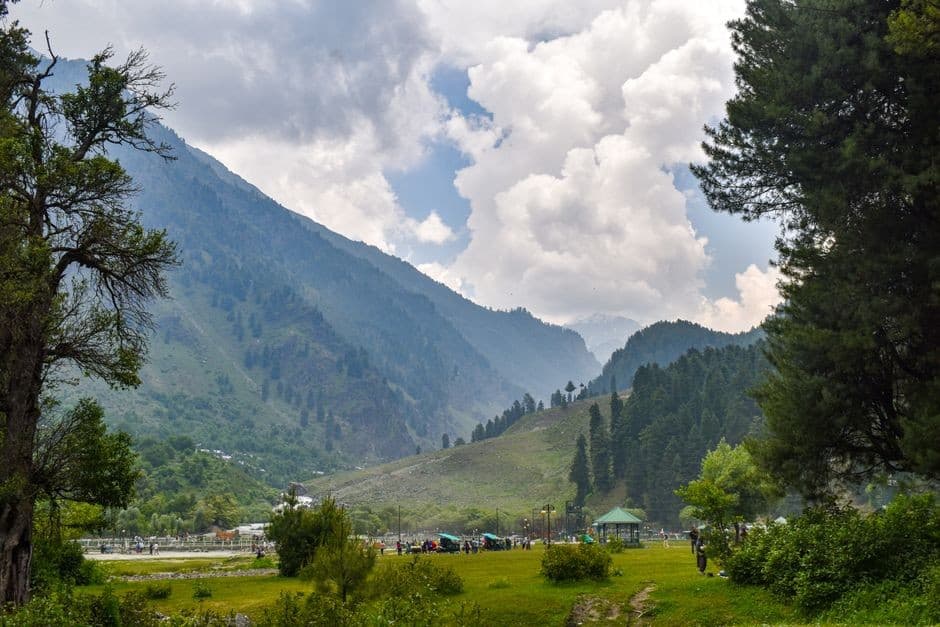
What makes Kashmir special is that its snow leopard habitat sits within the Greater Himalayas rather than the trans-Himalayan zone. The terrain combines dense forests, alpine meadows, glacial valleys, and rugged ridgelines — a landscape that also shelters Himalayan brown bears, musk deer, Asiatic ibex, and the critically endangered Hangul (Kashmir stag). A snow-leopard expedition here doubles as a broader Himalayan wildlife immersion.
Best Locations for Snow Leopard Spotting in Kashmir
1. Kishtwar High Altitude National Park
This is Kashmir's premier snow leopard address. Established in 1981 specifically to conserve the snow leopard, Kishtwar National Park spans 400 sq km of dramatic terrain ranging from 1,700 to 4,800 metres. The park is one of India's seven designated snow leopard reserves under the Central Government's Project Snow Leopard.
Researchers from the University of Kashmir and the National Development Foundation captured four snow leopards on camera here, with captures recorded at altitudes between 3,004 and 3,878 metres in an arid alpine region above the treeline. The park also harbours Himalayan brown bears, markhor, Himalayan tahr, and over 50 bird species.
How to reach: Kishtwar town is accessible by road from both Jammu (~250 km) and Srinagar (~270 km). From Kishtwar, the final stretch involves hiring local transport to Ikhala (Tangdoor) and then trekking or using ponies to enter the park.
2. Paddar Valley (Kishtwar District)
Adjacent to the national park, the Paddar landscape — famous for its sapphire mines — has emerged as a surprisingly important snow leopard area. A 2025 study estimated a density of 0.35 snow leopards per 100 sq km, with a realised abundance of 6 to 11 individuals in Paddar alone. This is a multi-use, non-protected landscape where snow leopards share space with pastoral communities, making it a fascinating case study in coexistence.
3. Warwan Valley
One of Kashmir's most remote and dramatic valleys, Warwan connects the Kashmir Valley to the Kishtwar region via high passes. At least one snow leopard individual has been confirmed here through camera trapping. The valley is better known as a challenging 8–10 day trans-Himalayan trek, but its high-altitude meadows and rocky ridgelines are genuine snow leopard country.
4. Zoji La Corridor & Thajwas Wildlife Sanctuary
The Zoji La pass area near Sonamarg serves as a crucial wildlife corridor linking the Kashmir Valley with Ladakh. The Wildlife SOS research team confirmed snow leopard presence through pugmarks, scrapes, and scats on hill slopes and valley edges of Zoji La and Panchtarni. The Thajwas Wildlife Sanctuary near Sonamarg, spanning over 1,100 sq km, is known for its alpine meadows, snow-clad peaks, and diverse wildlife including the snow leopard.
5. Dachigam National Park (Upper Zone)
Dachigam National Park, just 22 km from Srinagar, is best known as the last stronghold of the Hangul. However, the park's upper zone — above 3,500 metres — is genuine snow leopard territory. Sightings are rare and require special permits and strenuous trekking, but the proximity to Srinagar makes it the most accessible option for travellers with limited time.
Best Season for Snow Leopard Spotting
Winter: December to March (Peak Season)
Winter is unquestionably the best time to visit Kashmir for snow leopard spotting, just as it is across the broader Himalayan range. In winter, heavy snowfall pushes prey species like blue sheep (bharal) and ibex down to lower slopes, and the snow leopards follow them, making it easier for trackers to locate these otherwise high-altitude cats.
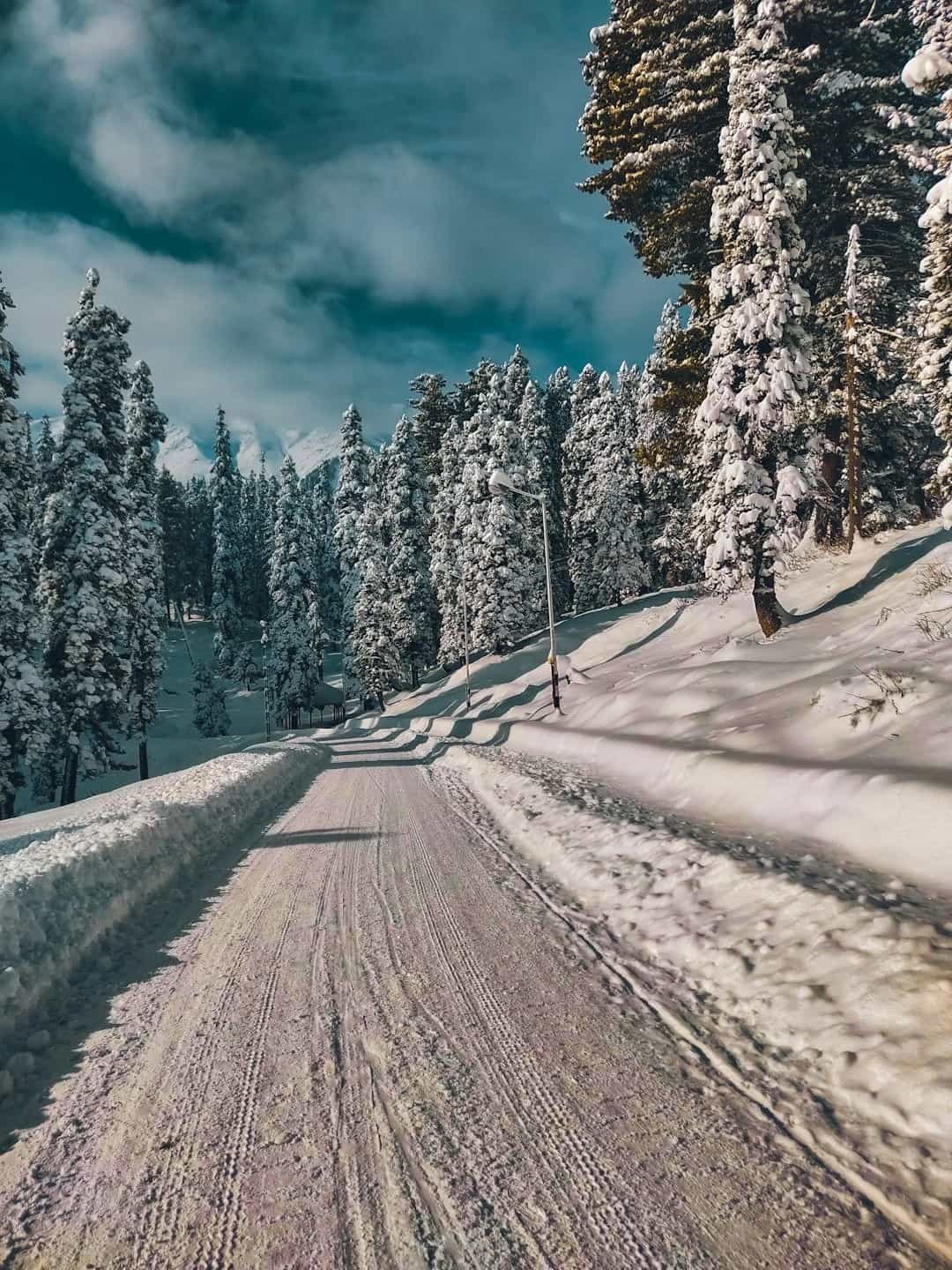
The snow-covered landscape also works in your favour: pugmarks, trails, and resting spots show clearly against white snow, and the stark contrast helps experienced guides predict leopard movement. Visibility stretches across wide valleys, creating ideal conditions for long-range observation with spotting scopes.
That said, winter in Kashmir's high-altitude zones is no joke. Expect temperatures dropping to -6°C in valleys and much colder at higher reaches. The Kishtwar area can become inaccessible due to heavy snowfall between November and February, so plan carefully and stay flexible.
Late Autumn & Early Spring: October–November and March–April
These shoulder months offer a compromise: prey animals are beginning their seasonal migration, snow cover is partial (which still helps with tracking), and access roads are more reliable. You'll face fewer logistical headaches, though sighting probabilities are lower than in deep winter.
Essential Tips for Your Snow Leopard Expedition
1. Hire a Certified Local Guide — Always
This is non-negotiable. Local trackers and wildlife guides have years of experience reading the terrain, identifying pugmarks and alarm calls of prey species, and predicting snow leopard movement. In Kishtwar, hiring a local guide is highly recommended to navigate the park's rugged terrain safely. Many guides are affiliated with conservation organisations and their expertise dramatically improves your chances.
2. Pack for Extreme Cold
Bring thermal base layers, an insulated down jacket, waterproof outer shell, insulated boots rated for sub-zero temperatures, wool cap, balaclava, and quality gloves. Sunglasses with UV protection are essential — snow glare at altitude is blinding. Carry high-SPF sunscreen and energy bars for long stakeouts.
3. Bring the Right Optics
A good pair of binoculars (10×42 minimum) and a spotting scope are more important than your camera for initial spotting. For photography, a telephoto lens of 300mm or more is recommended. Snow leopards are typically observed at considerable distance.
4. Cultivate Patience — Lots of It
Spotting snow leopards usually requires many hours of patience in extreme cold. Be prepared for early morning and late evening stakeouts. Avoid excessive noise or sudden movements. A typical expedition involves multiple days of scanning ridgelines and cliffs — a sighting is never guaranteed but is always earned.
5. Secure Permits in Advance
Foreign tourists require special permits to visit Kishtwar National Park due to its proximity to sensitive border areas. For Dachigam's upper zone, you need a separate full-day permit. Contact the Jammu and Kashmir Forest Department or authorised tour operators well in advance. Carry original ID at all times.
6. Acclimatise Properly
Snow leopard habitat in Kashmir sits between 2,900 and 5,000 metres. Spend at least 1–2 days acclimatising before heading to higher elevations. Altitude sickness is common — hydrate well, ascend gradually, and know the symptoms of AMS.
7. Travel Responsibly
Snow leopards are categorised as Vulnerable on the IUCN Red List. When you visit their habitat, you're a guest. Stick to marked trails, avoid single-use plastics, and never encourage disturbance of wildlife. Support community-based tourism initiatives — many local households in areas like Paddar and Warwan face livestock losses to snow leopards, and eco-tourism revenue helps build tolerance and coexistence.
What Else You Might Spot
A snow leopard expedition in Kashmir is far from a single-species affair. Camera traps in the Kishtwar Himalayas have also recorded the rare Himalayan brown bear, Himalayan wolf, common leopard, Kashmir musk deer, stone marten, pika, Asiatic ibex, and red fox. Birdwatchers can look for golden eagles, bearded vultures (lammergeiers), Himalayan monals, and Himalayan snowcocks — all residents of these high-altitude ecosystems.
Combining Snow Leopard Tracking with a Kashmir Trip
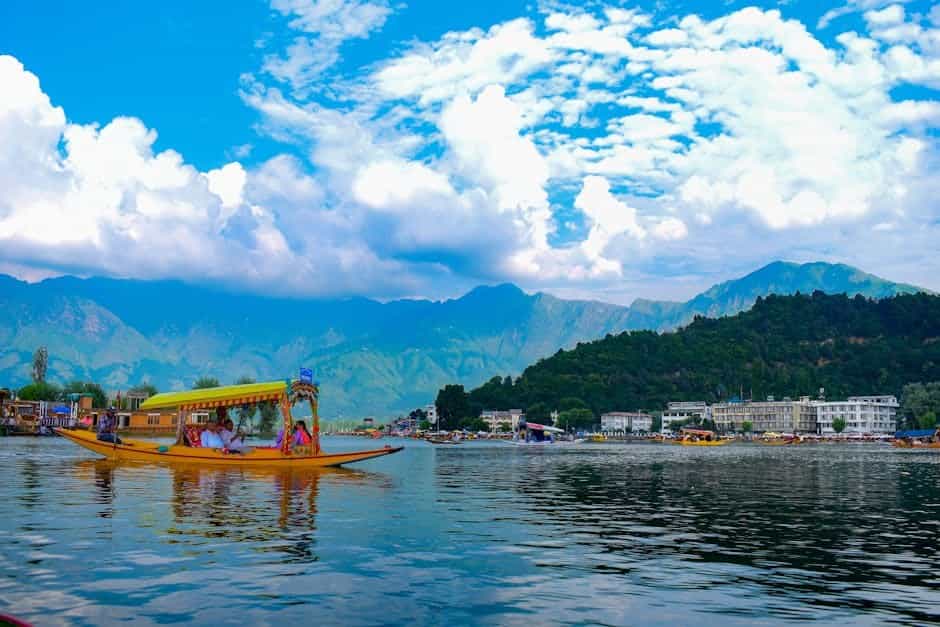
The beauty of Kashmir is that a wildlife expedition can be woven into a broader holiday. Fly into Srinagar International Airport (SXR), spend a night on a houseboat on Dal Lake sipping saffron kahwa, and then head out to Kishtwar or Sonamarg for your snow leopard adventure. On the return, reward yourself with a shikara ride at sunrise, a walk through the Mughal gardens, or a bowl of steaming Rogan Josh at one of Srinagar's heritage restaurants.
If you're visiting in winter, Gulmarg is just a detour away — combine snow-leopard tracking with world-class skiing and snowboarding in winter and a ride on one of the world's highest gondolas to Apharwat at nearly 3,980 metres.
Final Thoughts
Snow leopard spotting in Kashmir is not a mainstream tourism product — and that's precisely what makes it special. This is frontier wildlife travel: remote, challenging, and profoundly rewarding. The recent scientific confirmation of a year-round breeding population in the Kishtwar Himalayas has put Kashmir firmly on the snow leopard map. As community-based conservation grows and eco-tourism infrastructure develops, the region's potential will only increase.
For now, if you have the patience, the fitness, and the willingness to embrace uncertainty, Kashmir offers something that few destinations can — the chance to search for the Ghost of the Mountains in one of the most beautiful landscapes on Earth.
Quick Reference
| Detail | Info |
|---|---|
| Best season | December–March (peak); Oct–Nov and March–April (shoulder) |
| Top locations | Kishtwar National Park, Paddar Valley, Warwan Valley, Zoji La corridor, Upper Dachigam |
| Altitude range | 2,900–5,000 m |
| Nearest airports | Srinagar (SXR) for Dachigam/Zoji La; Jammu for Kishtwar |
| Permits needed | Yes — Forest Department permits; special permits for foreign nationals |
| Difficulty | Moderate to strenuous; high fitness required |
| Sighting guarantee | None — this is a wild, elusive species; patience is essential |
Leave a Comment
Explore Kashmir
Ready to plan your trip? Check out our complete travel guide and packages.