What Is the Significance of the Rann of Kutch? A Complete Guide
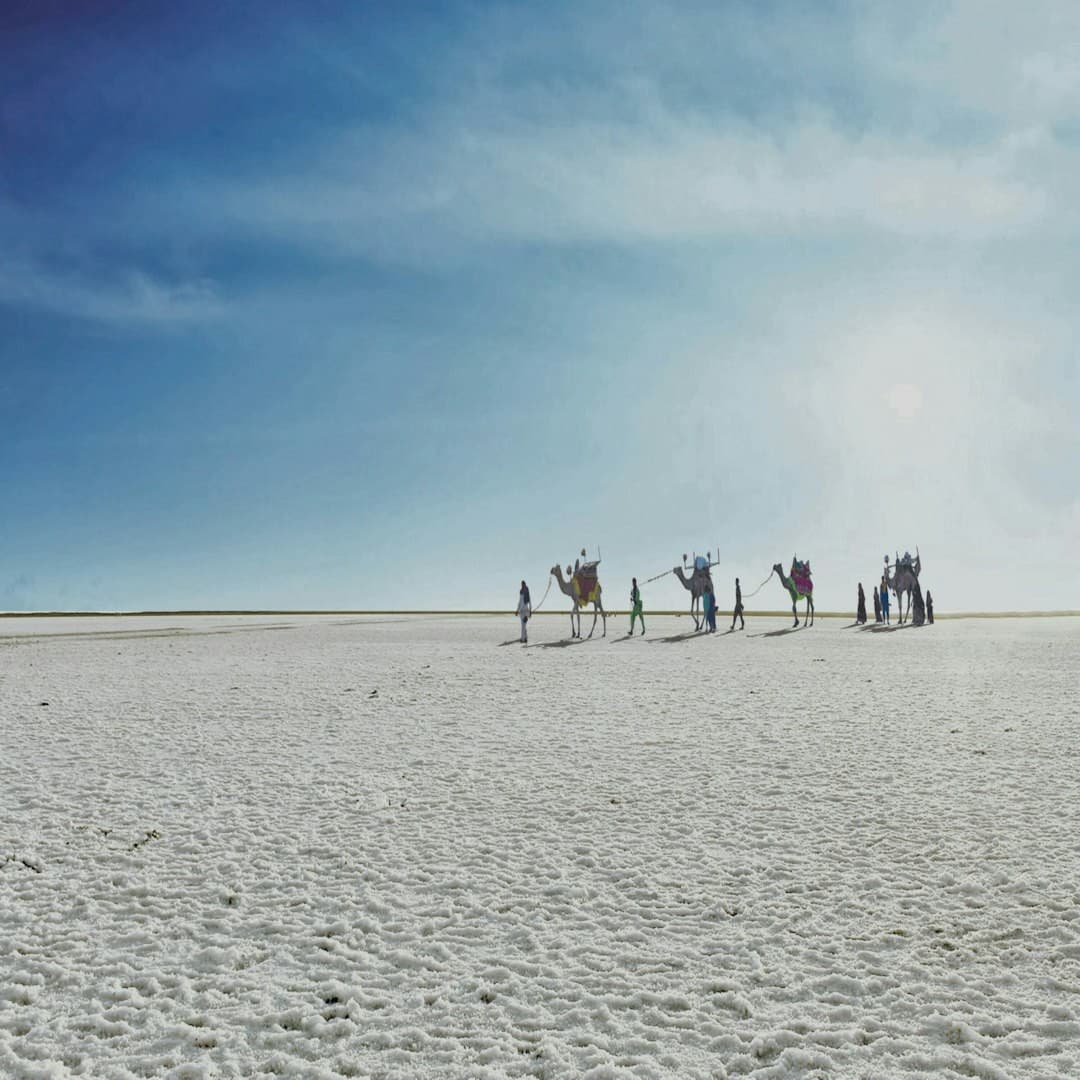
Have you ever imagined walking across an endless expanse of white that stretches to the horizon, where the earth and sky seem to merge into one shimmering canvas? Welcome to the Rann of Kutch — one of the most extraordinary landscapes on the planet and a place whose significance runs far deeper than its breathtaking beauty.
Located in the western Indian state of Gujarat, the Rann of Kutch is a place where geology, ecology, history, culture, and geopolitics collide in the most fascinating ways. Whether you're a traveler, a history buff, a wildlife enthusiast, or simply someone who loves learning about incredible places, this guide will walk you through everything that makes this salt desert so profoundly important.
A Geographical Marvel: The World's Largest Salt Desert
The Rann of Kutch is a vast salt marsh situated in the Thar Desert, straddling the border between India and Pakistan. Spanning approximately 30,000 square kilometers, it is divided into two main sections: the Great Rann of Kutch to the north and the Little Rann of Kutch to the southeast.
What makes this landscape truly unique is its seasonal transformation. During the monsoon months (roughly June to November), the region floods and becomes a shallow wetland. As the waters recede in winter, a dazzling white salt desert emerges — an otherworldly expanse that glows under moonlight and stretches as far as the eye can see.
Geologically, the Ranns were once navigable shallow extensions of the Arabian Sea, which makes their current form as salt flats a relatively recent geological development. The region sits on the seismically active Kachchh Rift Basin, a former seafloor that has been shaped by complex tectonic processes over millennia.
Ancient Roots: A Window Into the Indus Valley Civilization
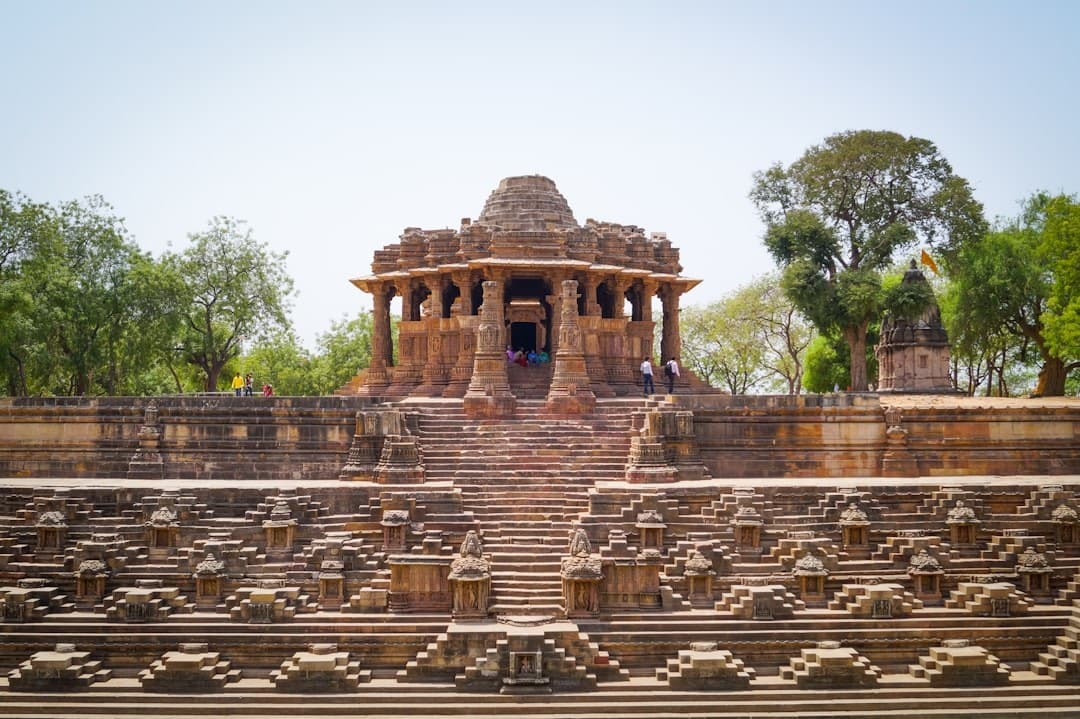
One of the most remarkable aspects of the Rann of Kutch is its deep archaeological significance. The region is home to Dholavira (UNESCO World Heritage Site), one of the five largest Harappan sites in the world and a UNESCO World Heritage Site since 2021. Located on Khadir Bet island in the Great Rann, Dholavira dates back to approximately 2650 BCE and showcases extraordinary urban planning, including one of the world's earliest water conservation systems.
Artifacts discovered at the site — including terracotta pottery, beads, gold and copper ornaments, seals, and imported vessels — reveal that Dholavira was a thriving commercial and manufacturing hub with trade links extending as far as Mesopotamia. The site has witnessed all stages of the Harappan culture, from its rise to its eventual decline around 1500 BCE, offering invaluable insights into one of humanity's earliest civilizations.
Ecological Treasure: Wildlife and Conservation
Despite its harsh, arid conditions, the Rann of Kutch is a biologically rich habitat supporting a surprising diversity of life.
Key Wildlife Highlights:
- Indian Wild Ass (Khur): The Little Rann of Kutch houses the Indian Wild Ass Sanctuary, Little Rann of Kutch, established in 1973 and covering nearly 5,000 square kilometers. This is the last remaining habitat for the endangered Indian wild ass, a species found nowhere else on Earth.
- Migratory Birds: The region is a seasonal haven for thousands of flamingos, pelicans, cranes, and other migratory species. The Great Rann serves as a crucial breeding ground for the greater flamingo, making it one of India's most important avian sites.
- Unique Flora: The presence of halophytic (salt-tolerant) plants and the world's only inland mangrove stand adds to its ecological uniqueness.
- Protected Areas: Around 20,946 square kilometers of the region is designated as protected area, including the Kutch Desert Wildlife Sanctuary and the Chhari Dhandh Wetland Reserve.
However, this fragile ecosystem faces threats from industrial development, salt extraction, climate change, and irresponsible tourism — making conservation efforts here critically important.
Geopolitical Significance: Borders, Disputes, and War
The Rann of Kutch holds enormous strategic and geopolitical significance due to its location along the India-Pakistan border. The boundary dispute over the Great Rann has roots stretching back to early modern battles between Sindh and Kutch, long before the partition of 1947.
In April 1965, tensions escalated into armed conflict when Pakistani forces launched Operation Desert Hawk in the Rann. The skirmish at the Rann of Kutch became a precursor to the full-scale India-Pakistan War of September 1965. The dispute was eventually resolved through international arbitration in 1968, with the Indo-Pakistani Western Boundary Case Tribunal awarding India approximately 90% of the disputed territory and Pakistan the remaining 10%.
The related Sir Creek dispute — involving a tidal estuary in the marshlands of the Rann — remains unresolved to this day, underscoring the region's continued geopolitical sensitivity.
Cultural Heartbeat: Crafts, Communities, and the Rann Utsav
The Rann of Kutch is home to vibrant communities known for their extraordinary traditional crafts. Skills like Rogan art, Ajrakh block printing, Bandhani tie-dye, Ori embroidery, Meenakari, and Zardosi have been passed down through generations and are integral to local identity and livelihoods. For a deeper look at these traditions, see our guide to the culture and heritage of Gujarat.
The village of Dhordo, which serves as the gateway to the White Rann, was recognized as one of the 54 Best Tourism Villages in the 2023 edition by the United Nations World Tourism Organization (UNWTO), celebrated for its rich culture and Banni hospitality.
The Rann Utsav: India's Premier Desert Festival
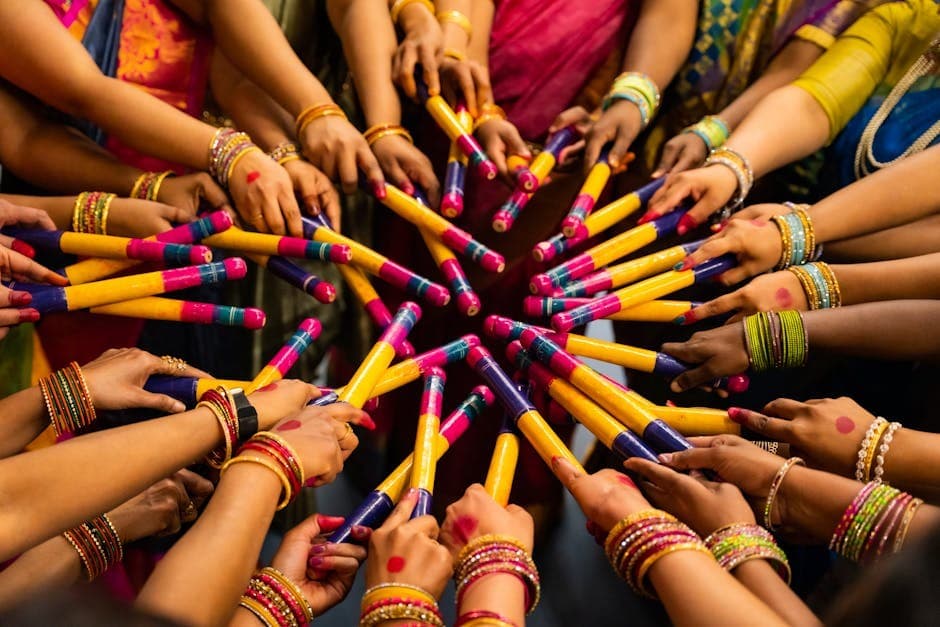
Perhaps the most visible celebration of the Rann's cultural significance is the Rann Utsav cultural festival experience (Rann Festival). Launched in 2005, this annual festival has grown from a modest three-day event into one of India's most iconic cultural celebrations, running for approximately 100 days each winter.
The 2025–26 edition of the Rann Utsav runs from 23rd October 2025 to 4th March 2026, transforming the White Desert into a vibrant hub of folk music, dance performances, artisan markets, and adventure activities. Visitors can enjoy everything from camel safaris and paramotoring to hot air balloon rides and stargazing, all while staying in a well-appointed Tent City with amenities comparable to 3-star hotels.
The festival has had a transformative economic impact on the region. During the 2023–24 edition alone, approximately 7.42 lakh tourists visited, with craft vendors earning an estimated ₹6.65 crore.
Economic Significance: Salt, Livelihoods, and Tourism
Beyond tourism, the Rann of Kutch contributes significantly to India's salt production, particularly in the Little Rann, where traditional salt-pan (Agariya) livelihood trails support local livelihoods. The region's economy is also sustained by animal husbandry, handicrafts, and increasingly, tourism.
The area around Sir Creek is considered one of the largest fishing grounds in Asia, with untapped potential for petroleum, minerals, oil, and gas — adding an economic dimension to the ongoing border discussions.
Practical Tips for Visiting the Rann of Kutch
Planning a trip? Here's what you need to know:
- Best Time to Visit: November to February, when the weather is pleasant (daytime temperatures around 25°C, nights dropping to 12°C). Full moon nights offer the most magical desert views.
- How to Get There: Fly or take a train to Bhuj, the nearest major city. The Tent City at Dhordo is about 80 km from Bhuj.
- Where to Stay: The official Tent City offers options from deluxe tents to premium Rajwadi Suites. Hotels, guesthouses, and homestays are also available around Kutch.
- Entry Fees: ₹100 for adults, ₹50 for children (5–12 years), free for children under 5.
- What to Pack: Layers (desert nights get cold!), sunscreen, comfortable walking shoes, and a good camera.
- Don't Miss: The Great Rann of Kutch white desert sunset, Kalo Dungar (Black Hill) (the highest point in Kutch), Dholavira—UNESCO World Heritage Harappan city, Mandvi Beach, and the craft villages of Bhujodi weaving village interactions and Nirona village crafts (Rogan art, bell making).
Insider Tip:
Book your accommodation well in advance, especially if you're visiting during full moon nights, Diwali, New Year's Eve, or Uttarayan (kite festival) — these are peak periods and sell out quickly.
Final Thoughts: Why the Rann of Kutch Matters
The significance of the Rann of Kutch cannot be captured in a single narrative. It is simultaneously:
- A geological wonder — a salt desert born from an ancient seabed
- An archaeological treasure — home to a 4,500-year-old Harappan city
- An ecological sanctuary — protecting endangered species found nowhere else
- A geopolitical flashpoint — witness to border disputes and armed conflict
- A cultural powerhouse — preserving centuries-old art forms and traditions
- An economic engine — driving tourism, salt production, and artisan livelihoods
Whether you visit during the magical Rann Utsav or explore its quieter corners during the off-season, the Rann of Kutch offers an experience that is truly unlike anything else on Earth. It's a place where the past and present coexist, where nature's extremes create extraordinary beauty, and where human resilience shines as brightly as the white salt under the desert moon.
Start planning your Rann of Kutch adventure today — it's a journey you'll never forget.
Leave a Comment
Explore Gujarat
Ready to plan your trip? Check out our complete travel guide and packages.