Ahmedabad, Gujarat
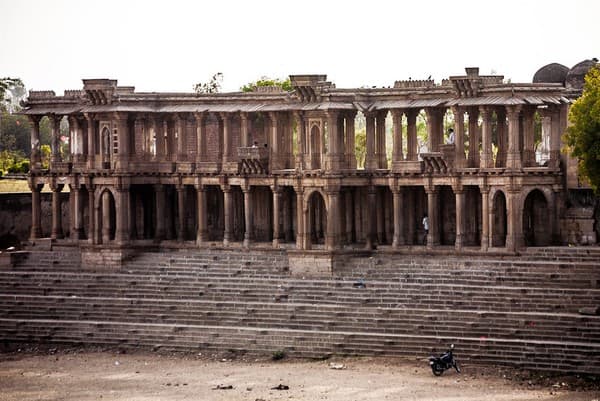
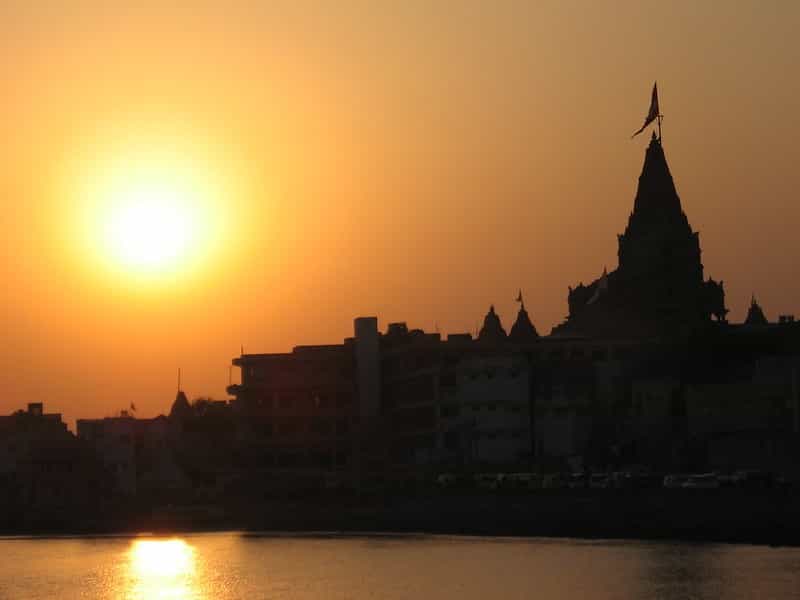
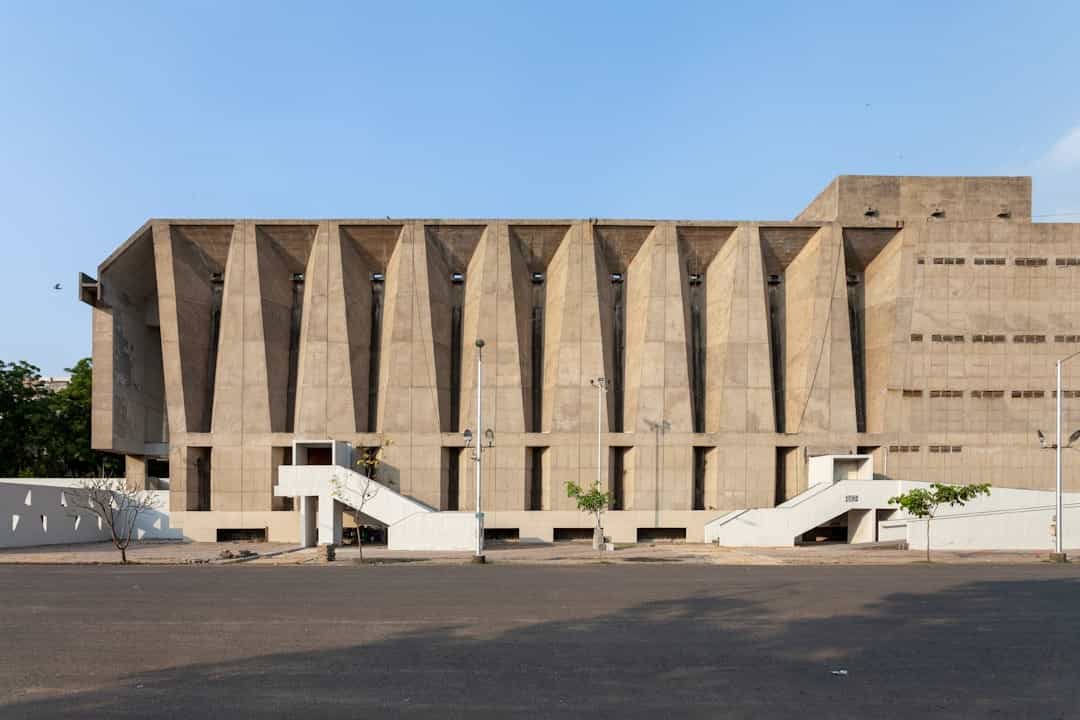
Ahmedabad (founded 1411 CE by Sultan Ahmad Shah) is one of India's major historic cities and was designated a UNESCO World Heritage City in 2017. It is important for its rich Indo-Islamic and Hindu architectural heritage, its role in the Indian freedom movement (Sabarmati Ashram was Mahatma Gandhi's base), and as a long-standing center of textile production — often called the Manchester of India. The city also blends traditional craft and contemporary urban development (e.g., Sabarmati Riverfront), making it a living example of evolving urban heritage.
Last updated: 23 Oct 2025
Places to visit
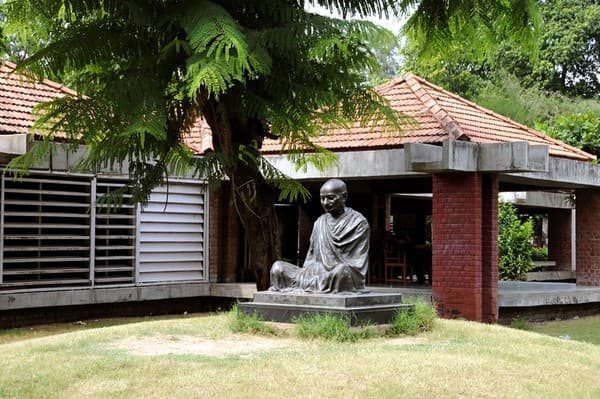
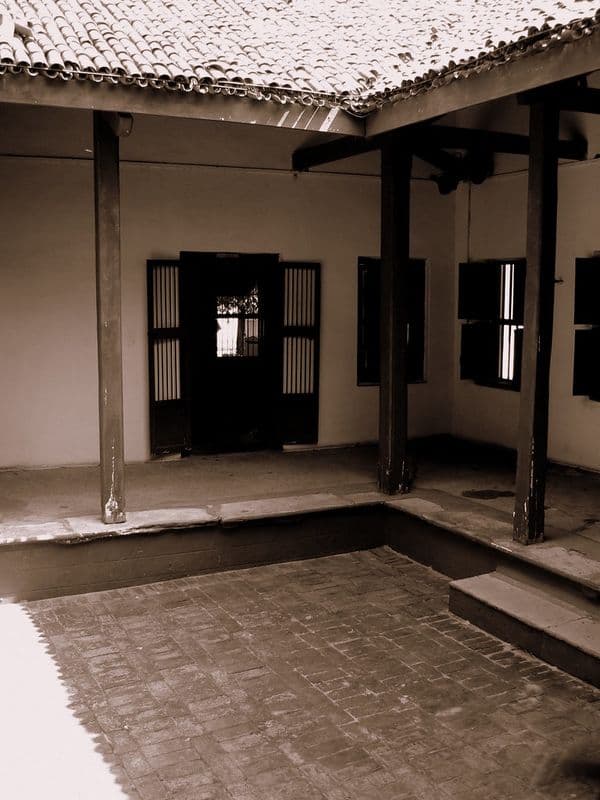
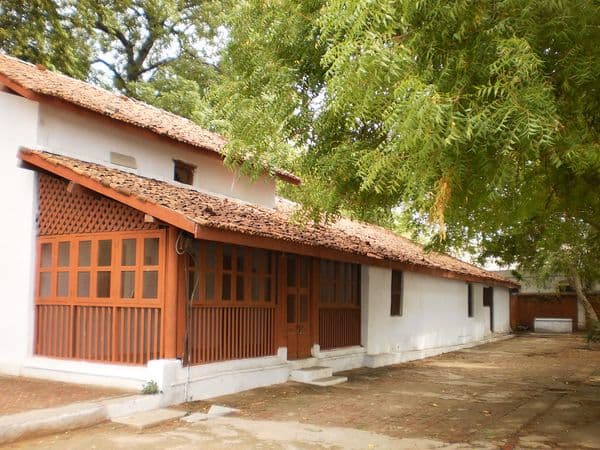
- Sabarmati Ashram (Gandhi Ashram) – Gandhi's residence and museum
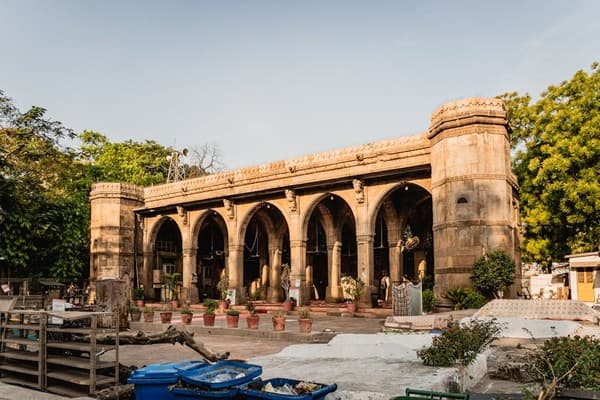
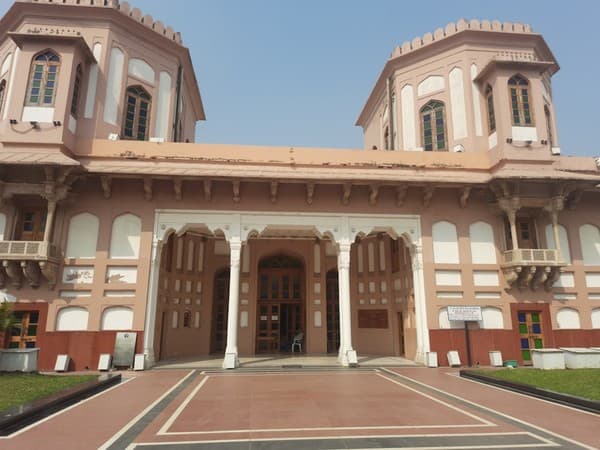
- Jama Masjid – 15th-century mosque noted for its architecture
- Sidi Saiyyed Mosque – famous for the intricate 'Tree of Life' jali
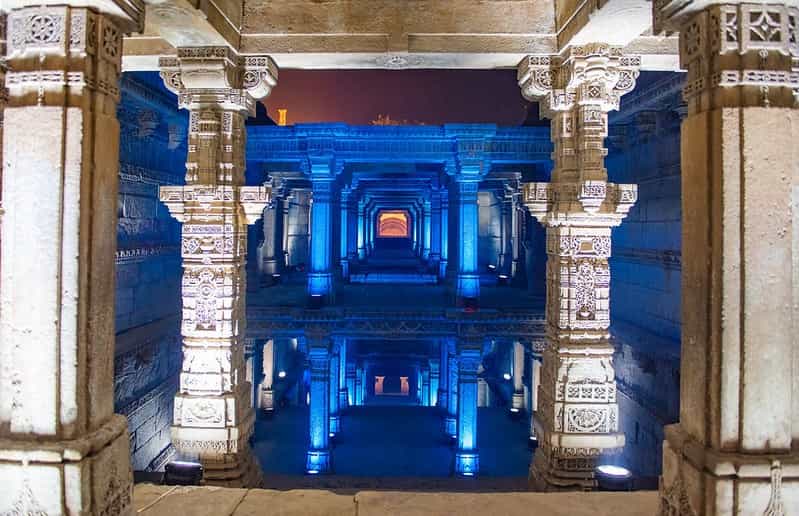
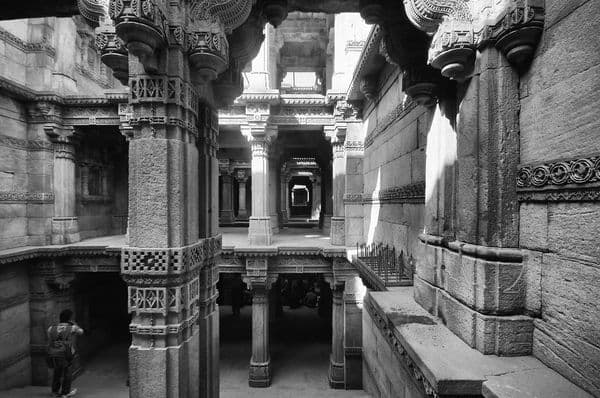
- Adalaj Stepwell (Adalaj ni Vav) – ornate 15th-century stepwell
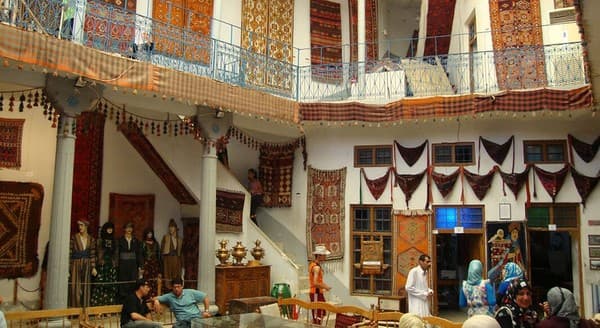
- Calico Museum of Textiles – one of the world’s finest textile collections (visit by prior appointment recommended)
- Bhadra Fort & Teen Darwaza – historic precincts in the old city
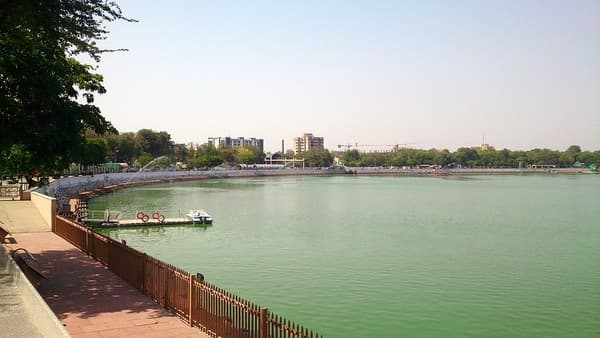
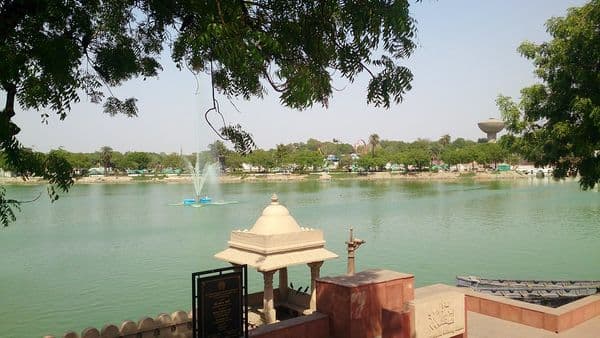
- Kankaria Lake – recreational lake with zoo, toy train and evening promenades
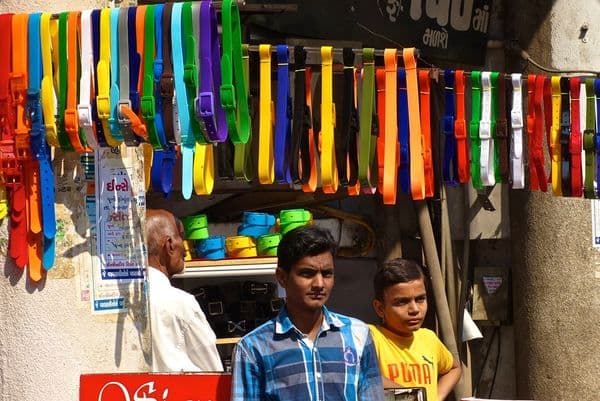
- Manek Chowk – daytime market and famous night food market
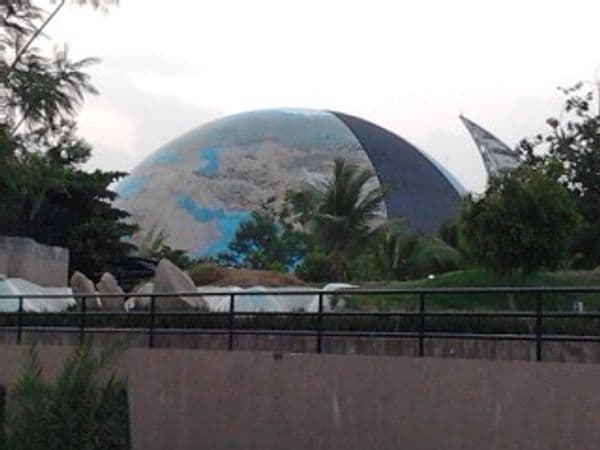
- Science City – interactive exhibits, IMAX and amusement attractions
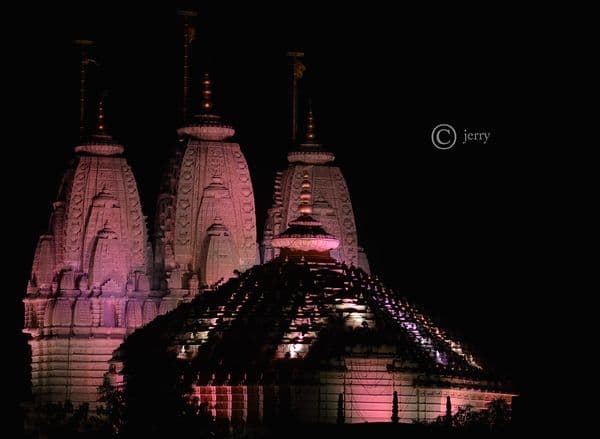
- Akshardham Temple (Gandhinagar area) and nearby attractions
Unique Aspects
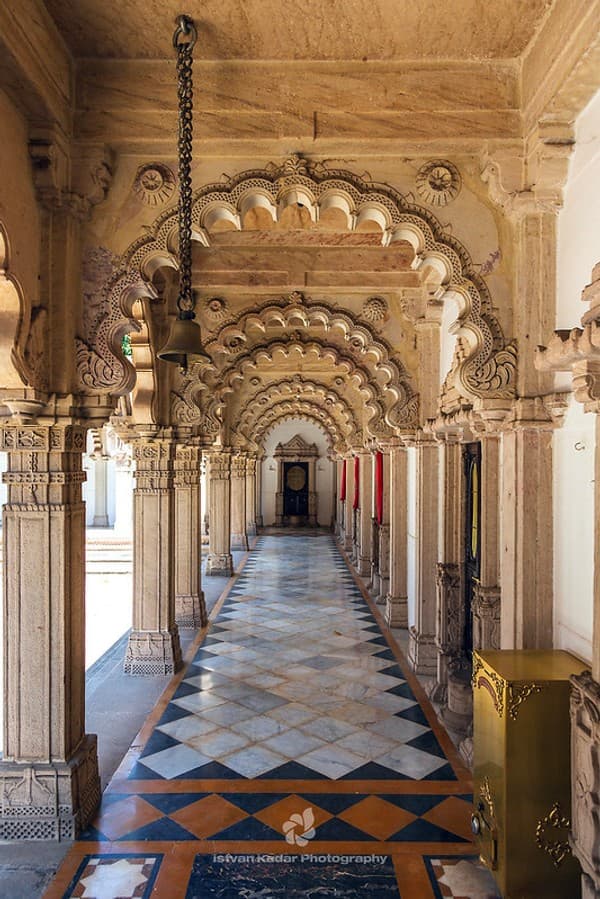
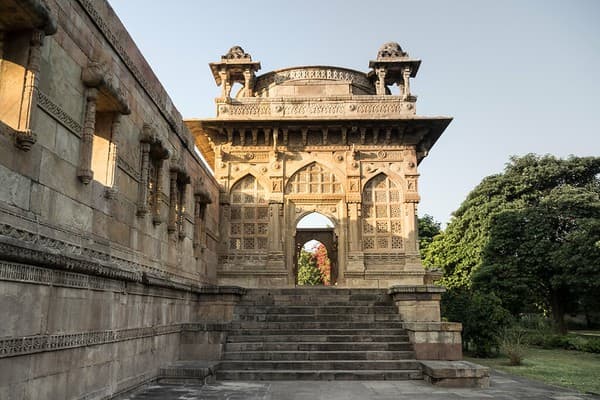
- Rich Indo-Islamic and Jain architecture with carved stonework and jalis
- Extensive textile heritage (bandhani, patola, block printing; Calico Museum)
- Vibrant street food culture and night markets (Manek Chowk, Law Garden)
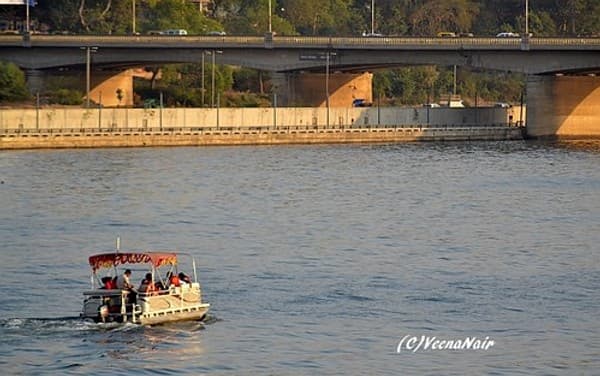
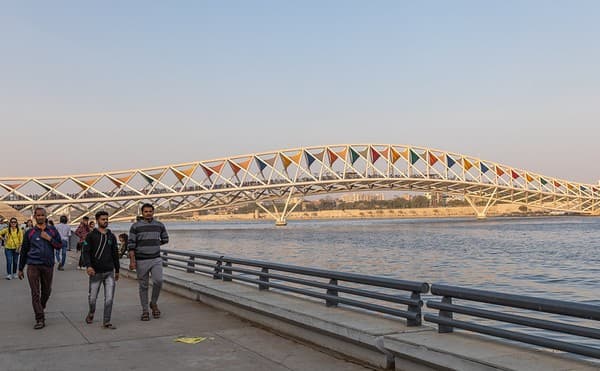
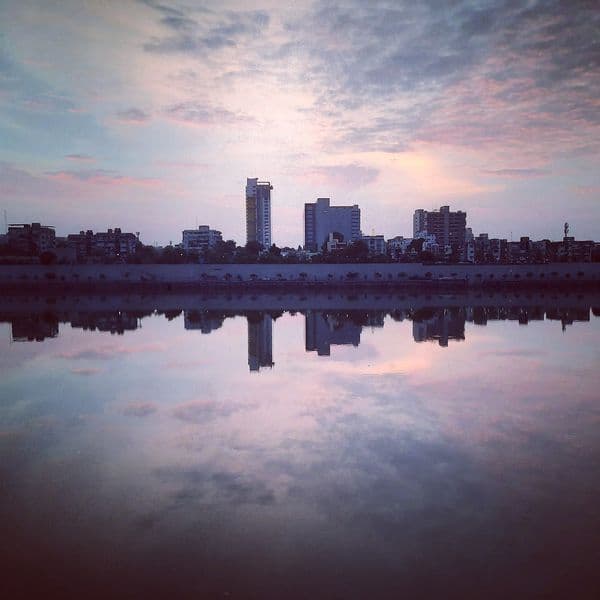
- Sabarmati Riverfront — urban renewal and public spaces
- Traditional festivals with mass participation (Garba & Kite Festival)
Things to do
- Heritage walks through the walled old city (guided walking tours)
- Visit Sabarmati Ashram for history and reflective riverside strolls
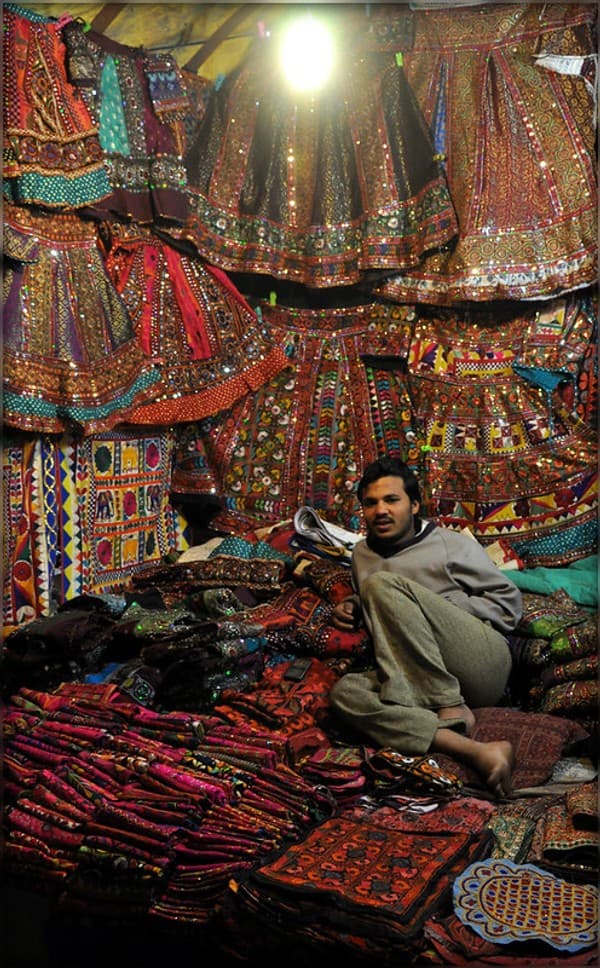
- Textile and craft tours (Calico Museum, local workshops, textile markets)
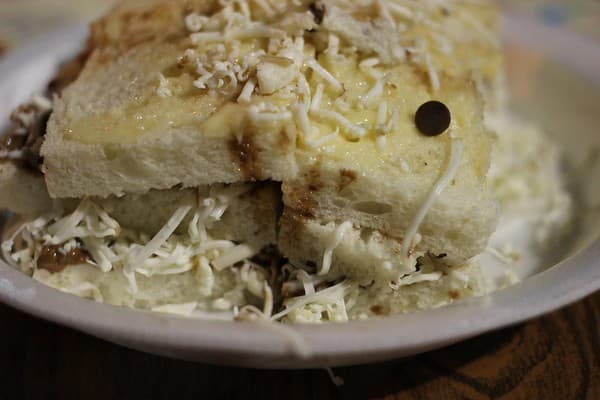
- Food tours — sample Gujarati thali, dhokla, fafda, khandvi and Manek Chowk street food
- Attend or watch Garba dance during Navratri and kite-flying at Uttarayan
- Boat rides and leisure time at Kankaria Lake
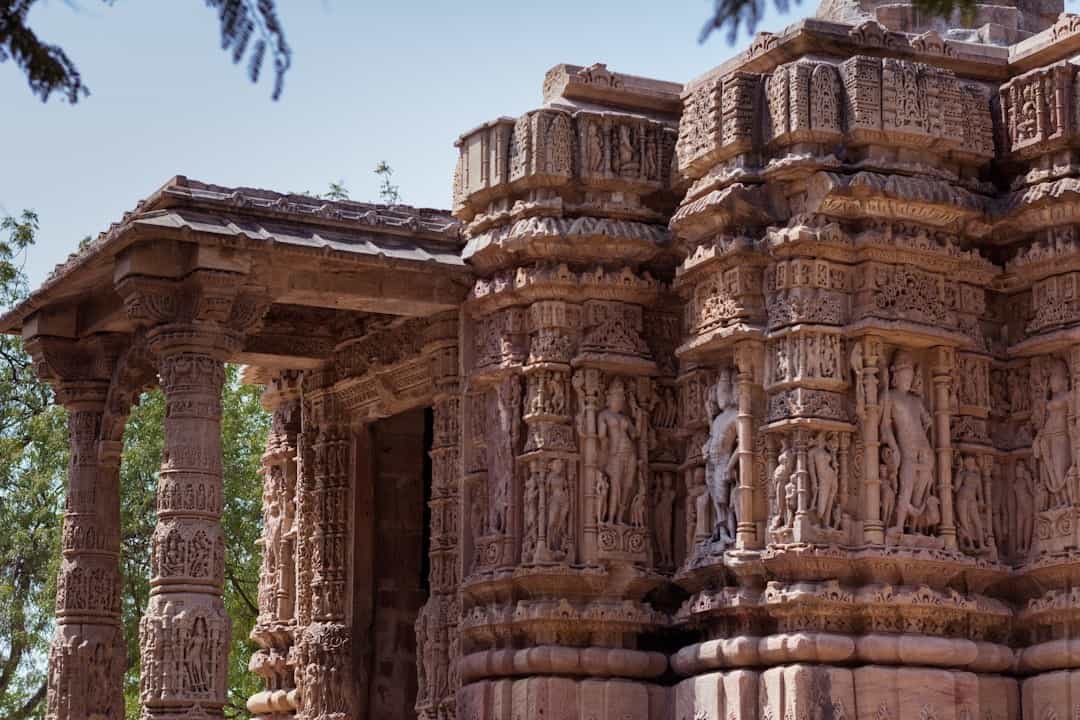
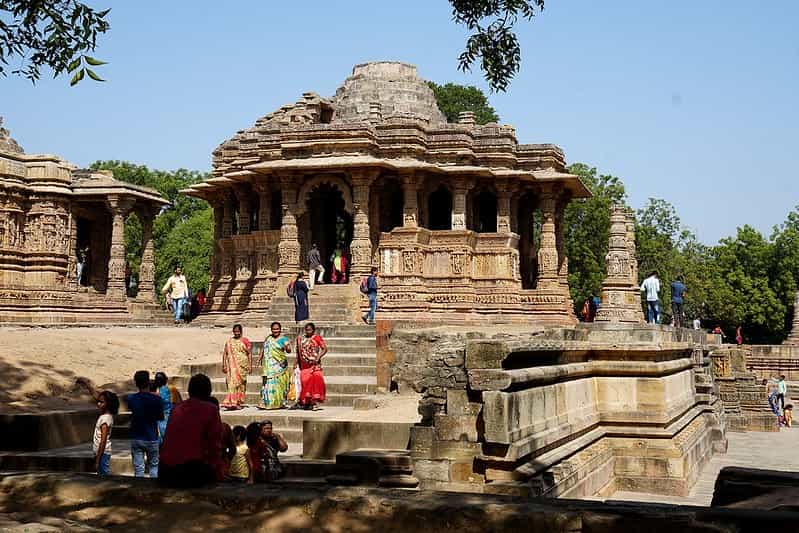
- Day trips to Modhera Sun Temple, Patan (Rani ki Vav) and the Great Rann of Kutch
Festivals & Events
- Navratri / Garba (Sept–Oct) – one of the largest Garba celebrations in India
- Uttarayan / International Kite Festival (Jan 14) – massive kite-flying celebrations
- Cultural performances and exhibitions at local venues and the riverfront throughout the year
Best Time to Visit
October to February — pleasant weather, festival season (Navratri, Uttarayan); ideal for walking and outdoor activities.
Weather Conditions
Summers (Apr–Jun) are very hot often exceeding 40°C; monsoon (Jun–Sep) brings humidity and showers; winters (Nov–Feb) are mild and comfortable (10–25°C).
Accessibility
Nearest airport: Sardar Vallabhbhai Patel International Airport (AMD). Major rail hub: Ahmedabad Junction (Kalupur). City transport includes municipal buses, Ahmedabad BRTS, auto-rickshaws, app taxis (Ola/Uber), and an operational Ahmedabad Metro corridor. Many heritage sites are clustered in the old city and are best reached on foot or by short rickshaw rides; the Sabarmati Riverfront and Kankaria are well-connected by road.
Recommended Duration
2–4 days to cover the main city highlights; add 1–2 days for nearby day trips (Modhera, Patan, Kutch seasonally).
Clothing & Gear Tips
Carry light, breathable clothing for hot months; a light jacket for winter evenings. Wear comfortable walking shoes for heritage walks. Dress modestly when visiting religious sites (shoulders/knees covered). Carry sunscreen, a hat, and a reusable water bottle.
Local Food & Souvenirs
Must-try foods: Gujarati thali, dhokla, khandvi, fafda-jalebi, undhiyu (seasonal), pav bhaji and street snacks at Manek Chowk. Souvenirs: bandhani and patola textiles, block-printed fabrics, embroidered garments, handicrafts, and traditional silver/brass items. For textile enthusiasts, locally woven shawls and fabrics from the Calico/ Textile markets are excellent buys.
Things to Do near Ahmedabad
Places near Ahmedabad