Dachigam National Park safari (Hangul, Himalayan fauna)
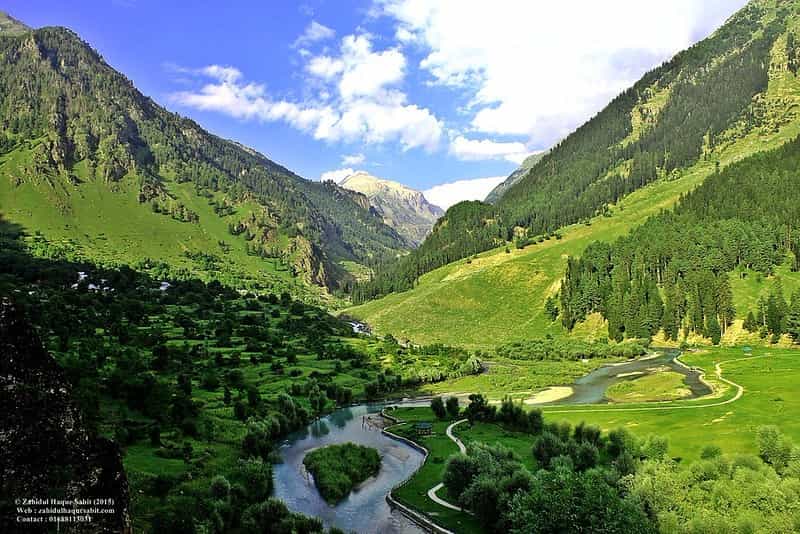
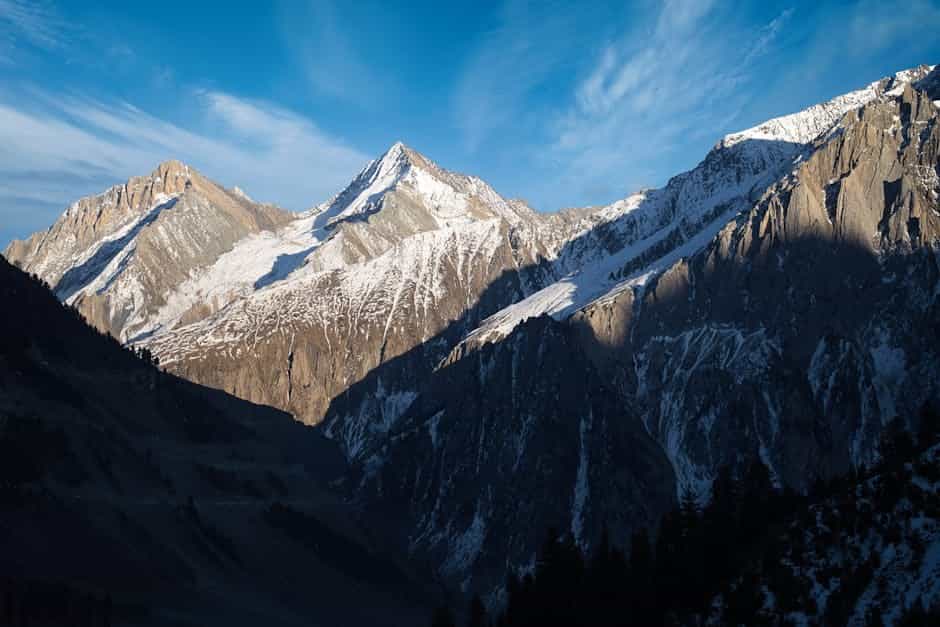
Dachigam National Park is the premier protected area near Srinagar, Kashmir, best known as the last stronghold of the endangered Hangul (Kashmir stag). The park's varied habitats — river valleys, oak and conifer forests, alpine meadows and rocky ridges — support a rich assemblage of Himalayan fauna, including Himalayan black bear, musk deer, Himalayan serow, and a variety of raptors and high-altitude passerines. A Dachigam safari combines wildlife viewing, scenic landscapes and birdwatching in a compact visit from Srinagar.
Location
Dachigam National Park, Near Srinagar, India
Duration
Options: Half-day (3–4 hours) early-morning or late-afternoon safari; Full-day (6–8 hours) safari with short treks and extended birdwatching.
Best Time to Visit
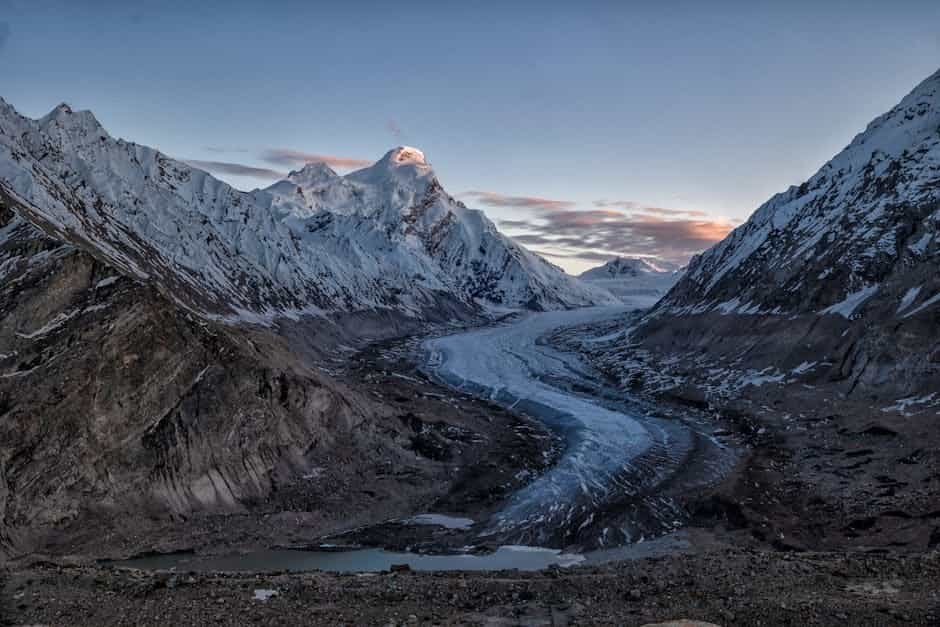
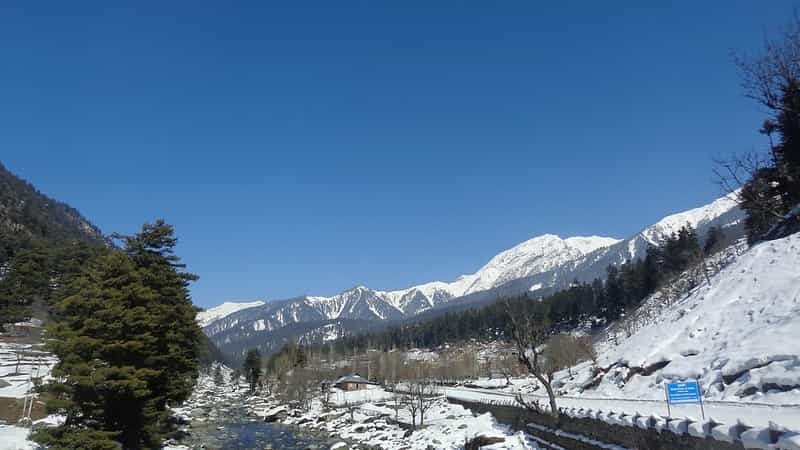
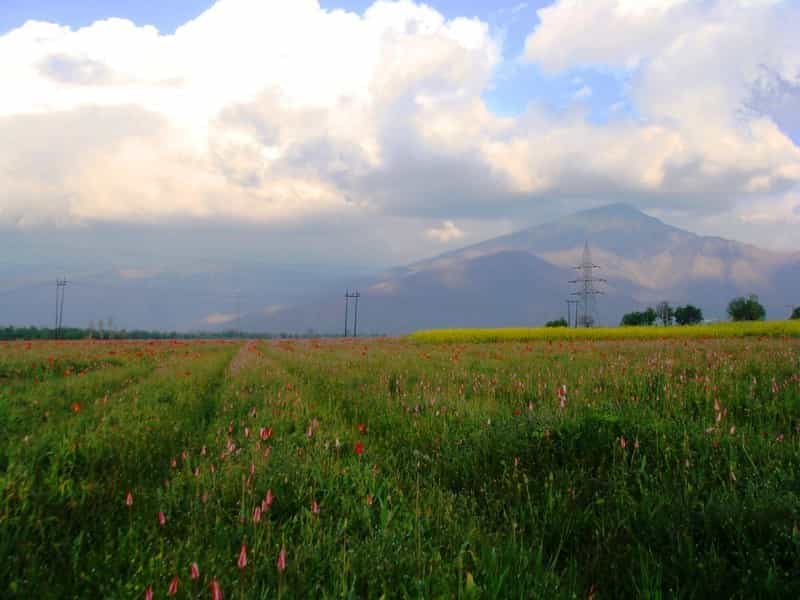
April to October (best windows: April–June for spring growth, wildflowers and newborn fauna; September–October for clear weather and active wildlife). Winter (Nov–Mar) brings heavy snow; access is limited and many trails are closed.
Pricing
Approximate pricing (subject to change; confirm with Jammu & Kashmir Forest Department or authorised operators):
- Permit / entry fee: INR 200–500 per person (Indian); INR 500–1500 per person (foreign nationals)
- Guide fee: INR 500–1,500 (group or per guide per day)
- Vehicle / transfer (Srinagar return): INR 1,200–3,000 depending on vehicle type and group size
- Full-day private safari package (including permits, guide, vehicle): INR 2,000–6,000 per person (approx.) Note: Prices vary with season, group size and whether you book privately or through a lodge. Advance booking recommended in peak season.
Activity Type
Coordinates
Highlights
See the endangered Hangul (Kashmir stag) in its remaining stronghold
Good chance to spot Himalayan black bear, musk deer and Himalayan serow
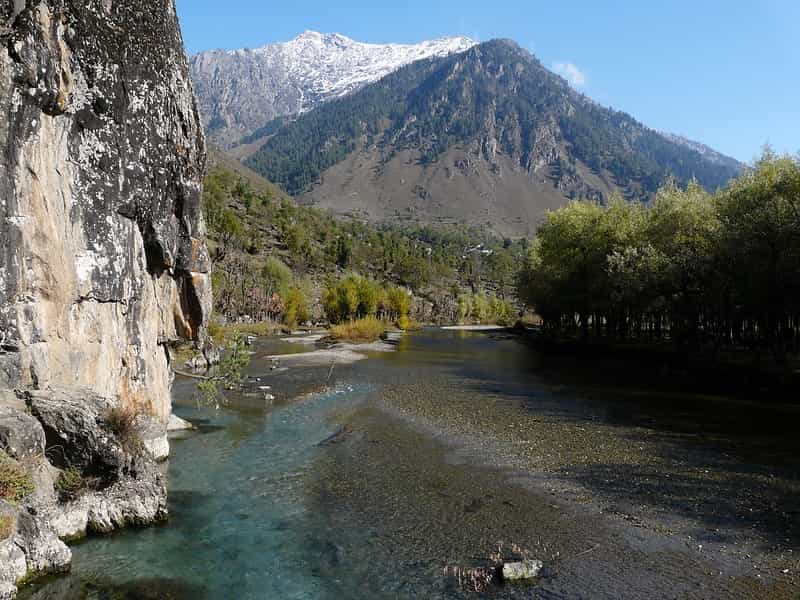
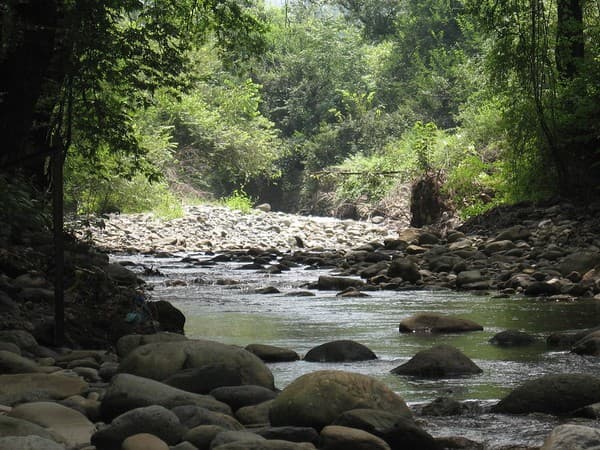
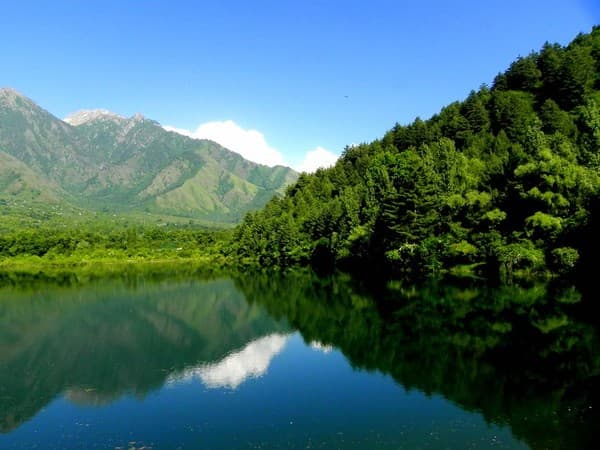
Scenic alpine meadows, oak-conifer forests and Himalayan stream valleys
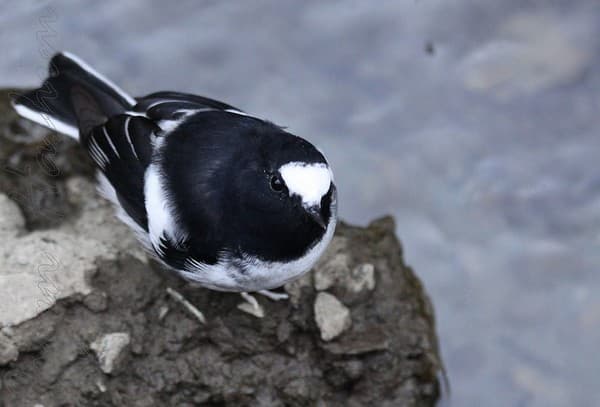
Excellent birdwatching: raptors, pheasants and high-altitude passerines
Short, accessible drives and treks from Srinagar — ideal for day visits
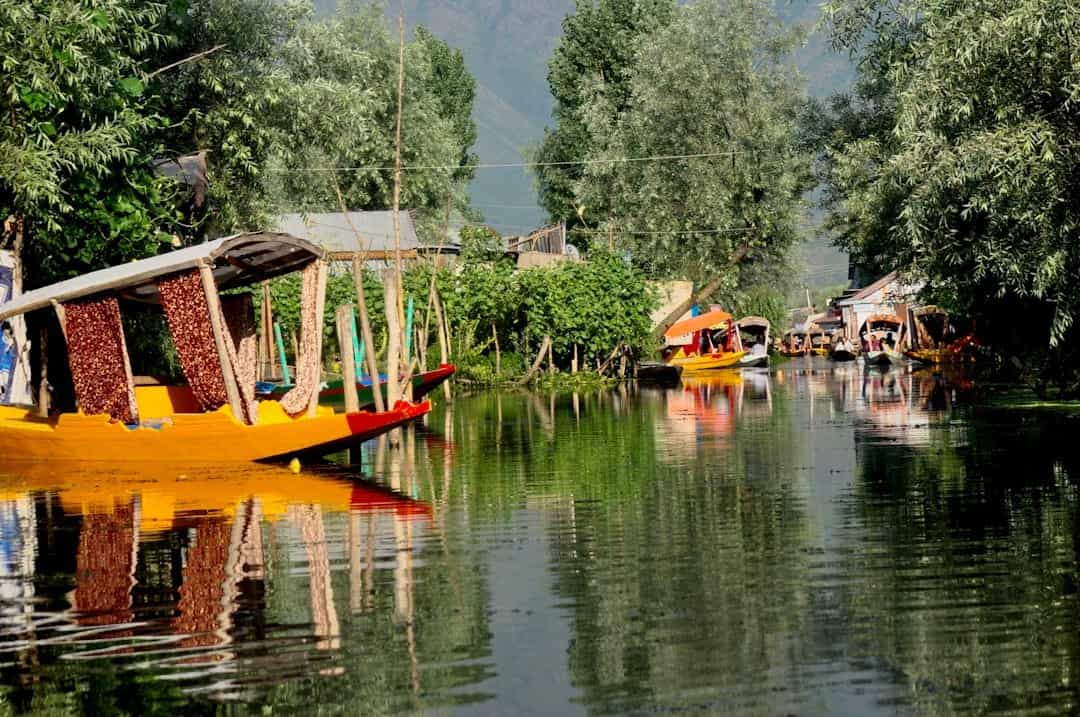
Cultural context: proximity to Srinagar allows combining with Dal Lake and Mughal gardens
Itinerary
Pickup from Srinagar (hotel/houseboat). Drive to Dachigam entry gate with forest department formalities.
Early-morning start increases chances of mammal sightings (Hangul active at dawn). Carry permit and ID.
Guided early-morning safari / short trek along designated trails and viewpoints.
Stay quiet and follow the guide. Binoculars and a telephoto lens recommended. Comfort stop if needed.
Return toward lower park zones; birdwatching and stop at scenic meadows/streamside.
Light snack or packed breakfast. Watch for pheasants and raptors on ridgelines.
Drive back to Srinagar; drop-off at hotel/houseboat.
Option: extend to a full-day with picnic and further trekking in permitted zones (requires additional permissions and guide time).
Safety Requirements
Obtain and carry required permits from Jammu & Kashmir Forest Department; follow all entry restrictions.
Always be accompanied by a registered forest guide; do not venture off designated trails.
Keep a safe distance from wildlife — never feed or approach animals (especially Hangul and bears).
Dress in layers for rapidly changing mountain weather; carry rain protection and sun protection.
Carry sufficient water, snacks, and a basic first-aid kit; let your guide know of medical conditions.
Altitude and uneven terrain may affect some visitors — go at your own pace and inform the guide if you feel unwell.
Mobile coverage may be limited; share your itinerary with lodge/host and expected return time.
Tips
Best viewing times: Early morning and late afternoon.
Bring a good pair of binoculars and a telephoto lens (200mm+ recommended for photography).
Wear muted, non-reflective clothing (earth tones) to avoid startling wildlife.
Book permits and a registered guide in advance, especially in peak season (Apr–Jun, Sep–Oct).
Combine Dachigam with a stay in Srinagar to enjoy Mughal gardens and Dal Lake before/after the safari.
Respect park rules: no littering, no smoking, and follow the guide’s instructions at all times.
If you are a serious wildlife photographer, check seasonal restrictions and consider an extended stay for higher sighting probability.