Hokersar Wetland birdwatching (winter migratory birds)
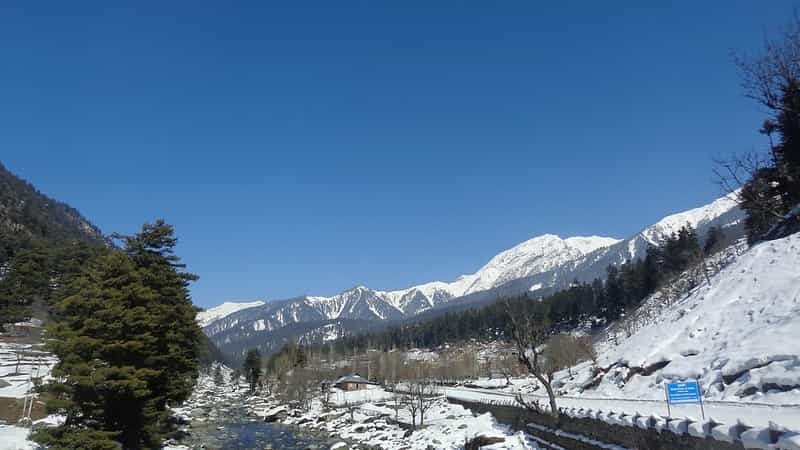
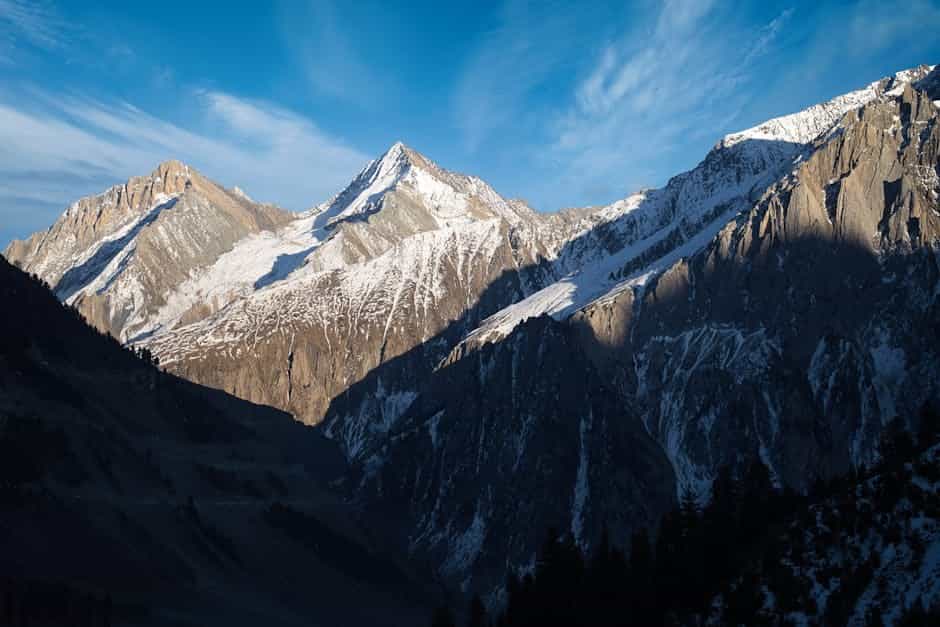
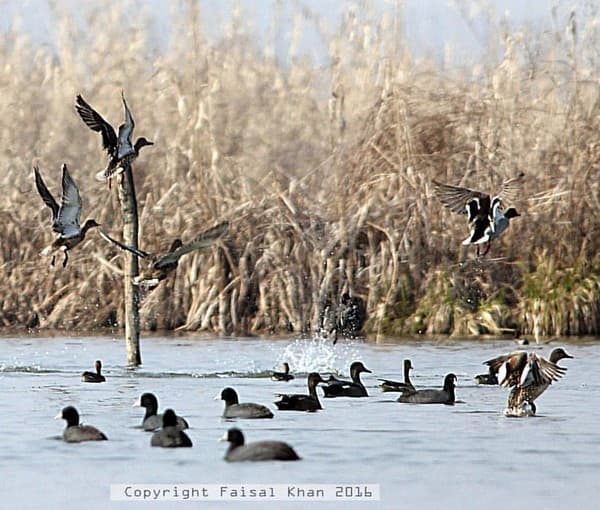
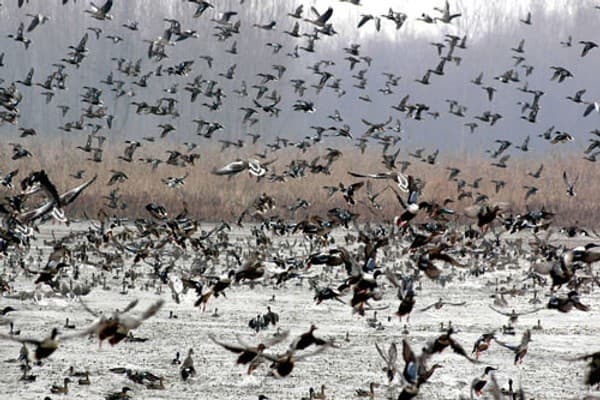
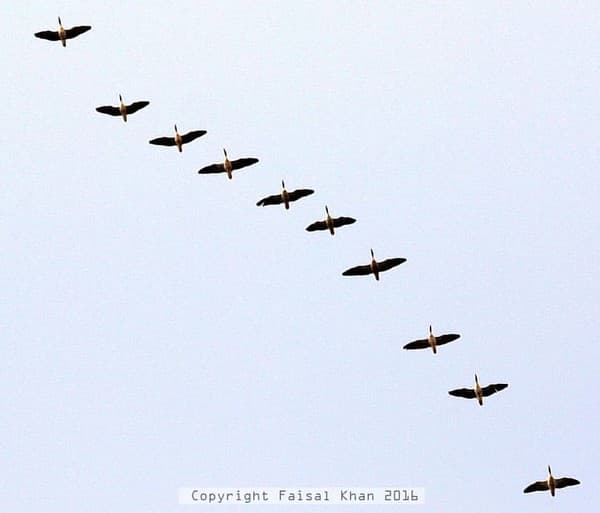
Hokersar Wetland is a Ramsar-listed marshland on the outskirts of Srinagar (approximately 10–15 km north of the city) and is one of Kashmir's most important wintering grounds for migratory waterfowl. In winter (November–February) the shallow marshes, reedbeds and seasonal pools attract thousands of ducks, geese, waders and other waterbirds arriving from Central Asia and Siberia. A visit offers excellent lowland wetland birding, spectacular flocks of waterfowl, and photo opportunities against the backdrop of the Pir Panjal and Zabarwan ranges.
Location
Hokersar Wetland / Hokersar Bird Sanctuary, Srinagar (outskirts), India
Duration
Half-day (3–5 hours) recommended; full day possible for photographers and birders.
Best Time to Visit
Peak: November to February (winter migratory season). Early winter months often see the largest concentrations; late afternoons and early mornings are best daily times.
Pricing
Typical costs (approximate): Low or no formal entry fee for the sanctuary itself. Expect transport (taxi or shared cab from Srinagar) INR 300–1500 depending on vehicle; local guide INR 800–2000 for a half-day; spotting-scope rental if available INR 200–500. Boat/coracle rides (if arranged locally) extra. Prices vary seasonally and by provider.
Activity Type
Coordinates
Highlights
Large wintering flocks of ducks and geese (thousands in good years)
Common species: Northern Pintail, Mallard, Common Teal, Eurasian Wigeon, Gadwall
Notable visitors: Bar-headed Goose, Common Pochard, Ferruginous Duck, and various dabbling and diving ducks
Waders and shorebirds: Common Snipe, Ruff, Greenshank (seasonal)
Raptors and others: wintering harriers, marsh harriers, and occasional sightings of other raptors
Ramsar wetland with reedbeds, marsh pools and rich aquatic vegetation
Good opportunities for photography and nature study against scenic mountain backdrops
Itinerary
Drive from Srinagar to Hokersar (allow 30–60 minutes depending on starting point). Arrive before sunrise for the best bird activity and soft light.
Carry thermals and hot drink; birds are most active at dawn. Park near designated viewing/entry points.
Walk/scan from hides and low embankments; use binoculars and spotting scope to scan open water and reed margins.
Keep to marked paths, avoid trampling reedbeds. A local guide can help locate concentrated flocks and identify species.
Visit nearby channels and smaller pools; possible short boat/coracle ride if arranged locally.
Boat rides may give different perspectives but check availability and weather; avoid approaching roosting birds too closely.
Return to Srinagar or continue to nearby wetlands and parks (e.g., Dal Lake outskirts) for complementary birding.
Warm up and change layers—mornings are cold in winter; prepare for mud on pathways.
Safety Requirements
Dress for cold winter weather—layers, insulated jacket, hat and gloves.
Wear waterproof boots or waders — paths and marsh edges can be muddy and slippery.
Maintain distance from birds; do not disturb roosting or feeding flocks.
Follow local sanctuary rules and signage; some areas may be seasonally closed for bird protection.
If using a boat, ensure life jackets are available and the operator follows safety norms.
Tips
Bring optics: good binoculars (8–10x) and a spotting scope if possible; camera with telephoto lens for photography.
Hire a local guide/ornithologist for best results—guides know current hotspots and species concentrations.
Start early to catch peak feeding and movement; late afternoon can also be productive.
Carry hot drinks and high-energy snacks; mobile coverage may be patchy—download maps or directions beforehand.
Respect local communities and avoid leaving litter; wetlands are sensitive ecosystems.
Check weather and road access in advance—heavy snow or flooding can affect access in winter.
If you are an international visitor, carry necessary ID and follow local travel advisories for Jammu & Kashmir.