Bikaner, Rajasthan
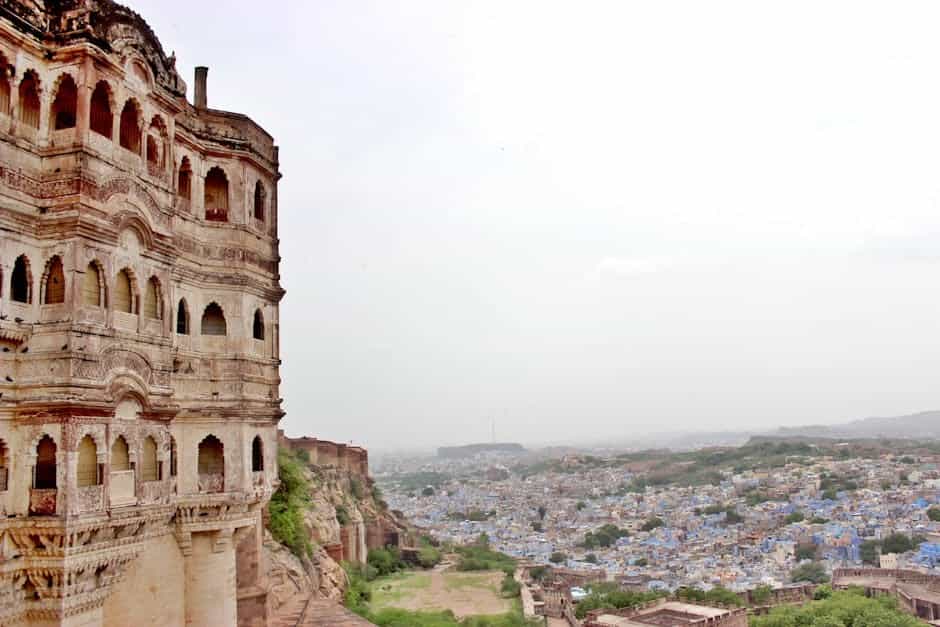
Bikaner, founded by Rao Bika in 1488, is a major historical city in Rajasthan known for its Rajput heritage, well-preserved forts and palaces, and traditional desert culture. It was an important trading and military outpost on camel caravan routes, blending Rajput, Mughal and local influences in its architecture and arts. The region also has ecological importance as part of the Thar Desert landscape, with nearby wildlife and birdlife habitats.
Last updated: 31 May 2026
Places to visit
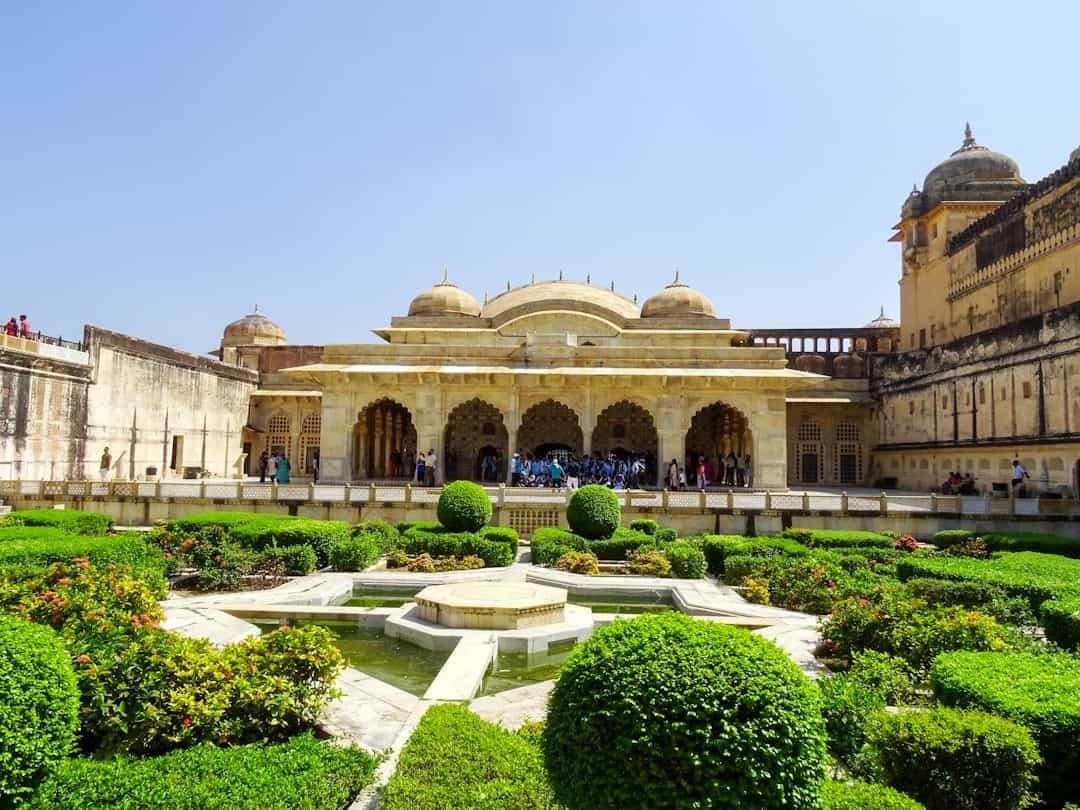
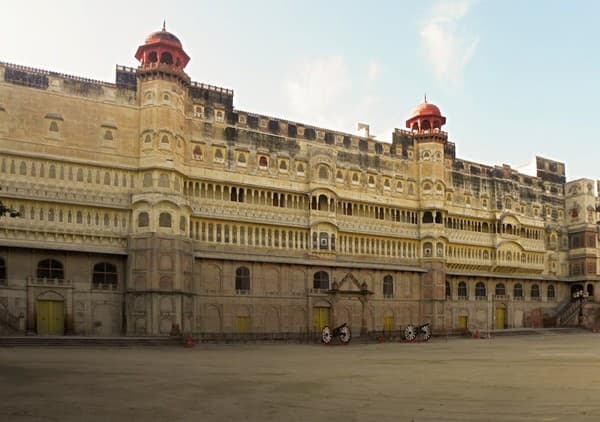
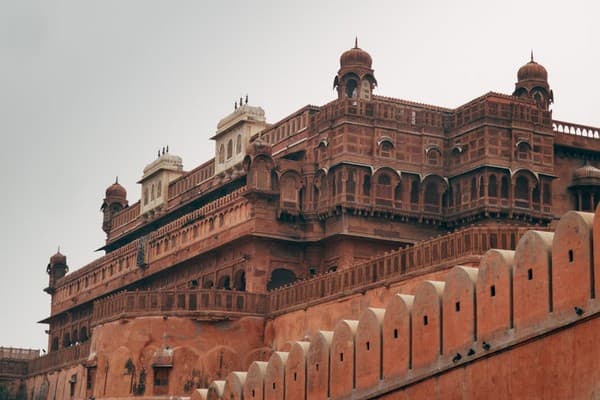
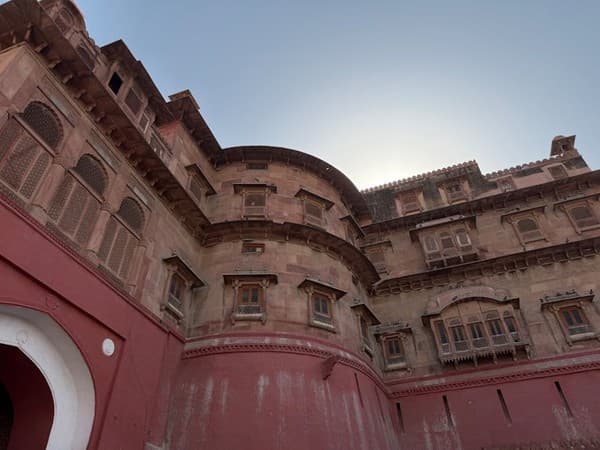
- Junagarh Fort (massive fort with palaces, museums and courtyards)
- Lalgarh Palace and Museum (indoor galleries and striking red sandstone exterior)
- Karni Mata Temple (Deshnok — the 'Rat Temple')
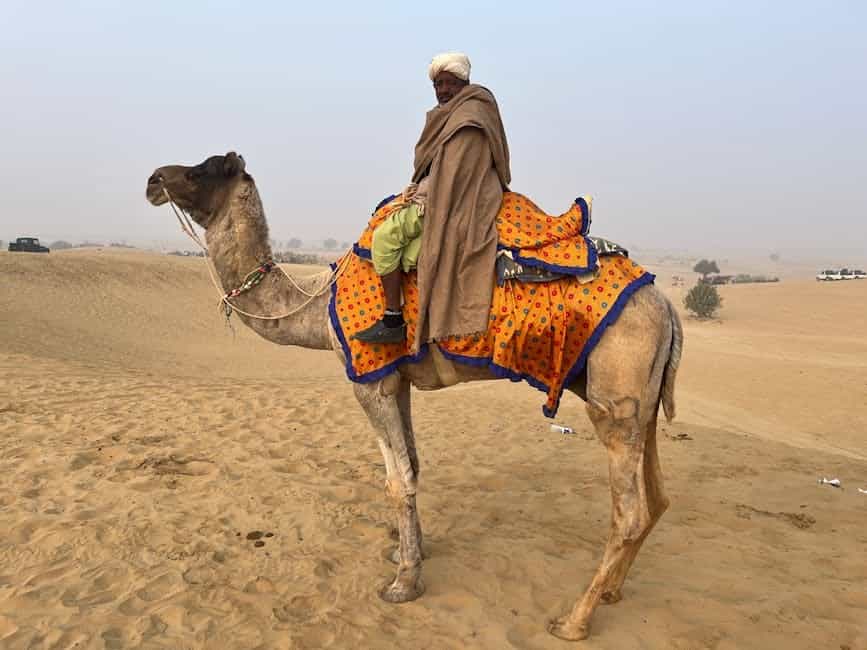
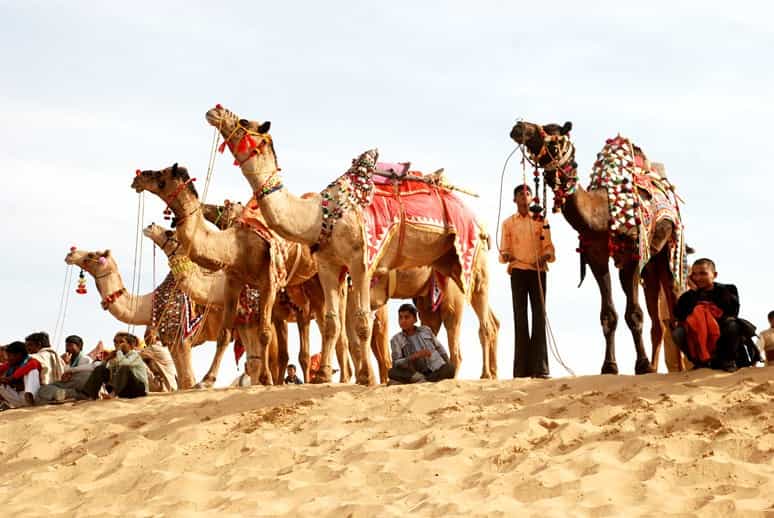
- Camel Breeding Farm and National Research Centre on Camel
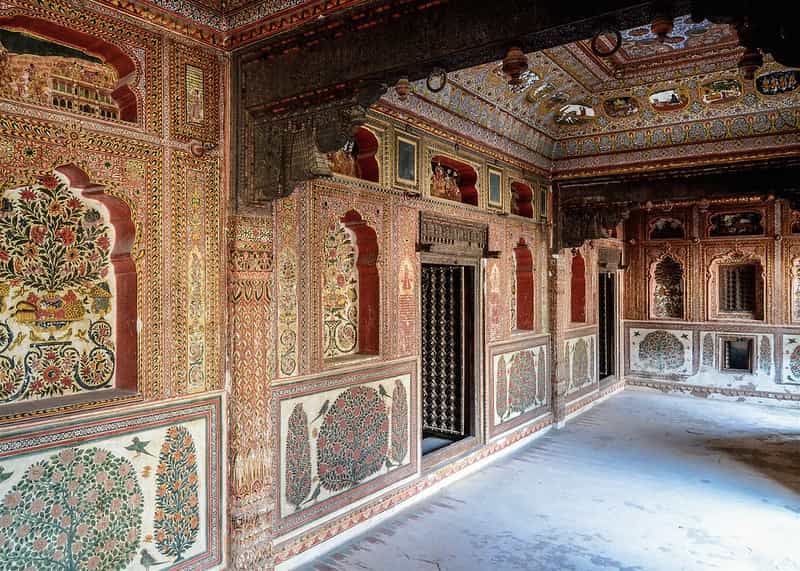
- Rampuria Havelis and traditional merchant houses
- Gajner Palace and Wildlife Sanctuary (nearby)
- Desert landscapes and nearby Desert National Park
- Local bazaars (specialty: Bikaneri bhujia, spices, textiles and handicrafts)
Unique Aspects
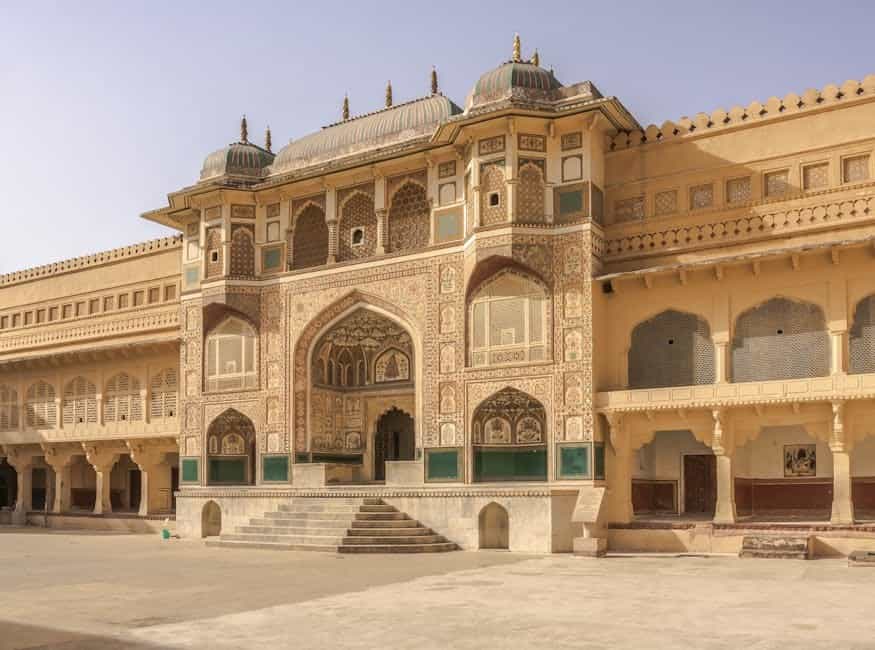
- Rich red-sandstone and sandstone-mortar architecture with frescoes and jali work
- Intricate havelis and merchant mansions featuring frescoes and woodwork
- Camel-centric culture and breeding facilities unique to the region
- Arid desert scenery offering dramatic sunrises/sunsets and photogenic sandscapes
- Distinct local handicrafts: lac bangles, leatherwork, handcrafted mojris (shoes), and snacks like Bikaneri bhujia
Things to do
- Guided tours of Junagarh Fort and Lalgarh Palace
- Heritage walks in old Bikaner and photography of havelis
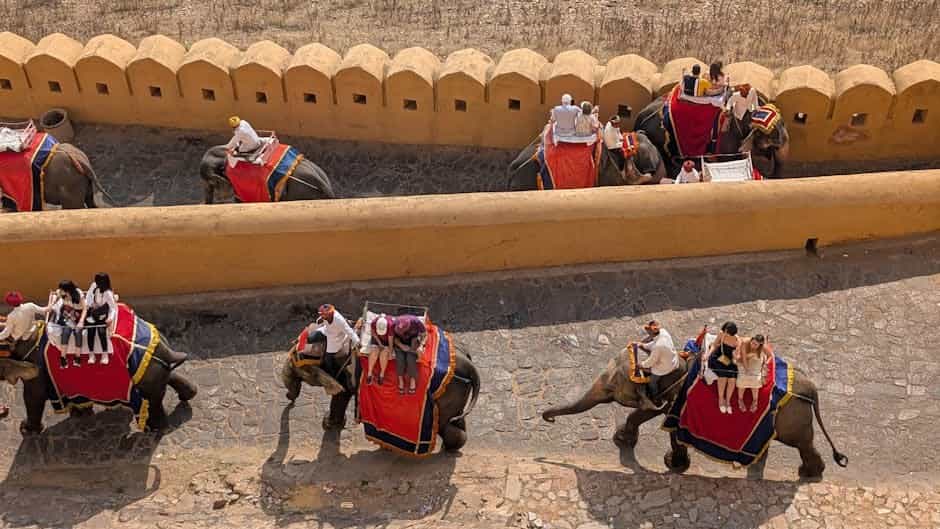
- Camel rides and desert safaris (short excursions outside the city)
- Visiting the Camel Breeding Farm and the National Research Centre on Camel
- Shopping at local bazaars for bhujia, spices, textiles and souvenirs
- Birdwatching and nature walks at Gajner Wildlife Sanctuary
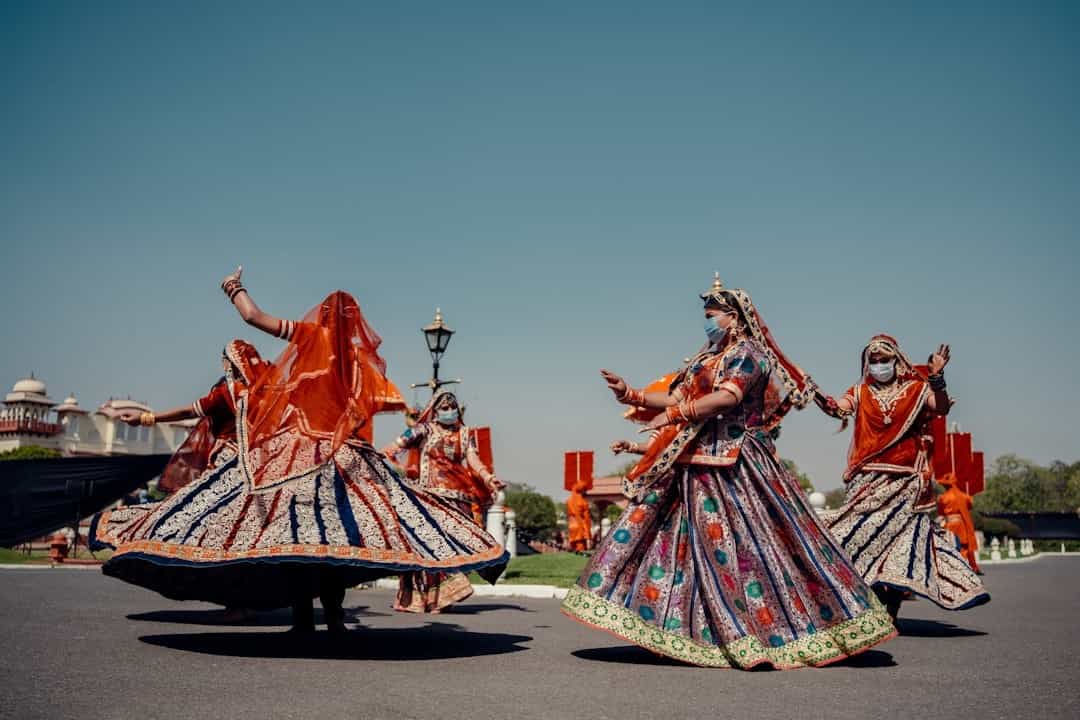
- Attending local cultural performances or palace museums
Festivals & Events
- Bikaner Camel Festival (January–February) — cultural performances, camel races and decorations
- Gangaur celebrations (spring) with traditional processions
- Local celebrations of Diwali and Holi with Rajasthani customs
- Occasional cultural festivals at Lalgarh or public venues — check local listings during your visit
Best Time to Visit
Best time: October to March (cooler, dry weather ideal for sightseeing and festivals). Avoid peak summer months (April to June) when temperatures can be extreme.
Weather Conditions
Hot desert climate: summers very hot (often 40–45°C), winters cool to mildly cold (5–25°C). Low and erratic rainfall concentrated in the monsoon months (July–September).
Accessibility
Nearest airport: Bikaner Nal Airport (limited flights); larger nearby hubs: Jodhpur (by air ~3–4 hours by road) and Jaipur. Major railhead: Bikaner Junction with good rail connections. Road: well-connected by highways; taxis, private cars and state buses serve the city. Within the city: autorickshaws, cycle rickshaws, taxis and app-based cabs for local travel. Note: many historic sites have steps and uneven surfaces; accessibility for wheelchairs may be limited.
Recommended Duration
2–3 days to cover major sights in the city; 4–5 days to include surrounding sanctuaries, camel farms and relaxed exploration or festival attendance.
Clothing & Gear Tips
Lightweight breathable cotton clothing for daytime, warm layers for winter mornings/evenings, comfortable closed shoes for walking on uneven surfaces, sunscreen, sunglasses, a wide-brim hat and a scarf to protect from dust.
Local Food & Souvenirs
Must-try foods: Bikaneri bhujia, spicy snacks, local Rajasthani thali items, sweets and papads. Souvenirs: bhujia (packed for travel), lac bangles, leather goods, handcrafted juttis (shoes), miniature paintings, embroidered textiles and local spices.