Jamia Masjid, Kashmir
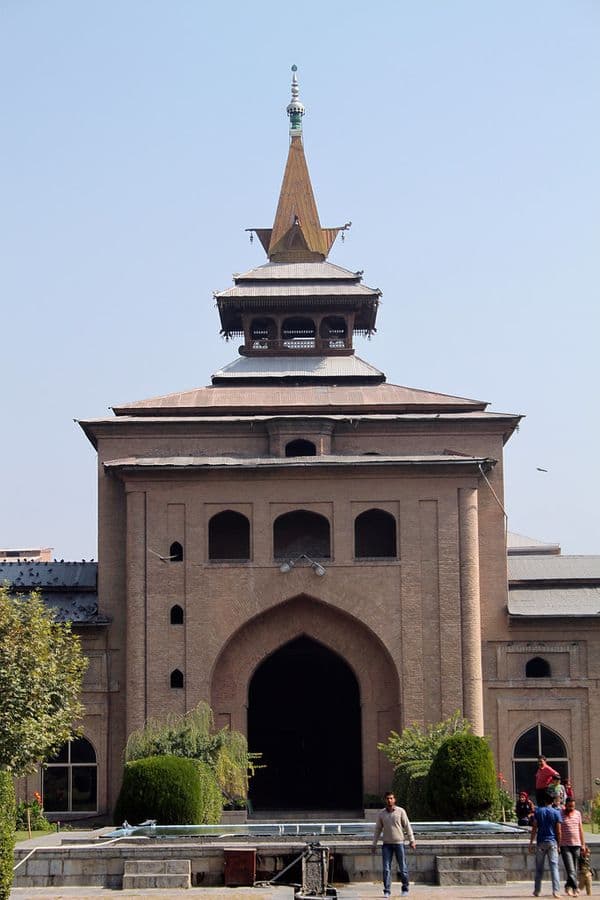
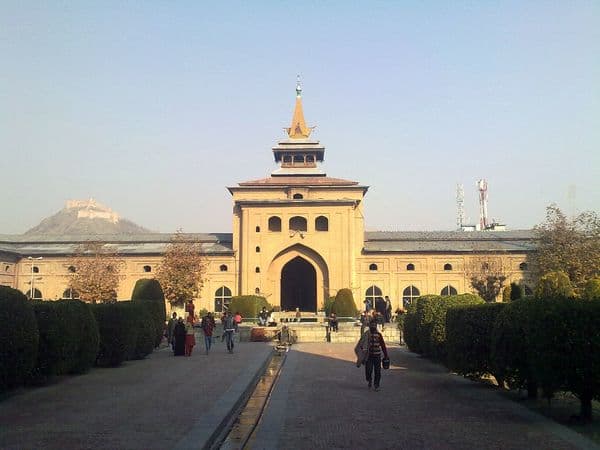
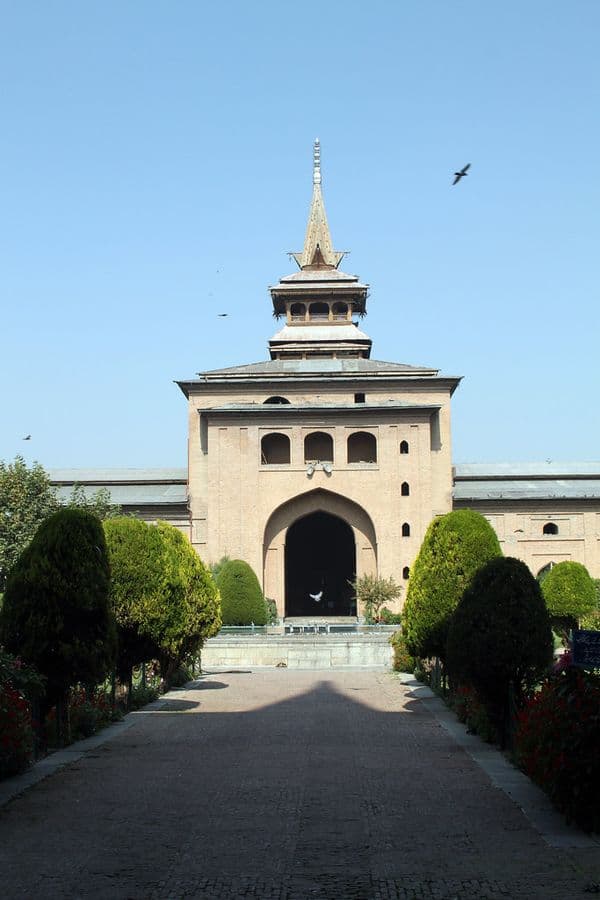
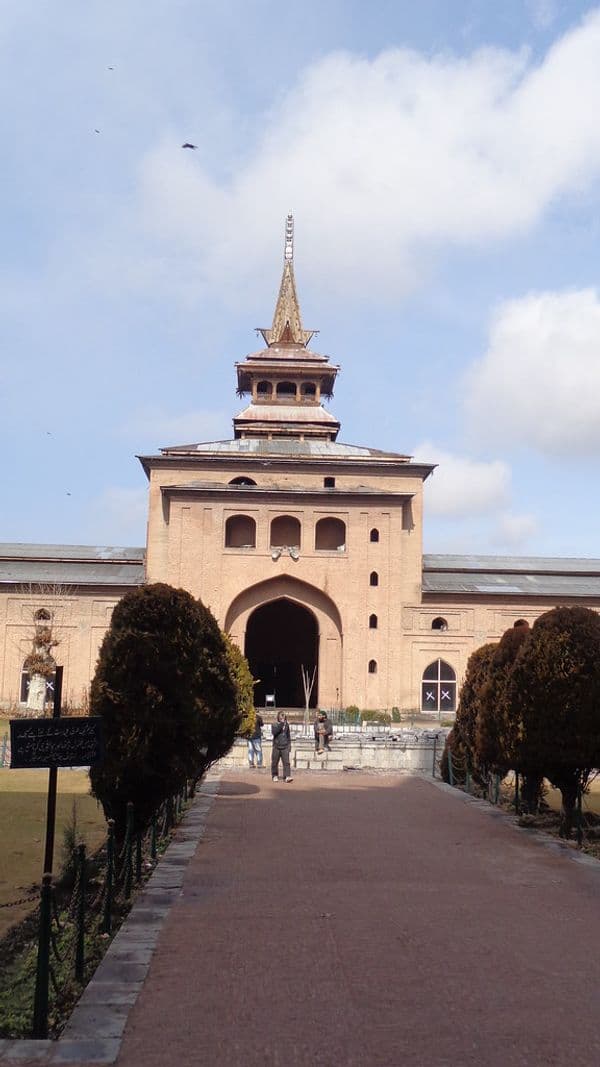
Jamia Masjid (Jama Masjid) in Srinagar, Kashmir is one of the most important and historic Muslim religious sites in the Kashmir Valley. Originally founded in the late 14th century, it has served as a central place of worship, community gathering and political assembly for centuries. The mosque is notable for its traditional Kashmiri wooden architecture and its central role in public religious life — especially the large Friday congregational prayers that bring people from across Srinagar and surrounding areas.
Last updated: 23 Oct 2025
Historic Anecdotes
Local stories emphasize the mosque’s role as a focal point for social and spiritual life in the old city; oral histories recall assemblies and speeches that took place in its courtyard during key moments in Kashmir’s history. There are also traditional accounts about revered local scholars and Sufi figures who taught and prayed at or near the mosque. The mosque’s design and craftsmanship are often described in local lore as a symbol of Kashmir’s blend of Islamic and indigenous woodcraft traditions.
Places to visit
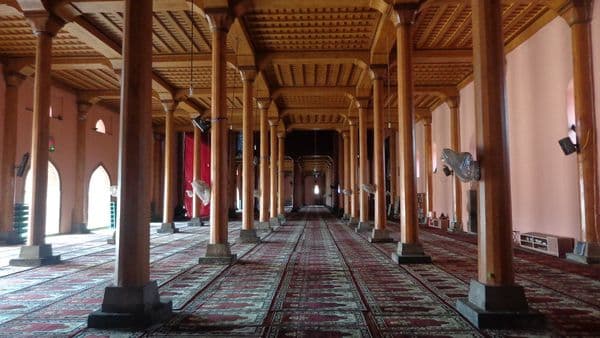
- Main prayer hall with its forest of wooden pillars
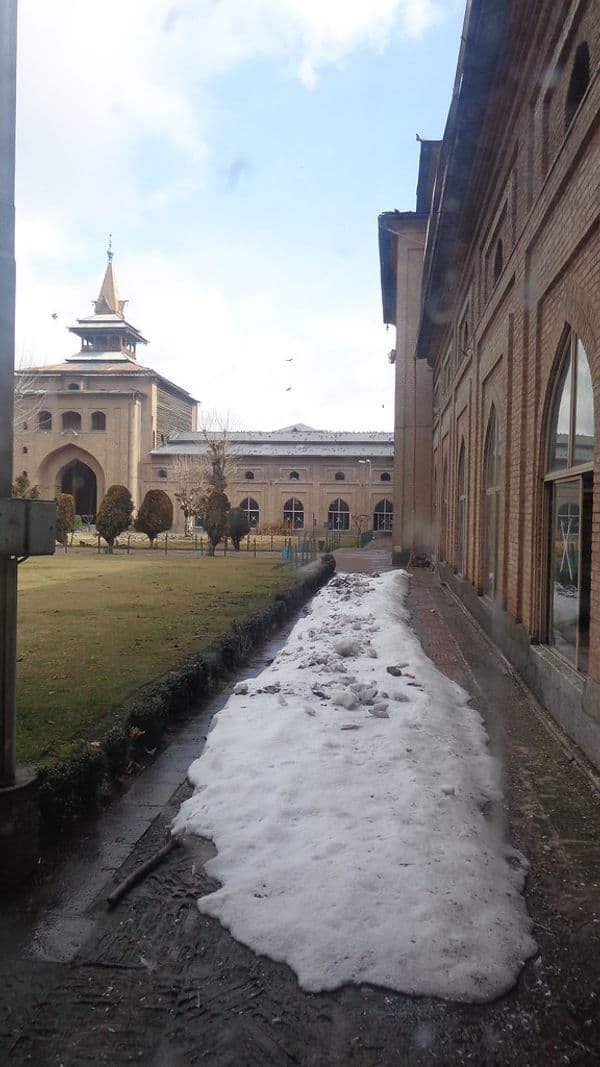
- Expansive central courtyard used for congregational prayers
- The mosque’s distinctive wooden pillars and carved beams (traditional Kashmiri craftsmanship)
- Views and access to the historic Nowhatta neighborhood and nearby bazaars
- Proximity to other historic sites in Srinagar’s old city
Unique Aspects
- Approximately 378 wooden pillars supporting the roof (a distinctive feature of the structure)
- Large rectangular open courtyard designed to accommodate thousands during Jumma (Friday) prayers
- Traditional Kashmiri wooden architecture with ornate carving and a flat-roofed, pagoda-like profile rather than a large central dome
- Historic inscriptions, carved timberwork and painted detailing in some sections
- Integration with the narrow lanes and markets of Nowhatta, giving a strong sense of place
Things to do
- Attend or observe Friday (Jumma) prayers and large congregations (respect local protocols)
- Guided or self-guided exploration of the prayer hall, pillars and courtyard architecture
- Photography of architectural details and street scenes (respectful, and avoid photographing worshippers without permission)
- Walk the adjacent Nowhatta bazaars for local handicrafts and food
- Join or observe religious celebrations during Ramadan and Eid (crowds can be large)
Festivals & Events
- Eid al-Fitr congregational prayers and celebrations
- Eid al-Adha large gatherings
- Ramadan night prayers (Taraweeh) and special communal iftars
- Friday (Jumma) congregational prayer every week — the mosque’s principal weekly event
Best Time to Visit
Late spring through early autumn (April to October) when weather is mild and the city is most accessible. Summers are pleasant; winters (December–February) can be cold and snowy, which may limit local movement.
Weather Conditions
Temperate summers with daytime highs often pleasant (15–30°C depending on month); cold winters with frequent frosts and occasional snowfall. Monsoon influence is limited compared with many parts of India, but occasional rain occurs.
Entry Fees & Permits
No formal entry fee is typically charged. The mosque is open to worshippers daily; visiting hours for tourists and non-worship activities are generally during daylight hours outside peak prayer times. Visitors should avoid entering the main prayer hall during large congregational prayers. Check locally for specific visiting rules or closures (religious services, special events, or conservation work).
Accessibility
Located in the Nowhatta district of Srinagar’s old city. Nearest airport: Srinagar International Airport (Sheikh ul-Alam) approximately 20–25 km by road. Nearest major railway hub: Jammu Tawi (rail link to Srinagar is limited; road travel or the airport are common). Access within the old city is on foot or via small local vehicles (taxis, auto-rickshaws); narrow lanes may be pedestrianized or crowded, so expect some walking from drop-off points.
Recommended Duration
30–60 minutes for a respectful visit and to view the main architectural features; longer if attending services or exploring nearby bazaars.
Clothing & Gear Tips
Modest clothing (covering shoulders and legs); women should carry a headscarf to cover hair while in the mosque and women’s prayer areas if required. Remove shoes before entering prayer areas. Comfortable shoes for walking in narrow lanes and uneven surfaces. A small bottle of water and sun protection for warmer months.
Local Food & Souvenirs
Try Kashmiri tea (kehwa) and local snacks from Nowhatta and nearby markets. Popular local foods include Rogan josh, dum aloo and traditional breads in Srinagar eateries. Souvenirs: Pashmina shawls, saffron, papier-mâché items, walnut woodcraft and hand-embroidered items commonly sold in the old city markets. Respect local vendors and check authenticity for high-value items.