Places to visit in Kashmir
Planning a trip to Kashmir? Here is a complete guide to the best places to visit—from popular tourist attractions to offbeat spots you would not find in every guidebook. Get ready to explore, experience, and fall in love with Kashmir!
Top 70 curated places to visit in Kashmir
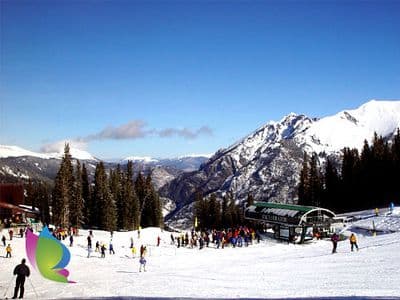
Srinagar
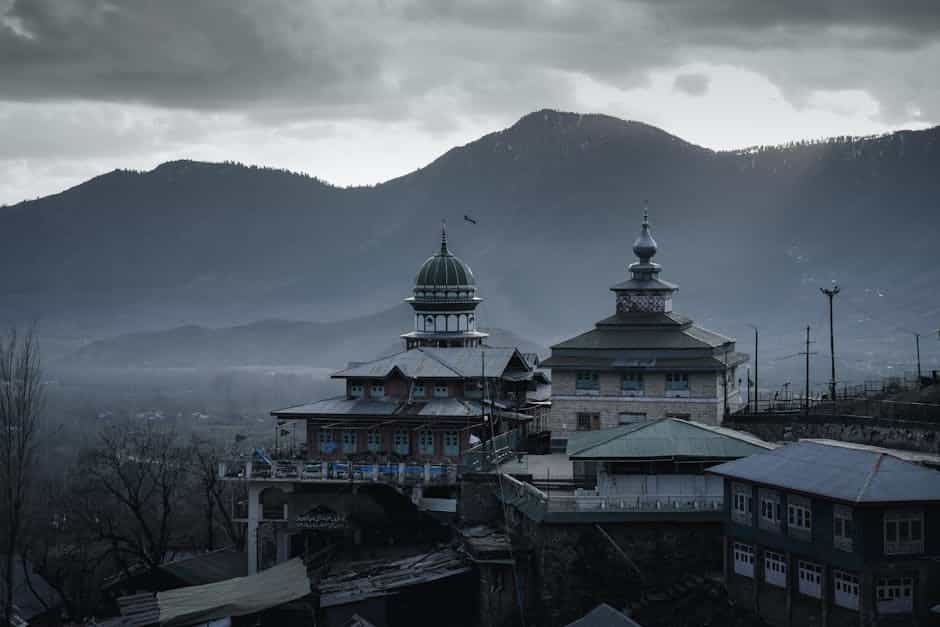
Srinagar is the summer capital of the former princely state of Jammu and Kashmir and a historic city on the banks of the Jhelum River and Dal Lake. It is renowned for its Mughal-era gardens, rich Kashmir Valley culture, centuries-old Sufi and Hindu shrines, and traditional crafts such as Pashmina weaving, papier-mâché and walnut carving. The surrounding Himalayan foothills and wetlands give it significant natural value — notably Dal Lake and the Dachigam National Park which support unique flora and fauna. Srinagar has long been a cultural crossroads and was a pivotal city along historic trade routes into Central and South Asia.
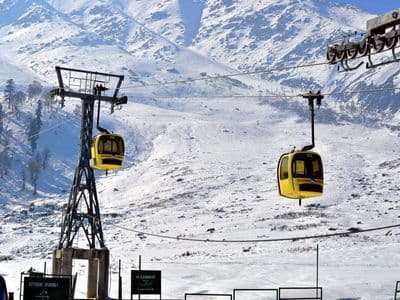
Gulmarg
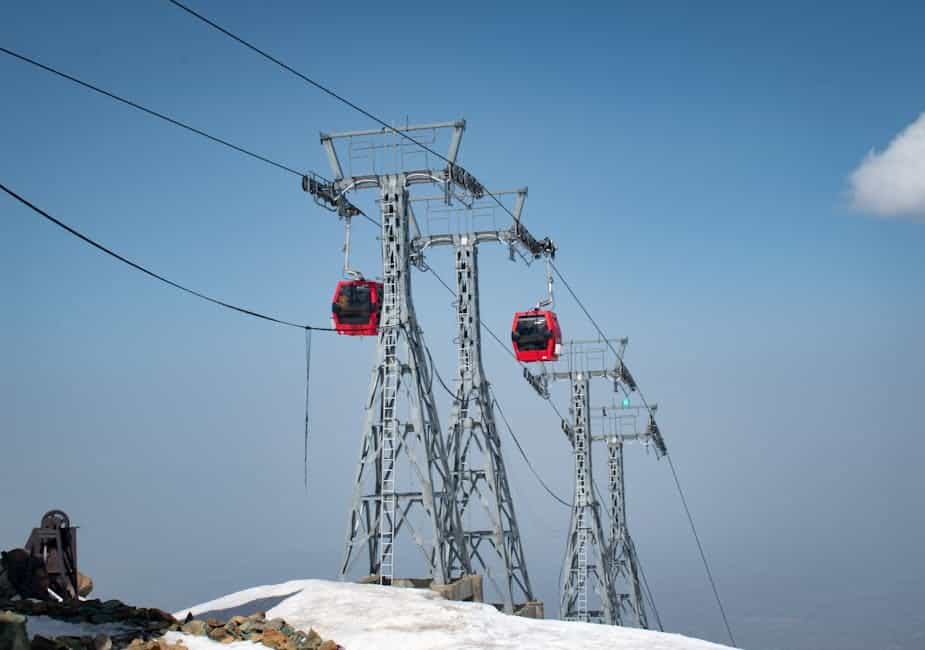
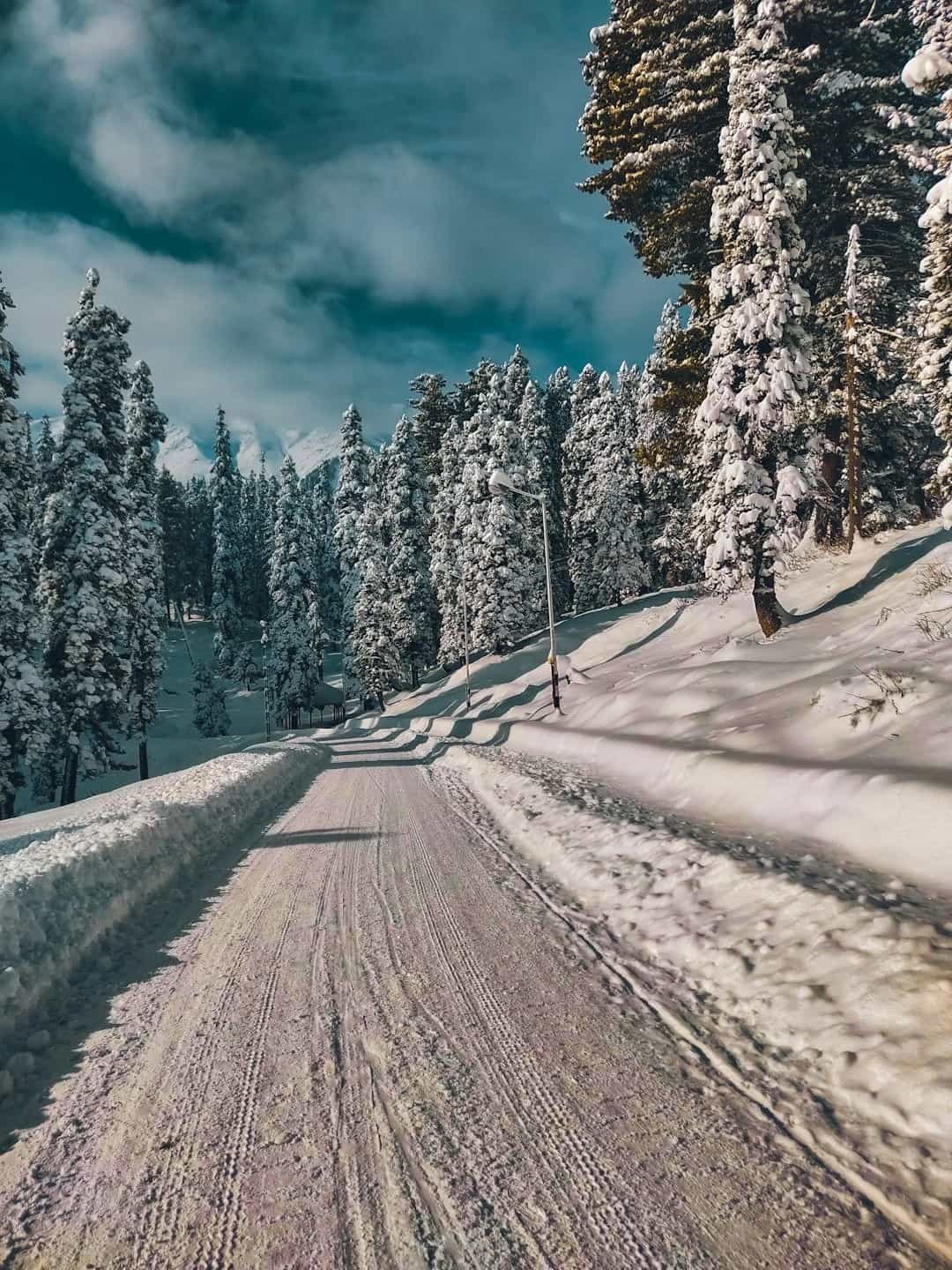
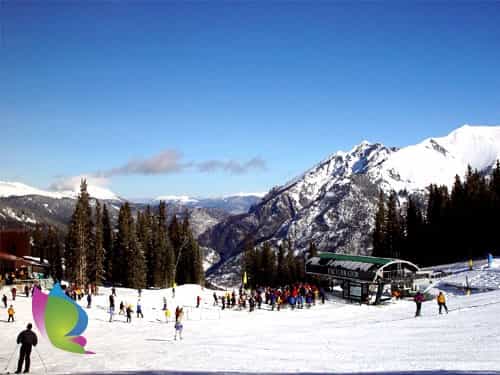
Gulmarg (Meadow of Flowers) is a high-altitude hill station in the Pir Panjal range of the Himalayas in Jammu & Kashmir, India. It is renowned for its natural alpine meadow, rich biodiversity, and status as one of South Asia's premier winter-sport destinations. Historically it developed from local pastoral use into a popular British-era and Dogra-era hill resort and later evolved into an international skiing hub. The area is also important for local Kashmiri culture and mountain pastoral traditions.
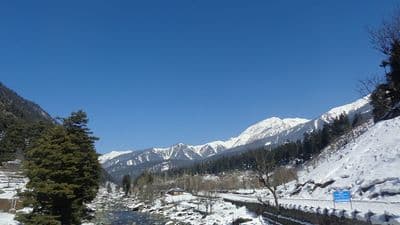
Pahalgam
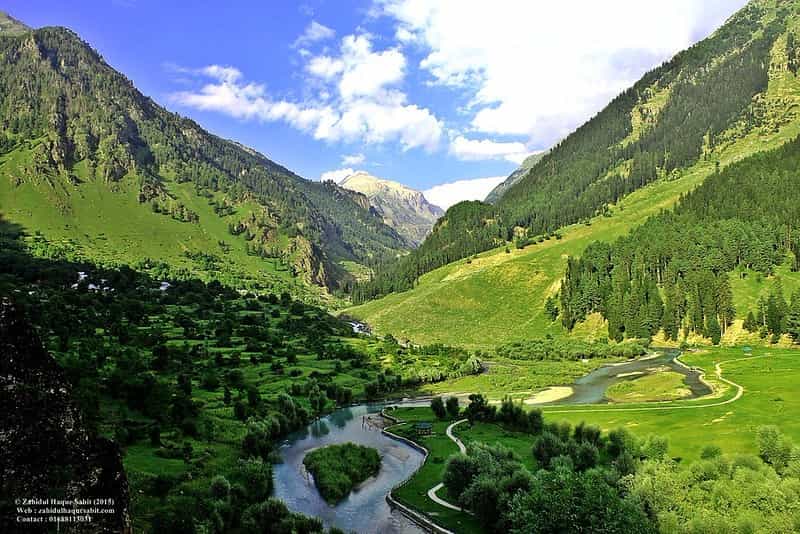
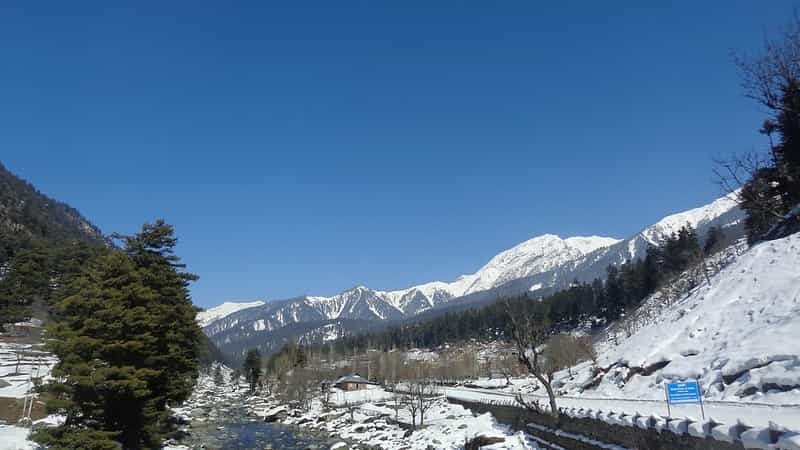
Pahalgam (gateway to Lidder Valley) is a significant hill station in Jammu & Kashmir known for its stunning natural beauty—pine forests, alpine meadows, and the Lidder River. It is the traditional base camp for the annual Amarnath Yatra (a major Hindu pilgrimage) and is valued for trout fishing, shepherding culture, and as a filming location for several Bollywood movies.
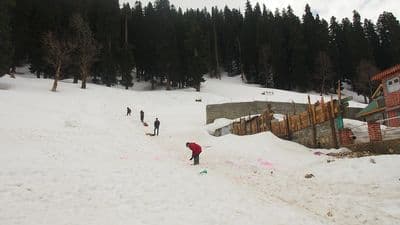
Sonamarg
Sonamarg (Meadow of Gold) is an alpine valley in the Ganderbal district of Jammu & Kashmir, India. It is renowned for its dramatic natural beauty—glaciers, high-altitude lakes, meadows and the Sindh river—making it an important gateway to Ladakh (via Zoji La) and a base for treks to Vishansar, Krishansar and Gangabal. Sonamarg's landscape supports seasonal pastoralism and trout fishing and plays a role in regional tourism and pilgrimage (Baltal is a base for the Amarnath Yatra). Historically it lay along routes connecting the Kashmir Valley with the highlands, contributing to cultural exchange and trade.
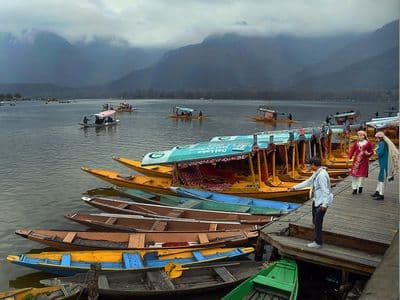
Dal Lake
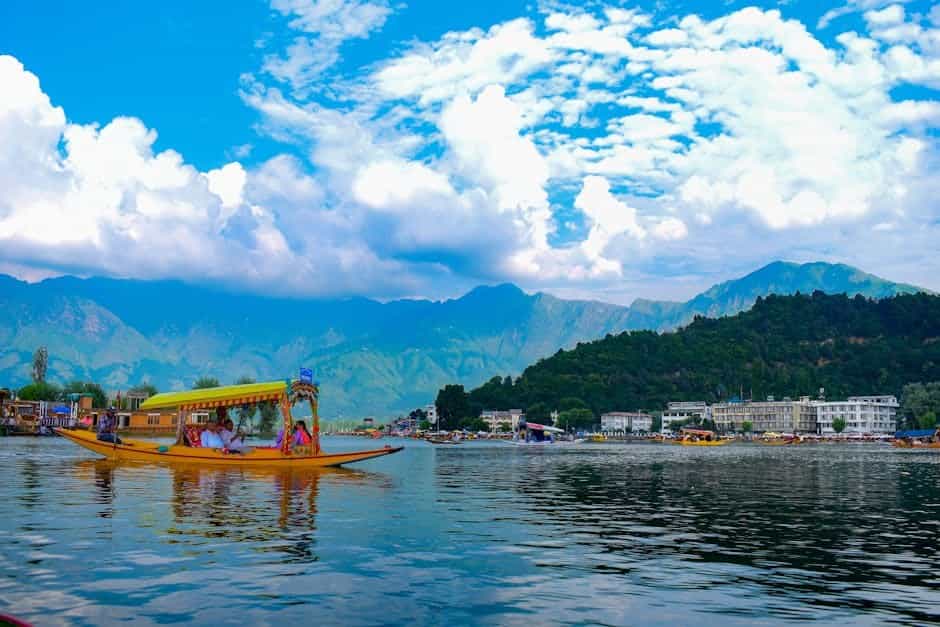
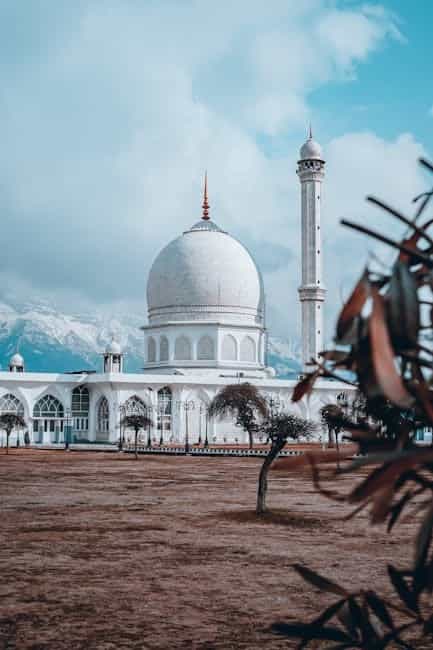
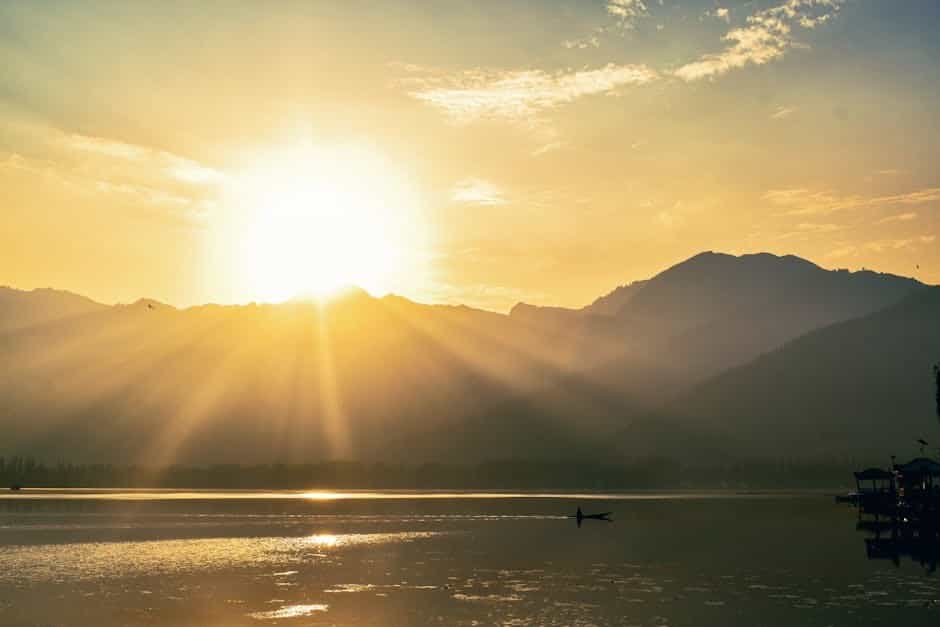
Dal Lake is the iconic heart of Srinagar, Kashmir — renowned for its scenic beauty, unique houseboat culture and centuries-old association with Mughal garden planning. It has acted as a social and economic hub for local communities (houseboat owners, shikara drivers, floating farmers) and features prominently in Kashmiri arts, poetry and tourism. The lake and its surroundings (Mughal gardens, Shankaracharya Hill, Hazratbal Shrine) reflect Kashmir's layered natural, religious and cultural history.
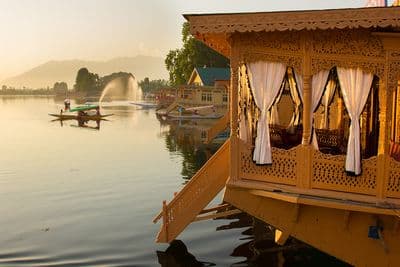
Nigeen Lake
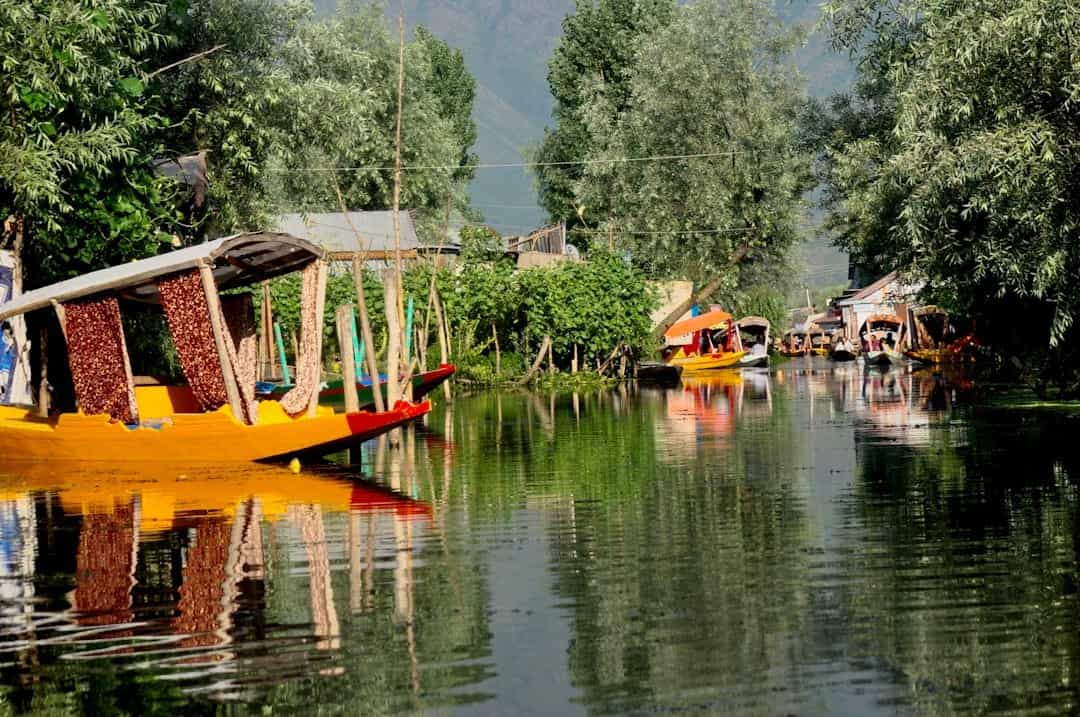
Nigeen Lake (often written Nigeen or Nageen) is a smaller, quieter lake located in Srinagar, in the Kashmir Valley, and forms part of the greater Dal–Nigeen lake system. Nestled at the foothills of the Zabarwan Range, it is important for local tourism (houseboats, shikara rides), urban ecology (wetland habitat for fish and waterbirds), and as a scenic green space for Srinagar residents and visitors. The lake's calmer waters and tree-lined banks make it a valued natural and cultural asset in the city.
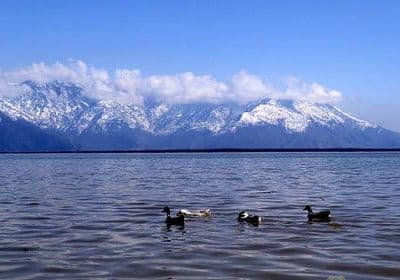
Wular Lake
Wular Lake is one of the largest freshwater lakes in South Asia and a key wetland in the Kashmir Valley. It plays a vital ecological role as a habitat for fish and numerous migratory and resident bird species, and as a natural flood buffer for the Jhelum River. The lake has cultural and economic importance for nearby communities (Bandipora, Sopore and surrounding villages), supporting fisheries, reed harvesting and traditional livelihoods.
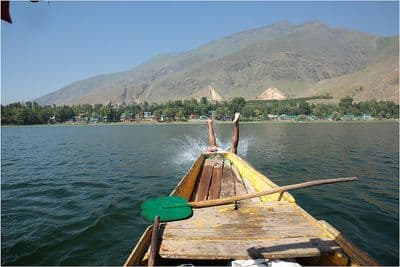
Manasbal Lake
Manasbal Lake (often called Jheel-e-Manasbal) is one of the most important freshwater bodies in Kashmir, valued for its ecological richness and scenic beauty. It is considered among the deepest lakes in the Kashmir Valley and supports diverse aquatic plants and birdlife. The lake and its surroundings hold cultural significance for nearby villages and are part of the region's natural heritage.
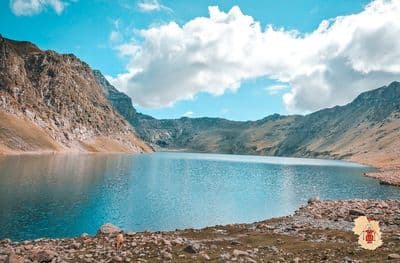
Tarsar Lake
Tarsar Lake is a high-altitude alpine lake in the Kashmir region known for its pristine natural beauty, crystal-clear waters, and surrounding alpine meadows (margs). It is ecologically significant as a habitat for alpine flora and fauna and forms part of the popular Tarsar-Marsar trekking circuit, which showcases the Himalayan landscape and pastoral traditions of local shepherds.
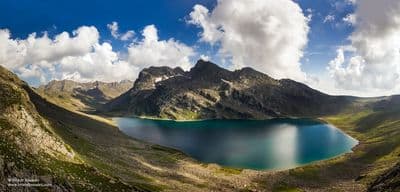
Marsar Lake
Marsar Lake is a high-altitude alpine lake in the Kashmir Himalaya, known for its pristine waters, surrounding meadows (margs) and role in the popular Tarsar–Marsar trekking circuit. It is important ecologically as a seasonal grazing and biodiversity area and scenically for its reflections of the surrounding peaks. The lake contributes to local pastoral livelihoods during summer months and forms part of the cultural landscape of shepherd communities in the Lidder/Aru valleys.
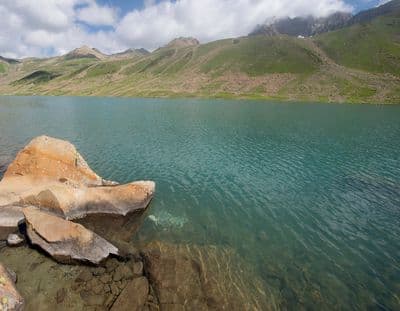
Gangbal Lake
Gangbal Lake (also spelled Gangabal) is an alpine oligotrophic lake situated at the foot of the Harmukh peak in the Ganderbal district of Kashmir. It is an important natural landmark—fed by glacial melt and contributing to the headwaters of the Sindh River. Culturally and spiritually, the lake is sacred to Kashmiri Hindus and local populations; pilgrimages to the lake have historical roots in the valley's religious traditions. Natural importance includes its high-altitude ecology, clear waters, surrounding meadows and moraines, and proximity to the Harmukh massif, which is a prominent feature of the central Kashmir Himalaya.
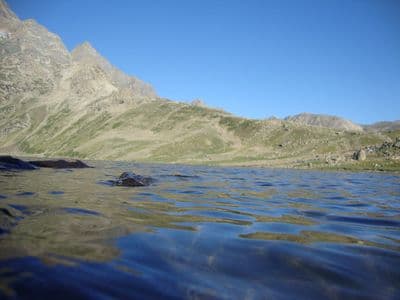
Nundkol Lake
Nundkol Lake (also spelled Nund Kol) is an alpine lake in the Ganderbal district of Kashmir, lying at the foot of Harmukh peak. It is important both culturally and naturally: culturally because it is associated with Hindu mythology and local pilgrimages (the name is linked to Nandi, the sacred bull of Lord Shiva), and naturally as a high‑altitude freshwater lake set amid meadows and rugged peaks — a key stop on treks such as the Kashmir Great Lakes route and a sensitive alpine ecosystem that supports seasonal wildflowers, migratory birds and cold‑water fish species.
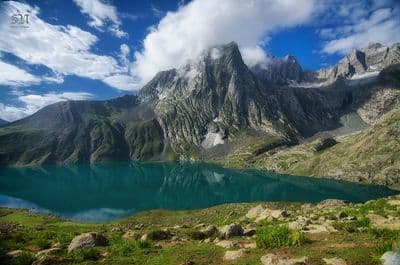
Vishansar Lake
Vishansar Lake is a high-altitude alpine lake in the Kashmir Himalaya valued primarily for its natural importance: it forms part of the renowned Kashmir Great Lakes region, supports fragile glacial-fed ecosystems, and serves as summer grazing ground for local pastoral communities (Gujjar and Bakarwal). The lake's clear oligotrophic waters and surrounding meadows are important for high‑altitude flora and fauna and attract trekkers and anglers seeking pristine Himalayan landscapes.
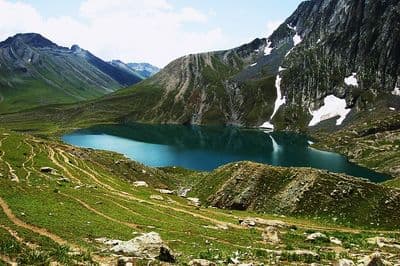
Krishansar Lake
Krishansar Lake is a high-altitude alpine oligotrophic lake located in the Ganderbal district of Kashmir, India. Altitude: ~3,710 m (12,170 ft). It is ecologically important as a pristine freshwater alpine system fed by meltwater and seasonal streams, surrounded by sub-alpine meadows (margs) used for summer grazing by local pastoral communities. The lake is a key destination on the popular Tarsar–Krishansar trekking circuit, and valued for its unspoiled scenic and photographic qualities.
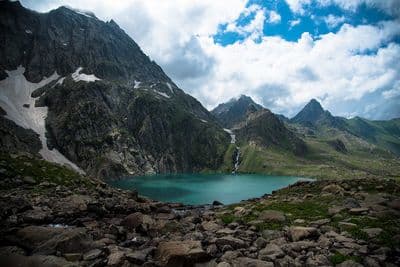
Gadsar Lake
Natural importance: Gadsar Lake (also spelled Gadsar Sar) is a high-altitude alpine oligotrophic lake in the Kashmir Himalaya, renowned for its clear turquoise waters, surrounding glaciers and seasonal trout population. It forms a spectacular part of the Kashmir Great Lakes circuit and is important for local pastoralism (summer grazing) and mountain biodiversity.
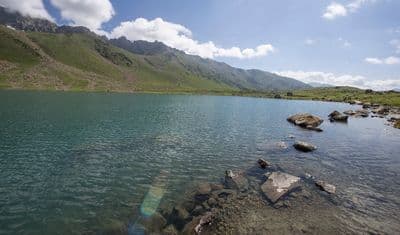
Satsar Lakes
Satsar Lakes are a cluster of seven high-altitude alpine lakes located in the Kashmir Himalaya (Ganderbal/Sonamarg region). They are ecologically important as freshwater alpine ecosystems supporting cold-water flora and fauna, seasonal pastures used by local shepherds (Gujjar-Bakarwal pastoralists), and as a scenic highlight of Kashmir's trekking landscape. The lakes provide habitat for native trout and migratory birds and contribute to local hydrology and watershed balance.
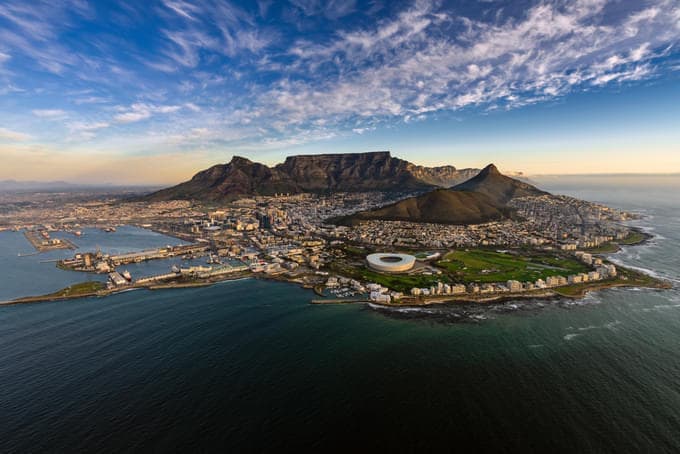
Kausarnag Lake
Kausarnag (Kausar Nag) is a high-altitude alpine lake in the Pir Panjal range of Kashmir, located in the Anantnag region. It is valued for its pristine natural setting—clear cold waters, surrounding meadows, and seasonal snowfields—and is an important ecological site in the high Himalaya. The lake also holds cultural and religious significance for local communities and Kashmiri Hindus, who historically regarded it as a sacred spot and destination for pilgrimage.
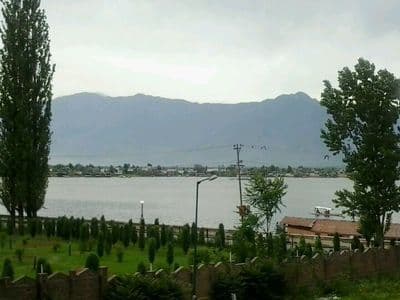
Alpather Lake
Alpather Lake is a high-altitude freshwater lake in Kashmir known for its pristine, often ice-covered surface and striking mountain surroundings. It is valued primarily for its natural beauty and as a seasonal destination for trekkers and nature lovers rather than for historical or cultural monuments. The lake contributes to local alpine ecology and forms part of the scenic landscapes that define the Himalayan region of Jammu & Kashmir.
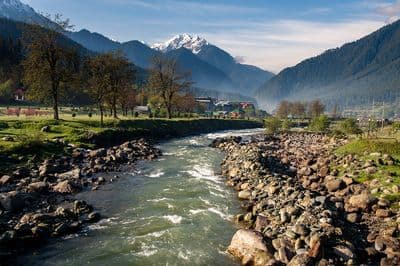
Lidder River
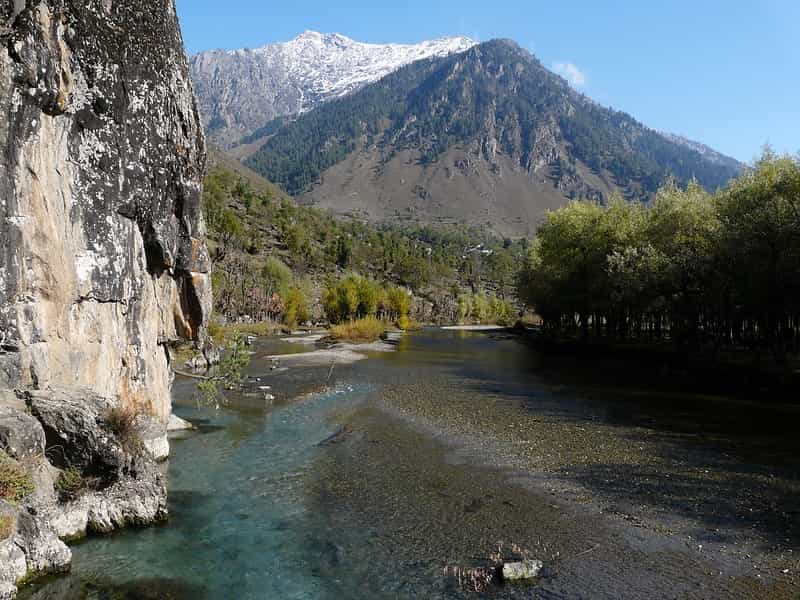
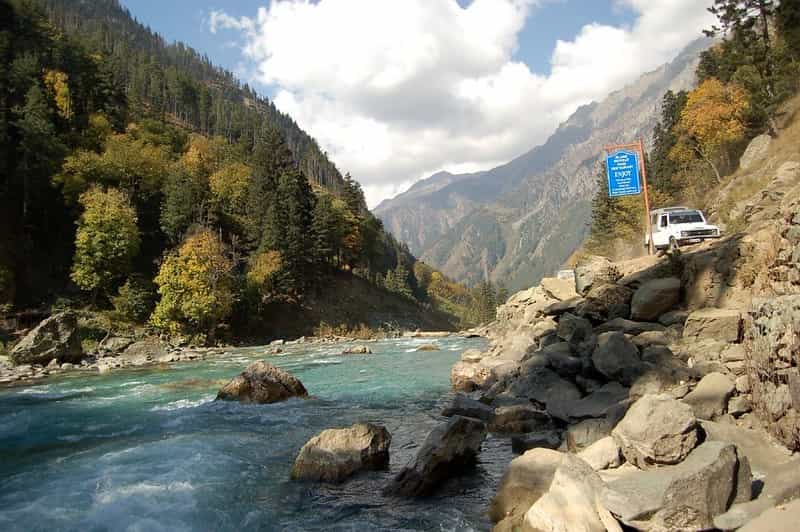
Lidder River originates from the Kolahoi Glacier in the Lidder Valley and flows through the scenic Pahalgam area in south Kashmir before joining larger river systems as a tributary of the Jhelum. It is ecologically important as a glacial‑fed river supporting high‑altitude meadow ecosystems, riparian flora and fauna, and healthy trout populations. Culturally, the river and its valley are tied to local pastoral traditions (Pahalgam means 'village of shepherds') and to pilgrimage and trekking routes used during the Amarnath Yatra and other local journeys.
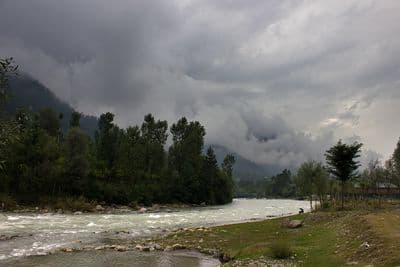
Sind River
Sind River (also spelled Sindh) is a major tributary of the Jhelum River that drains part of the Kashmir Valley. It has high natural importance as a glacial‑fed Himalayan river that supports rich freshwater ecosystems (notably trout populations), irrigates agricultural plains, and supplies water for local communities and small hydroelectric projects. Culturally and historically, the river corridor links alpine meadows and pilgrimage approaches (near Sonamarg and Baltal) and has long been part of local livelihoods — grazing, fishing and transport — shaping settlement patterns in Ganderbal and surrounding districts.