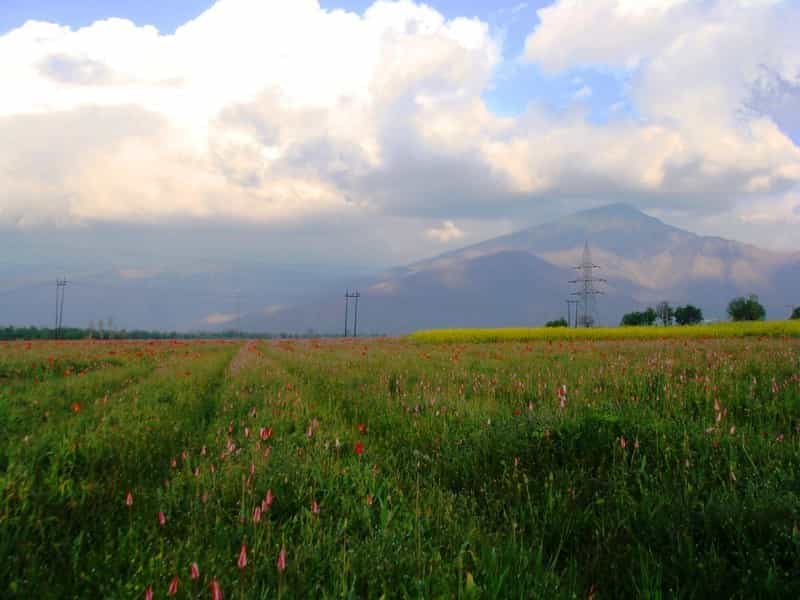
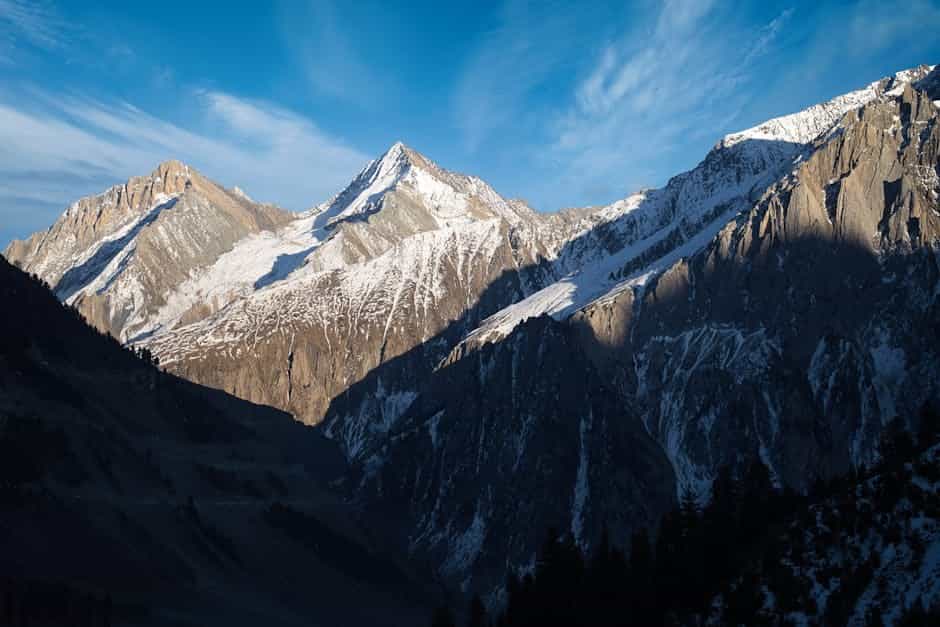
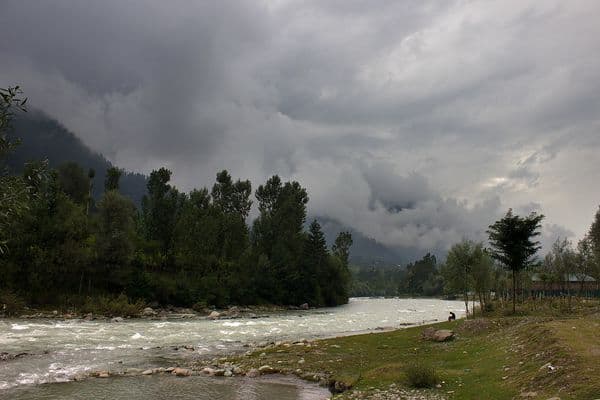
Sind River, Kashmir
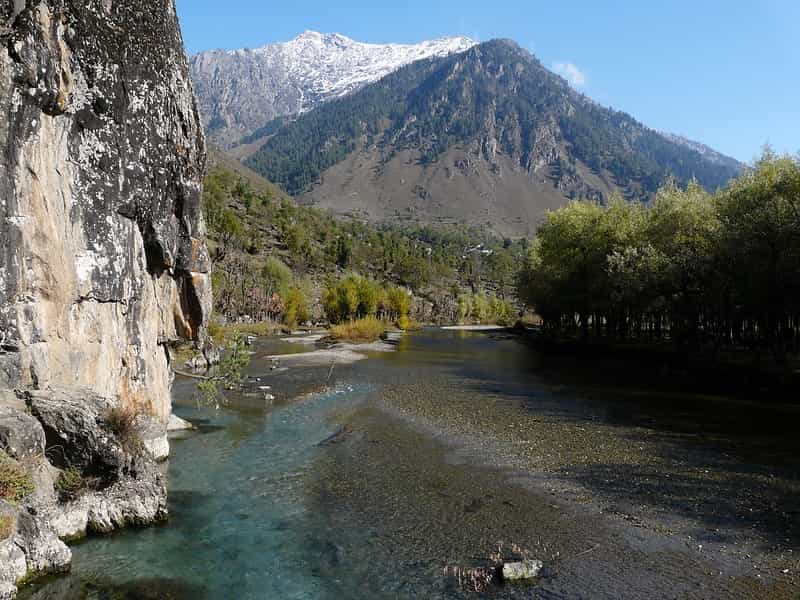
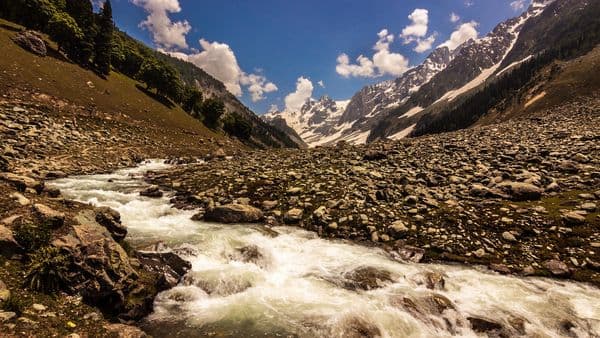
Sind River (also spelled Sindh) is a major tributary of the Jhelum River that drains part of the Kashmir Valley. It has high natural importance as a glacial‑fed Himalayan river that supports rich freshwater ecosystems (notably trout populations), irrigates agricultural plains, and supplies water for local communities and small hydroelectric projects. Culturally and historically, the river corridor links alpine meadows and pilgrimage approaches (near Sonamarg and Baltal) and has long been part of local livelihoods — grazing, fishing and transport — shaping settlement patterns in Ganderbal and surrounding districts.
Last updated: 23 Oct 2025
Places to visit
- Sonamarg (gateway to the upper Sind Valley and alpine glaciers)
- Baltal (base camp for the Amarnath Yatra; scenic meadows beside the river)
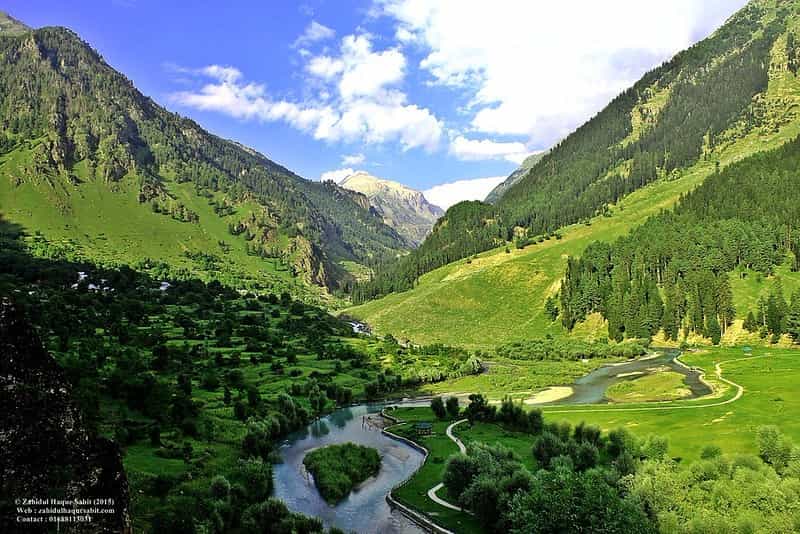
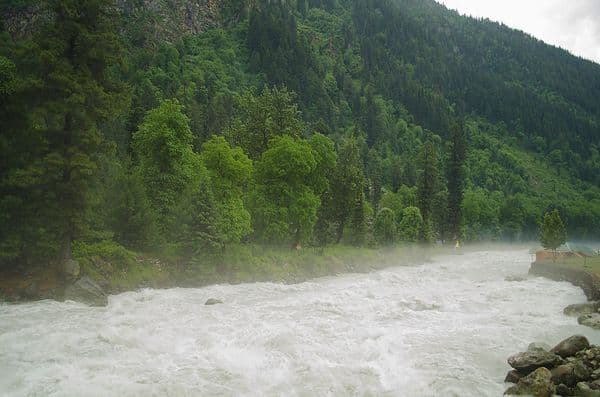
- Sindh Valley stretches through Ganderbal — popular for riverside views and trout fishing
- White-water rafting and kayaking sections (seasonal) near Ganderbal
- Fishing stretches known for brown and rainbow trout
- Scenic gorges and roadside viewpoints along the river road
Unique Aspects
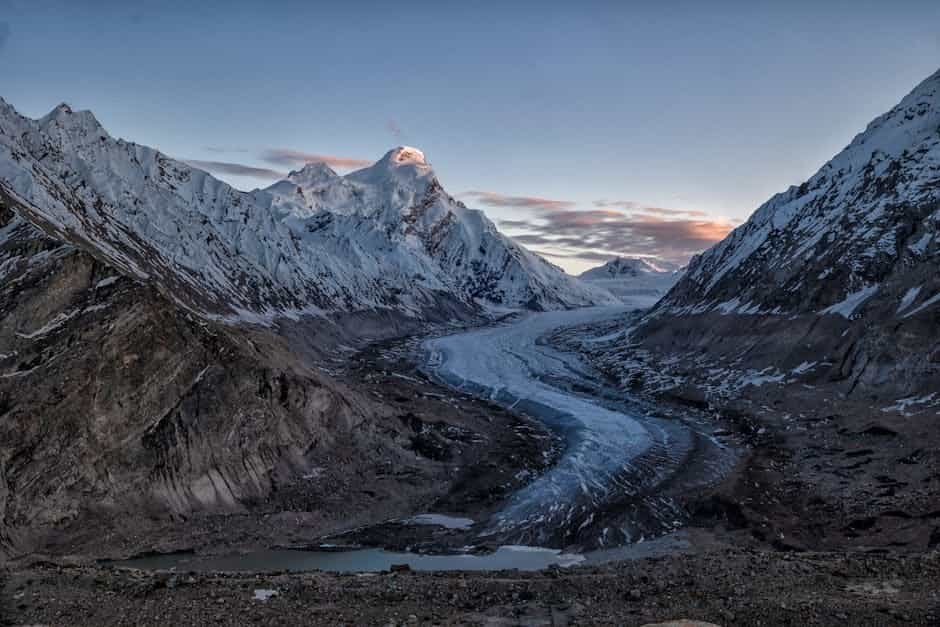
- Glacial origin and clear alpine waters (gives a distinctive blue‑green colour)
- Healthy trout population supporting angling and local cuisine
- Dramatic contrasts — from high meadows and glaciers in the upper reaches to fertile plains downstream
- Hydropower and irrigation installations (small/medium projects)
- Birdlife and riparian vegetation — good spots for photography and nature observation
Things to do
- Trout angling (with local guides and permits where required)
- River rafting and kayaking (seasonal; mostly late spring to early autumn)
- Riverside camping and picnics in designated spots
- Day hikes to nearby meadows, streams and glacier viewpoints (Sonamarg side)
- Wildlife and birdwatching along quieter stretches
- Photography — landscapes, river gorges, and local life
Best Time to Visit
May to September for access, rafting, fishing and hiking; late spring and summer give best weather and open roads. Winters are harsh and many upper stretches are snowbound (November–March).
Weather Conditions
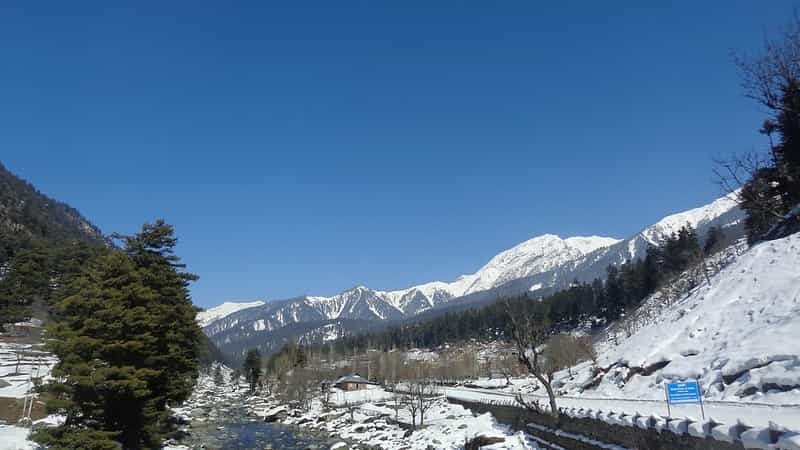
Alpine to temperate climate: cool summers (days often 10–25°C depending on elevation) and very cold winters with heavy snow in upper reaches. Weather can change quickly in the mountains.
Accessibility
Nearest major air hub: Srinagar International Airport (serves as the main entry point). Road access: well‑maintained mountain roads connect Srinagar → Ganderbal → Sonamarg; travel times vary with conditions. For long‑distance rail, travellers commonly use Jammu Tawi (by rail) and continue by road. Upper stretches (near glaciers) require 4x4 or trekking in some parts; check road closures in winter and during heavy snowfall.
Recommended Duration
Day trips possible from Srinagar for lower stretches; 1–3 days recommended to explore Sonamarg/Baltal and enjoy activities. If combining trekking or multiple river activities, allow 3–5 days.
Clothing & Gear Tips
Layered clothing (thermal base layers for evenings), waterproof jacket, sturdy hiking shoes, sunhat and sunscreen, insect repellent, basic first‑aid and altitude awareness for upper reaches. Warm clothing required even in summer nights at higher elevations.
Local Food & Souvenirs
Try local Kashmiri dishes and freshwater trout preparations at riverside eateries. Souvenirs from the region include Pashmina shawls, walnut wood carvings, saffron (Pampore region nearby) and local handicrafts. Support licensed guides and local businesses for sustainable tourism.