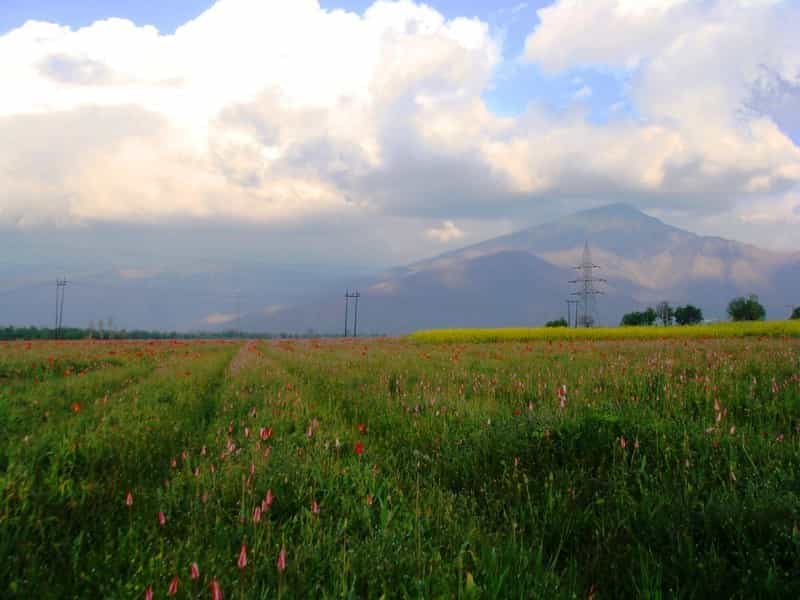
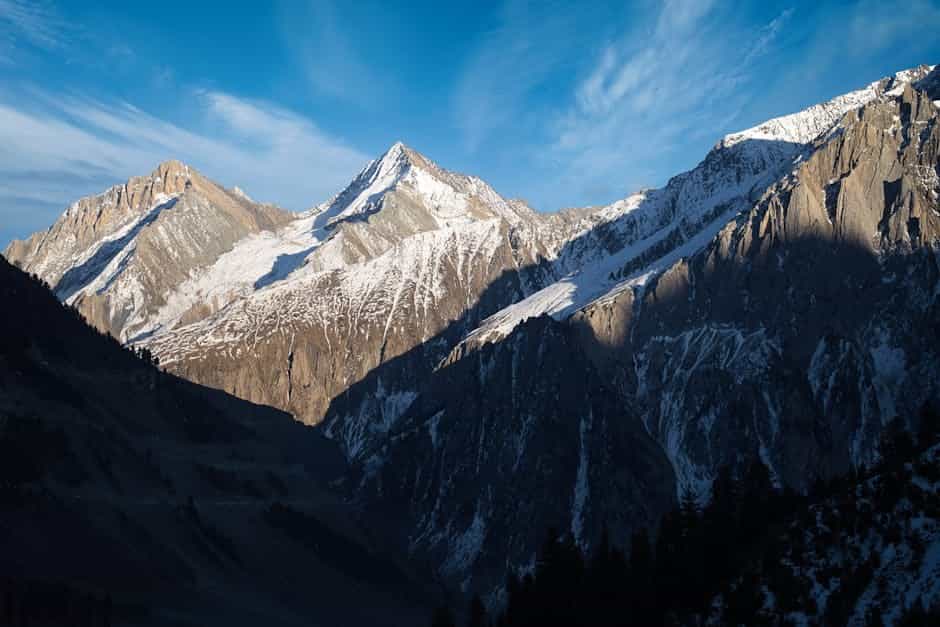
Vishansar Lake, Kashmir
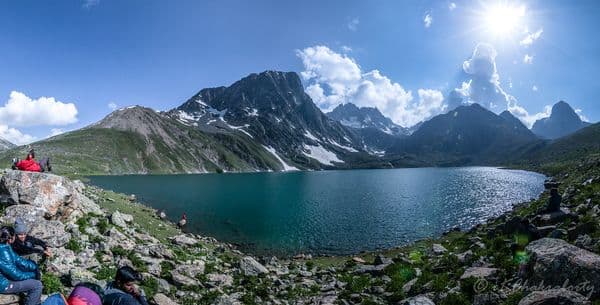
Vishansar Lake is a high-altitude alpine lake in the Kashmir Himalaya valued primarily for its natural importance: it forms part of the renowned Kashmir Great Lakes region, supports fragile glacial-fed ecosystems, and serves as summer grazing ground for local pastoral communities (Gujjar and Bakarwal). The lake's clear oligotrophic waters and surrounding meadows are important for high‑altitude flora and fauna and attract trekkers and anglers seeking pristine Himalayan landscapes.
Last updated: 23 Oct 2025
Places to visit
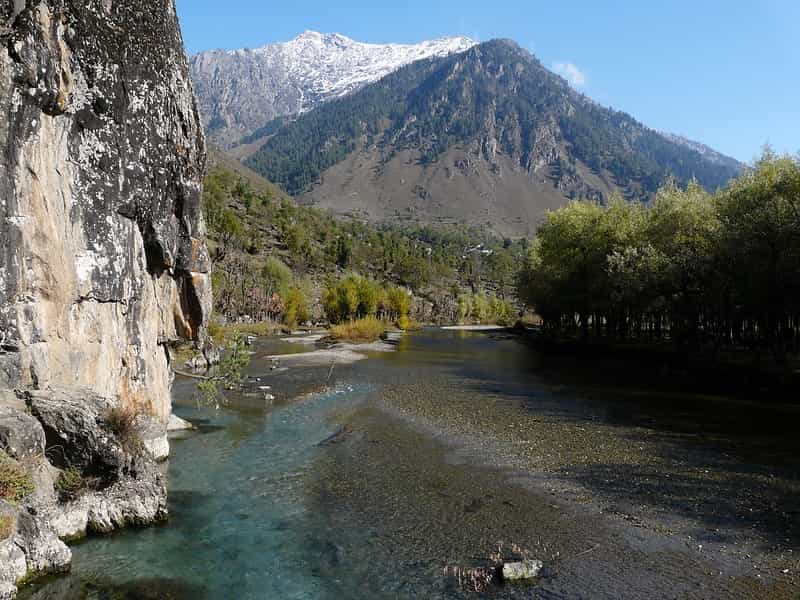
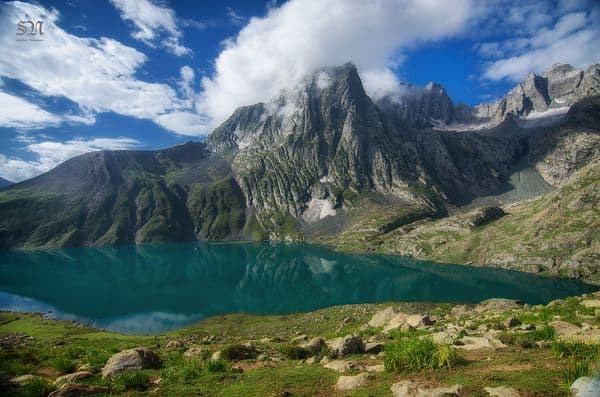
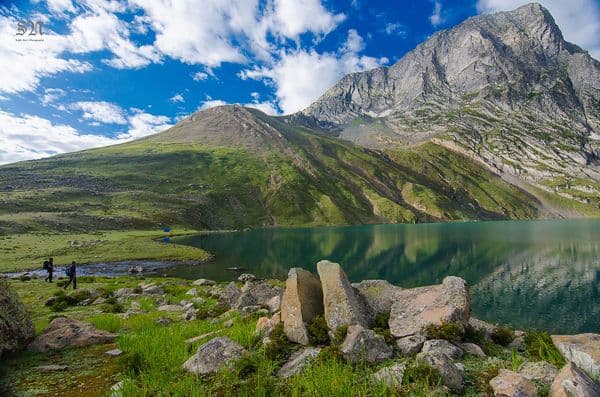
- Mirror-like alpine waters with intense blue/green hues reflecting surrounding peaks
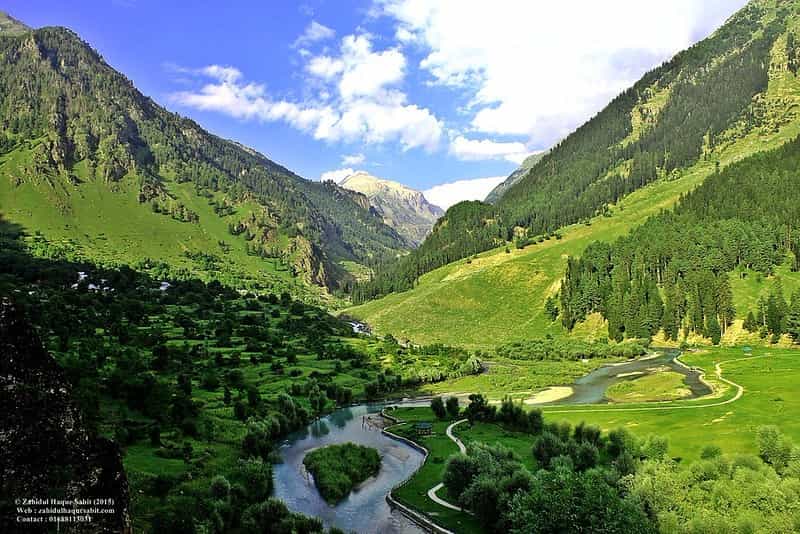
- Scenic high-altitude meadows (summer pastures) that bloom with wildflowers
- Close proximity to Krishansar Lake — often visited together as part of treks
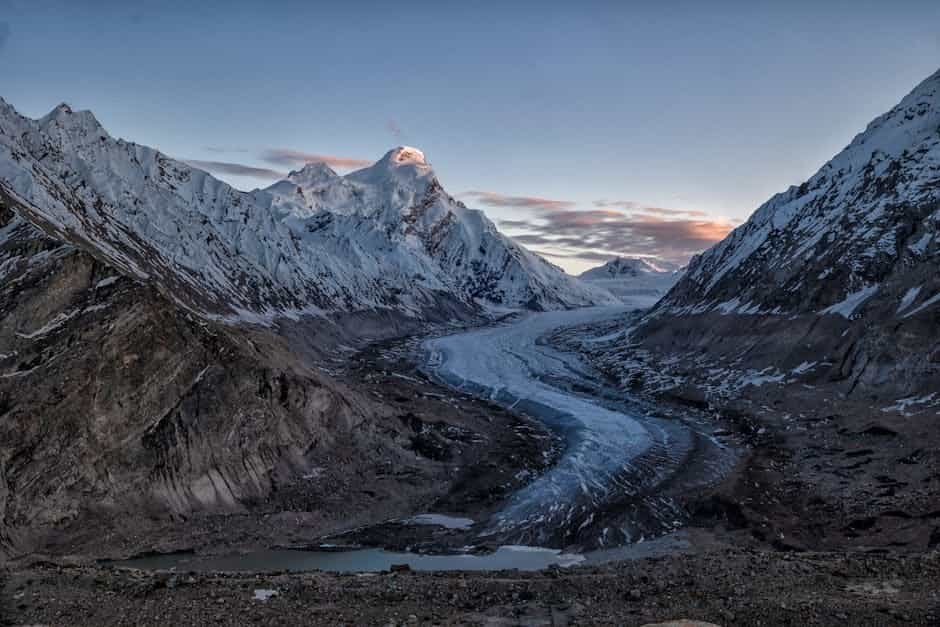
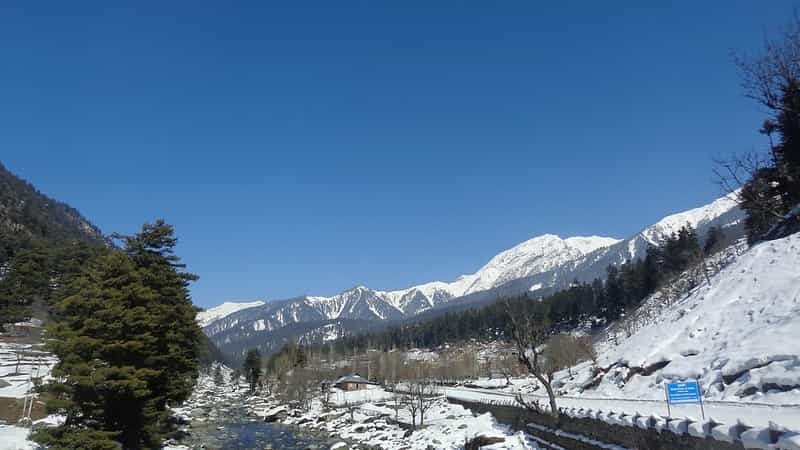
- Panoramic Himalayan views including snowfields and nearby glaciers
- Opportunities for spotting wildlife and birds adapted to alpine conditions
Unique Aspects
- Glacial-fed oligotrophic lake with exceptionally clear water
- High-altitude grazing meadows used by nomadic pastoralists (transhumance)
- Seasonal wildflower displays in summer (June–September)
- Habitat for brown trout (angling possible where permitted)
- Remote, low-impact wilderness character — minimal built infrastructure
Things to do
- Day hikes and multi-day trekking (popular on segments of the Kashmir Great Lakes trek)
- Overnight camping on lakeshores for sunrise/sunset photography
- High-altitude angling (brown trout) where local rules permit
- Wildflower and bird watching
- Interacting with local shepherds and observing traditional pastoral life
Best Time to Visit
June to early September — snow has largely melted, meadows are green and trails are passable. July–August is the peak window for trekking.
Weather Conditions
Typical alpine weather: cool to mild days in summer (roughly 5–18°C), cold nights often approaching or below 0°C. Rapid weather changes are common; early/late season visits can encounter snow and strong winds.
Accessibility
Vishansar is reachable only by foot as part of trekking routes. Typical approach: drive from Srinagar to Sonamarg (road head), then trek (often 1–2 days depending on route and pace) via alpine meadows and passes. The lake is inaccessible by regular vehicles. Nearest major transport hub: Srinagar (Srinagar International Airport, railway via Jammu/Srinagar links); road access to Sonamarg followed by trekking. Expect basic, unpaved trails and river crossings on some routes.
Recommended Duration
A typical visit for trekkers: 1–2 nights camping at/near the lake as part of a 3–6 day trek segment. Day-trip options are possible for experienced trekkers if based close by, but an overnight gives the best experience.
Clothing & Gear Tips
Layered clothing (base layers, fleece, insulated jacket), waterproof shell, sturdy trekking boots, warm hat and gloves, high-quality sleeping bag (rated for near‑freezing or below), sunscreen, sunglasses (strong UV at altitude), trekking poles, basic first-aid and altitude awareness items.
Local Food & Souvenirs
Food options near the lake are minimal — bring high-energy trekking food and water purification. In Sonamarg/Srinagar you can enjoy Kashmiri dishes (rogan josh, kebabs, kahwa, local breads) and purchase Pashmina shawls, walnut wood crafts, saffron (from other parts of Kashmir) and small handicrafts. Support local guides/porters and buy supplies in Sonamarg or Srinagar before trekking into the high meadows.