Places to visit in Kashmir
Planning a trip to Kashmir? Here is a complete guide to the best places to visit—from popular tourist attractions to offbeat spots you would not find in every guidebook. Get ready to explore, experience, and fall in love with Kashmir!
Top 70 curated places to visit in Kashmir
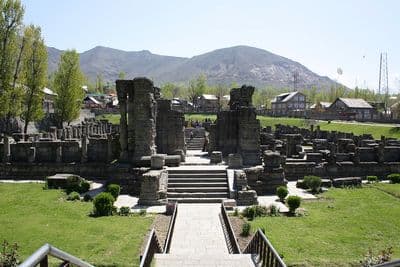
Avantipora Ruins
Avantipora (Awantipora) is an important 9th-century archaeological complex in Kashmir, founded by King Avantivarman of the Utpala dynasty (r. c. 855–883 CE). The ruins represent a high point of early medieval Kashmiri temple architecture and sculpture, reflecting the region's syncretic Hindu-Buddhist artistic traditions and political revival under Avantivarman. The site is a key source for understanding Kashmir's pre-Islamic religious architecture and craft traditions.
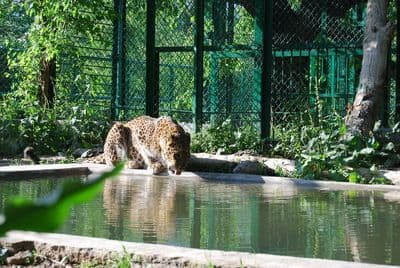
Dachigam National Park
Dachigam National Park (literally 'ten villages' in Kashmiri) is a protected area on the outskirts of Srinagar created originally to protect the catchment of Dal Lake and the region's wildlife. It is important for biodiversity conservation in the Kashmir Valley, protecting several Himalayan ecosystems from dense riverine and mixed temperate forests to alpine meadows. The park is internationally significant as one of the last strongholds of the endangered Hangul (Kashmir stag) and as habitat for other high-altitude species.
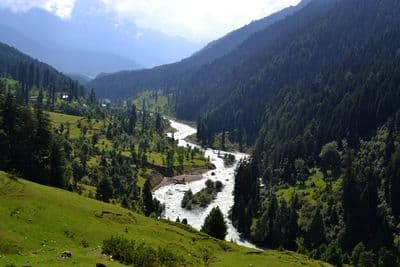
Overa-Aru Wildlife Sanctuary
Overa-Aru Wildlife Sanctuary (southern Kashmir, near Pahalgam) is an important protected area for the region's high‑altitude ecosystems. It preserves a mosaic of coniferous forests, alpine pastures and wetlands that support a variety of mammals and birds. The sanctuary helps protect sensitive species (notably musk deer and several bear species), maintains watershed health for downstream communities, and sustains traditional pastoral use by local villages.
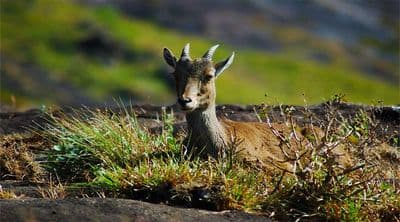
Gulmarg Biosphere Reserve
Gulmarg Biosphere Reserve lies in the Western Himalaya near the hill station of Gulmarg in Kashmir. It protects high-altitude alpine meadows, subalpine and coniferous forests and a rich assemblage of Himalayan flora and fauna. The reserve plays an important role in conserving fragile mountain ecosystems, maintaining watershed services for downstream communities, and supporting seasonal grazing and traditional livelihoods.
Hokersar Wetland Reserve
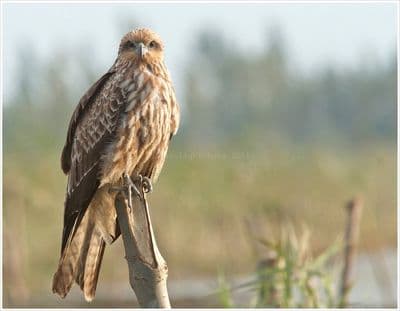
Hokersar Wetland is one of the most important freshwater marshes in the Kashmir Valley. Designated as a Ramsar site, it functions as a crucial wintering ground and stopover for large numbers of migratory waterbirds coming from Central Asia and Siberia. The wetland helps in flood moderation and groundwater recharge for surrounding agricultural and urban areas, supports local livelihoods through fishing and reed harvesting, and sustains rich wetland biodiversity including waterfowl, marsh vegetation and associated fauna.
Naranag Temple Ruins
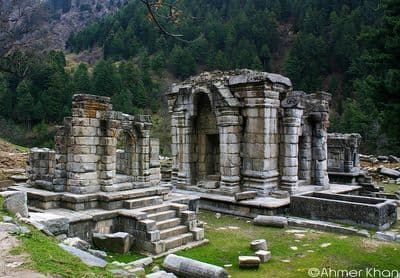
Naranag Temple Ruins are an important early medieval Hindu temple complex in the Wangath valley of Kashmir, generally dated to the 8th–9th century CE (periods associated with the Karkota and later dynasties). The site represents a significant example of early Kashmiri stone temple architecture and was historically a regional Shaiva (Lord Shiva) centre. Located in a dramatic alpine setting, the ruins also mark the cultural interaction between religious architecture and high-altitude Himalayan landscapes and serve as the gateway for treks to Mount Harmukh and Gangabal Lake.
Thajiwas Glacier
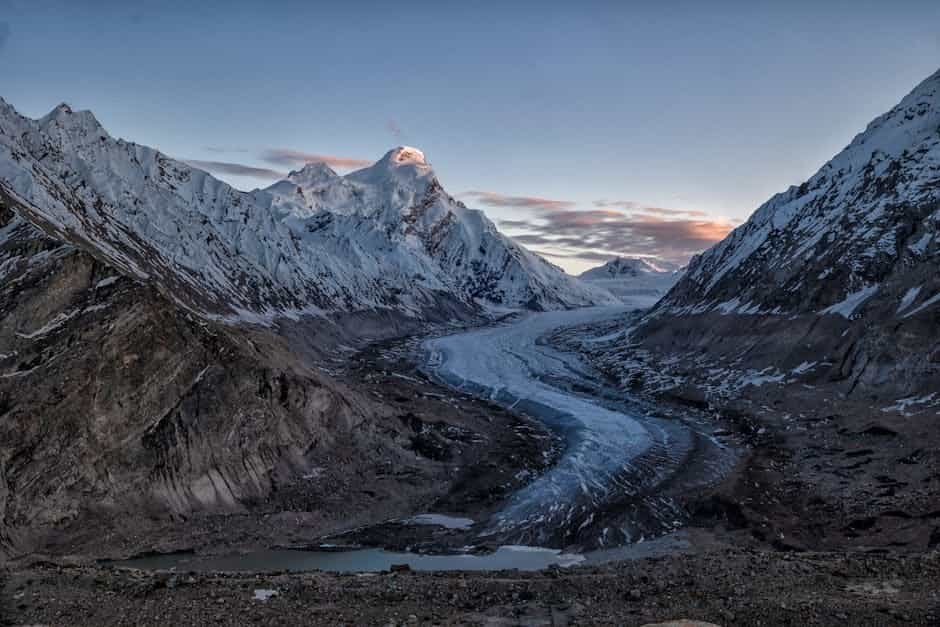
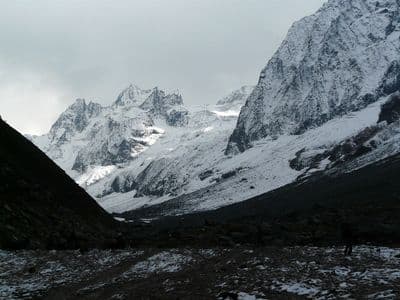
Thajiwas Glacier is a small but picturesque valley glacier near Sonamarg in the Ganderbal district of Jammu & Kashmir. It is valued primarily for its natural beauty rather than historical monuments; the glacier and the surrounding alpine meadows form an important seasonal pasture area for local shepherds and support fragile high-altitude ecosystems. The site has become an iconic summer attraction for domestic and international visitors exploring the Himalayan landscapes of Kashmir.
Zoji La Pass
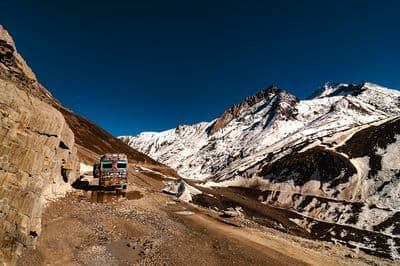
Zoji La is a high mountain pass in the Himalayas that links the Kashmir Valley to the region of Ladakh. It has major strategic and logistic importance because it lies on the Srinagar–Leh highway, the principal road connection between Srinagar and Ladakh. Historically it was part of trade and mule caravan routes between Kashmir and Ladakh. Militarily it has been significant in modern conflicts and is regularly maintained by the Indian Army and Border Roads Organisation (BRO). The pass also showcases dramatic alpine and glacial landscapes characteristic of the western Himalaya.
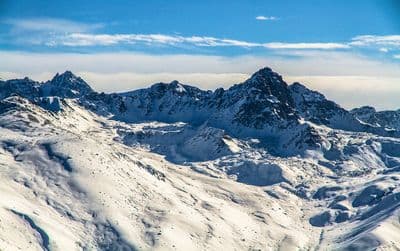
Apharwat Peak
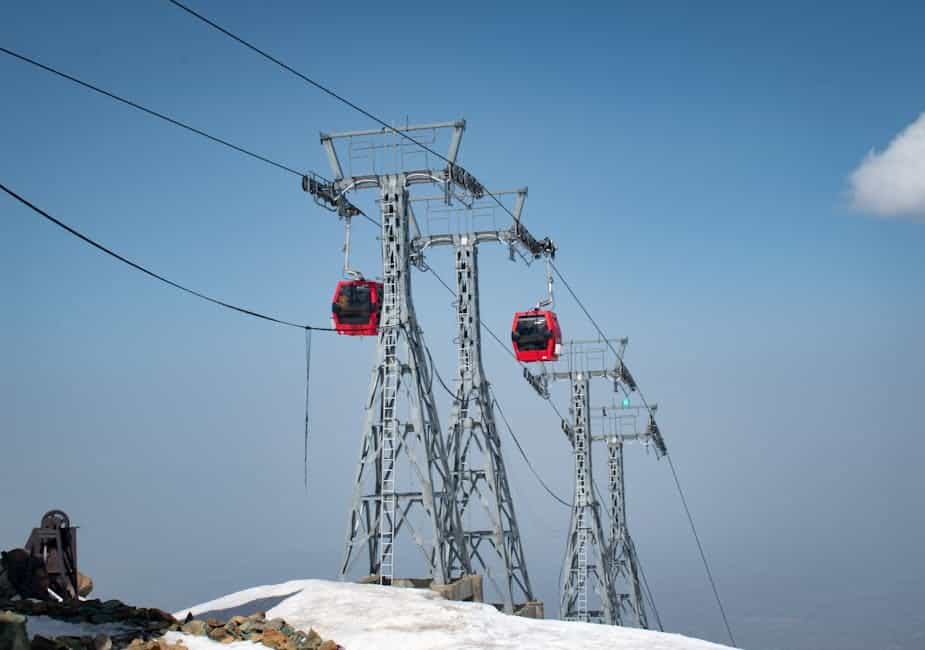
Apharwat Peak (near Gulmarg, Kashmir) is a prominent high‑altitude summit in the Pir Panjal Range that is important mainly for its natural and recreational value. It forms the backdrop to the Gulmarg meadows and is a major centre for winter sports and mountain tourism in Jammu & Kashmir. The peak offers panoramic views of surrounding ranges (Pir Panjal, parts of the Zanskar and, on very clear days, distant summits such as Nanga Parbat) and supports alpine ecosystems with seasonal wildflowers and cold‑adapted fauna. It also plays a role in local livelihoods through tourism and guiding services.
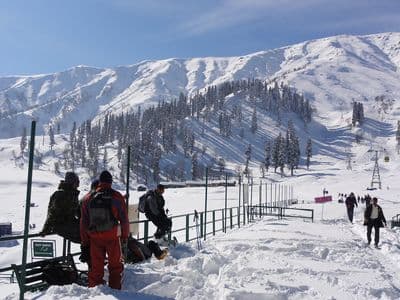
Kongdori
Kongdori is a small rural settlement in the Kashmir region known primarily for its natural beauty and traditional village life rather than large historical monuments. The village and its surrounding landscapes exemplify the Himalayan foothills' pastoral and agricultural culture — orchards, terraced fields, and seasonal meadows — and offer a glimpse of everyday Kashmiri rural traditions and hospitality.

Drang Waterfall
Drang Waterfall is a scenic seasonal cascade in the Kashmir region, valued primarily for its natural beauty and as a peaceful riverside spot for locals and visitors. It contributes to the valley's rich freshwater ecosystem and supports local flora and fauna. The fall is part of the area's glacial- and snowmelt-fed waterways that shape Kashmir’s landscape.
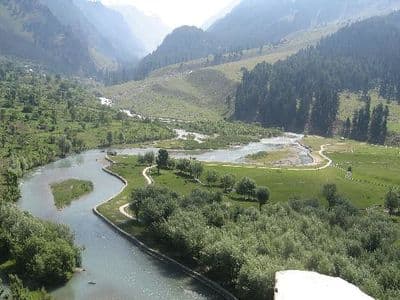
Betaab Valley
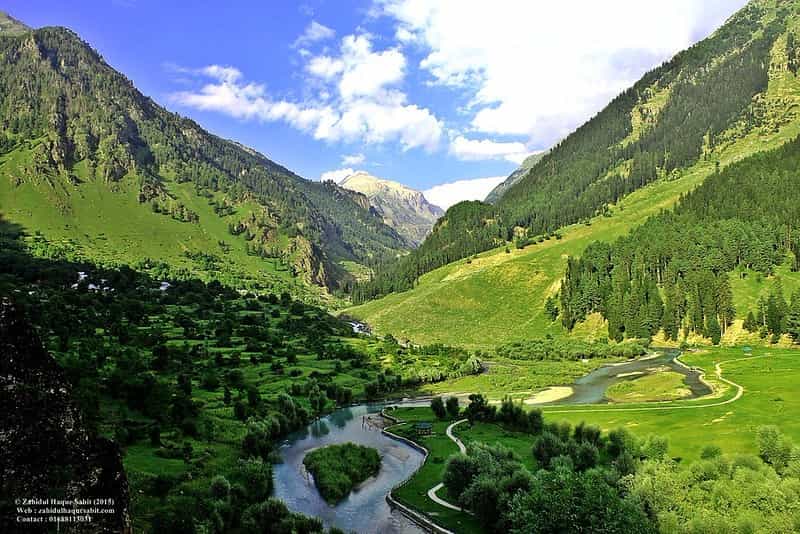
Betaab Valley (also called Hajan Valley locally) is a scenic glacial valley in the Pahalgam area of south Kashmir, valued primarily for its exceptional natural beauty. It is a classic example of Himalayan alpine meadows, pine forests and clear mountain streams, making it important for tourism, nature appreciation and local livelihoods dependent on seasonal visitors. The valley gained wider popular recognition after the 1983 Bollywood film Betaab was shot here, which increased its profile as a cinematic landscape.
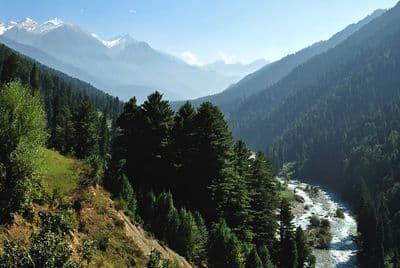
Aru Valley
Aru Valley is a high-altitude scenic valley in the Pahalgam area of South Kashmir (Anantnag district). It is valued primarily for its outstanding natural importance — pristine alpine meadows, evergreen forests, and as a gateway/base for several classic Himalayan treks (including the Kolahoi Glacier and Tarsar-Marsar lakes). The valley supports local pastoral lifestyles and seasonal shepherding and contributes to the regional tourism economy.
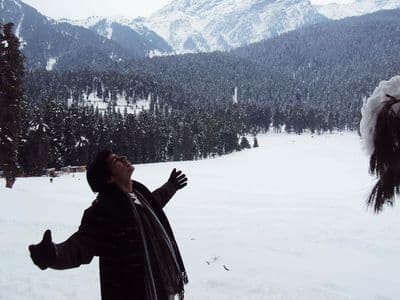
Baisaran (Mini Switzerland)
Natural importance: Baisaran is a high-altitude alpine meadow in the Kashmir Valley celebrated for its carpet-like green pasture, dense coniferous backdrop and panoramic views of the Lidder Valley and surrounding Himalayan peaks. It is valued as a summer grazing ground and picnic spot and contributes to the region's scenic tourism. Cultural importance: The meadow reflects pastoral Kashmiri traditions—local shepherding, pony-ride culture and seasonal gatherings—making it a living part of valley life. Note: Baisaran's
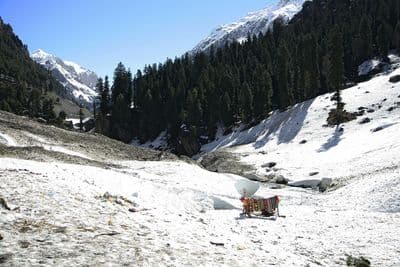
Chandanwari
Chandanwari is a high-altitude meadow near Pahalgam in Kashmir, best known as the traditional starting point of the annual Amarnath Yatra (the pilgrimage to the Amarnath cave). It holds deep religious significance for Hindu pilgrims and is also valued for its natural beauty — alpine meadows, snowfields, and views of nearby glaciers and the Lidder River. The site represents a convergence of spiritual and natural heritage in the Jammu & Kashmir region.
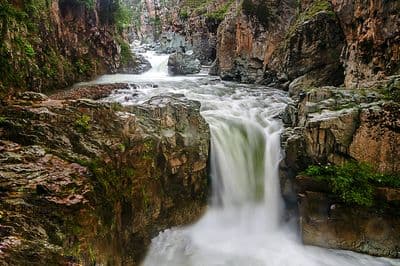
Aharbal Waterfall
Aharbal Waterfall is a major natural landmark in south Kashmir located on the Veshaw River. It is celebrated for its powerful cascade, scenic gorge and clear plunge pool, and forms an important part of the Himalayan foothill ecosystem. The site attracts nature lovers, photographers and domestic tourists and contributes to the local economy through tourism. The surrounding forests and riverine habitat support a variety of flora and fauna characteristic of the Pir Panjal range.
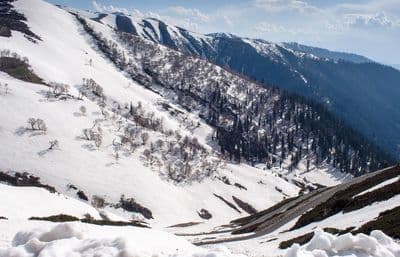
Sinthan Top
Natural importance: Sinthan Top is a high mountain pass that forms a scenic link between South Kashmir (Anantnag/Kokernag area) and the Kishtwar district. It is valued for its expansive alpine meadows, panoramic views of the surrounding Himalayan ranges, and as a grazing ground for local shepherds. The pass plays a role in local pastoral livelihoods and seasonal movement.
Cultural importance: While not a major historical monument, Sinthan Top lies amid villages with Kashmiri and Kishtwari cultural influences; travellers often encounter local shepherd communities and traditional rural life.
Historical notes: The pass has been used historically as a local route between valleys rather than a major trade artery; its use increased with modern road improvements that made it accessible to tourists and vehicles.
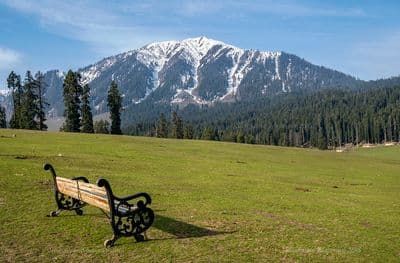
Doodhpathri
Doodhpathri is an alpine meadow and tourist meadow in Budgam district of Kashmir, valued primarily for its natural beauty, biodiversity, and pastoral culture. It is a seasonal grazing ground for local shepherds and a growing ecotourism destination for visitors seeking tranquil meadows, pine forests, and clear mountain streams. Its landscape—rolling green pastures crisscrossed by rivulets and surrounded by coniferous forests—represents the high-altitude valley ecosystems of the western Himalayas and supports local flora and fauna.
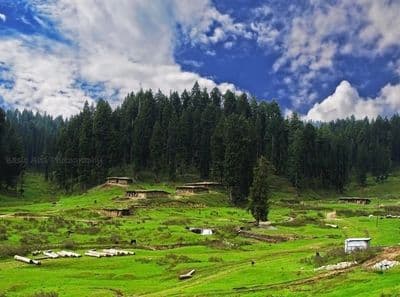
Yusmarg
Yusmarg is an alpine meadow and hill station in the Budgam district of Kashmir. It is valued primarily for its natural beauty: wide green meadows, dense pine and fir forests, and tributaries of the Doodh Ganga river that emerge in the area. The site is important as a pastoral grazing ground for local shepherds and supports seasonal biodiversity including migratory birds and native Himalayan flora. Yusmarg also forms part of the network of scenic valleys and pastures in Kashmir that contribute to the region's tourism and rural livelihoods.
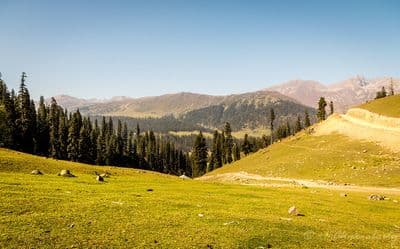
Tosa Maidan
Tosa Maidan is a large alpine meadow in the Pir Panjal range of the Kashmir Valley, valued primarily for its natural beauty, seasonal pastures and biodiversity. It has long been used by local shepherds for summer grazing and is an important example of high-altitude grassland ecosystems in the region. The meadow offers sweeping views of surrounding peaks and serves as a quiet counterpoint to Kashmir's better-known tourist sites, making it significant for nature-based and offbeat tourism.