Martand Sun Temple, Kashmir
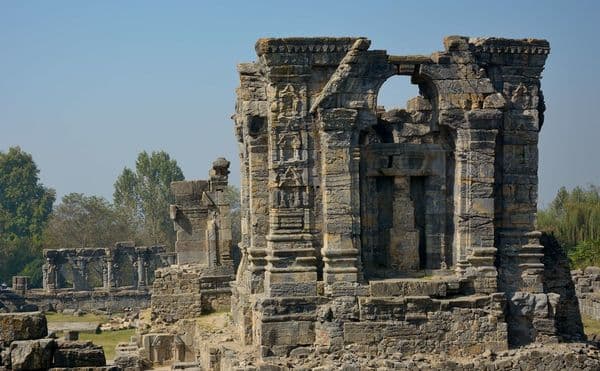
Historical importance: Martand Sun Temple is one of the most important surviving monuments of early medieval Kashmir. Credited to King Lalitaditya Muktapida of the Karkota dynasty (8th century CE) in the chronicles (Rajatarangini), the temple exemplified the height of Kashmiri temple architecture and was a major center for sun-worship (Surya) in the region. The site demonstrates syncretic architectural influences — local Kashmiri stone technique combined with north Indian temple forms — and is an important archaeological and cultural symbol for Kashmiri heritage.
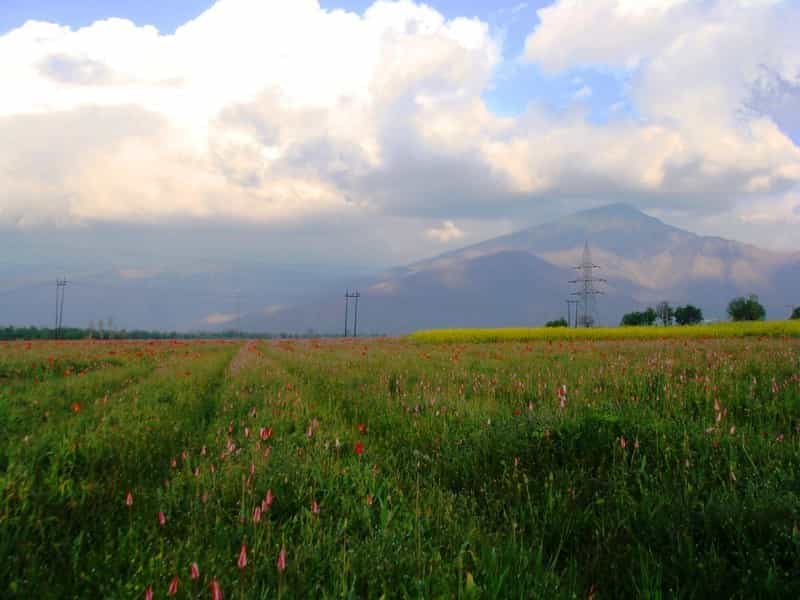
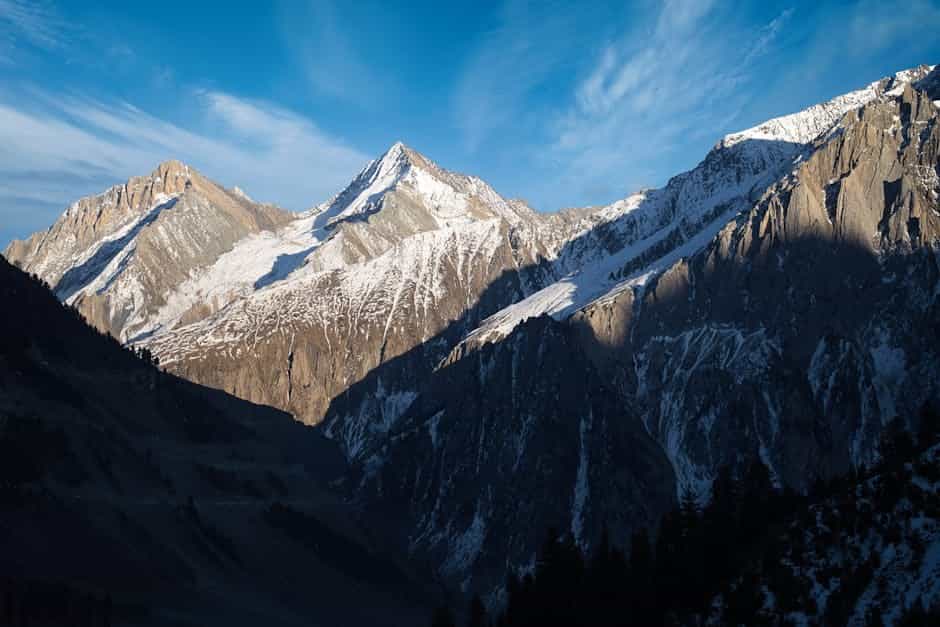
Cultural/Natural importance: The temple sits on a commanding terrace above the Lidder Valley plains near Mattan/Anantnag, giving panoramic views of the surrounding farmland and nearby hills. It is protected and studied as an Archaeological Survey of India (ASI) monument and remains an evocative reminder of pre-Islamic religious architecture in Kashmir.
Last updated: 23 Oct 2025
Places to visit
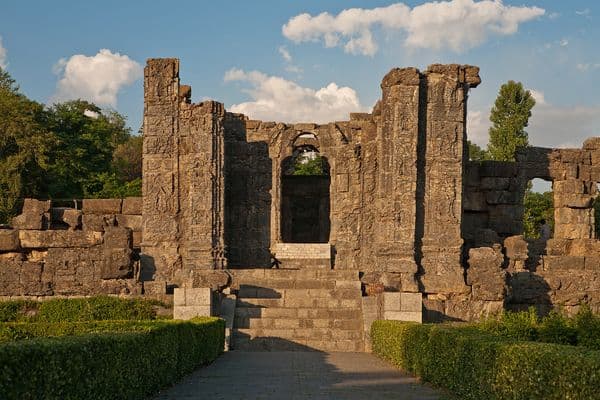
- The elevated stone terrace and platform on which the temple complex stands
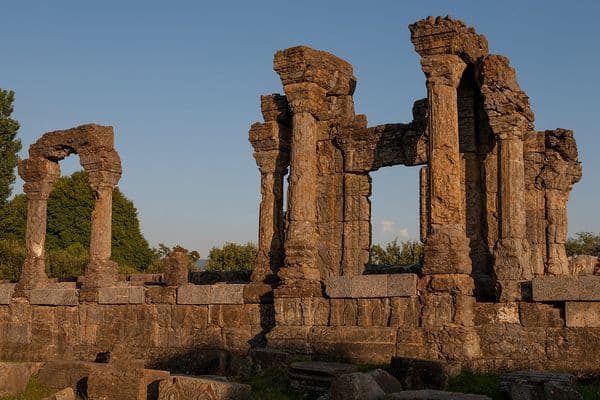
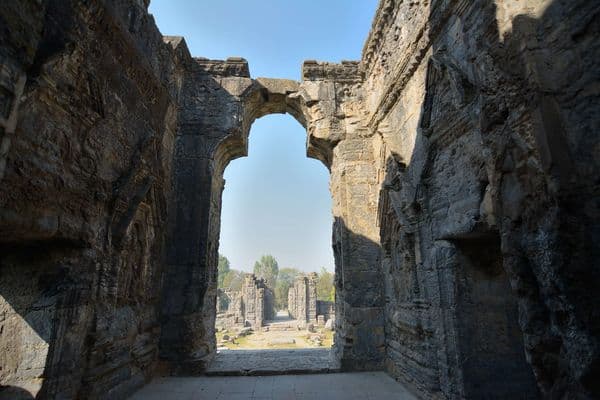
- Columned halls and the remains of the central sanctum (garbha griha)
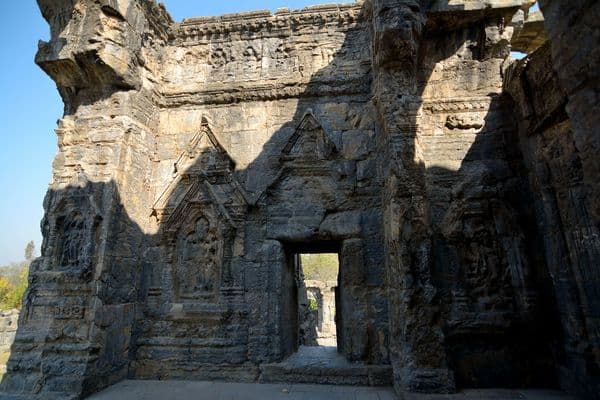
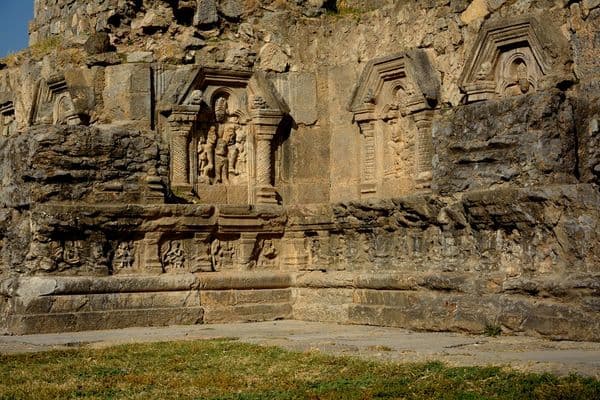
- Fine stone carvings and sculptural fragments (pilasters, friezes, human and animal motifs)
- Panoramic views over the Lidder Valley and the surrounding agricultural plains
- Archaeological signage and ASI-protected ruins
Unique Aspects
- Unique Kashmiri temple architecture: fusion of regional stone construction with northern Indian temple motifs
- Large paved courtyard and colonnaded walkways that once framed ritual processions
- Surviving sculptural fragments showing stylistic details of the 8th–9th centuries
- Elevated siting that gives striking light at sunrise and sunset—particularly evocative for photography
Things to do
- Historical and architectural sightseeing of the ruins and sculptural details
- Photography, especially at sunrise and sunset for dramatic light on the sandstone
- Guided or self-guided walks to learn about Karkota-era Kashmir and the Rajatarangini accounts
- Picnicking on the terrace (where permitted) and enjoying panoramic valley views
- Visiting nearby Mattan and Anantnag for local markets, Kashmiri cuisine, and other heritage sites
Best Time to Visit
Best time: Spring to early autumn (April to October) — milder weather, clearer skies and better road access. Winters can be cold with potential snow and limited local services.
Weather Conditions
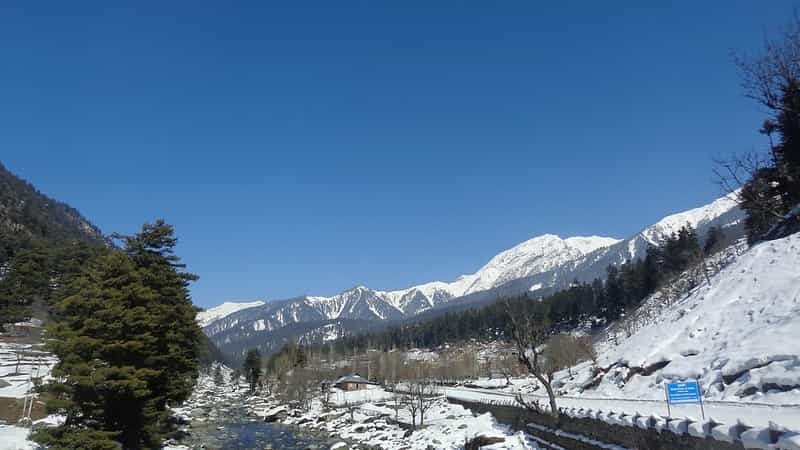
Summers are mild and pleasant (daytime highs comfortable), monsoon season brings occasional rain; winters are cold and can be snowy in the region.
Entry Fees & Permits
The site is managed by the Archaeological Survey of India (ASI). There may be a nominal entry fee and basic visiting hours (typically daylight hours). Fees and timings can change—check ASI or local tourism sources before travel.
Accessibility
Nearest major hub is Srinagar (Srinagar International Airport) and the city of Anantnag/Mattan is the closest town. The temple is approximately a 1–2 hour drive from Srinagar depending on traffic and road conditions. Access is by road (private car, taxi, or local transport); the final approach involves walking on uneven, unpaved surfaces (wear sturdy shoes). Public transport to Anantnag followed by a short taxi/local ride to Mattan is common.
Recommended Duration
Plan 1–2 hours on site to explore the ruins, take photographs, and enjoy the views. Combine with a half-day visit to nearby Anantnag or full-day regional sightseeing.
Clothing & Gear Tips
Wear comfortable walking shoes, sun protection (hat, sunscreen) for daytime visits, and warm layers if visiting in shoulder seasons or winter. Modest clothing is recommended out of respect for local customs.
Local Food & Souvenirs
Try Kashmiri specialities in Anantnag or Srinagar—wazwan dishes, kahwa (local tea), and local breads. Souvenirs: Pashmina shawls, local handicrafts, carved woodwork, and saffron/handicraft items from the Kashmir valley.